
2025 Guide to High-Risk Areas for Dengue Fever
2025-11-05
2025 Guide to High-Risk Areas for Dengue Fever
I. Southeast Asia: The "Epicenter" of the Epidemic Remains Active
As a traditional high-incidence region for dengue fever, many countries in Southeast Asia have seen an explosive growth in the 2025 epidemic. Among them, Indonesia, the Philippines, and Vietnam are particularly prominent and have been listed as high-risk areas for overseas importation by the Chinese Center for Disease Control and Prevention (China CDC).
Since January, Indonesia has reported over 6,000 confirmed cases and 28 deaths, with the epidemic concentrated in popular tourist areas such as Canggu and Uluwatu. The dense population flow in these areas has further intensified the risk of transmission. The epidemic in the Philippines is even more severe: as of March 1, a total of 62,313 cases have been reported, a sharp increase of 73% compared with the same period in 2024. Quezon City in the Metro Manila region alone recorded 1,769 cases and 10 deaths in a single month. As early as February, the region declared an epidemic outbreak, and 66 local medical centers have launched weekend consultation services and set up fast tracks for fever patients to cope with the peak of medical consultations.
The growth rate of the epidemic in Ho Chi Minh City, Vietnam, is alarming. From the start of the year to February 25, 3,431 cases have been recorded, a surge of 125.3% compared with the same period last year. Moreover, the number of weekly cases has continued to exceed the average level of the past three years, indicating the risk of an out-of-control epidemic.
II. South America: Brazil Becomes the Global "Hardest-Hit Area" for the Epidemic
The dengue fever epidemic in South America continues to spread with Brazil at its core. Brazil is not only a hot spot for the epidemic in South America but also the country with the highest number of cases worldwide. As of March 2, Brazil has reported 502,000 cases and 235 deaths, and the incidence rate in multiple states such as São Paulo and Rio de Janeiro has continued to rise compared with 2024.
More seriously, data for the first half of the year shows that Brazil has accumulated 1.867 million cases and 703 deaths, with a single-month increase of 288,000 cases in May alone, setting a new monthly high for the year. The World Health Organization (WHO) points out that factors such as the local rapid urbanization process, mosquito breeding caused by poor waste management, and frequent population movement are the key reasons why the epidemic is difficult to control.
III. China: Southern Provinces Enter the Epidemic Season, with Both Imported and Local Transmission
Due to the climate being suitable for the breeding of Aedes mosquitoes, southern provinces in China have become high-incidence areas for dengue fever. Guangdong Province, as a Class I high-risk area, faces significant pressure in epidemic prevention and control. In the 41st week (October 6-12) alone, 413 cases were reported, of which 383 were local infections. Shenzhen, Guangzhou, and Chaozhou ranked among the top three with 66, 62, and 52 cases respectively.
These local cases are mainly concentrated in densely populated urban areas and urban-rural junctions where mosquitoes are prone to breed. Experts from the Guangdong CDC emphasize that May to November is the local epidemic season, and it is necessary to focus on preventing local transmission chains caused by overseas imports. In addition to Guangdong, provinces such as Hubei and Yunnan also face the risk of imported cases. Xiantao in Hubei, as a Class II risk area, has strengthened mosquito control in key places such as construction sites and flower markets, and is alert to the risk of virus transmission brought back by overseas laborers.
IV. Common Challenges Behind the Epidemic
The WHO Representative for the Southeast Asia Region points out that the intensification of the 2025 dengue fever epidemic is not accidental. Factors such as extreme weather caused by climate change, environmental problems in the process of urbanization, and the mutation of virus strains overlap, putting 360 million people worldwide at risk of infection. Whether in tourist areas in Southeast Asia or urban slums in South America, problems such as untimely cleaning of stagnant water and lack of mosquito prevention measures have provided a hotbed for the transmission of Aedes mosquitoes.
For the general public, when traveling to these severely affected areas, it is necessary to prepare protective items such as mosquito repellent and long-sleeved clothing. After returning, if symptoms such as fever, rash, and joint pain appear, it is essential to seek medical treatment immediately and inform the doctor of the travel history. The prevention and control work in these hardest-hit areas is transitioning from emergency response to regular prevention and control. Only by building a solid three-fold defense line of monitoring, mosquito control, and public education can the spread of the epidemic be curbed.
V. To Our Clients: Prepare Mosquito Prevention Strategies and Take Care of Your Health
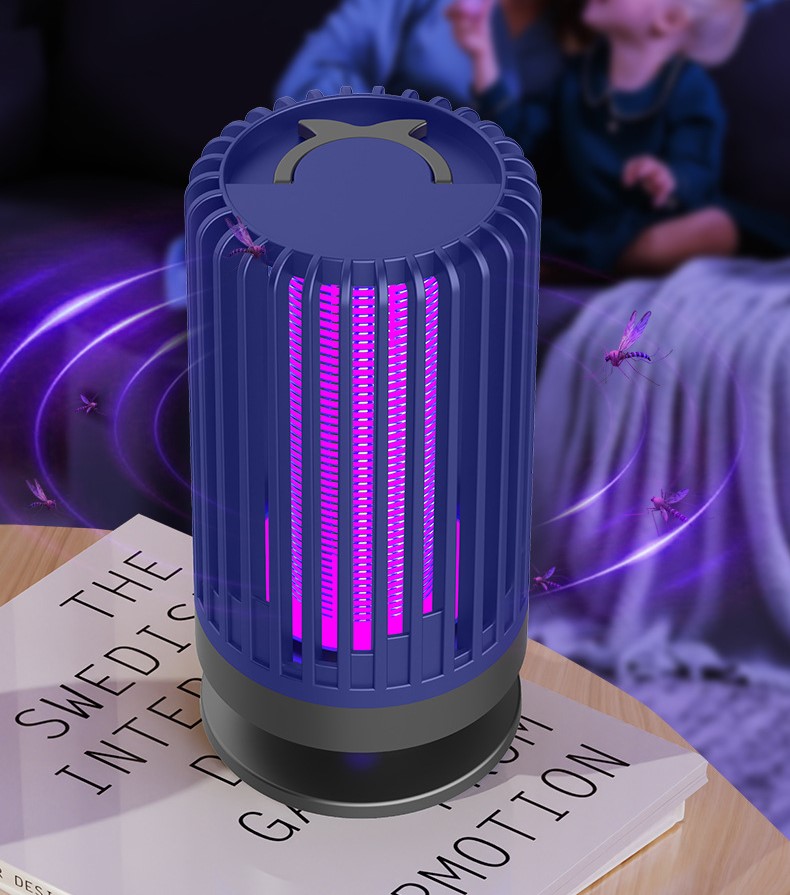
Dear clients, currently, the dengue fever epidemic remains at a high level in Southeast Asia, South America, and southern provinces of China. Whether you need to travel to these areas for business or leisure, or live locally, taking good mosquito prevention measures is the key to protecting your health. Here, we have compiled practical mosquito prevention strategies for you. We hope you will take care of your health and stay away from the risk of the epidemic:
- Daily Environmental Mosquito Prevention: Regularly clean up stagnant water in homes and workplaces, such as flower pot trays, garbage bins, and sewers, to reduce the breeding of Aedes mosquitoes at the source. Install screen windows and doors to prevent mosquitoes from entering the room, and try to reduce outdoor activities during the active periods of mosquitoes (evening and early morning).
- Key Points for Outdoor Protection: If you need to travel to high-risk areas for the epidemic, prepare mosquito repellent containing DEET (N,N-diethyl-meta-toluamide) or picaridin in advance. When going out, wear long-sleeved clothes and pants, and choose light-colored clothing (mosquitoes are more sensitive to dark colors). Apply mosquito repellent evenly on exposed skin and reapply every 4-6 hours. When staying overnight, prioritize rooms with air conditioning or mosquito nets, and check for any damage to the mosquito nets before going to bed.
- Health Monitoring and Response: Regardless of whether you have traveled to epidemic areas, if you experience symptoms such as persistent fever (body temperature above 39°C), headache, muscle and joint pain, or rash, be sure to seek medical treatment at a regular hospital in a timely manner. Proactively inform the doctor of your recent travel history or contact history to avoid delaying treatment. During the recovery period, rest well, drink plenty of water, and avoid overexertion to help your body recover.
Health is the foundation of work and life. We hope you will always take good protection and spend the high epidemic period safely and healthily!
Recommended Best-Selling Mosquito Repellent Products for the Japanese and Korean Markets
3 Ways to Boost the Aesthetics of Mosquito Swatters
Related Article

If you’re struggling with annoying mosquitoes, flies, and other flying pests indoors and outdoors, upgrading from traditional manual tools to anElectric Mosquito Swatter is the most efficient solution. Many homeowners and renters search where to buy fly swatter online to find durable, safe, and high-performance electric models that deliver instant pest control.
Where to Buy Fly Swatter
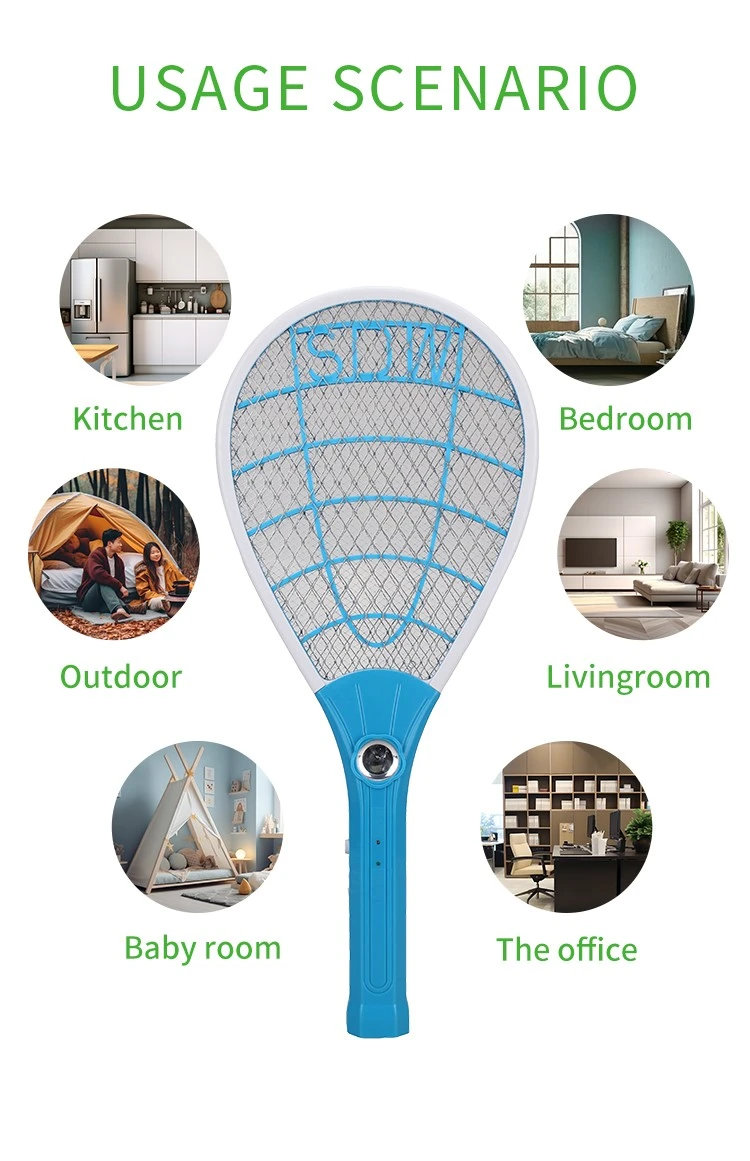
Most importers of electric mosquito swatters obsess over the first order: samples requested, factories vetted, a pre-shipment inspection booked. Then the reorder arrives eight months later and something is off. The grid feels softer. The charge port is a slightly different shade of black. The carton thickness dropped from 350 gsm to 300 gsm. Nothing is catastrophic — but the product no longer matches what your retail customers approved, and quietly, your return rate starts climbing.
How to Keep Mosquito Swatter Quality Consistent Across Repeat Orders
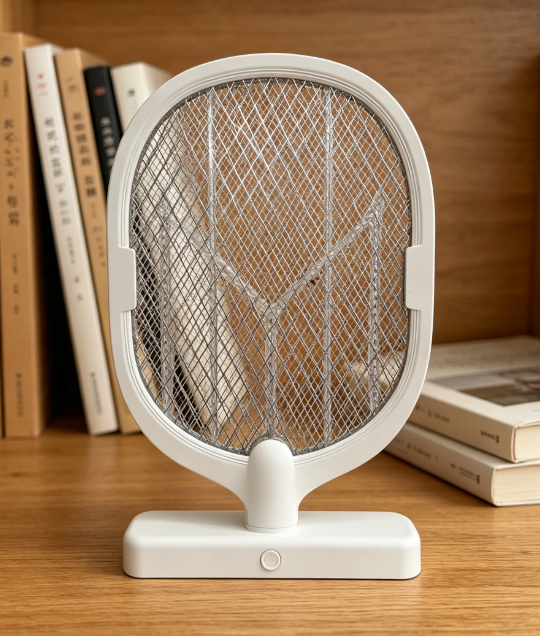
Warranty returns are the silent margin killer in the mosquito control category. A distributor who buys a swatter at $1.80 FOB and retails it at $9.90 can absorb a 1% return rate without noticing — but at 5%, the combined cost of replacement units, reverse logistics, and refund processing erases most of the line's profit.
Common mosquito swatter killer lamp failure modes wholesale spec guide

Digital bathroom scales rank as the second-highest-volume consumer weighing product category, only behind kitchen scales, with distinct market and product characteristics that set them apart from other scale types in importers’ product portfolios.
Digital bathroom body fat-bia-scale wholesale buyers guide