
Digital bathroom body fat-bia-scale wholesale buyers guide
2026-10-20
Digital Bathroom Scales and Body-Fat (BIA) Scales: A Wholesale Buyer's Guide to Specs, Compliance, and 2027 Margins
The Bathroom Scale Category at a Glance
Digital bathroom scales rank as the second-highest-volume consumer weighing product category, only behind kitchen scales, with distinct market and product characteristics that set them apart from other scale types in importers’ product portfolios. Unlike kitchen or pocket scales, which compete primarily on measurement precision, bathroom scale purchasing decisions hinge on maximum weight capacity, platform texture and quality, and — for bioelectrical impedance analysis (BIA) models — comprehensive body data tracking capabilities.
This category features high unit sales volume, long product life cycles, and strong retail impulse-purchase attributes, making packaging design and shelf pricing core competitive factors. For distributors optimizing their 2027 product lineups, the bathroom scale market can be segmented into three clear tiers: basic weight-only digital scales, standard BIA body-fat scales, and smart app-connected BIA scales.
Different from the niche kitchen, pocket and luggage scale markets, bathroom scales face direct competition from mature low-cost mass-market brands in hypermarkets and offline retail channels. As such, sustainable product differentiation relies on optimized specifications, premium surface finishing and full regulatory compliance, rather than simplistic price competition.
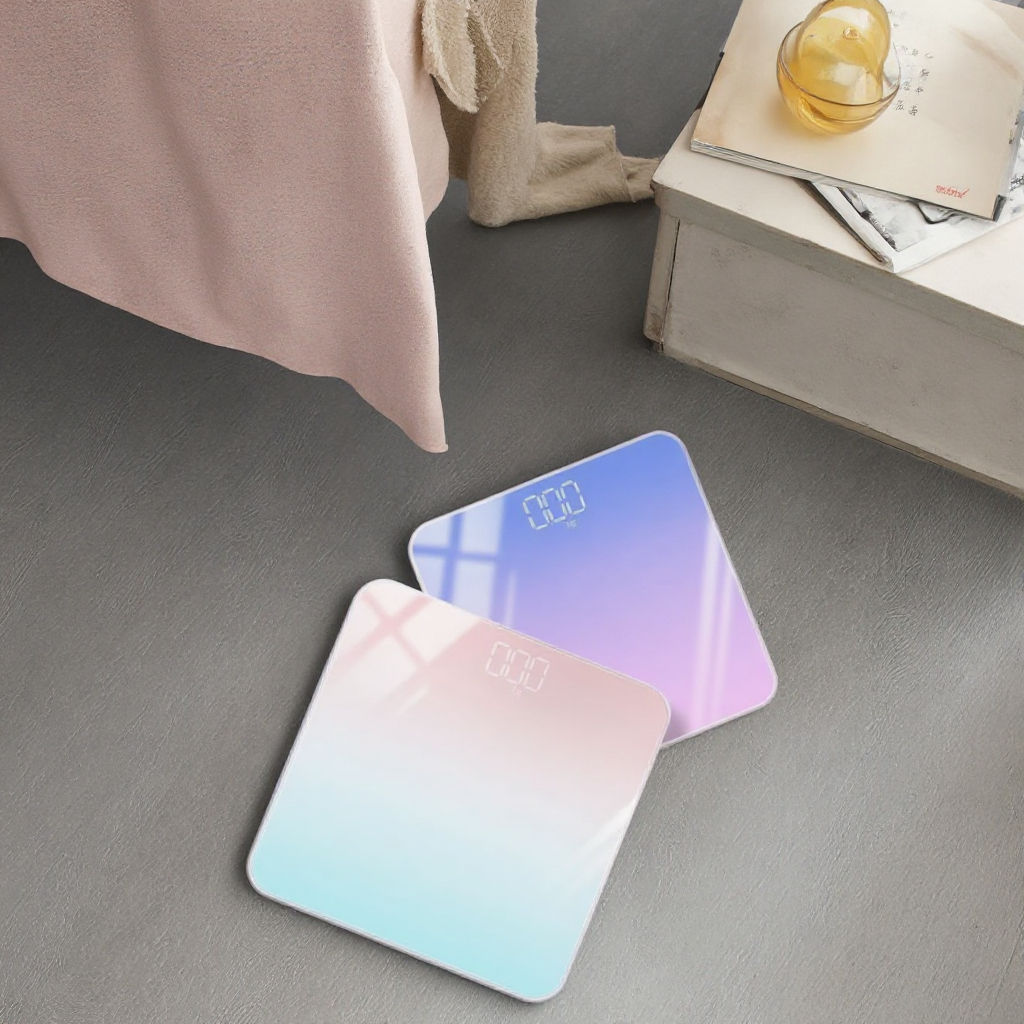
Core Specs That Differentiate: What to Put on the Spec Sheet
When evaluating supplier quotations and comparing products, wholesale buyers must prioritize six core specifications. These are the key areas where low-end manufacturers frequently cut production costs, leading to inconsistent product quality and high retail return rates. The tiered specification standards for entry-level, mid-range and premium products are outlined below:
|
Spec
|
Entry level
|
Mid-range
|
Premium
|
|---|---|---|---|
|
Max capacity
|
150 kg / 330 lb
|
180 kg / 400 lb
|
180–200 kg, verify with 200 kg test weight
|
|
Graduation
|
100 g
|
50 g
|
50 g with stable readout algorithm
|
|
Platform
|
ABS plastic, 300×300 mm
|
5 mm tempered glass
|
6 mm tempered glass, silk-screen or IML finish
|
|
Load cells
|
4 × half-bridge, plastic mount
|
4 × half-bridge, metal mount
|
Full-bridge sensors, overload stops
|
|
Display
|
Segment LCD, 1-line
|
LCD with backlight
|
Negative LCD / LED dot display, large digits
|
|
Power
|
2 × AAA
|
1 × CR2032
|
CR2032 or USB-C rechargeable
|
Beyond paper specifications, two practical field test indicators better reflect real product quality than spec sheet data, and they are the main causes of consumer returns in the retail market. First is corner loading stability: stepping on the edges and front corners of the scale platform will expose poor load-cell mounting. Substandard products may have a measurement deviation of 0.5–1.5 kg, which is the most common quality complaint from end users. Second is repeat-readout consistency: repeatedly stepping on and off the scale five times. A measurement fluctuation exceeding 0.2–0.3 kg indicates inferior sensor assembly and mounting technology.
Professional technical guides on load cell performance, equipment calibration, and OIML/NTEP accuracy standards further elaborate on product failure mechanisms and standardized factory testing methods for reference.

BIA Body-Fat Models: What the Extra Cost Actually Buys
Compared with basic weight-only scales, BIA body-fat scales are equipped with four stainless steel electrode pads and a professional bioimpedance measurement circuit. The factory cost premium ranges from USD 1.20 to 3.50 per unit, with the exact price depending on whether the product integrates Bluetooth LE chips and certified wireless modules for app connectivity.
The BIA system emits a harmless micro-current through the human body. By analyzing bioelectrical impedance data and combining it with user personal profile information, the scale can accurately estimate core body data including body fat percentage, muscle mass, body water content and BMI.
Wholesale buyers need to master two core selling advantages and one critical legal risk warning for BIA products. In terms of product advantages, BIA scales excel at tracking body data trends, and daily relative data changes are highly referential for fitness management. Meanwhile, the 13 to 16 types of body data displayed via supporting apps significantly enhance product perceived value, making these products bestsellers during holiday gift seasons.
In terms of compliance risks, the absolute accuracy of consumer-grade BIA measurements is affected by multiple variables such as human hydration status, food intake and foot contact tightness. Therefore, all marketing content must clearly label body fat data as estimated values. Currently, mainstream EU and US retail platforms will remove product listings that claim medical-grade precision. Descriptors including "medical standard", "clinical accuracy" and disease diagnosis-related health claims will trigger platform penalties, and such violations will also face regulatory scrutiny under EU health claim laws. Brands should only position BIA scales as professional fitness trend-tracking tools.
For app supporting solutions, formal manufacturers provide two mature options for wholesale buyers. The first is white-label apps, which require no independent development costs and support rapid market launch, but the app store ownership belongs to the factory’s brand ecosystem. The second is custom-branded apps, with a development cost of USD 8,000–20,000, which allows buyers to own independent app store accounts and achieve higher brand stickiness. For first-time bathroom scale importers, the white-label solution with customized packaging logos is the most cost-effective and low-risk choice, which fully complies with standard OEM/ODM manufacturing decision-making rules.
Safety and Compliance: Glass, Button Batteries, and Certifications
Bathroom scales have three unique compliance management clusters that differ from other small household appliances, which are key prerequisites for entering US and EU mainstream retail markets:
Button-Battery Safety
Most bathroom scales adopt CR2032 coin cell batteries. The US market enforces Reese's Law (16 CFR 1263, tested per UL 4200A standards), which mandates child-resistant battery compartments, standardized warning labels and dedicated packaging reminders — these requirements are mandatory for US offline retail and Amazon sales. The EU market implements equivalent regulations through EN IEC 62368-1 amendments and the General Product Safety Regulation. Buyers must request official test reports from suppliers instead of only checking certification logos to avoid compliance risks.
Glass Platform Safety
All tempered glass platforms must undergo formal tempering treatment and edge polishing. The glass fragment test report (verifying the glass breaks into small, blunt particles instead of sharp fragments) is the core qualification proof. Low-cost 4mm non-tempered glass platforms are the most prominent quality hazard in the industry. Personal injury claims caused by unqualified glass far exceed the profit margins of individual products, bringing huge operational risks to distributors.
EMC, RoHS and Wireless Certification
EU-bound BIA and Bluetooth smart models must comply with the Radio Equipment Directive (RED) for wireless module certification, while basic models only need EMC electromagnetic compatibility certification. CE/UKCA marking and RoHS compliance cover the basic product qualification scope, and US market sales require FCC certification.
It is worth noting that household bathroom scales are exempt from NTEP/OIML legal metrology supervision because they are not used for commercial weighing and trading. This is a major cost advantage compared with commercial food scales, and buyers can take the initiative to explain this certification scope to downstream customers to eliminate doubts. Professional industry resources can further match targeted certification standards for different sales regions and product customization needs.
FOB Price Bands and Margin Math by Segment
The following 2027 indicative FOB price bands apply to bulk orders of 3,000–5,000 units with standard product configurations, covering wholesale FOB prices, mainstream US/EU retail pricing, and wholesale gross profit margins for all product tiers:
|
Segment
|
FOB (USD)
|
Typical retail (US/EU)
|
Gross margin at wholesale
|
|---|---|---|---|
|
Basic digital, ABS platform
|
2.00–3.20
|
9.99–14.99
|
45–55%
|
|
Tempered glass, weight-only
|
2.80–4.20
|
14.99–19.99
|
45–55%
|
|
BIA body-fat, no app
|
3.80–5.50
|
19.99–29.99
|
50–60%
|
|
Smart BIA + Bluetooth app
|
5.20–7.80
|
24.99–39.99
|
50–60%
|
BIA and smart BIA products deliver higher absolute wholesale profit margins and better seasonal sales mobility, with strong market demand in January fitness consumption peaks and pre-summer weight management seasons. However, these high-margin products also bear stricter compliance supervision requirements.
For distributors already operating kitchen and luggage scale businesses, the optimal 2027 product portfolio ratio is 50% tempered glass weight-only scales, 35% standard BIA scales and 15% smart Bluetooth BIA scales. Glass weight-only scales can stabilize hypermarket shelf sales, while BIA smart products effectively increase online order average transaction value and overall profit levels.
Five Questions to Ask Before You Place the Order
Wholesale buyers can screen high-quality suppliers and avoid defective products by confirming five core questions with manufacturers before placing bulk orders:
1. Can you show 200 kg corner-load test data and the repeat-readout spread? This question quickly filters out products with inferior sensor mounting and unstable measurement performance.
2. Is the glass tempered, what thickness, and can I see the fragment test report? This is the core inquiry to eliminate product safety hazards and avoid user injury liability risks.
3. Does the battery compartment comply with UL 4200A / Reese's Law, with test report? A mandatory verification item for all US market orders to ensure full regulatory compliance.
4. Is the BIA app white-label or custom, and who owns the app store listing? This determines brand autonomy, subsequent function update rights and long-term brand operation risks.
5. What is the auto-off current draw and expected CR2032 life? Excessive standby power consumption leads to short battery life, user complaints and returned goods, which erode hidden profits; the industry qualified battery life standard is 6–12 months per cell.
Bathroom scales appear to be simple low-threshold products, which is why many manufacturers cut corners in production. Partnering with experienced and qualified manufacturers can turn this high-volume category into a stable profit source instead of a quality risk burden. Professional manufacturers with 15+ years of industry experience conduct full-process in-house testing on corner load stability, glass tempering safety and battery compartment compliance, ensuring consistent product quality and reliable after-sales performance.
Common mosquito swatter killer lamp failure modes wholesale spec guide
How to Protect Your Eyes from UV Traps
Related Article
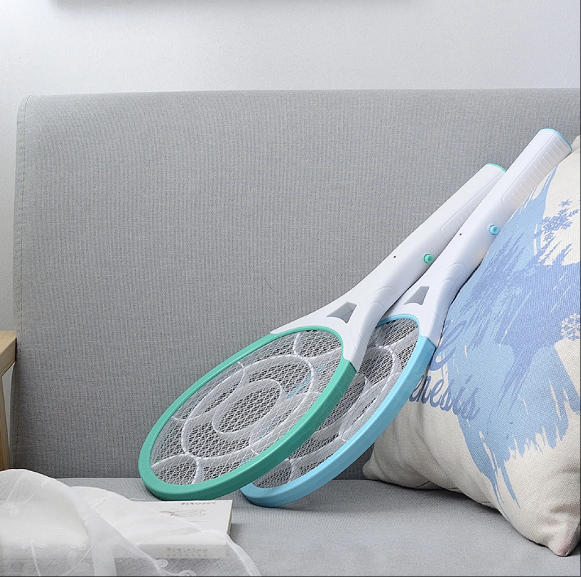
If you’re struggling with annoying mosquitoes, flies, and other flying pests indoors and outdoors, upgrading from traditional manual tools to anElectric Mosquito Swatter is the most efficient solution. Many homeowners and renters search where to buy fly swatter online to find durable, safe, and high-performance electric models that deliver instant pest control.
Where to Buy Fly Swatter
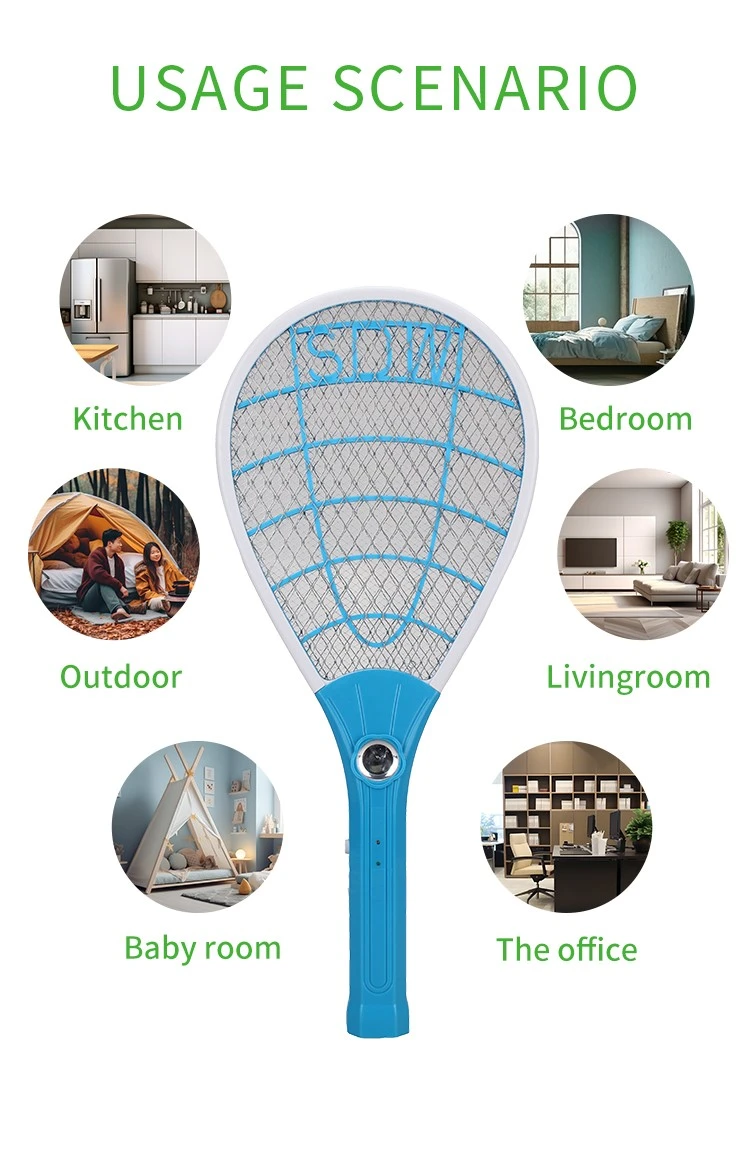
Most importers of electric mosquito swatters obsess over the first order: samples requested, factories vetted, a pre-shipment inspection booked. Then the reorder arrives eight months later and something is off. The grid feels softer. The charge port is a slightly different shade of black. The carton thickness dropped from 350 gsm to 300 gsm. Nothing is catastrophic — but the product no longer matches what your retail customers approved, and quietly, your return rate starts climbing.
How to Keep Mosquito Swatter Quality Consistent Across Repeat Orders
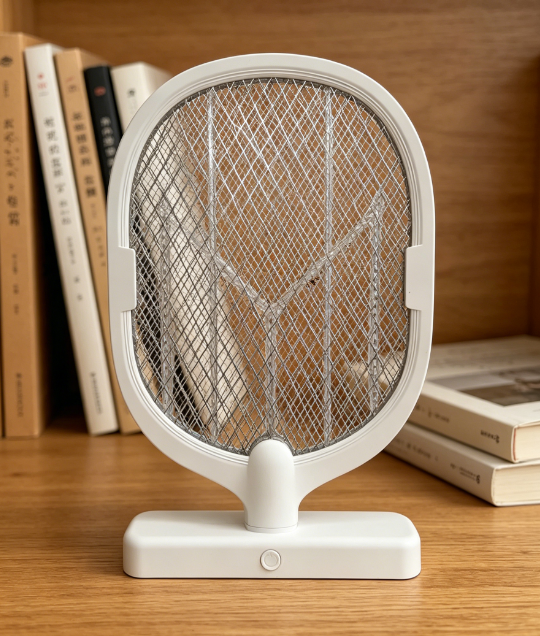
Warranty returns are the silent margin killer in the mosquito control category. A distributor who buys a swatter at $1.80 FOB and retails it at $9.90 can absorb a 1% return rate without noticing — but at 5%, the combined cost of replacement units, reverse logistics, and refund processing erases most of the line's profit.
Common mosquito swatter killer lamp failure modes wholesale spec guide

Most people prioritize skin sun protection but overlook critical eye care, falling prey to hidden UV traps that damage eye tissues gradually. Ultraviolet rays (UVA and UVB) do not only harm eyes on sunny summer days—they penetrate clouds, reflect off surfaces, and cause cumulative long-term eye issues. Learning how to protect your eyes from UV traps is essential for preventing short-term discomfort and chronic eye diseases.
How to Protect Your Eyes from UV Traps