
2026 Core Trends in the Electric Mosquito Swatter Industry
2026-03-04
2026 Core Trends in the Electric Mosquito Swatter Industry: Triple Transformations in Technology, Market and Compliance
As an important segment of household hygiene and insecticidal appliances, the electric mosquito swatter industry is ushering in an unprecedented period of transformation driven by the improvement of residents' health awareness, consumption upgrading and policy regulation. In 2026, the industry will no longer be limited to the basic function of "physical mosquito control", but will focus on the three main lines of technological iteration, market restructuring and compliance upgrading, realizing the leap from "rigid demand tool" to "quality terminal". This article will analyze the core logic of the triple transformations and interpret the new opportunities and challenges in the industry's development.
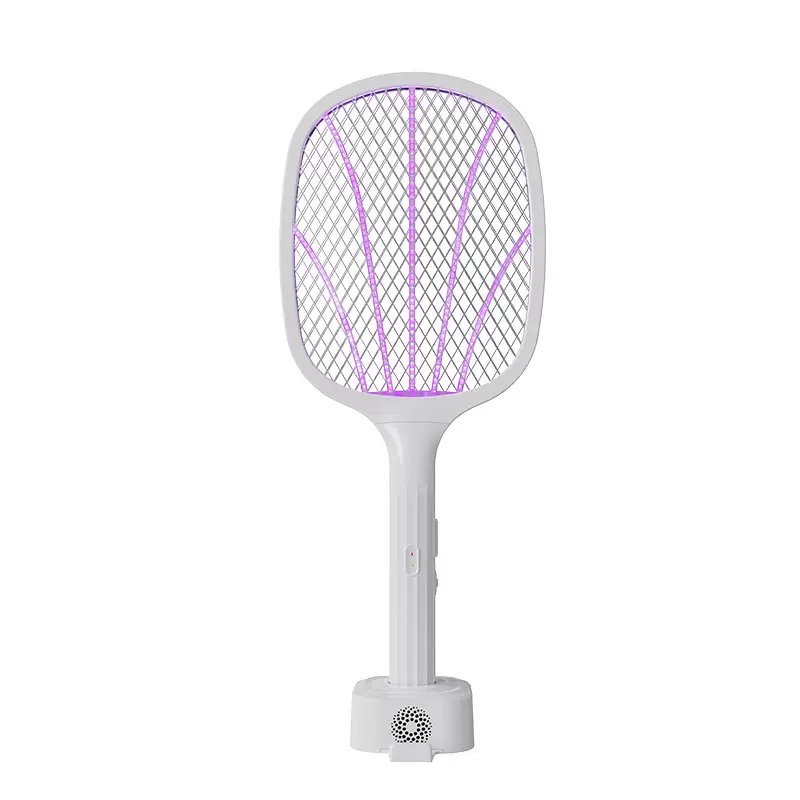
I. Technological Transformation: From Basic Practicality to Intelligent Green, Restructuring the Core Competitiveness of Products
In 2026, the technological iteration of the electric mosquito swatter industry presents three directions: "safety upgrading, intelligent empowerment and green low-carbon", which completely breaks the homogenization dilemma of traditional products, promotes the continuous improvement of product added value, and leading enterprises further widen the gap with small and medium-sized manufacturers by virtue of technological advantages.
1.1 Safety Technology Iteration: Comprehensive Protection to Build a Solid Bottom Line for Use
Safety has always been the core demand of electric mosquito swatters. In 2026, the industry has achieved multi-dimensional breakthroughs in safety technology. On the one hand, the power grid design is continuously optimized. Mainstream products adopt a three-layer staggered stainless steel structure with a spacing of 3.5–4.2mm, which not only ensures efficient mosquito killing, but also effectively prevents children from accidental contact, completely solving the safety hazards of traditional single-layer power grids. On the other hand, the battery safety protection has been comprehensively upgraded. The BMS battery management system integrated with OVP/OCP/OTP multiple protections is adopted, combined with fast charging technology, to achieve full charge within 90 minutes and temperature rise controlled within 15℃, complying with GB 31241-2022 and IEC 62133-2 safety standards, and eliminating the risks of overcharging, over-discharging and short circuit. In addition, functions such as anti-misoperation switch and automatic power-off protection have become standard configurations, and some high-end products have also added zero-contact safety protection driven by AI edge computing to further improve the safety of use.
1.2 Intelligent Function Integration: From Manual Operation to Full-Scenario Adaptation
With the popularization of the concept of smart home, electric mosquito swatters are accelerating their transformation to intelligence in 2026, shifting from "passive mosquito control" to "active prevention and control". High-end products have gradually integrated PIR, millimeter-wave radar and electric field disturbance multi-modal sensing technologies, with an active capture rate of up to 92.4%, enabling precise mosquito killing without manual waving. At the same time, functions such as Wi-Fi connection, APP remote control and power display have become core selling points of high-end models. Users can check mosquito killing statistics, battery health warnings through mobile phones, and even realize GIS environmental analysis to adapt to mosquito control needs in different scenarios. In addition, the LED lighting function has been continuously upgraded. The application of high-brightness COB packaging technology makes mosquito killing at night more convenient. Some products also add dimming function, which takes into account both lighting and mosquito killing needs, becoming a "multi-functional assistant" in home scenarios.
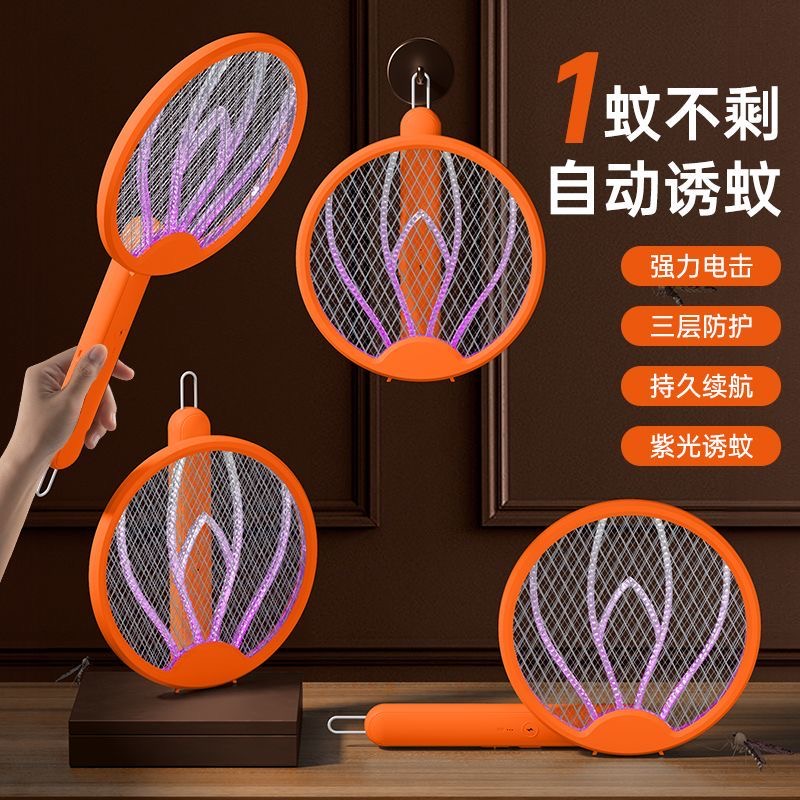
1.3 Green and Low-Carbon Upgrade: Dual Optimization of Materials and Energy Consumption
Driven by the "dual carbon" goal and the concept of green consumption, the electric mosquito swatter industry is gradually transforming to low-carbon in 2026. In terms of materials, the shell of mainstream products is made of recyclable ABS engineering plastics, and some high-end models choose carbon fiber or high-strength lightweight materials, which take into account insulation, impact resistance and environmental protection, with a material recovery rate of more than 95%. In terms of energy consumption, the application of low-power chips has greatly reduced the standby power consumption of products. At the same time, the standardization of battery modules is advancing, which is convenient for replacement and recycling, and the circular mode such as battery replacement with old ones is gradually popularized. In addition, ozone-free discharge technology is widely used, which not only ensures the mosquito killing effect, but also avoids pollution to the indoor environment, conforming to consumers' demand for health and environmental protection.
II. Market Transformation: Consumption Upgrading and Channel Restructuring, Reshaping the Industry Competition Pattern
In 2026, significant changes have taken place in the electric mosquito swatter market in terms of demand, channels and competition. Consumption upgrading drives the optimization of product structure, channel transformation accelerates market reshuffling, the industry concentration continues to increase, presenting a competition pattern of "leading enterprises leading, mid-end differentiation and low-end elimination".
2.1 Consumer Demand: From Basic Satisfaction to Quality Pursuit, the Rise of Segmented Scenarios
With the improvement of residents' per capita disposable income, the consumption structure has changed from "basic satisfaction" to "quality experience", and the consumer demand for electric mosquito swatters presents three trends. First, the demand for high-end products is prominent. The market share of mid-to-high-end models (priced above 100 yuan) has increased from 32% in 2023 to more than 40% in 2026. Consumers are more willing to pay a premium for safety, convenience, intelligence and appearance design, and products with both appearance and strength have become the first choice of young consumer groups. Second, the segmentation of scenarios has intensified. In addition to the traditional home scenario, segmented categories such as commercial type (special for catering and hotel kitchens) and outdoor portable type (lightweight and waterproof design) are developing rapidly. Among them, the home type still accounts for more than 89% of the total sales, and the outdoor portable type has the fastest growth rate with a compound annual growth rate of 25%. Third, the demand for health has deepened. With the increasing pressure of prevention and control of mosquito-borne diseases such as dengue fever, consumers' preference for physical mosquito control methods without chemical residues has increased, promoting electric mosquito swatters to become a rigid demand product for family health protection, with a user penetration rate of more than 35%.
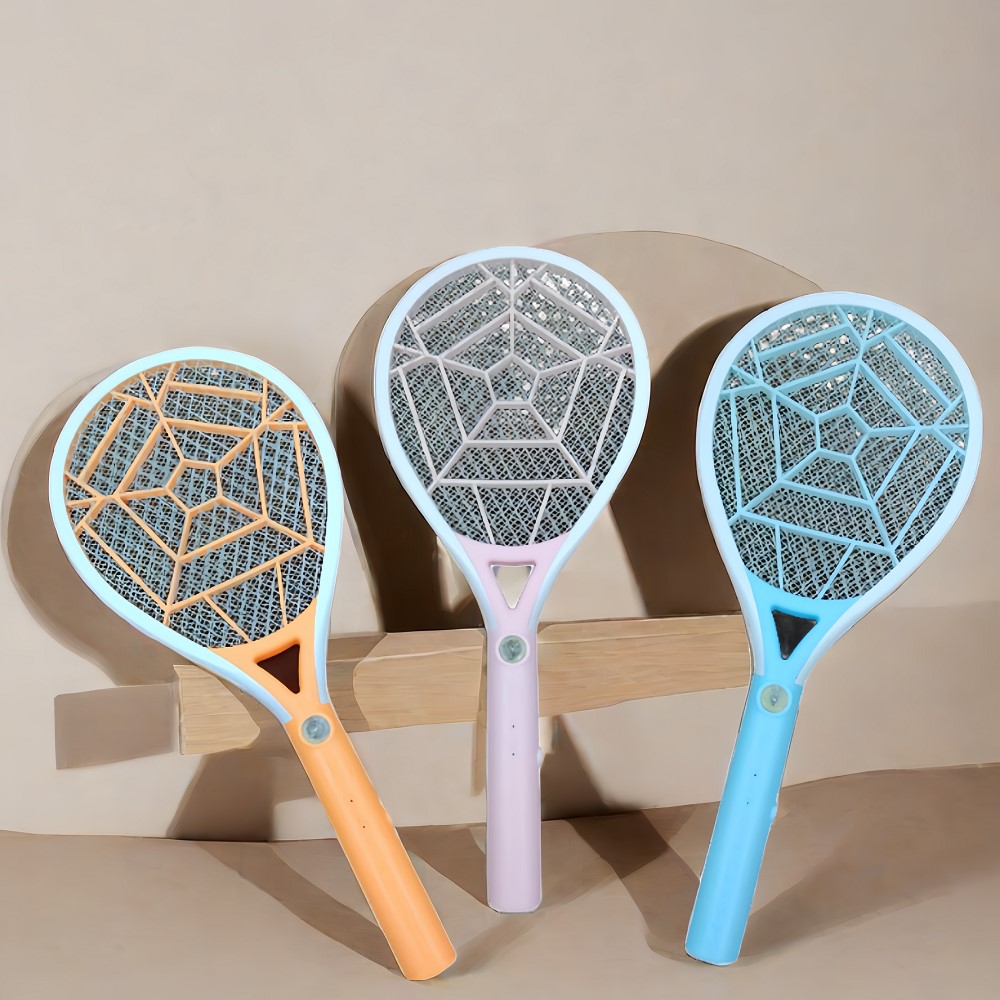
2.2 Channel Transformation: Online-Dominated, Live Streaming and Social E-Commerce Become Growth Engines
In 2026, the sales channel of electric mosquito swatters has formed a pattern of "online-dominated and offline supplementary", with online sales accounting for more than 67%, becoming the core driving force for the industry's growth. Among them, live streaming and social e-commerce have become key breakthroughs, contributing more than 23% of the sales share. Through short video demonstrations of product functions and real-time recommendations by anchors, they effectively solve the consumers' concerns of "not seeing or touching", and accelerate consumption conversion. Traditional e-commerce platforms (Tmall, JD.com, Pinduoduo) still occupy a dominant position. Among them, Pinduoduo focuses on the sinking market, JD.com focuses on mid-to-high-end quality, and Tmall focuses on brand operation, forming a differentiated layout. Offline channels are mainly composed of supermarkets, convenience stores and township fairs, which mainly serve the market in third and fourth-tier cities and rural areas, meet consumers' immediate purchase needs, and at the same time become an important window for brand display and experience. In addition, the export channel is continuously expanding, with Southeast Asia and the Middle East as the core export markets. The global market size is expected to increase to 1.73 billion US dollars in 2026. With the supply chain advantage, Chinese enterprises continue to improve their global market share.
2.3 Competition Pattern: Concentration of Leading Enterprises, Accelerated Elimination of Small and Medium-Sized Manufacturers
In 2026, the concentration of the electric mosquito swatter industry continues to increase. Leading enterprises occupy about 65% of the market share by virtue of brand influence, R&D capabilities and channel advantages. Brands such as Midea, Feike, Chaoren and Caihong have become industry benchmarks. Their products cover the entire high, medium and low-end series, and improve added value through automated production lines and flexible manufacturing. The gross profit rate of mid-to-high-end models can reach 38%. Small and medium-sized manufacturers are facing severe survival pressure. Most of them maintain their survival by OEM or low-price strategies. With the improvement of compliance thresholds and the intensification of homogeneous competition, a number of small workshop-style enterprises with backward technology and unsafe products are gradually eliminated, and the industry ecology is continuously optimized. At the same time, cross-border players continue to enter the market. Enterprises such as Xiaomi and Panasonic have launched intelligently linked electric mosquito swatters by virtue of their smart home ecosystem advantages, further enriching the market supply, intensifying industry competition and accelerating the speed of product innovation.
III. Compliance Transformation: Tighter Standards Forcing High-Quality Development of the Industry
In 2026, domestic and foreign compliance standards continue to tighten, covering all dimensions of product safety, environmental protection and quality from the update of domestic national standards to international certification norms. Compliance has become a necessary condition for enterprises' survival, forcing the industry to transform from "barbaric growth" to "standardized development".
3.1 Upgrade of Domestic Standards: Dual Improvement of Safety and Environmental Protection
On August 1, 2026, GB/T 4706.1—2024 "Safety of Household and Similar Electrical Appliances Part 1: General Requirements" and GB/T 4706.76—2024 "Safety of Household and Similar Electrical Appliances Part 76: Special Requirements for Insect Killers" were officially implemented. The new standards have made systematic upgrades around electronic safety, material flame retardancy, battery safety, protection of special groups and other dimensions. Among them, it is clearly required that electric mosquito swatters adopt safety extra-low voltage (SELV) power supply, the residual voltage of the power grid shall not exceed 34V, and non-metallic components shall meet heat resistance and flame retardancy requirements, further raising the product safety threshold. In addition, the Ministry of Industry and Information Technology's "Guidelines for the Construction of Green Manufacturing Standard System in the Light Industry" clearly proposes to encourage enterprises to adopt recyclable materials, reduce standby power consumption and promote the standardization of battery modules, which has also become an important direction for enterprises' compliance development. With the implementation of the standards, the product qualification rate has increased from 78.3% in 2023 to more than 95% in 2026, and the overall quality level of the industry has been significantly improved.
3.2 Tighter International Certification: Export Enterprises Face Higher Thresholds
For export-oriented enterprises, international compliance requirements are more stringent in 2026, and certification standards in different regions have shown differentiated upgrades. The EU CE certification covers LVD, EMC and RoHS 3.0, emphasizing the restriction of harmful substances and electromagnetic compatibility; the US CPSC focuses on power grid safety and child protection, putting forward higher requirements for product design; Japan's PSE compulsorily requires products to have automatic power-off and detachable design; ASEAN countries are accelerating the establishment of local certification systems, and RCEP promotes mutual recognition of tests in the region. These certification requirements not only involve product safety, but also cover environmental protection, energy consumption and other dimensions, increasing the R&D and production costs of enterprises, and at the same time becoming an important barrier for new entrants. Enterprises need to optimize product design and supply chain management according to the compliance requirements of different markets to successfully expand overseas markets.
3.3 Compliance Becomes Core Competitiveness: Enterprises Accelerate Adaptation and Transformation
In 2026, compliance is no longer an "additional cost" for enterprises, but an important part of core competitiveness. Leading enterprises have taken the lead in completing compliance upgrading. By introducing ISO quality management system and strengthening R&D investment, they ensure that products meet domestic and foreign standards, and integrate the concept of compliance into the whole process of product design, production and sales, forming a differentiated competitive advantage. Small and medium-sized manufacturers are accelerating their transformation, either increasing R&D investment to improve product compliance, or focusing on segmented markets and relying on differentiated products to avoid compliance risks. In addition, the intensity of industry supervision continues to increase. Market supervision departments have strengthened the random inspection of electric mosquito swatter products, and investigated and dealt with unqualified products in accordance with the law, further standardizing the market order and promoting the industry to develop in a high-quality and standardized direction.
IV. 2026 Industry Outlook: Opportunities and Challenges Under the Triple Transformations
In 2026, the triple transformations of technology, market and compliance in the electric mosquito swatter industry are intertwined, bringing new development opportunities and putting forward higher challenges. In terms of opportunities, the integration of intelligent technology and green concepts promotes the upgrading of products to high added value, and the expansion of segmented scenarios and overseas markets provides new growth space for the industry; in terms of challenges, problems such as fluctuations in raw material prices, rising international compliance thresholds and intensified homogeneous competition will still plague the industry's development.
For enterprises, they need to grasp three core directions: first, focus on technological innovation, increase R&D investment in intelligent, safe and green technologies, and create differentiated products; second, optimize channel layout, deepen online channels, expand offline experience and overseas markets, and enhance brand influence; third, attach importance to compliance construction, take the initiative to adapt to domestic and foreign standards, and integrate compliance into the whole process of enterprise development. In the future, with the continuous deepening of the triple transformations, the electric mosquito swatter industry will gradually bid farewell to "low-price competition" and enter a new stage of "quality competition and brand competition", and the overall value of the industry will continue to improve.
2026 Global Market Layout Suggestions for Electric Mosquito Swatters
Explanation of Our Product Price Adjustment and Sincere Invitation
Related Article

If you’re struggling with annoying mosquitoes, flies, and other flying pests indoors and outdoors, upgrading from traditional manual tools to anElectric Mosquito Swatter is the most efficient solution. Many homeowners and renters search where to buy fly swatter online to find durable, safe, and high-performance electric models that deliver instant pest control.
Where to Buy Fly Swatter
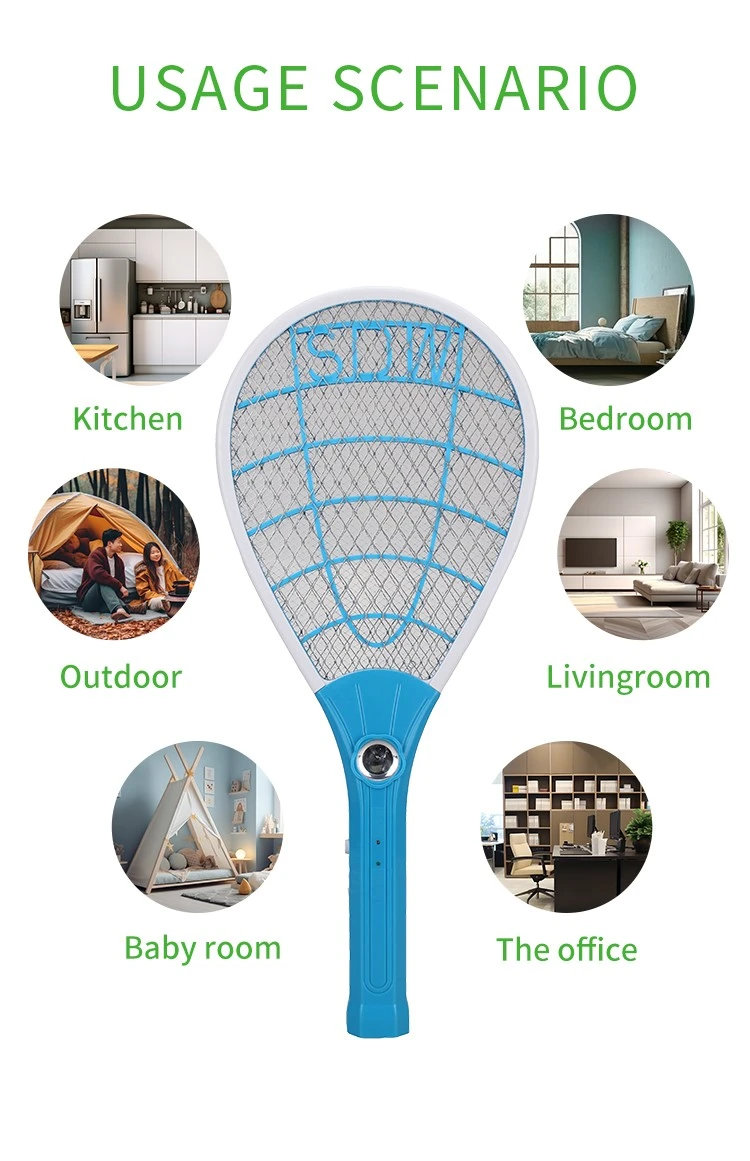
Most importers of electric mosquito swatters obsess over the first order: samples requested, factories vetted, a pre-shipment inspection booked. Then the reorder arrives eight months later and something is off. The grid feels softer. The charge port is a slightly different shade of black. The carton thickness dropped from 350 gsm to 300 gsm. Nothing is catastrophic — but the product no longer matches what your retail customers approved, and quietly, your return rate starts climbing.
How to Keep Mosquito Swatter Quality Consistent Across Repeat Orders
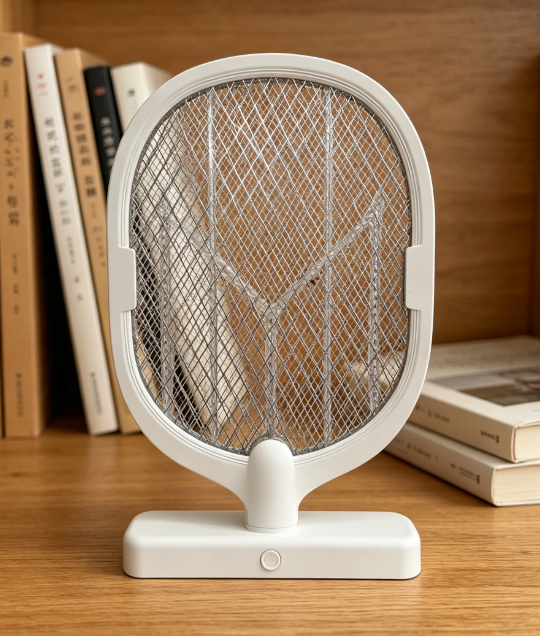
Warranty returns are the silent margin killer in the mosquito control category. A distributor who buys a swatter at $1.80 FOB and retails it at $9.90 can absorb a 1% return rate without noticing — but at 5%, the combined cost of replacement units, reverse logistics, and refund processing erases most of the line's profit.
Common mosquito swatter killer lamp failure modes wholesale spec guide

Digital bathroom scales rank as the second-highest-volume consumer weighing product category, only behind kitchen scales, with distinct market and product characteristics that set them apart from other scale types in importers’ product portfolios.
Digital bathroom body fat-bia-scale wholesale buyers guide