
2026 Mosquito Control Product Market Trends
2026-08-06
2026 Mosquito Control Product Market Trends: What Importers Need to Know
Driven by climate change, rising vector-borne disease awareness, and consumer hardware upgrades, the global mosquito control industry is undergoing rapid structural changes in 2026. For cross-border importers and wholesale distributors, mastering up-to-date mosquito control market trends 2026 and professional bug zapper market analysis is critical to optimizing inventory, capturing summer peak sales, and avoiding outdated product losses. In recent years, the market has shifted from disposable, single-function mosquito killers to reusable, smart, eco-friendly, and multi-functional devices, which has become the core competition direction of the global market.
This article comprehensively sorts out the 2024–2030 global market scale and growth prospects, analyzes differentiated demand in core regional markets, summarizes four dominant industry trends in 2026, and provides targeted peak-season stocking plans and tiered price analysis for importers, supporting precise procurement and profit improvement.
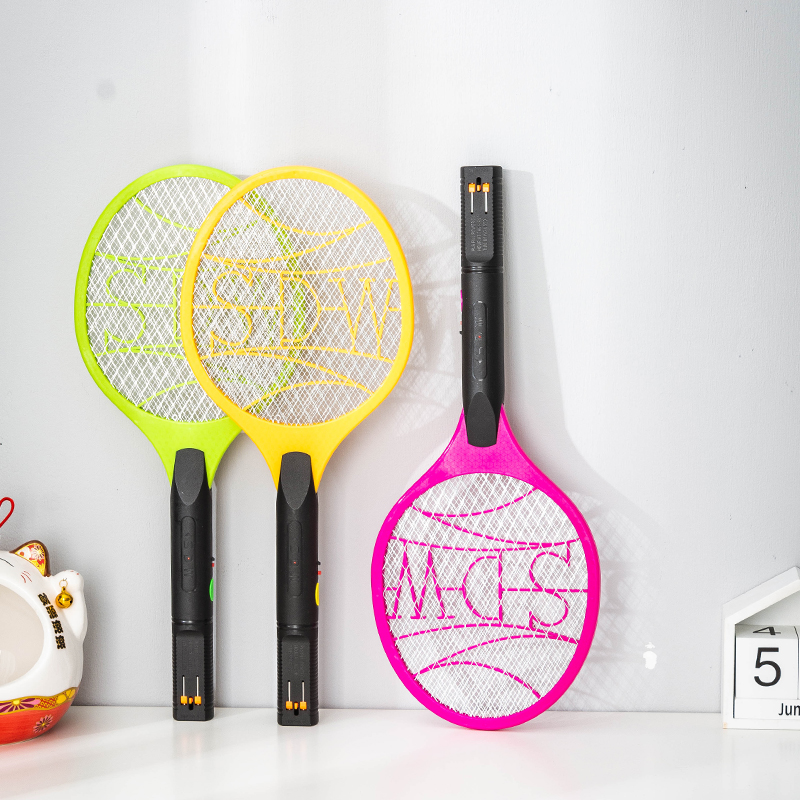
Global Mosquito Control Market Size & Growth Projections (2024–2030)
The global mosquito control market maintains stable high growth with strong rigid demand. Authoritative industry data shows that the global market size reached USD 4.88 billion in 2026, with a year-on-year growth of 15.9% compared with 2025’s USD 4.21 billion. It is projected to achieve a CAGR of 8.11% from 2026 to 2031, reaching USD 7.23 billion by 2031.
Among all segments, consumer electrical mosquito control products including electric mosquito swatters and electronic bug zappers grow faster than the overall industry, with a CAGR of nearly 9%, becoming the fastest-growing track. By 2030, the global mosquito control market will exceed USD 10 billion, and electrical physical mosquito control products will occupy over 45% of the market share, replacing traditional chemical products as the mainstream choice.
Three core factors drive sustained market growth. First, global warming extends mosquito activity cycles and expands infestation areas, lengthening the product sales season. Second, the recurring risk of dengue fever, malaria and other vector-borne diseases boosts rigid public health demand. Third, consumer health and environmental awareness continue to rise, accelerating the elimination of chemical products and driving the iteration of physical, reusable mosquito control equipment.
Notably, the market presents obvious structural differentiation: traditional disposable products are shrinking year by year, while innovative rechargeable, smart and multi-functional products maintain double-digit growth, becoming the main growth engine of the market. Importers need to adjust product lines timely to adapt to market changes.
Regional Demand Breakdown: Africa, Middle East, Southeast Asia, South America, Europe
Affected by climate, economy and consumption habits, global regional mosquito control markets show obvious differentiated demand. Targeted product layout according to regional characteristics is the key to improving sales conversion rate in 2026.
Africa is the market with the strongest rigid demand. High temperature and humidity all year round lead to severe mosquito infestation and high incidence of mosquito-borne diseases. Local consumers prioritize cost performance and durability. USB rechargeable basic mosquito swatters and portable bug zappers are the most popular, while high-priced smart products have low penetration. Long battery life and stable quality are the core procurement indicators for the African market.
Middle East is a high-margin high-consumption market. Although the climate is arid, summer concentrated rainfall and artificial water facilities cause seasonal mosquito outbreaks from June to September. Local consumers have strong purchasing power and strict requirements for product quality, appearance and safety. Smart, silent, eco-friendly and home-decorative multi-functional products sell best, which is the core market for premium product layout.
Southeast Asia is the largest emerging incremental market. With tropical humid climate and long mosquito activity cycle, the market demand covers home, camping, catering and other full scenarios. The market is in a stage of consumption upgrading in 2026: basic cost-effective products maintain stable sales, while mid-range smart and multi-functional combo products grow rapidly. USB rechargeable products have completely replaced disposable battery products in the region.
South America features obvious seasonal demand. Sales peak from May to October every year, with weak off-season demand. Local consumers focus on practicability and weather resistance. Mid-range cost-effective USB rechargeable products are mainstream, and waterproof and high-temperature resistant products have stronger market competitiveness, while high-end smart products grow slowly.
Europe is a policy-led high-standard market. EU strict CE, RoHS environmental certification thresholds eliminate most low-quality and chemical products. Climate warming leads to increasing mosquito infestation in Southern and Central Europe. Local consumers favor chemical-free, silent, aesthetic smart products, and disposable low-end products have basically withdrawn from the mainstream market.
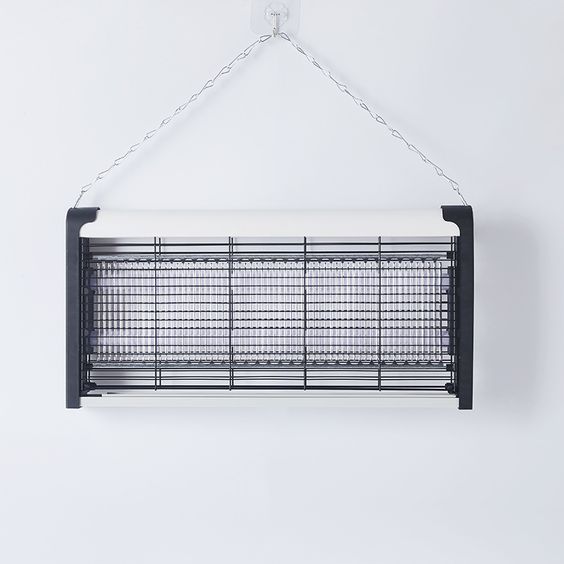
Trend 1: USB Rechargeable Replacing Disposable Battery Models
The full replacement of disposable battery products by USB rechargeable mosquito control equipment is the most prominent trend of mosquito control market trends 2026. Traditional disposable battery mosquito swatters and bug zappers have prominent pain points including high long-term use costs, waste battery pollution and inconvenient power replacement.
In 2026, the global market share of USB rechargeable mosquito control products has exceeded 82%, while disposable battery products have dropped to less than 18% of the market share, and will further decline below 10% in 2027. Emerging markets such as Southeast Asia and Africa have achieved a 25% year-on-year increase in the penetration rate of rechargeable products, while mature European and Middle Eastern markets have basically eliminated disposable battery products from mainstream sales channels.
USB rechargeable products have comprehensive advantages: reusable lithium batteries support 500+ charging cycles with a service life of 2–4 years, greatly reducing user usage costs; universal USB-C interface supports mobile power, car and computer multi-scene charging, suitable for outdoor scenarios; meanwhile, it reduces battery waste, conforms to global carbon reduction policies and is easier to pass international environmental certifications. For importers, fully deploying USB fast-charging products is the basic requirement for adapting to the 2026 market.
Trend 2: Smart Features (Digital Display, Kill Counter) Gaining Traction
Intelligent configuration has become a standard selling point for mid-to-high-end mosquito control products, and is one of the key growth points summarized in bug zapper market analysis. Traditional mechanical products lack data feedback functions, while new products equipped with digital power display and kill counter functions greatly optimize user experience.
The digital display function intuitively shows remaining power to avoid sudden power failure during use; the kill counter records the number of killed flying insects, realizing visible mosquito-killing effects and improving user recognition. Many smart products are also equipped with light sensor automatic induction, which automatically turns on at night and turns off during the day, saving power and adapting to mosquito activity rules.
In the first half of 2026, global sales of smart bug zappers increased by 38% year-on-year, with a 50%+ growth rate in European and Middle Eastern markets. More than 60% of mature market consumers take smart functions as a key purchasing factor. At present, smart configurations have gradually spread from premium products to mid-range products, bringing 30–50% higher gross profit margins than traditional products, effectively helping importers avoid homogeneous price competition.
Trend 3: Eco-Friendly Positioning as Chemical-Free Alternatives
With the upgrading of global health consumption, chemical-free physical mosquito control products have become the mainstream trend, gradually replacing traditional chemical mosquito coils, aerosols and repellents. Chemical products contain pyrethroid ingredients, which may irritate human skin and respiratory tracts, and are harmful to pets and ecological environments, resulting in declining market acceptance year by year.
Eco-friendly bug zappers and electric swatters adopt pure physical high-voltage electric shock and UV trapping principles, with zero chemical addition, zero harmful volatilization and reusable features, meeting the safety needs of families, children and pets. In 2026, eco-friendly chemical-free products have occupied more than 70% of the global market share, supported by strict EU and US environmental protection policies.
Certification qualification has become a necessary threshold for product export. Products with CE, RoHS and FDA certifications have wider market access and higher consumer trust. For importers, prioritizing certified eco-friendly products can effectively reduce customs clearance risks and improve product premium space.
Trend 4: Multi-Function Devices (Swatter + Lamp Combo)
Single-function mosquito control products are gradually eliminated by the market, and swatter + lamp dual-purpose multi-functional devices have become the hottest explosive category in the 2026 peak season. Modern consumers pay attention to product integration and space utilization, and multi-functional products can meet dual needs of mosquito killing and daily auxiliary lighting.
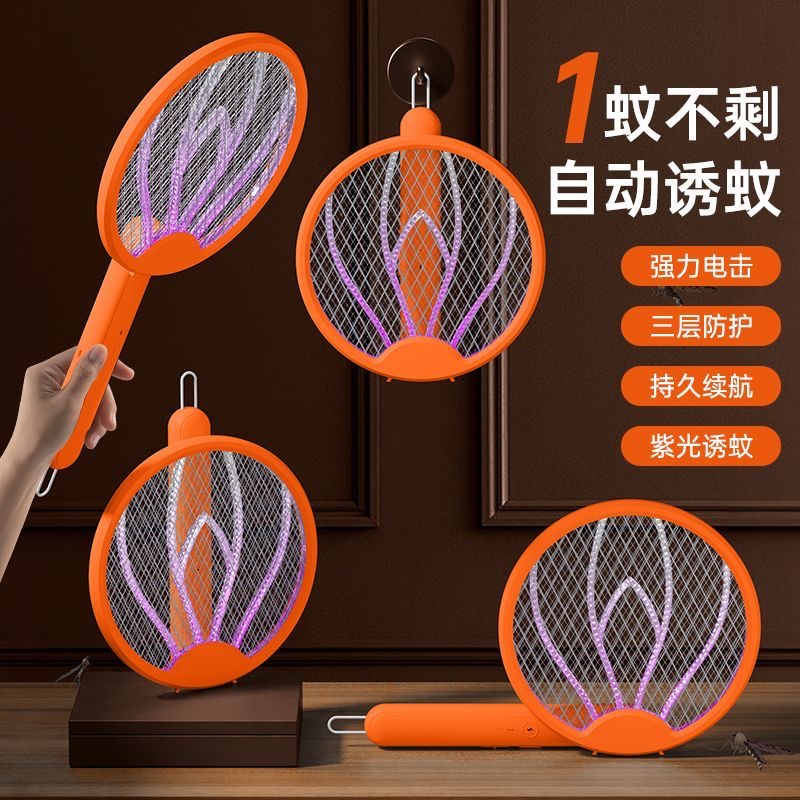
The combo product supports dual modes: manual handheld mosquito swatting for flexible indoor use, and vertical placement automatic mosquito trapping through UV light attraction and high-voltage grid killing, realizing 24-hour uninterrupted mosquito control. The built-in soft night light can be used for bedroom and courtyard night lighting, realizing multi-scene application of one machine.
Market data shows that the global sales volume of multi-functional mosquito control combo products increased by 45% year-on-year in the first half of 2026, accounting for 40% of the total sales of electrical mosquito control products. This type of product has high added value and customer stickiness, and is the core stocking product for importers to increase single-order profit.
What Importers Should Stock for 2026 Peak Season (June–September)
June to September is the global peak sales season for mosquito control products, accounting for more than 65% of annual sales volume. Combined with 2026 market trends and regional demand differences, importers can formulate differentiated stocking strategies to balance sales volume and profit.
For emerging markets (Southeast Asia, Africa, South America), focus on mass and cost-effective products. Stock a large number of basic USB rechargeable mosquito swatters and entry-level combo products to meet rigid market demand and ensure market share. Appropriately increase waterproof and long-battery-life products for outdoor camping scenarios to capture incremental demand.
Formature markets (Europe, Middle East), prioritize mid-to-premium smart eco-friendly products. Focus on stocking certified multi-functional combo devices with digital display and kill counter functions, silent design and home aesthetic appearance. Reduce low-end single-function product inventory to avoid policy and market elimination risks.
In terms of stocking cycle, complete centralized stocking and customs clearance before May every year to avoid out-of-stock in the early peak season; reserve a small amount of flexible inventory in July to cope with unexpected demand growth, and stop large-scale stocking after August to prevent off-season inventory backlog.
Price Range Analysis by Product Tier (Budget, Mid-Range, Premium)
To help importers optimize procurement cost control and product portfolio matching, the 2026 global mosquito control product market is divided into three tiered price ranges, with clear positioning for different regional markets:
1. Budget Tier (Low-End): This tier covers basic disposable-free USB rechargeable single-function mosquito swatters, with no smart configuration and simple appearance. The wholesale unit price ranges from USD 2.5 to USD 5. It is mainly applicable to price-sensitive markets such as Africa and rural areas of Southeast Asia, focusing on large-volume and low-profit sales. It is suitable for importers to support basic market share and matched sales.
2. Mid-Range Tier (Mainstream): This is the best-selling mainstream product in 2026, covering standard swatter + lamp combo devices with basic digital power display functions, flame-retardant safety materials and overcharge protection. The wholesale unit price is between USD 5 and USD 12. It adapts to all regional markets, especially urban markets in Southeast Asia, South America and mass markets in the Middle East. It has balanced profit and sales volume, and should account for 60–70% of importers’ total stocking volume.
3. Premium Tier (High-End): High-value innovative products equipped with full smart functions (kill counter, light induction automatic switch), silent operation, IPX4+ waterproof, EU high-standard certification and exquisite home design. Individual products support solar charging and hanging placement. The wholesale unit price ranges from USD 12 to USD 22. It is mainly sold in European, Middle Eastern and high-end urban markets in Southeast Asia, with high gross profit margin and brand premium, suitable for enriching high-end product lines and improving overall profit level.
Conclusion
The 2026 mosquito control product market is in a critical period of structural upgrading, with USB rechargeable replacement, intelligent configuration popularization, eco-friendly safety and multi-functional integration as the four core development trends. For global importers, abandoning outdated low-end products and formulating tiered procurement strategies based on regional demand differences is the key to seizing peak-season opportunities.
By reasonably matching budget, mid-range and premium products, focusing on deploying hot-selling multi-functional smart eco-friendly equipment, and complying with international environmental certification standards, importers can effectively avoid market risks, optimize profit structure, and maintain long-term competitive advantages in the global mosquito control market.
How to Import Electric Mosquito Swatters from China
OEM vs ODM Mosquito Swatter Manufacturing
Related Article
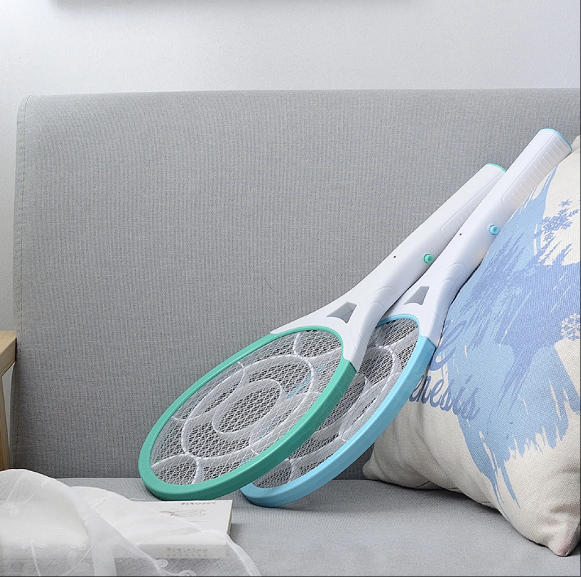
If you’re struggling with annoying mosquitoes, flies, and other flying pests indoors and outdoors, upgrading from traditional manual tools to anElectric Mosquito Swatter is the most efficient solution. Many homeowners and renters search where to buy fly swatter online to find durable, safe, and high-performance electric models that deliver instant pest control.
Where to Buy Fly Swatter
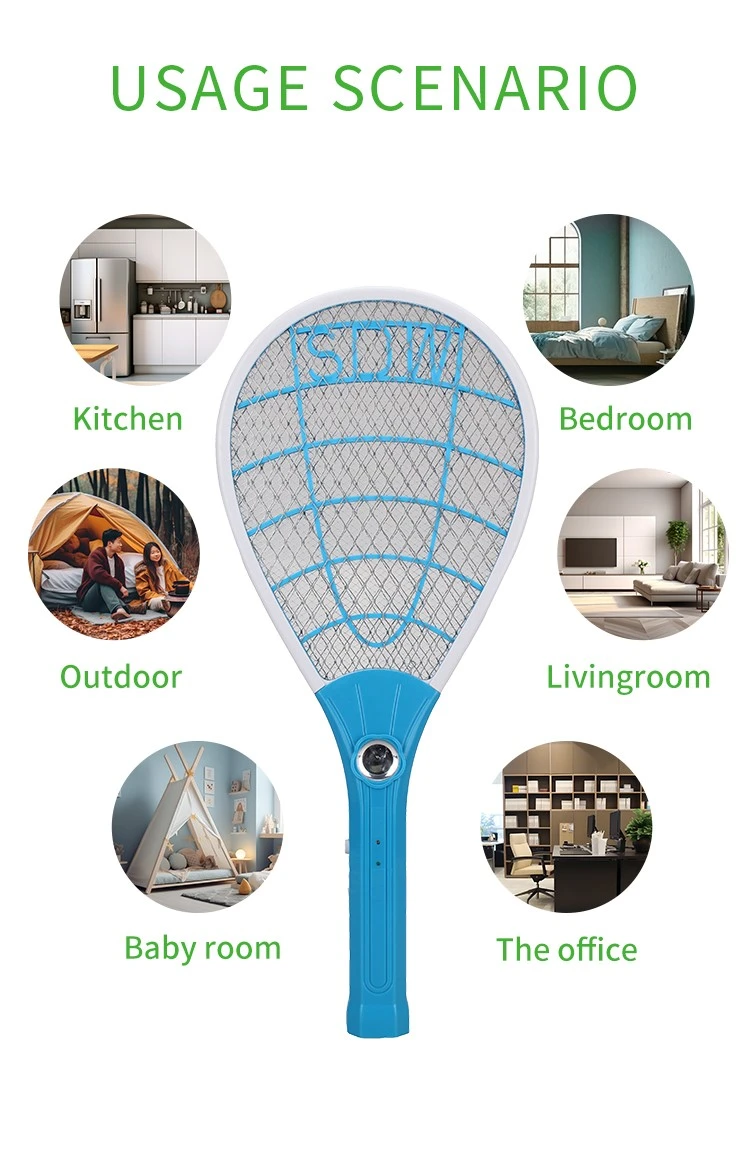
Most importers of electric mosquito swatters obsess over the first order: samples requested, factories vetted, a pre-shipment inspection booked. Then the reorder arrives eight months later and something is off. The grid feels softer. The charge port is a slightly different shade of black. The carton thickness dropped from 350 gsm to 300 gsm. Nothing is catastrophic — but the product no longer matches what your retail customers approved, and quietly, your return rate starts climbing.
How to Keep Mosquito Swatter Quality Consistent Across Repeat Orders
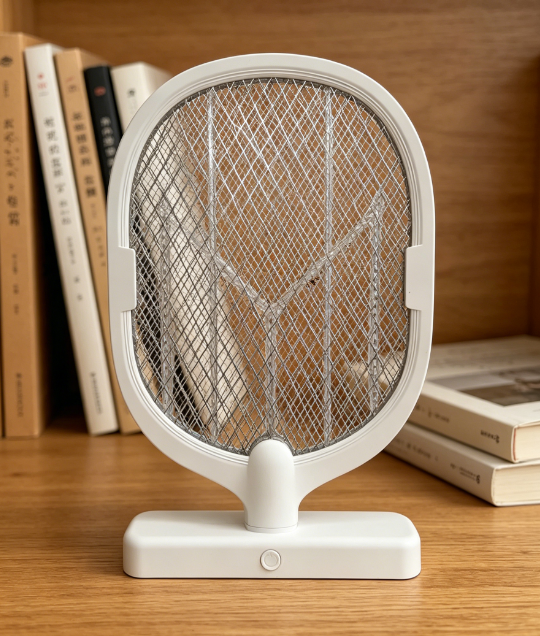
Warranty returns are the silent margin killer in the mosquito control category. A distributor who buys a swatter at $1.80 FOB and retails it at $9.90 can absorb a 1% return rate without noticing — but at 5%, the combined cost of replacement units, reverse logistics, and refund processing erases most of the line's profit.
Common mosquito swatter killer lamp failure modes wholesale spec guide
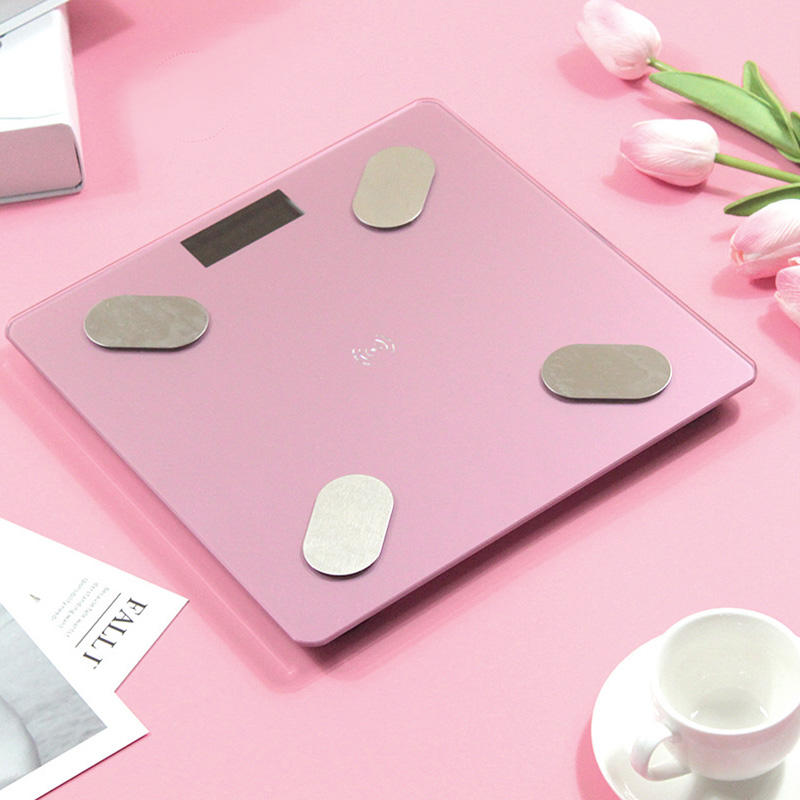
Digital bathroom scales rank as the second-highest-volume consumer weighing product category, only behind kitchen scales, with distinct market and product characteristics that set them apart from other scale types in importers’ product portfolios.
Digital bathroom body fat-bia-scale wholesale buyers guide