
2027 Chinese New Year Production Planning for Mosquito Swatter Importers
2026-09-18
2027 Chinese New Year Production Planning for Mosquito Swatter Importers: Capacity Booking, Shipping Cutoffs & Factory Shutdown Timeline
Ask any seasoned consumer appliance importer who sources from China, and they’ll all tell you the same pain point: Q1 after Chinese New Year is the supply chain’s toughest quarter.
A 30-day production lead time in November can easily blow out to 60 days in March. Material prices spike, ocean freight space evaporates, and retailers end up with empty shelves right as spring weather kicks off mosquito season — exactly when consumer demand starts climbing.
The good news? This annual disruption is entirely predictable, which means it’s entirely avoidable with proper planning.
The 2027 Chinese New Year falls on Saturday, February 6. For buyers sourcing electric mosquito swatters, mosquito killer lamps, and small digital scales, the decisions you make from now until mid-November 2026 will define whether your Q1 2027 stock levels stay stable or turn into a costly stockout crisis.
In this guide, we break down how CNY impacts Chinese factory output, share a backwards-planned 2027 production timeline, and outline the critical shipping and payment cutoffs that trip up unprepared importers every year.
Why Chinese New Year Disrupts Supply More Than Any Other Holiday
CNY is often misunderstood as a simple two-week holiday. In reality, it’s a 6–8 week industry-wide productivity slowdown that dominates manufacturing activity across Guangdong, Zhejiang, and Fujian — China’s core small-home-appliance manufacturing hubs.
The disruption happens in three layered phases that crush output and delay orders:
1. Formal Factory Shutdowns (≈ 2 weeks)
Most factories close one week before Lunar New Year’s Eve and reopen 1–2 weeks after the holiday. For 2027, the official shutdown window runs roughly January 29 – February 15, with minor variations by region and individual manufacturer.
2. Real-World Capacity Loss (4–6 weeks)
Migrant factory workers — the backbone of assembly lines — start leaving 2–3 weeks early to secure travel tickets. Every year, 10–20% of workers do not return to their previous factory, opting to seek new jobs or extend their holiday break.
The result? Pre- and post-holiday production output drops to just 50–70% of normal operating capacity.
3. Upstream Component Delays (2–4 extra weeks)
Finished-goods factories may reopen on schedule, but their upstream suppliers (battery cell manufacturers, LED/UV light module producers, PCB assemblers, packaging printers) restart on staggered timelines. It’s common for a mosquito swatter assembly line to sit idle mid-run, waiting weeks for delayed battery shipments.
Net Impact for Importers
Orders confirmed after mid-December almost never ship before late February or March. Orders locked in by early November ship on a normal December schedule. This narrow window is the entire difference between in-stock inventory and seasonal stockouts.
2027 CNY Production & Shipping Timeline (Backward Planned)
We’ve built this schedule backwards from the January 29–February 15 shutdown window, using standard industry lead times for 5,000–20,000-unit mosquito swatter orders: 25–30 days production + 5–7 days inspection/booking + 1–2 days port cutoff preparation.
|
Order Confirmed By
|
Production Completes
|
Shipment Departs
|
Order Status & Risk Level
|
|---|---|---|---|
|
Sept 30, 2026
|
Mid–late Oct
|
Early–mid Nov
|
Fully comfortable; standard pricing; best ocean vessel rates
|
|
Oct 31, 2026
|
Late Nov
|
Early Dec
|
Safe buffer; ample pre-CNY factory capacity remaining
|
|
Nov 15, 2026
|
Mid Dec
|
Late Dec
|
Last reliable, low-risk window for most importers
|
|
Dec 10, 2026
|
Early Jan
|
Mid Jan (Risky)
|
Must finish before Jan 29; any delay pushes shipment to late Feb
|
|
Dec 20, 2026
|
Mid–late Jan
|
Jan 25–28 (Best Case)
|
Very high risk; most factories decline or apply steep premiums
|
|
Jan 2027
|
After Feb 15
|
Early–mid Mar
|
Post-CNY backlog; lead times extend 10–15 days beyond quoted terms
|
Key Takeaways
1. To guarantee pre-shutdown shipment, confirm your PO and deposit by November 15, 2026.
2. All December orders count as “sprint orders”. Always lock shipment deadlines in your formal contract — never rely on verbal factory estimates — and build extra QC buffer time.
Pre-CNY Price & Cost Trends Every Importer Must Know
Chinese New Year is not just a production delay event — it’s a major pricing event. Three overlapping factors push costs higher from October through December:
1. Q4 Raw Material Inflation
Factories and upstream suppliers stock up on batteries, ABS resin, and copper ahead of the holiday, driving raw material prices higher. Buyers who lock FOB prices in September–October typically save 3–5% compared to January spot quotes.
2. Late-Season Capacity Premiums
December rush orders that require factories to squeeze production before shutdowns incur 5–10% urgency premiums or reduced order quantity commitments.
3. Post-CNY Wage Hikes
Manufacturers raise assembly wages 5–8% after CNY to retain returning workers. These labor cost increases are baked into all new spring pricing, meaning identical-spec March 2027 quotes will always be higher than November 2026 pricing.
Negotiation Pro Tip
Factories prioritize clean, fully spec’d, deposit-secured end-of-year orders to keep staff employed through the pre-holiday lull. Your negotiation leverage peaks in October–November — not in January, when every importer is fighting for limited post-holiday production slots.

Shipping Cutoffs: The Overlooked Cause of CNY Stockouts
Even perfect production scheduling fails without solid freight planning. Two critical shipping pain points surround CNY:
Pre-CNY Space Crunch
All South China exporters rush to ship before factory shutdowns, creating container shortages and peak season surcharges (PSS) in January. Instead of the standard 1–2 week booking window, book vessel space 3–4 weeks early and confirm container yard cutoff dates in writing.
Post-CNY Backlog Delay
Shipments sail with empty capacity after the holiday, but inland trucking and container depots restart slowly. A container packed on February 20 can still wait a full week for a truck or chassis assignment.
Quick Shipping Strategy
For FOB shipments, confirm yard cutoffs with your freight forwarder before finalizing factory completion dates. Many importers switch to CIF terms for pre-CNY orders to consolidate accountability for production timing and vessel space.
Holiday-Aligned Quality Control: Avoid Post-CNY Defect Surprises
Pre-CNY inspection has two hidden risks: third-party QC teams are understaffed from late January to mid-February, and last-minute sprint orders leave zero time for rework if defects are found.
Use this QC schedule to eliminate risk:
-
Mid-production checks (DUPRO): Inspect all December orders at 20–30% completion to catch material or assembly issues early with time to fix them.
-
Final PSI buffer: Schedule pre-shipment inspections 7–10 days before container loading (not 3–4 days) to allow rework time.
-
Formal AQL standards: Build electrical product QC rules into your PO: AQL 1.5 for critical defects, AQL 2.5 for major defects.
September–November 2026 Action Checklist for Importers
With roughly 20 weeks until 2027 CNY, follow this step-by-step timeline to secure your Q1 inventory:
|
Timeline
|
Action Items
|
|---|---|
|
Now – Sept 30
|
Forecast Q1 2027 demand by SKU; audit current sell-through and safety stock; flag priority SKUs that must ship pre-CNY
|
|
Early October
|
Request updated FOB quotes, lock pricing for core products, and obtain written confirmation of factory shutdown dates
|
|
By Oct 31
|
Place main pre-CNY order with deposit; formalize production slots and target ETD in your contract
|
|
By Nov 15
|
Finalize all additional SKU orders; book vessel space; schedule DUPRO and final PSI dates
|
|
Mid Nov – Mid Dec
|
Approve pre-production samples; conduct mid-run QC; finalize artwork and packaging files (packaging vendors also close early)
|
|
By Dec 20
|
Complete all pre-CNY PSI; confirm yard cutoffs and bookings; arrange final payment
|
|
Jan 2027
|
For post-CNY orders only: confirm factory restart dates, queue position, and revised lead times
|
Critical Bonus Tip: Custom Molds & Tooling
If you plan custom handles, private-mold lamp housings, or bespoke packaging for next season, start tooling by November at the latest. Mold shops max out pre-CNY capacity, and delayed tooling will not resume until March — pushing your custom product launch from Q1 to Q2.
Final Rule of Thumb
All inventory you need for early 2027 must be confirmed, deposited, and sample-approved by mid-November 2026. December orders are a bonus buffer, not a reliable core plan.
Working with transparent, long-term manufacturers like Aofengming Electric — which publishes fixed shutdown schedules and honors reserved OEM/wholesale production slots — simplifies your entire pre-CNY planning cycle and eliminates last-minute disruptions.
Planning Sources: Historical Guangdong factory shutdown patterns, carrier 2027 peak season surcharge schedules, standard 25–30 day lead times for mid-volume rechargeable appliance orders. Always confirm exact dates in writing with your factory and forwarder.
digital-scale-accuracy-load-cell-calibration-oiml-ntep-wholesale-guide
Why Does Your Mosquito Killer Lamp Smell Burnt
Related Article

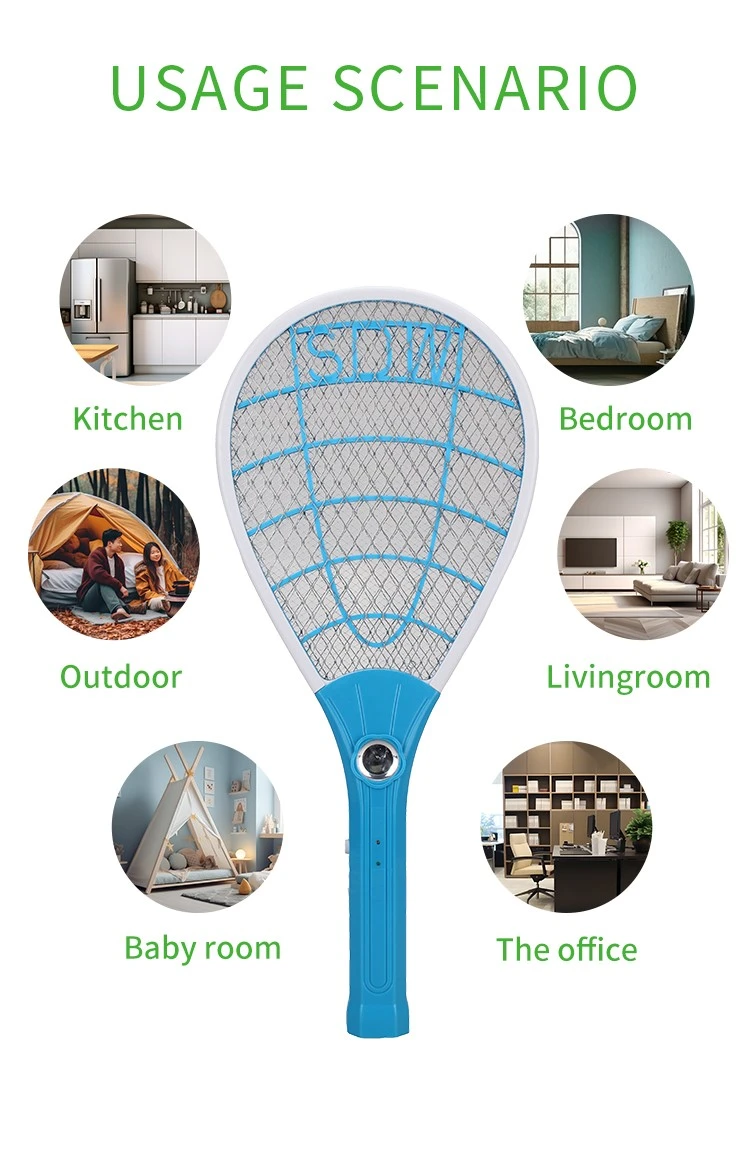
If you’re struggling with annoying mosquitoes, flies, and other flying pests indoors and outdoors, upgrading from traditional manual tools to anElectric Mosquito Swatter is the most efficient solution. Many homeowners and renters search where to buy fly swatter online to find durable, safe, and high-performance electric models that deliver instant pest control.
Where to Buy Fly Swatter
Most importers of electric mosquito swatters obsess over the first order: samples requested, factories vetted, a pre-shipment inspection booked. Then the reorder arrives eight months later and something is off. The grid feels softer. The charge port is a slightly different shade of black. The carton thickness dropped from 350 gsm to 300 gsm. Nothing is catastrophic — but the product no longer matches what your retail customers approved, and quietly, your return rate starts climbing.
How to Keep Mosquito Swatter Quality Consistent Across Repeat Orders

Warranty returns are the silent margin killer in the mosquito control category. A distributor who buys a swatter at $1.80 FOB and retails it at $9.90 can absorb a 1% return rate without noticing — but at 5%, the combined cost of replacement units, reverse logistics, and refund processing erases most of the line's profit.
Common mosquito swatter killer lamp failure modes wholesale spec guide

Digital bathroom scales rank as the second-highest-volume consumer weighing product category, only behind kitchen scales, with distinct market and product characteristics that set them apart from other scale types in importers’ product portfolios.
Digital bathroom body fat-bia-scale wholesale buyers guide