
3 Key Points to Choose an Easy-to-Clean Mosquito Swatter
2026-01-15
No More Headaches with Cleaning! 3 Key Points to Choose an Easy-to-Clean Mosquito Swatter
Anyone who has used a mosquito swatter knows that cleaning the leftover mosquito corpses and dust on the mesh after mosquito killing is simply a "nightmare" — wiping with a tissue easily causes crumbs, rinsing with water fears short circuits, and the stains hidden in the mesh gaps are even harder to remove. In fact, choosing the right mosquito swatter can avoid this trouble, and the core lies in the "easy-to-clean" design. Today, we will break down the key points to help you accurately avoid cleaning pitfalls!
When choosing an easy-to-clean mosquito swatter, there's no need to blindly trust brands. Grasping the following 3 core points is enough, and each directly affects cleaning efficiency and safety.
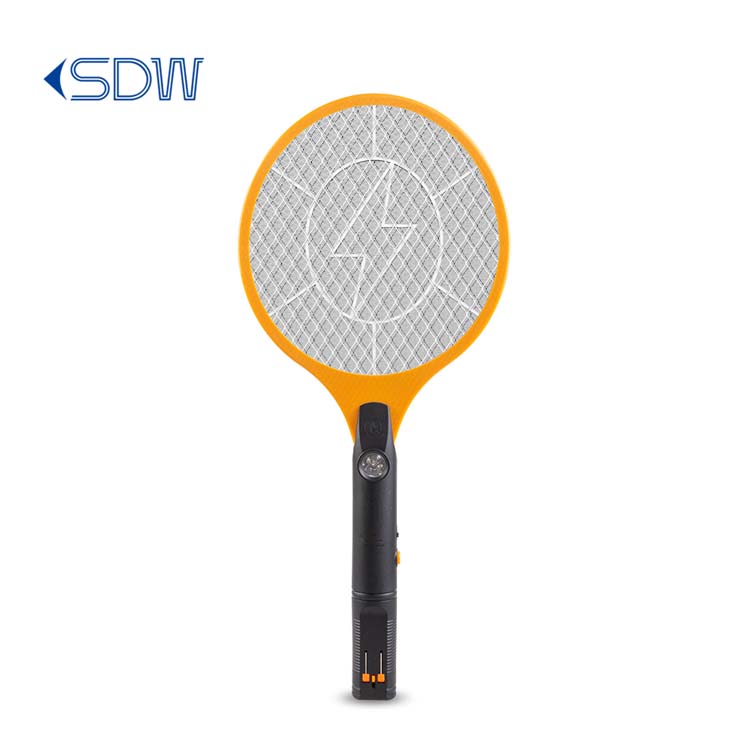
Key Point 1: Detachable Mesh Surface, the Core of Dead-Angle-Free Cleaning
This is the "primary standard" to judge whether a mosquito swatter is easy to clean. The mesh surface and handle of traditional mosquito swatters are fixed together. When cleaning, you can only carefully wipe the surface, and the mosquito debris and dust deep in the mesh can't be reached at all. Over time, bacteria will breed. A mosquito swatter with a detachable mesh surface can perfectly solve this problem.
A high-quality detachable design usually allows you to separate the mesh surface from the handle by simply pressing the buckle or rotating to unlock. After separation, you can directly soak the mesh surface in clean water and gently brush it with a soft brush. The leftover mosquito corpses will fall off, and even the stains in the gaps can be cleaned thoroughly. There are two details to pay attention to here: first, the firmness of the buckle to avoid accidental falling off during cleaning; second, the difficulty of installing the mesh surface. It's best to choose a style that "snaps into place" without struggling to align the interface.
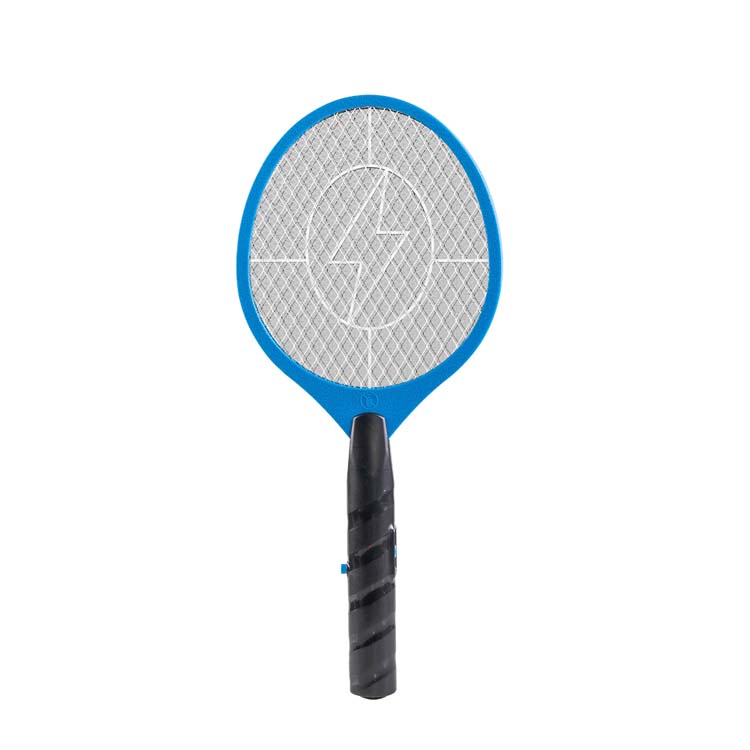
Key Point 2: Up-to-Standard Waterproof Performance, Safe for Water Washing
Many people dare not wash mosquito swatters with water for fear of water ingress, short circuits, and electric shocks. But if the mosquito swatter is marked with a waterproof rating and the core components are waterproof treated, water washing is completely safe, and the cleaning efficiency will be doubled.
When purchasing, pay attention to the parameters: prioritize styles marked with "IPX4 or above waterproof rating". This level can cope with daily flushing and splashing, which is sufficient for cleaning needs. At the same time, confirm the waterproof range — at least the connection between the mesh surface and the handle should be sealed. It's better if the handle also has a basic waterproof design to prevent water from seeping into the internal circuit along the gaps. In addition, styles with "electric shock protection" are more reassuring. Even if you accidentally touch the edge of the energized mesh surface, there will be no risk of electric shock.
A reminder here: before washing with water, turn off the power and unplug the charging cable (for rechargeable models). After cleaning, dry it before assembling and using to avoid short circuits caused by residual moisture.
Key Point 3: Mesh Material and Structure, Reducing Stain Adhesion
In addition to detachability and waterproofing, the material and structure of the mesh surface also affect the difficulty of cleaning. The mesh material of low-quality mosquito swatters is easy to adhere to mosquito juice, which becomes hard after drying and is difficult to wipe off; while high-quality materials can reduce stain adhesion and make cleaning easier.
In terms of materials, prioritize the combination of ABS engineering plastic + stainless steel mesh wire. This material is water-resistant, scratch-resistant, not easy to age, and has a smooth surface, so mosquito residues are not easy to stick to it. In terms of structure, it is recommended to choose a style with a "three-layer mesh surface (outer protective mesh + middle electric mesh)". The outer protective mesh can block foreign objects from touching the electric mesh, and the mesh size should be moderate — too large is easy to let mosquito corpses fall into the inner layer, too small is easy to trap dust. Generally, a mesh size of 1-2mm is the easiest to clean.
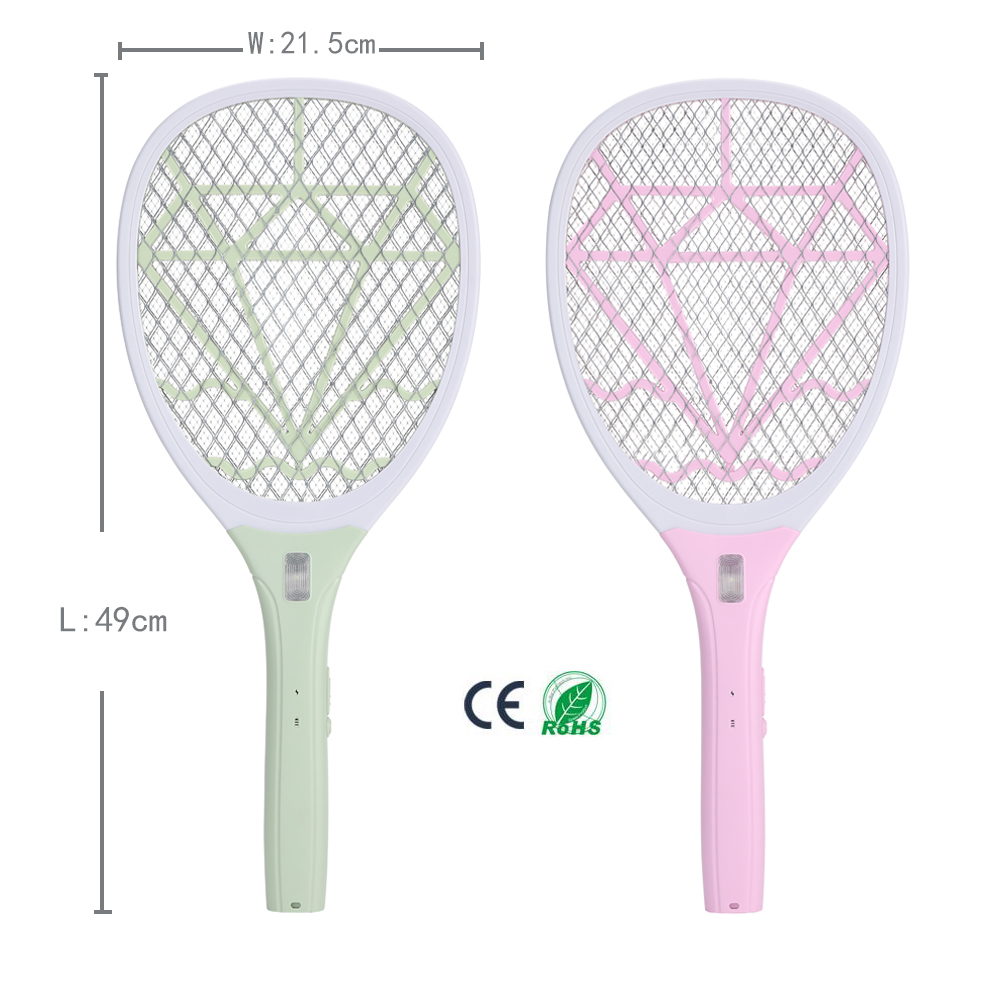
Pitfall Warning: Don't Buy These Styles No Matter How Cheap They Are
After understanding the purchasing points, let's talk about the "cleaning pitfalls" to avoid: first, mosquito swatters with an integrated design of mesh surface and handle. Cleaning can only be done by wiping, and the dead corners can never be cleaned thoroughly; second, styles without any waterproof marks. They are easy to short-circuit after getting wet, and even have potential safety hazards; third, cheap styles with thin mesh materials and uneven meshes. They are not only easy to deform but also particularly easy to stick to stains.
In fact, an easy-to-clean mosquito swatter is not necessarily expensive. As long as you grasp the three core points of "detachable mesh surface, up-to-standard waterproofing, and high-quality mesh material", you can choose a cost-effective style. It's clean and worry-free to use, and you no longer have to worry about cleaning mosquito debris!
5 Mosquito-Repellent Plants for Home
Can Mosquito Killer Lamps Be Shipped by Courier
Related Article

If you’re struggling with annoying mosquitoes, flies, and other flying pests indoors and outdoors, upgrading from traditional manual tools to anElectric Mosquito Swatter is the most efficient solution. Many homeowners and renters search where to buy fly swatter online to find durable, safe, and high-performance electric models that deliver instant pest control.
Where to Buy Fly Swatter
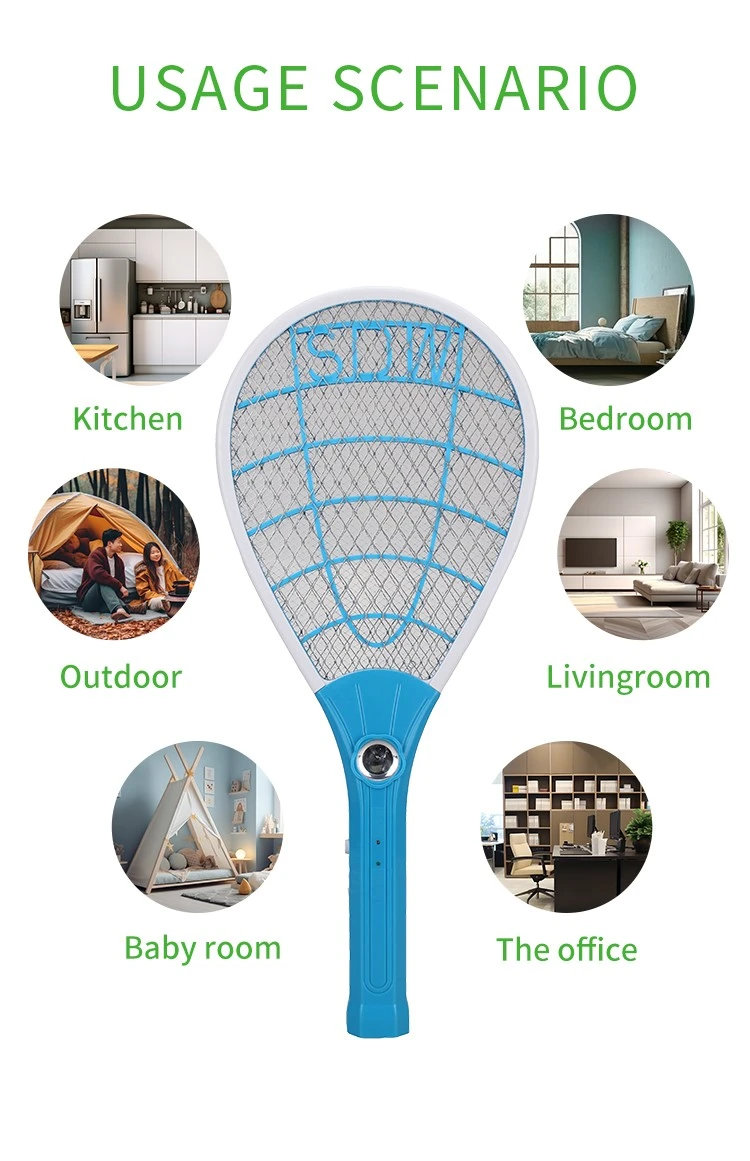
Most importers of electric mosquito swatters obsess over the first order: samples requested, factories vetted, a pre-shipment inspection booked. Then the reorder arrives eight months later and something is off. The grid feels softer. The charge port is a slightly different shade of black. The carton thickness dropped from 350 gsm to 300 gsm. Nothing is catastrophic — but the product no longer matches what your retail customers approved, and quietly, your return rate starts climbing.
How to Keep Mosquito Swatter Quality Consistent Across Repeat Orders
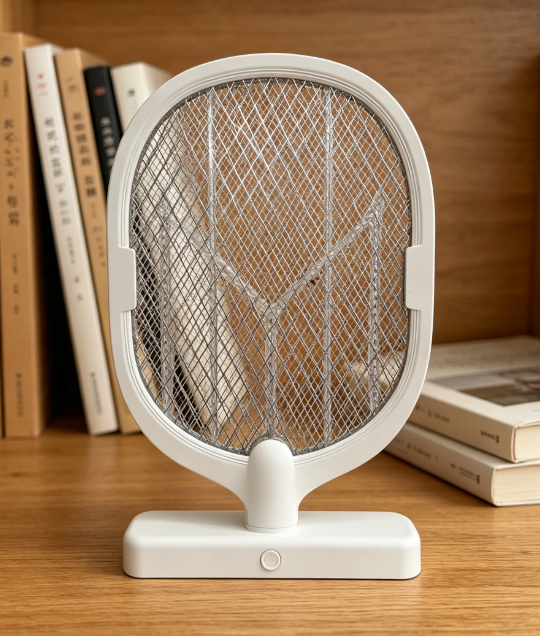
Warranty returns are the silent margin killer in the mosquito control category. A distributor who buys a swatter at $1.80 FOB and retails it at $9.90 can absorb a 1% return rate without noticing — but at 5%, the combined cost of replacement units, reverse logistics, and refund processing erases most of the line's profit.
Common mosquito swatter killer lamp failure modes wholesale spec guide

Digital bathroom scales rank as the second-highest-volume consumer weighing product category, only behind kitchen scales, with distinct market and product characteristics that set them apart from other scale types in importers’ product portfolios.
Digital bathroom body fat-bia-scale wholesale buyers guide