
3 Ways to Boost the Aesthetics of Mosquito Swatters
2025-11-05
Say Goodbye to "Ugly Appliances"! 3 Ways to Boost the Aesthetics of Mosquito Swatters, Balancing Practicality and Beauty
When it comes to mosquito swatters, most people immediately picture the stereotypical design: red-and-black color scheme with a plastic grid. These swatters prioritize function over form, looking like "temporary tools" in the home that clash with interior decor and drag down the overall aesthetic of the space. However, as a frequently used appliance in summer, mosquito swatters can absolutely balance practicality and beauty. Today, we’ll explore how to transform mosquito swatters from "eyesores" to "stylish small accents" in your home, focusing on three core areas: color matching, material upgrading, and design innovation.
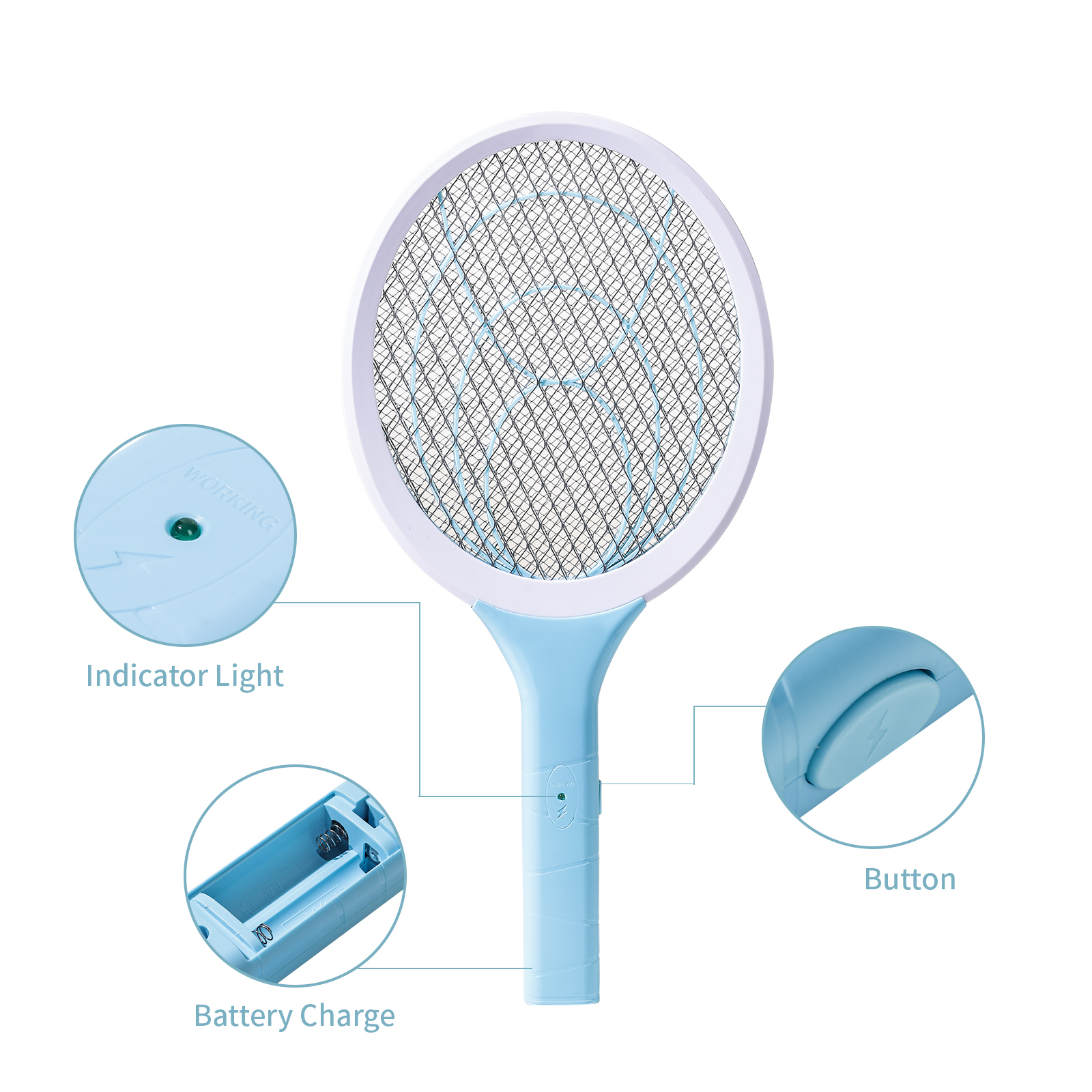
1. Color: Break Free from the "Red-and-Black Rut" and Match Tones to Your Home Style
The traditional red-and-black color scheme of mosquito swatters was originally intended to warn users about "grid safety" through high contrast. However, this one-dimensional color scheme no longer meets modern aesthetic standards. To enhance their visual appeal, the first step is to experiment with colors that allow the swatter to "blend in" with different home styles.
- For Minimalist Styles: Low-Saturation Morandi Tones + Contrast Details
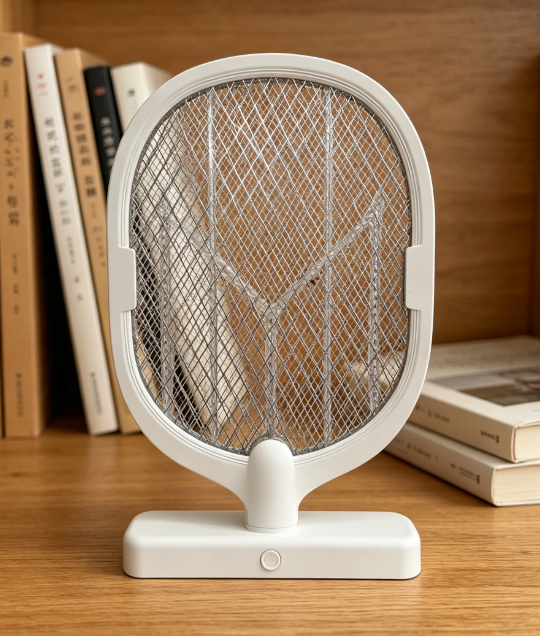
If your home features Nordic or Japanese minimalist decor, opt for low-saturation Morandi colors for the swatter’s main body, such as misty pink, light gray, creamy white, or mint green. These soft tones soften the "tool-like" feel of the appliance, turning it into a "decorative trinket." Add subtle contrast details, like a dark gray grid frame or glossy buttons in a matching hue, to maintain usability while adding visual depth. For example, a creamy white swatter with a light brown handle and silver trim around the grid won’t look out of place even when placed in a living room corner.
- For Retro Styles: Vintage Contrast Colors + Matte Texture
For homes with retro or French-style decor, try a "vintage contrast" palette: a dark green main body with an off-white handle, or a caramel-colored body with a light brown grid frame. Pair these with a matte coating to avoid the cheap, reflective look of plastic. You can even add simple retro patterns (such as small floral or wavy designs) to the handle, giving the swatter a "timeless elegance" that makes it a decorative highlight when hung on a kitchen or balcony hook.
- For Kid-Friendly Styles: Pastel Tones + Cartoon Elements
For families with children, choose pastel colors (baby blue, light yellow, pale purple) and add playful touches to the side or handle of the swatter—like small cloud or bee prints, or a rounded "teddy bear ear" shape for the handle. Such a swatter will not only be less intimidating to kids but also serve as a "hidden decoration" in children’s rooms, reducing the "coldness" of traditional swatters.
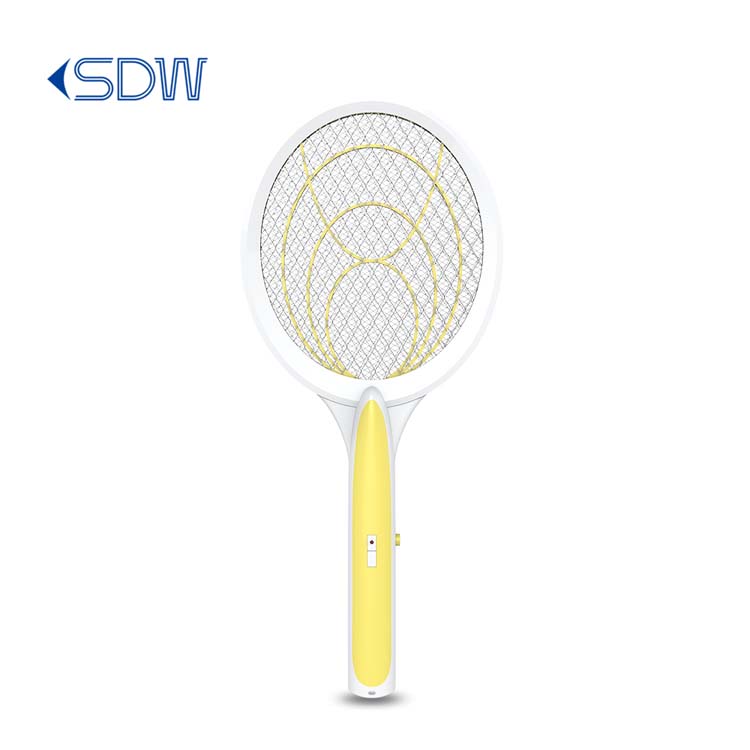
2. Materials: Ditch the "Cheap Plastic Look" and Elevate Quality with Details
Much of the "ugliness" of traditional mosquito swatters stems from shoddy materials: thin, brittle plastic casings, yellowing grids, and loose buttons all detract from their appearance. To boost their premium feel, simplify and upgrade the materials.
- Casing: Replace "Thin, Glossy Plastic" with "Matte + Thick-Walled Material"
Abandon glossy plastic, which easily collects fingerprints and looks cheap, in favor of thick-walled ABS plastic with a matte finish. The matte surface not only feels smooth to the touch but also hides minor scratches and resists yellowing over time. A thick-walled design makes the swatter feel sturdier, avoiding the "flimsy" look of cheap models. For instance, a certain brand’s "misty gray mosquito swatter" uses a 1.2mm-thick matte casing paired with matching matte buttons, creating the visual impression of a "minimalist essential among small appliances."
- Grid: Replace "Exposed Plastic Frames" with "Metal Edging"
The grid is the core component of a mosquito swatter and a key area to enhance its appearance. Traditional swatters often have plastic grid frames, which are prone to breaking and lack quality. Instead, use narrow metal edging (such as aluminum alloy or stainless steel). This not only improves grid stability but also adds a sleek, modern touch through the cool 质感 of metal. For example, a silver thin frame around the grid paired with a creamy white casing instantly gives the swatter a "high-end minimalist appliance" look.
- Handle: Add "Non-Slip Soft Rubber" for Both Comfort and Aesthetics
The handle is the part users touch most, making it crucial for improving quality. Add a ring of non-slip soft rubber to the middle or bottom of the handle, using skin-friendly materials like silicone or TPR. Choose a color that creates a "shade contrast" with the main body (e.g., light gray handle with dark gray rubber). The soft rubber not only enhances grip comfort but also adds "design flair" through material contrast, avoiding the "monotony" of plain handles.
3. Design: Move Beyond the "Long, Straight Slab" and Blend Lines with Functionality for Better Style
The "long, straight slab" design of traditional mosquito swatters is practical but lacks creativity. In fact, adjusting the curve of the lines and integrating storage features can transform a mosquito swatter from a "tool" into a "display-worthy home item."
- Lines: Replace "Sharp Right Angles" with "Smooth Curves"
Reduce the number of "sharp right angles" on the swatter. For example, design the top of the casing with a smooth arc, add a "transition curve" where the handle meets the main body, or use oval buttons instead of square ones. Soft curves make the swatter feel more "approachable." For instance, a "pebble-shaped mosquito swatter" looks like a smooth pebble with no sharp edges—when placed on an entryway cabinet, it could easily be mistaken for a decorative piece.
- Storage: Integrate "Wall-Mount Design" to Make the Swatter "Disappear" on Walls
Many people complain about mosquito swatters being "hard to store." To solve this, incorporate "wall-mount functionality" into the design—for example, add a hanging hole at the bottom of the swatter to pair with a matching minimalist hook, or install a "magnetic patch" on the handle so it can stick to fridges or metal kitchen cabinets. When stored this way, the swatter is no longer a "randomly placed tool" but a "practical decoration on the wall." For example, a white swatter paired with a white magnetic hook looks neat when hung on a kitchen tile wall, saving space without disrupting the wall’s cleanliness.
- Details: Add "Hidden Indicator Lights" to Avoid "Obtrusive Glow"
Traditional mosquito swatters often have "exposed red light bulbs" as indicators, which are harsh and ruin the overall look. Instead, use "hidden indicator lights"—for example, embed the light inside the casing so it emits a soft glow (such as warm white or light blue) only when powered on, or design the indicator as a "ring" around the button. This preserves the functional purpose of the light while blending "tech 感" with "beauty."
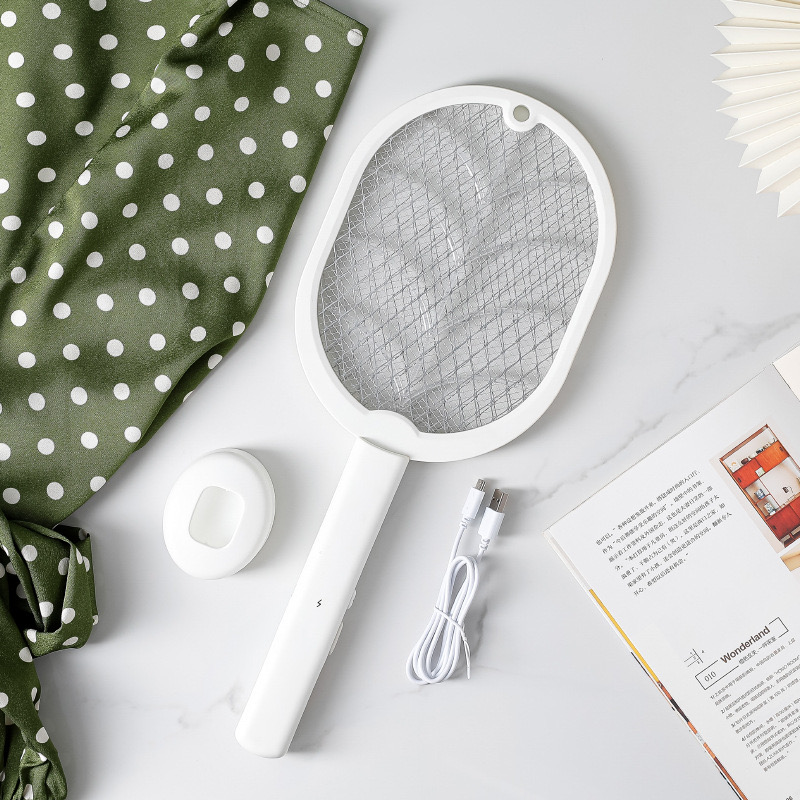
Final Note: Aesthetic Upgrade ≠ Compromised Functionality
Of course, the premise of enhancing a mosquito swatter’s aesthetics is never to "sacrifice practicality." Whether adjusting colors, materials, or design, the focus must remain on "grid power, battery life, and safety protection." For example, metal-edged grids need proper insulation, and the curve of the handle should not affect grip stability. After all, a mosquito swatter that is "both good-looking and useful" can truly be a "plus for the home"—not just a "fancy but useless ornament."
Next time you choose a mosquito swatter, try thinking beyond the "fixed red-and-black style" and select one based on the three dimensions of color, material, and design. You might be surprised to find that a mosquito-killing tool can be this "aesthetically pleasing"!
2025 Guide to High-Risk Areas for Dengue Fever
Flying Insect Killers Troubleshooting
Related Article

If you’re struggling with annoying mosquitoes, flies, and other flying pests indoors and outdoors, upgrading from traditional manual tools to anElectric Mosquito Swatter is the most efficient solution. Many homeowners and renters search where to buy fly swatter online to find durable, safe, and high-performance electric models that deliver instant pest control.
Where to Buy Fly Swatter
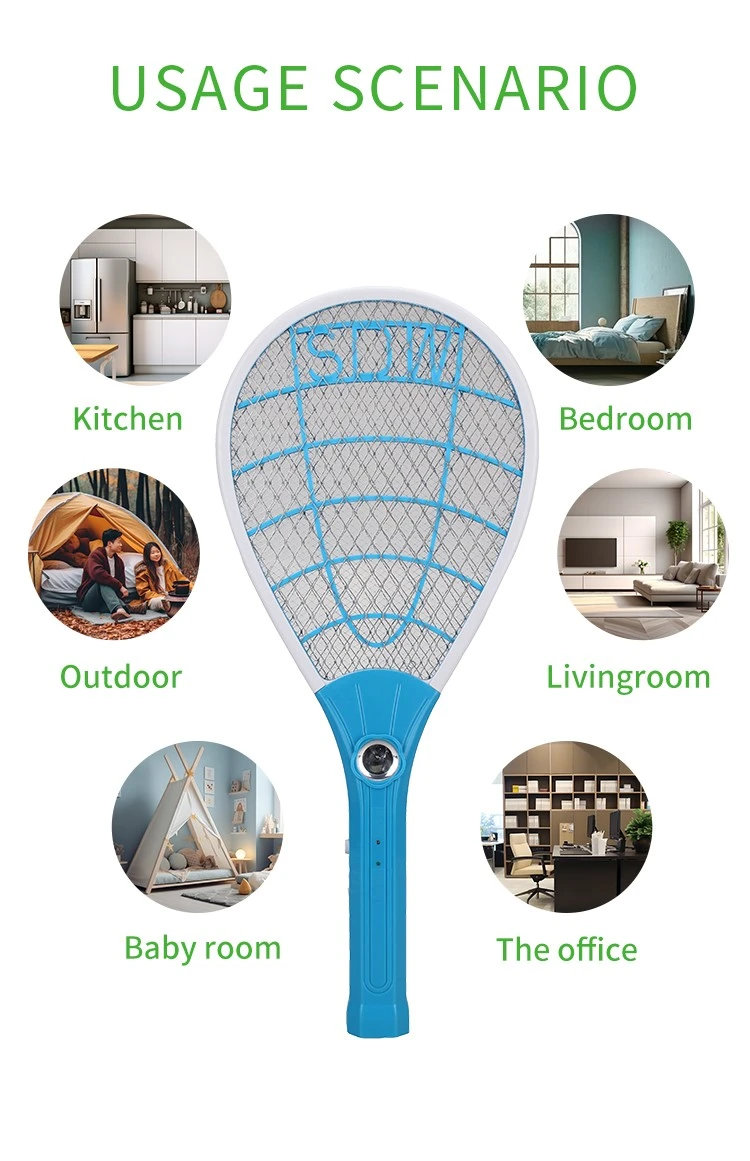
Most importers of electric mosquito swatters obsess over the first order: samples requested, factories vetted, a pre-shipment inspection booked. Then the reorder arrives eight months later and something is off. The grid feels softer. The charge port is a slightly different shade of black. The carton thickness dropped from 350 gsm to 300 gsm. Nothing is catastrophic — but the product no longer matches what your retail customers approved, and quietly, your return rate starts climbing.
How to Keep Mosquito Swatter Quality Consistent Across Repeat Orders
Warranty returns are the silent margin killer in the mosquito control category. A distributor who buys a swatter at $1.80 FOB and retails it at $9.90 can absorb a 1% return rate without noticing — but at 5%, the combined cost of replacement units, reverse logistics, and refund processing erases most of the line's profit.
Common mosquito swatter killer lamp failure modes wholesale spec guide

Digital bathroom scales rank as the second-highest-volume consumer weighing product category, only behind kitchen scales, with distinct market and product characteristics that set them apart from other scale types in importers’ product portfolios.
Digital bathroom body fat-bia-scale wholesale buyers guide