
300mAh Lithium vs. Lead-Acid Batteries
2025-09-11
300mAh Lithium vs. Lead-Acid Batteries: A Complete Guide to Core Differences
In the field of power supply for small electronic devices, batteries with a capacity of 300 milliampere-hours (mAh) are a common choice, among which lithium batteries and lead-acid batteries occupy an important position. Although both can provide electrical energy, they differ significantly in performance, application scenarios, and user experience. Today, we will comprehensively compare these two types of batteries from multiple dimensions to help you figure out which one is more suitable for your needs.
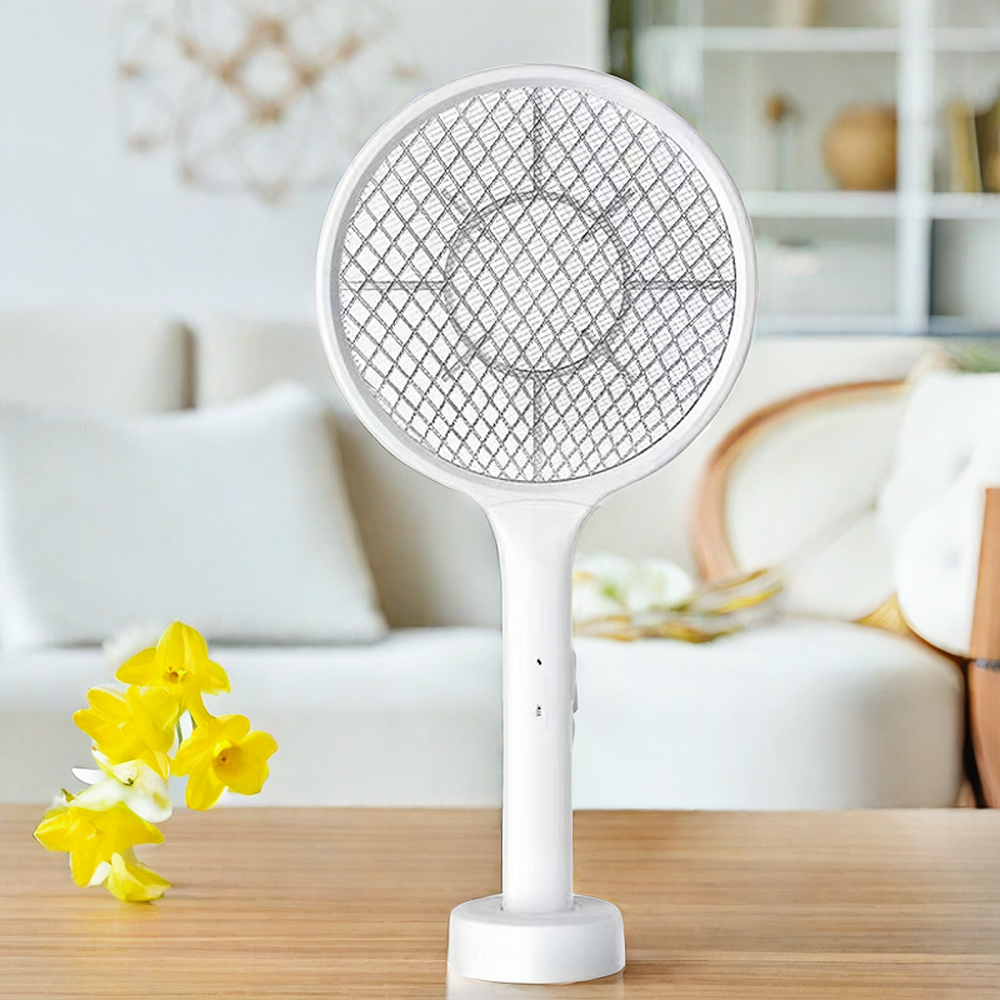
1. Core Parameters: Remarkable Gaps in Size, Weight, and Energy Density
From the perspective of the most intuitive physical properties, the difference between 300mAh lithium batteries and lead-acid batteries is nothing short of dramatic.
- Lithium Batteries: Thanks to advanced electrode materials (such as lithium cobalt oxide and lithium iron phosphate), they boast extremely high energy density. A 300mAh cylindrical lithium battery (a common model like 10440) has a diameter of only 10mm and a length of 44mm, weighing approximately 5-7 grams. It can be easily held in the palm of your hand, making it ideal for devices sensitive to size and weight.
- Lead-Acid Batteries: Due to their core components of lead plates and sulfuric acid electrolyte, their energy density is much lower than that of lithium batteries. Even with a capacity of only 300mAh, a lead-acid battery is roughly the size of a matchbox and weighs 30-50 grams—about 5 to 8 times the weight of a lithium battery with the same capacity. This "bulky" feature makes it difficult to fit into small devices, so it is more often used in scenarios with less strict space requirements.
2. Performance: A Showdown in Charging/Discharging, Lifespan, and Environmental Adaptability
Performance is crucial when choosing a battery. The differences between the two in charging/discharging efficiency, cycle life, and environmental tolerance directly affect the user experience.
- Charging/Discharging Efficiency: Lithium batteries support high-current fast charging. A 300mAh lithium battery can usually be fully charged in 1-2 hours with a compatible charger. Moreover, the voltage remains stable during discharge (for example, the discharge voltage of a 3.7V lithium battery is mostly maintained between 3.2V and 3.7V), providing continuous and stable power for devices. In contrast, lead-acid batteries charge slowly—it takes 3-4 hours to fully charge a 300mAh lead-acid battery. The voltage drops significantly in the later stage of discharge, which may cause insufficient device power.
- Cycle Life: The cycle life of lithium batteries is generally 300-500 times (some high-quality lithium batteries can reach 1000 times). Even with daily charging and discharging, they can be used for 1-2 years. Lead-acid batteries, however, have a cycle life of only 100-200 times. After 6 months to a year of use, their capacity will decrease significantly, requiring frequent replacement.
- Environmental Adaptability: Lithium batteries have a wider temperature tolerance range and can work normally in an environment of -20℃ to 60℃ (the capacity may decrease slightly at low temperatures, but it can be restored when returning to normal temperature). Lead-acid batteries are much "more delicate": their charging and discharging efficiency drops sharply when the temperature is below 0℃, and they may even fail to work normally when the temperature is below -10℃. In addition, they are prone to leakage and corrosion when exposed to a humid environment for a long time.
3. Application Scenarios: Each Has Its Strengths—Choosing the Right One Is Key
Based on the above differences, the application scenarios of the two are clearly divided. Choosing blindly will only lead to a frustrating user experience.
- 300mAh Lithium Batteries: They are more suitable for small, portable electronic devices, such as mini flashlights, Bluetooth trackers, small sensors, and children's toys. These devices usually have strict requirements on size and weight and require frequent charging and discharging. The high energy density and long lifespan of lithium batteries can perfectly meet these needs. Additionally, lithium batteries have no memory effect, and the feature of being chargeable at any time makes them more convenient to use.
- 300mAh Lead-Acid Batteries: Due to their low cost and simple structure, they are mostly used in devices that are not sensitive to size and have low usage frequency, such as some old-fashioned access control remotes and small emergency lights (fixed installation, no need for movement). However, it should be noted that lead-acid batteries have a risk of leakage and cannot be used in precision equipment or products carried close to the body. Moreover, they need to be recycled specially after being discarded; otherwise, they will cause environmental pollution.
4. Conclusion: Choose Based on Needs and Avoid "Pitfalls"
In short, the core differences between 300mAh lithium batteries and lead-acid batteries can be summarized as follows: lithium batteries are "light, fast, long-lasting, and stable," while lead-acid batteries are "heavy, slow, short-lived, and demanding". If your device needs to be portable, used frequently, and you want long-term peace of mind, lithium batteries are undoubtedly the first choice. If the device is fixed-installed, used infrequently, and your budget is limited, lead-acid batteries can be used as a temporary alternative, but you need to be prepared for regular replacement and environmentally friendly recycling.
Finally, a reminder: no matter which type of battery you choose, be sure to select products from regular brands and avoid purchasing low-quality batteries. Low-quality lithium batteries may have risks of swelling and fire, while low-quality lead-acid batteries are prone to leakage and corrosion of equipment. Safety always comes first!
7 things to consider when choosing an insect light trap
A Deep Dive into Electric Mosquito Swatter Packaging
Related Article

If you’re struggling with annoying mosquitoes, flies, and other flying pests indoors and outdoors, upgrading from traditional manual tools to anElectric Mosquito Swatter is the most efficient solution. Many homeowners and renters search where to buy fly swatter online to find durable, safe, and high-performance electric models that deliver instant pest control.
Where to Buy Fly Swatter
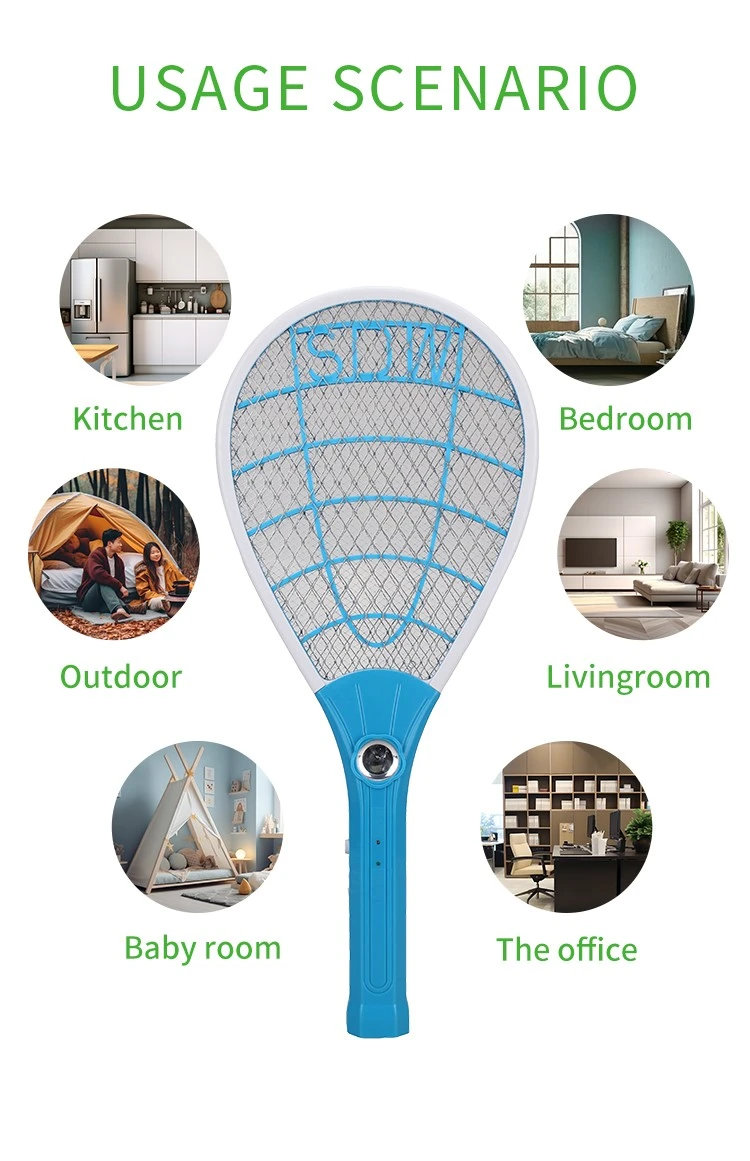
Most importers of electric mosquito swatters obsess over the first order: samples requested, factories vetted, a pre-shipment inspection booked. Then the reorder arrives eight months later and something is off. The grid feels softer. The charge port is a slightly different shade of black. The carton thickness dropped from 350 gsm to 300 gsm. Nothing is catastrophic — but the product no longer matches what your retail customers approved, and quietly, your return rate starts climbing.
How to Keep Mosquito Swatter Quality Consistent Across Repeat Orders
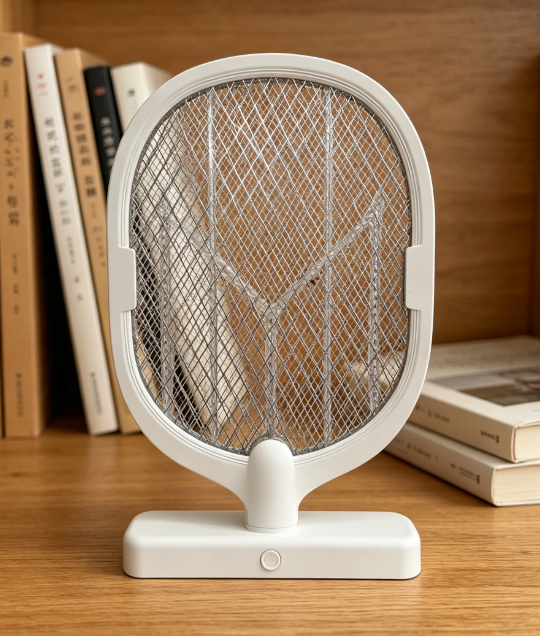
Warranty returns are the silent margin killer in the mosquito control category. A distributor who buys a swatter at $1.80 FOB and retails it at $9.90 can absorb a 1% return rate without noticing — but at 5%, the combined cost of replacement units, reverse logistics, and refund processing erases most of the line's profit.
Common mosquito swatter killer lamp failure modes wholesale spec guide

Digital bathroom scales rank as the second-highest-volume consumer weighing product category, only behind kitchen scales, with distinct market and product characteristics that set them apart from other scale types in importers’ product portfolios.
Digital bathroom body fat-bia-scale wholesale buyers guide