
300mAh vs 500mAh Mosquito Swatter
2026-01-13
300mAh vs 500mAh Mosquito Swatter: How Big Is the Battery Life Difference?
When choosing a mosquito swatter, people inevitably struggle with parameters—especially battery capacity. Is the battery life difference between 300mAh and 500mAh mosquito swatters significant? Will it affect daily use? Today, we'll talk about this issue in detail.
To understand the difference in battery life, we first need to clarify a core logic: under the same other conditions, the battery capacity of a mosquito swatter directly determines the upper limit of its battery life. The "other conditions" here include the discharge power of the mosquito swatter, frequency of use, whether it has a lighting function, etc., all of which will affect the consumption rate of battery power. Let's put aside variables first and analyze simply from the capacity difference between 300mAh and 500mAh.
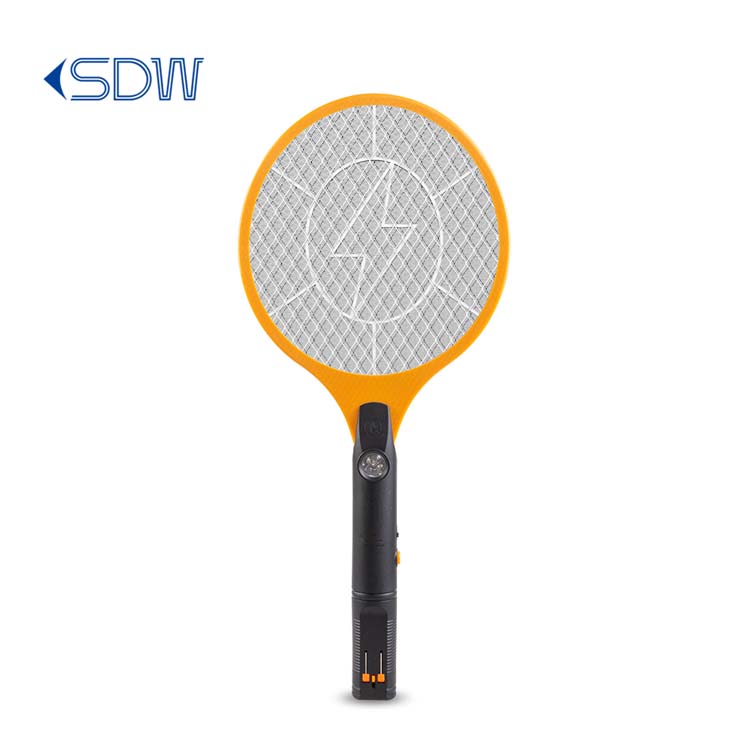
1. How Does Battery Capacity Affect Battery Life?
The battery capacity of a mosquito swatter is measured in milliampere-hours (mAh), which can be simply understood as "how much electricity the battery can store". Just like a water cup for drinking, a 300mAh cup is smaller than a 500mAh one, and the amount of water you can drink when full is naturally less. For a mosquito swatter, at the same power consumption rate, the larger the capacity, the longer it can be used continuously.
Here's an intuitive reference for everyone: the discharge power of ordinary mosquito swatters is mostly between 1-3 watts (the power rises instantaneously when electrocuting mosquitoes, and is lower during standby or low-power use). Assuming the power consumption rate of the two mosquito swatters is exactly the same, the 500mAh battery capacity is 66.7% higher than 300mAh, and the theoretical battery life should also be about 66.7% longer. This difference may seem small, but in daily use scenarios, the feeling will be very obvious.
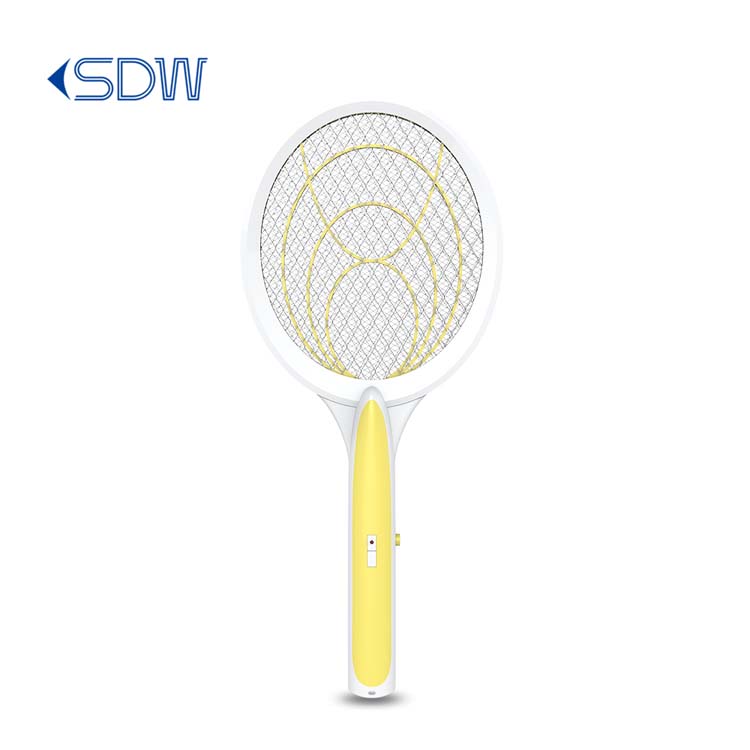
2. Actual Use Comparison: How Much Is the Battery Life Difference Between 300mAh and 500mAh?
Combining most people's usage habits, we make a comparison close to real scenarios:
1. Daily light use (using 5-10 minutes a day, mainly to drive away small flying insects and occasionally electrocute mosquitoes): A 300mAh mosquito swatter can be used for about 15-20 days when fully charged; while a 500mAh mosquito swatter can have a battery life of 25-35 days when fully charged. The gap here is clearly reflected in the "charging frequency"—the 300mAh one may need to be charged once a week, while the 500mAh one can be charged once every two weeks or even three weeks. For people who are forgetful or lazy to charge frequently, the experience is greatly improved.
2. High-frequency use scenarios (using more than 20 minutes a day, such as having many mosquitoes at home that need repeated electrocution, or often using its lighting function): In this case, the gap in battery capacity will be further enlarged. A 300mAh mosquito swatter may run out of power in 5-8 days, and even encounter the embarrassment of "suddenly running out of power halfway"; while a 500mAh mosquito swatter can still be used for 12-18 days. Especially when suddenly disturbed by mosquitoes at night, the experience of "having power" and "having no power" is worlds apart.
It should also be noted that many mosquito swatters are equipped with an LED lighting function. Although this function consumes less power than electrocution, long-term use will also accelerate power consumption. For models with lighting, the battery life gap between 300mAh and 500mAh will be more prominent—for example, if the lighting is turned on for 30 minutes every day, the 300mAh one may run out of power in 3-4 days, while the 500mAh one can last 6-7 days.
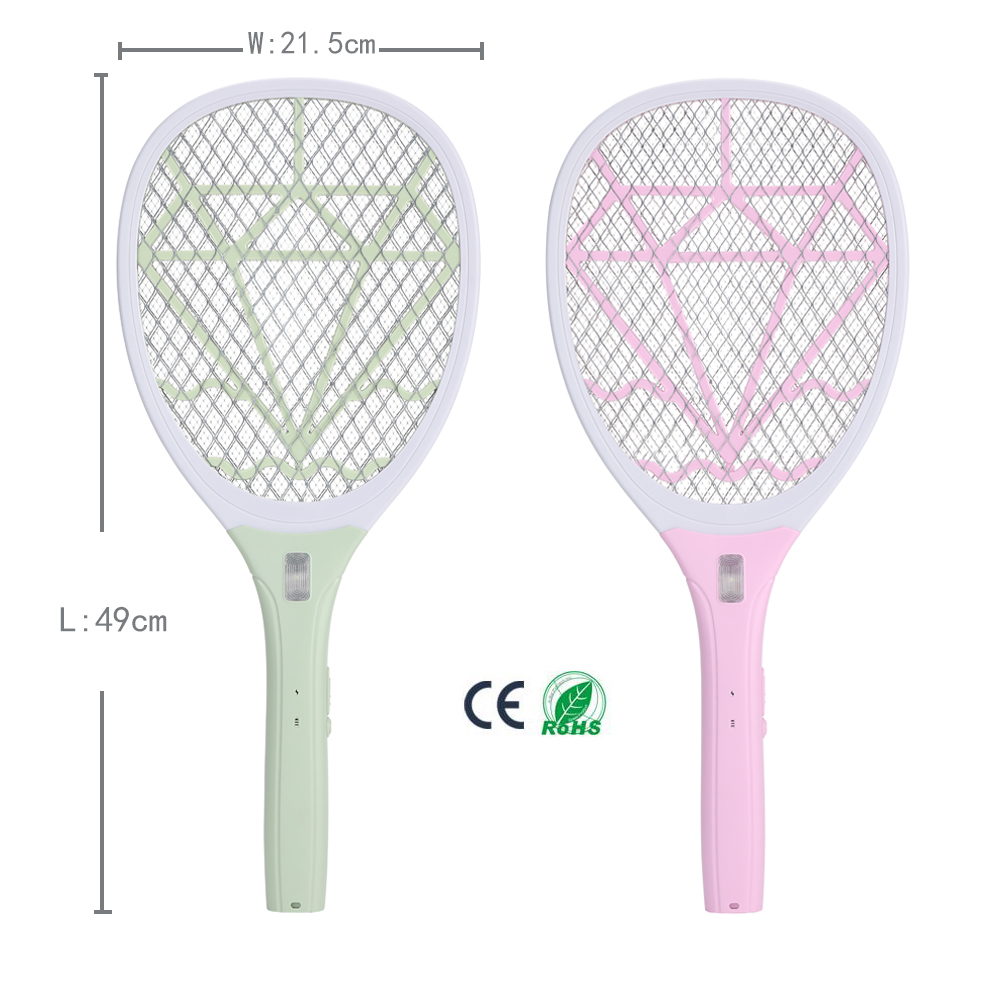
Conclusion: Significant Battery Life Difference, Choose Based on Usage Scenarios
Overall, the battery life difference between 300mAh and 500mAh mosquito swatters is quite significant—especially in high-frequency use scenarios, the gap can be about double. If you live in a rented house with a small space, or only use it occasionally, a 300mAh mosquito swatter can basically meet your needs; but if you have a large house with many mosquitoes, or want to reduce the charging frequency, it is more worry-free to choose a mosquito swatter with 500mAh or more capacity.
Finally, a reminder for everyone: when choosing a mosquito swatter, in addition to looking at the battery capacity, you should also pay attention to the battery type (lithium batteries have more stable battery life and longer service life than nickel-cadmium batteries) and brand reputation to avoid buying inferior products with "falsely marked capacity". After all, only real capacity can bring stable battery life and make mosquito elimination more worry-free~
A Complete Guide to Electric Mosquito Swatter Testing
Choose the Right Mosquito Swatter
Related Article

If you’re struggling with annoying mosquitoes, flies, and other flying pests indoors and outdoors, upgrading from traditional manual tools to anElectric Mosquito Swatter is the most efficient solution. Many homeowners and renters search where to buy fly swatter online to find durable, safe, and high-performance electric models that deliver instant pest control.
Where to Buy Fly Swatter
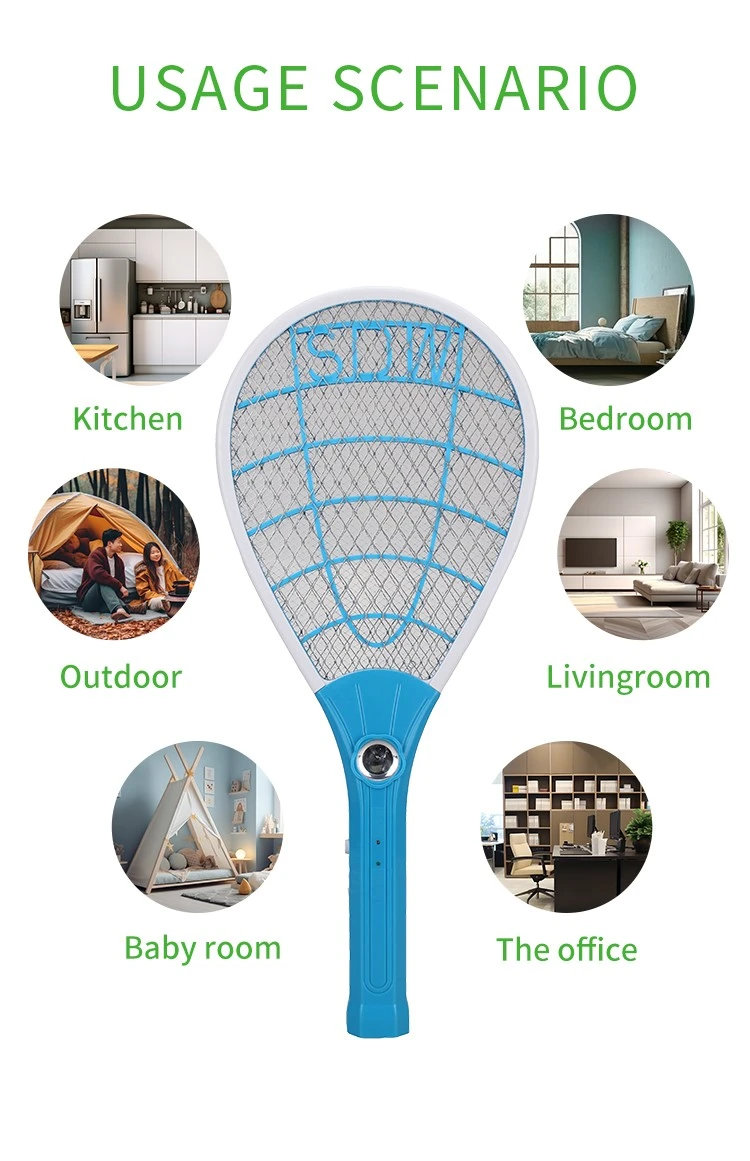
Most importers of electric mosquito swatters obsess over the first order: samples requested, factories vetted, a pre-shipment inspection booked. Then the reorder arrives eight months later and something is off. The grid feels softer. The charge port is a slightly different shade of black. The carton thickness dropped from 350 gsm to 300 gsm. Nothing is catastrophic — but the product no longer matches what your retail customers approved, and quietly, your return rate starts climbing.
How to Keep Mosquito Swatter Quality Consistent Across Repeat Orders
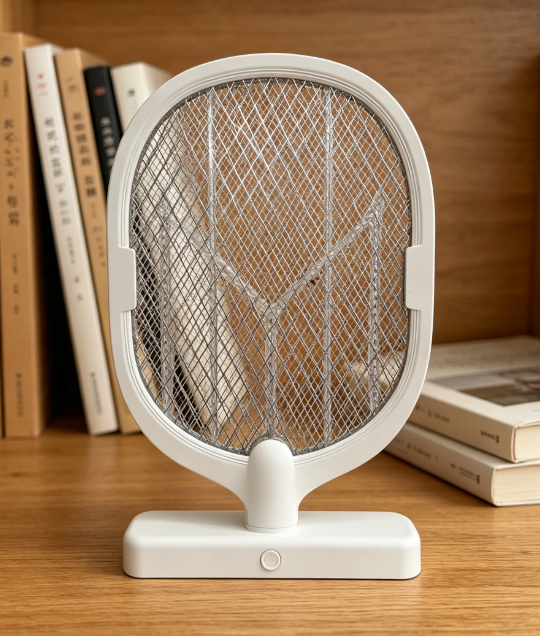
Warranty returns are the silent margin killer in the mosquito control category. A distributor who buys a swatter at $1.80 FOB and retails it at $9.90 can absorb a 1% return rate without noticing — but at 5%, the combined cost of replacement units, reverse logistics, and refund processing erases most of the line's profit.
Common mosquito swatter killer lamp failure modes wholesale spec guide

Digital bathroom scales rank as the second-highest-volume consumer weighing product category, only behind kitchen scales, with distinct market and product characteristics that set them apart from other scale types in importers’ product portfolios.
Digital bathroom body fat-bia-scale wholesale buyers guide