
4 Core Advantages of 18650 Lithium-Ion Batteries
2025-09-03
Choose the Right Battery for Your Mosquito Swatter! 4 Core Advantages of 18650 Lithium-Ion Batteries
As summer arrives, mosquito swatters become a "mosquito-killing essential" in every household. However, many people may not realize that 80% of the user experience of a mosquito swatter depends on its built-in battery. Frequent recharging, loss of power after just six months of use, and even occasional safety hazards—most of these issues stem from choosing the wrong battery. Nowadays, more and more high-quality mosquito swatters are adopting 18650 lithium-ion batteries. Today, let’s explore what makes this type of battery so good and why it can make mosquito swatters "effective and durable".
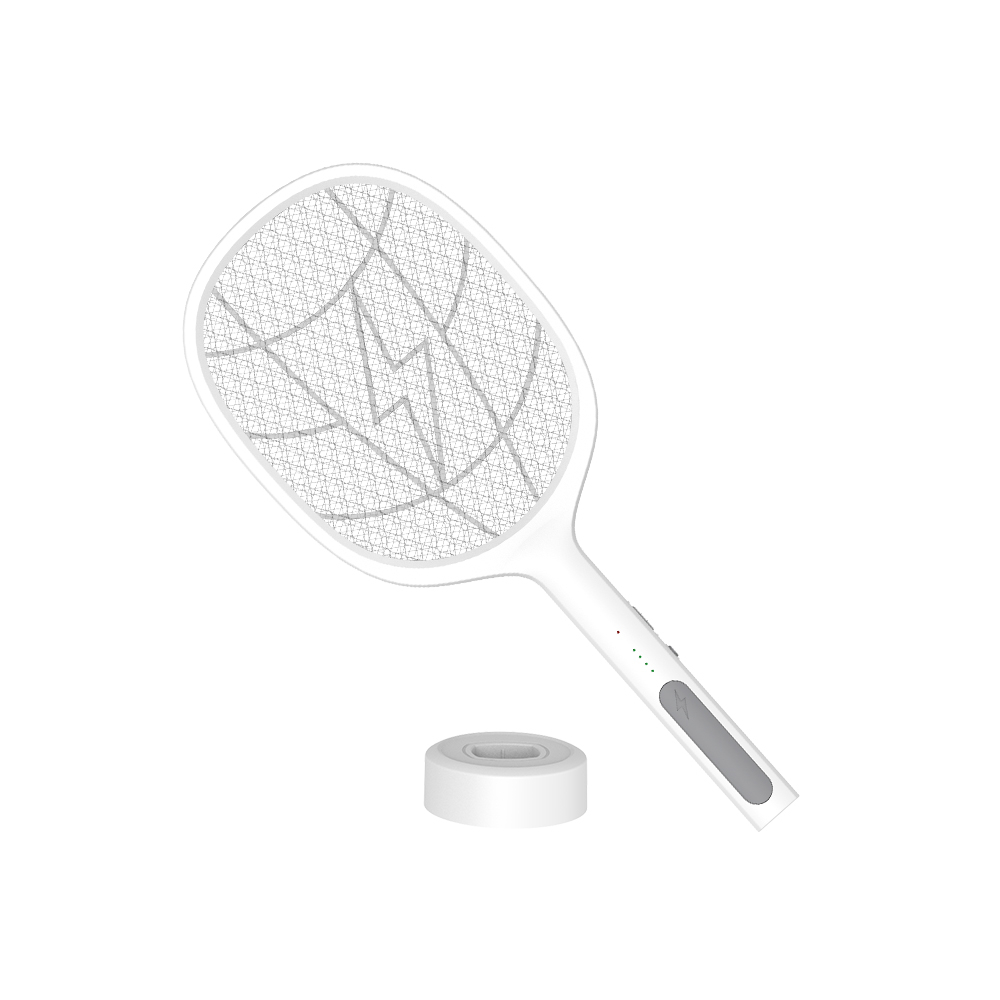
1. Strong Battery Life: Charge Once, Use for Two Weeks—No More Frequent Socket Hunting
For mosquito swatters, "battery life anxiety" is more annoying than mosquitoes themselves. Imagine reaching for your swatter to kill a mosquito, only to find it’s out of power—forcing you to watch the mosquito fly away. One major advantage of 18650 lithium-ion batteries is their high energy density: for the same volume, their capacity is over 30% higher than traditional nickel-cadmium (NiCd) or nickel-metal hydride (NiMH) batteries. Common 18650 batteries have a capacity of 2000mAh to 3000mAh, and when paired with the low-power design of mosquito swatters, a single charge can last 1 to 2 weeks.
Take my home mosquito swatter as an example: it uses a 2600mAh 18650 battery. I use it for 10 minutes every night to kill mosquitoes, and occasionally during the day to clear small insects from wall corners. A single charge lasts 15 days—no more recharging every 3 days like I used to. It’s especially ideal for areas far from power sockets, such as bedrooms and living rooms.
2. Reliable Safety: Overcharge Protection, Temperature Resistance, No "Small Hazards"
Mosquito swatters are small household appliances used close to the body, so battery safety is non-negotiable. 18650 lithium-ion batteries have a natural edge in safety design: those produced by reputable manufacturers come with three built-in protection chips (for overcharge, over-discharge, and short circuits). Even if you accidentally forget to unplug the charger, the battery won’t overheat. Whether left in the scorching sun on a balcony in summer or stored in a cold storage room in winter, the battery’s performance won’t drop significantly—there’s no risk of leakage or swelling either.
In contrast, some low-cost mosquito swatters use low-quality NiMH batteries, which not only leak easily (corroding the circuit board) but also pose safety risks due to overcharging. Choosing an 18650 lithium-ion battery essentially adds an extra layer of peace of mind to your home.
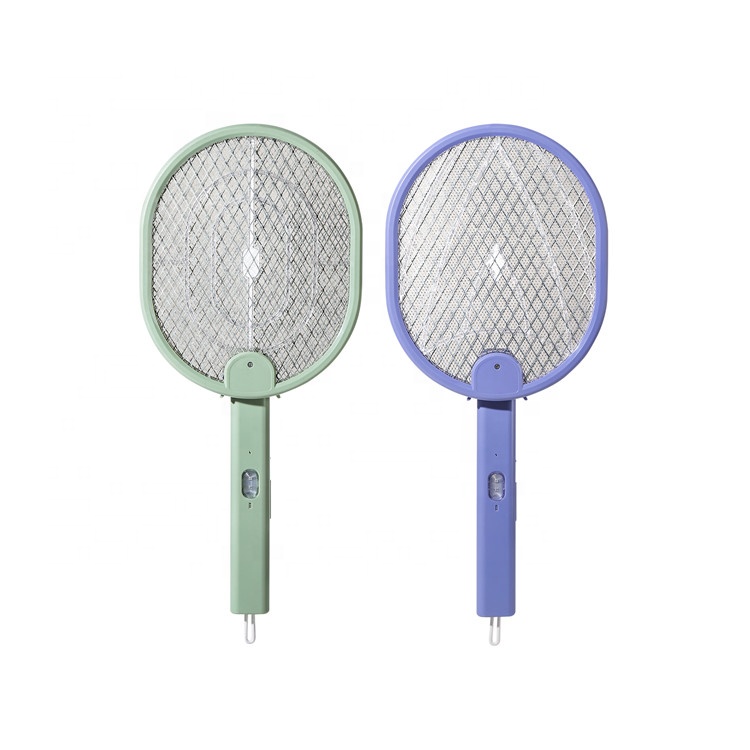
3. Durable & Tough: 500+ Charge Cycles, No Replacement for 3 Years
Many people view mosquito swatters as "disposable items" that need to be replaced after a year because their batteries lose power. But with 18650 lithium-ion batteries, the story is different: their cycle life can exceed 500 times. Even if you charge them every day (which is rarely necessary), they can last 3 to 4 years. Moreover, the battery capacity decays slowly with repeated charging—after 2 years of use, the swatter’s battery life can still retain about 80% of its original capacity. There’s no need to replace the battery frequently, nor to discard the entire swatter—saving money and protecting the environment.
A friend of mine has a mosquito swatter with an 18650 battery; it’s been used for 3 years, and the electric shock strength when killing mosquitoes is still as strong as when it was new. That’s the "long-lasting performance" brought by a good battery.
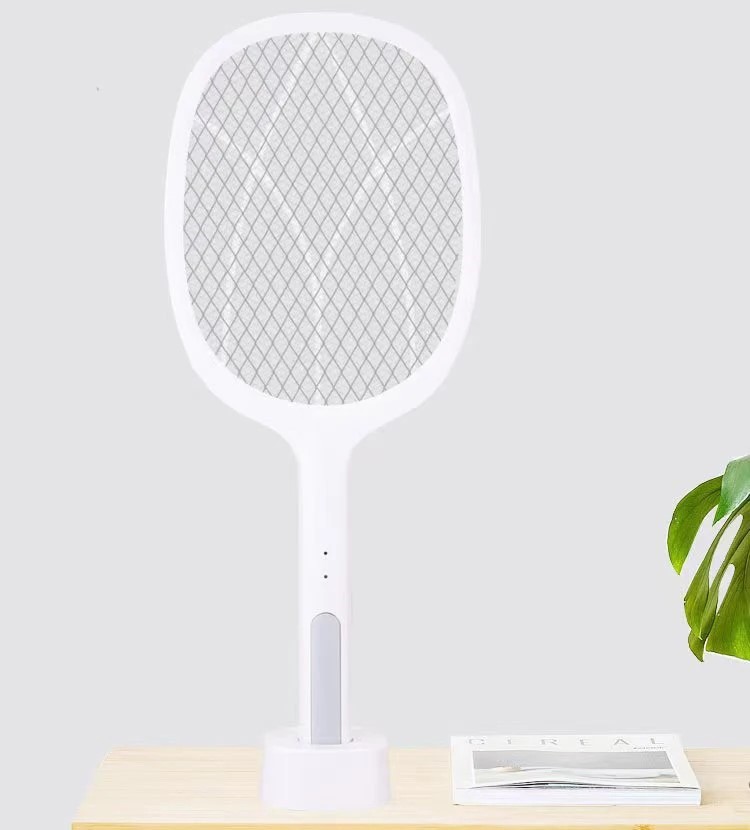
4. High Compatibility: Small Size, Light Weight, More Comfortable to Hold
Mosquito swatters require frequent waving, so a heavy device can easily tire your arm. 18650 lithium-ion batteries are extremely compact (18mm in diameter, 65mm in length—about the size of a AA battery) and lightweight. Using them in mosquito swatters makes the entire device more portable, so even women and the elderly can swing it with one hand without effort.
Additionally, their small size allows designers to create slimmer, more ergonomic mosquito swatters. For example, the popular "foldable mosquito swatters" on the market today can be as thin as a smartphone when folded—all thanks to 18650 lithium-ion batteries. This makes them easy to store in drawers or on bedside tables, taking up minimal space.
A Final Honest Tip: When Choosing a Mosquito Swatter, Check the Battery First
Many people buy mosquito swatters based only on "electric shock power" or "whether it has a light", but overlook the most critical component: the battery. In fact, just remember this: choosing a mosquito swatter with an 18650 lithium-ion battery is basically choosing a product that offers "long battery life, high safety, durability, and portability". You’ll no longer have to worry about frequent recharging, safety hazards, or short service life.
The goal of killing mosquitoes in summer is to enjoy peace of mind. Choosing the right battery ensures your mosquito swatter becomes a "trouble-solver" rather than a "trouble-maker". Next time you buy a mosquito swatter, don’t forget to check the battery specifications first!
How to Installing a Sticky Insect Trap Light
Will You Get Shocked If You Accidentally Touch an Electric Mosquito Swatter
Related Article

If you’re struggling with annoying mosquitoes, flies, and other flying pests indoors and outdoors, upgrading from traditional manual tools to anElectric Mosquito Swatter is the most efficient solution. Many homeowners and renters search where to buy fly swatter online to find durable, safe, and high-performance electric models that deliver instant pest control.
Where to Buy Fly Swatter
Most importers of electric mosquito swatters obsess over the first order: samples requested, factories vetted, a pre-shipment inspection booked. Then the reorder arrives eight months later and something is off. The grid feels softer. The charge port is a slightly different shade of black. The carton thickness dropped from 350 gsm to 300 gsm. Nothing is catastrophic — but the product no longer matches what your retail customers approved, and quietly, your return rate starts climbing.
How to Keep Mosquito Swatter Quality Consistent Across Repeat Orders
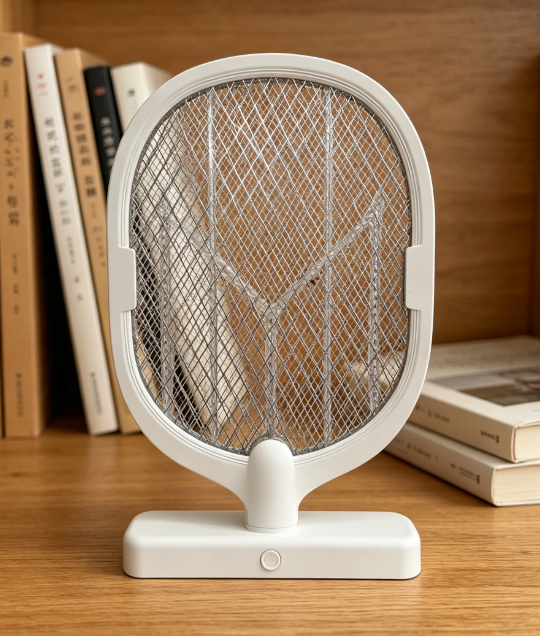
Warranty returns are the silent margin killer in the mosquito control category. A distributor who buys a swatter at $1.80 FOB and retails it at $9.90 can absorb a 1% return rate without noticing — but at 5%, the combined cost of replacement units, reverse logistics, and refund processing erases most of the line's profit.
Common mosquito swatter killer lamp failure modes wholesale spec guide

Digital bathroom scales rank as the second-highest-volume consumer weighing product category, only behind kitchen scales, with distinct market and product characteristics that set them apart from other scale types in importers’ product portfolios.
Digital bathroom body fat-bia-scale wholesale buyers guide