
5 Mosquito-Repellent Plants for Home
2026-01-16
5 Mosquito-Repellent Plants for Home: Natural Pest Control & Home Decoration
Compared with chemical mosquito repellents, placing a few pots of natural mosquito-repellent plants at home can not only effectively drive away mosquitoes but also purify the air and decorate the space, balancing health and aesthetics. Today, we recommend 5 mosquito-repellent plants suitable for home cultivation, which even beginners can easily take care of.
1. Peppermint: A Powerful Mosquito Repellent, Refreshing and Practical
Peppermint is a recognized "star plant" for repelling mosquitoes at home. The menthol it contains emits an odor that mosquitoes dislike, delivering immediate mosquito-repellent effects. With its bright green leaves and fresh fragrance, placing it by the windows of the living room or bedroom can repel mosquitoes and refresh the indoor air.
Care Tips: Peppermint loves sunlight and moisture. Ensure it gets 4-6 hours of light daily, keep the soil moist but not waterlogged. Regular pruning of branches and leaves promotes branching, making the mosquito-repellent effect last longer. In addition, fresh peppermint leaves can be picked for making tea or mixing drinks, offering great practicality.
2. Lavender: Repel Mosquitoes and Calm the Mind
Lavender’s purple flower spikes are highly ornamental. Its unique aroma not only repels mosquitoes but also soothes the nerves and improves sleep quality, making it perfect for the bedroom. Its mosquito-repellent principle lies in releasing substances such as linalool, which have a strong repellent effect on mosquitoes. The mild fragrance is non-irritating, suitable for the elderly and children.
Care Tips: Lavender thrives in dry, sunny environments, tolerating drought but not waterlogging. Choose well-drained sandy soil and water it following the "water when the soil is dry to the touch" principle to avoid root rot. Prune withered flowers in time after flowering to extend its growth cycle.
3. Rosemary: The "Mosquito-Repellent Guard" in Herbs
Rosemary is a herbal plant that combines mosquito-repellent and seasoning functions. The special aroma emitted by its leaves interferes with mosquitoes’ sense of smell, keeping them at bay. With its upright plant shape and evergreen leaves, it can be a highlight of home decoration whether placed in a pot or hung on the balcony.
Care Tips: Rosemary is drought-tolerant and not demanding on soil. Place it in a well-lit area and avoid overwatering, as this can easily cause root rot. You can pick leaves to add to dishes and teas in daily life, which is natural, healthy, and achieves "multiple uses in one."
4. Mosquito Plant (Citronella Geranium): Born for Repelling Mosquitoes
The mosquito plant, formerly known as citronella geranium, is a cultivated variety specifically for repelling mosquitoes. The aroma released by its leaves has a strong repellent effect on mosquitoes and lasts for a long time, making it suitable for placing on balconies or at the door of bathrooms where mosquitoes are more common. Its leaves are palmately divided, and the small, bright flowers also have high ornamental value.
Care Tips: The mosquito plant prefers warm, sunny environments with an optimal growth temperature of 15-25℃. Keep the soil loose and fertile, water it only when the soil is dry, and spray water on the leaves regularly to enhance the fragrance.
5. Mugwort: A Traditional Mosquito-Repellent Plant with Health Benefits
Mugwort has a long history of repelling mosquitoes in China. The volatile oil it contains can effectively repel mosquitoes and has certain antibacterial and bactericidal effects. With its grayish-green leaves and spreading plant shape, placing it at home can not only repel mosquitoes but also create a natural and simple atmosphere. Dried mugwort can also be used for foot soaks and incense, offering excellent health benefits.
Care Tips: Mugwort has strong adaptability, tolerating shade and drought, and has no strict requirements on soil. No excessive care is needed in daily maintenance; just ensure good ventilation. Prune branches and leaves regularly to prevent the plant from becoming too dense.
Tips for Placing Mosquito-Repellent Plants at Home
1. Placement: Prioritize placing them at mosquito entry points such as doors, windows, and balconies, as well as frequently used areas like bedrooms and living rooms, to form a "mosquito-repellent barrier";
2. Combination Matching: Placing multiple types of mosquito-repellent plants together can enhance the repellent effect and enrich the home landscape;
3. Notes: Some plants (such as mosquito plants and lavender) have a strong fragrance and should not be placed in excess—1-2 pots are sufficient. If there are pets or infants at home, confirm the plants are non-toxic to prevent accidental ingestion.
Replacing chemical mosquito repellents with natural mosquito-repellent plants can not only protect your family’s health but also add vitality and beauty to your home. Why not choose a few favorite mosquito-repellent plants according to your home environment?
Mosquito Prevention Guide for Travel
3 Key Points to Choose an Easy-to-Clean Mosquito Swatter
Related Article

If you’re struggling with annoying mosquitoes, flies, and other flying pests indoors and outdoors, upgrading from traditional manual tools to anElectric Mosquito Swatter is the most efficient solution. Many homeowners and renters search where to buy fly swatter online to find durable, safe, and high-performance electric models that deliver instant pest control.
Where to Buy Fly Swatter
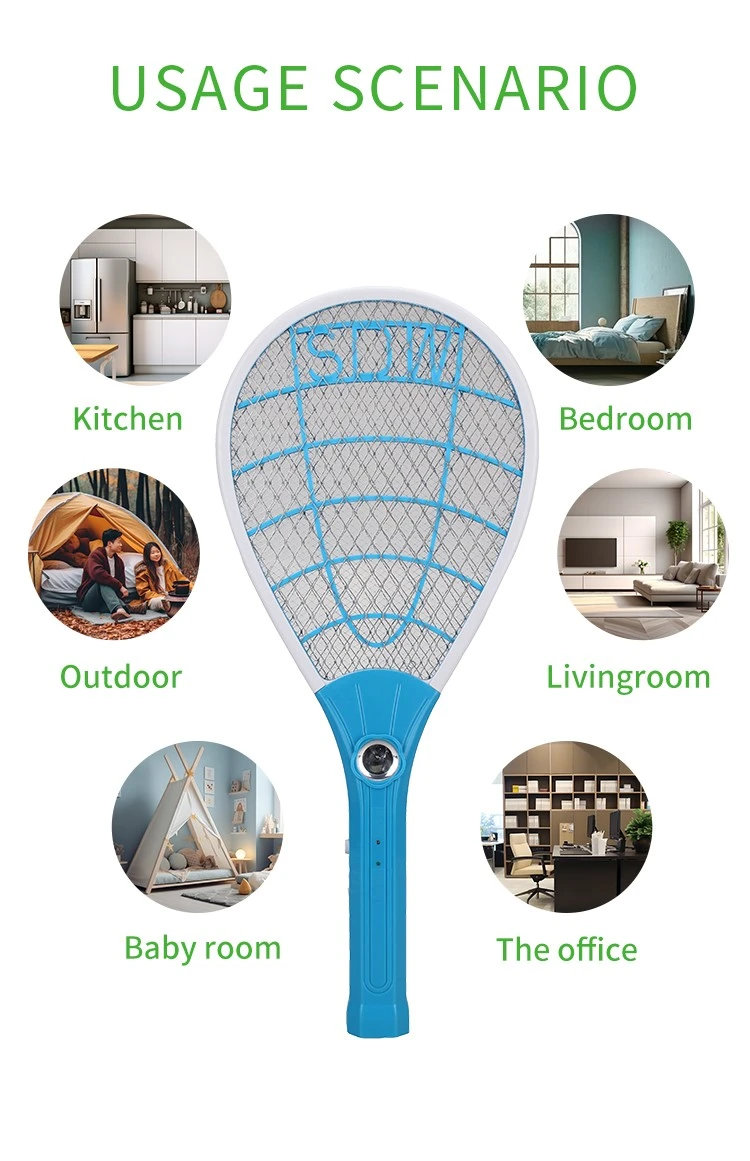
Most importers of electric mosquito swatters obsess over the first order: samples requested, factories vetted, a pre-shipment inspection booked. Then the reorder arrives eight months later and something is off. The grid feels softer. The charge port is a slightly different shade of black. The carton thickness dropped from 350 gsm to 300 gsm. Nothing is catastrophic — but the product no longer matches what your retail customers approved, and quietly, your return rate starts climbing.
How to Keep Mosquito Swatter Quality Consistent Across Repeat Orders
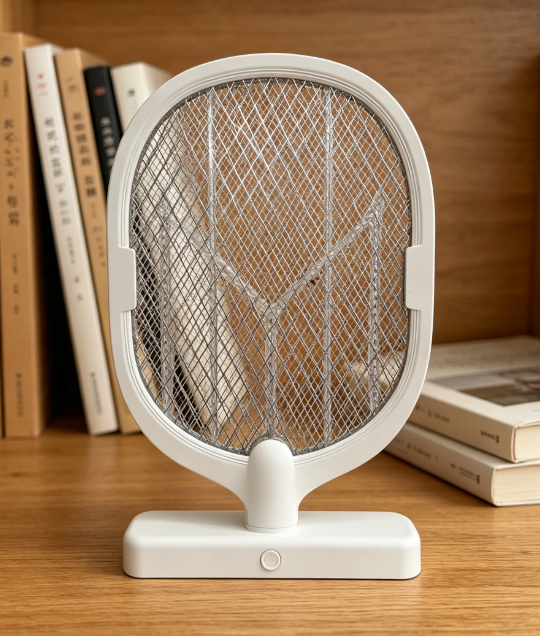
Warranty returns are the silent margin killer in the mosquito control category. A distributor who buys a swatter at $1.80 FOB and retails it at $9.90 can absorb a 1% return rate without noticing — but at 5%, the combined cost of replacement units, reverse logistics, and refund processing erases most of the line's profit.
Common mosquito swatter killer lamp failure modes wholesale spec guide

Digital bathroom scales rank as the second-highest-volume consumer weighing product category, only behind kitchen scales, with distinct market and product characteristics that set them apart from other scale types in importers’ product portfolios.
Digital bathroom body fat-bia-scale wholesale buyers guide