
5 Mosquito-Repellent Plants Suitable for Indoor Cultivation
2025-09-29
5 Mosquito-Repellent Plants Suitable for Indoor Cultivation: Easily Create a Mosquito-Free Small Space
If you want to repel mosquitoes gently, growing a few pots of "natural mosquito-repellent plants" at home is an excellent choice. These plants not only emit scents that mosquitoes dislike but also decorate your home. Crucially, they are easy to care for, making them perfect even for beginners. Today, I will recommend 5 mosquito-repellent plants suitable for indoor growing—let’s see which one fits your home!
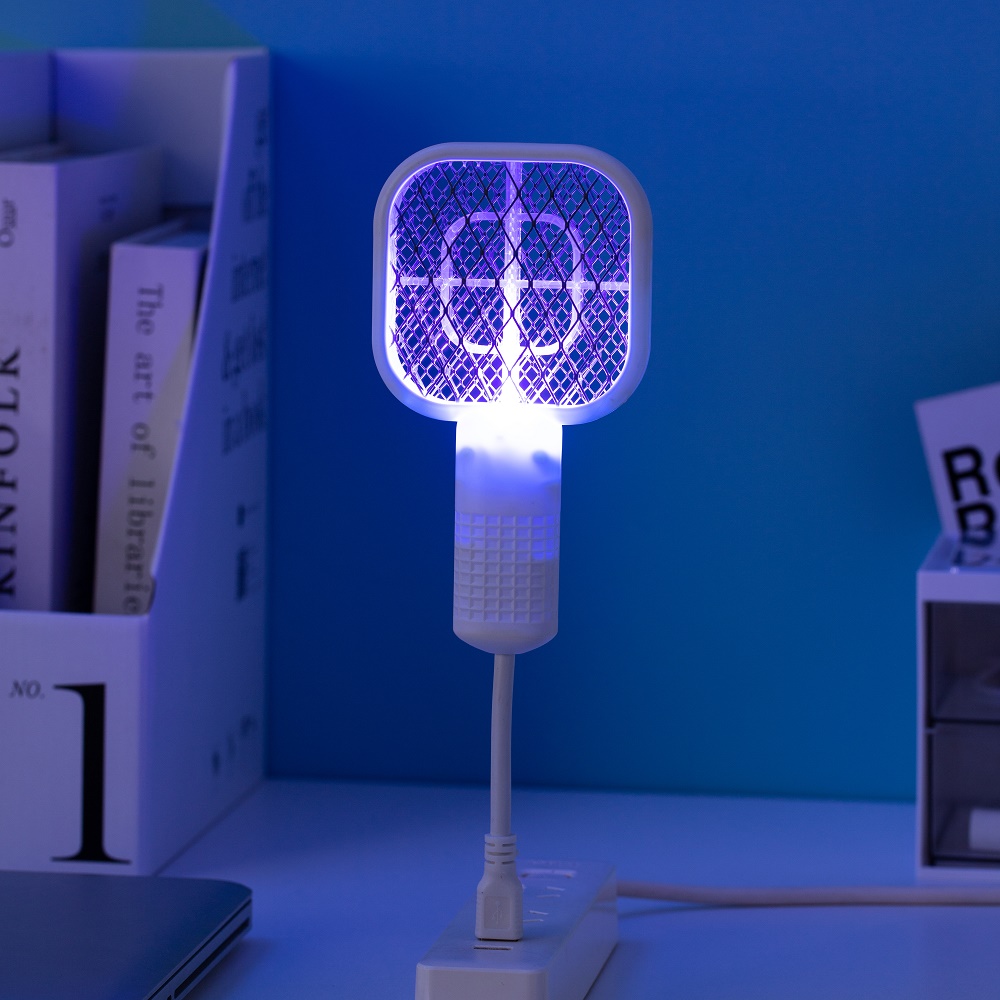
1. Mint: The "Beginner-Friendly Mosquito-Repellent Plant" That’s Easy to Grow and Practical
When it comes to mosquito-repellent plants, mint is definitely the "best value for money." Its leaves contain menthol, peppermint oil, and other components, and these scents are "natural enemies" of mosquitoes. Just gently rub the leaves, and they will release a fresh aroma that not only refreshes your mind but also keeps mosquitoes far away.
Caring for mint is even easier: it loves plenty of sunlight, so place it in a well-lit area like a balcony or windowsill, and let it get 3-4 hours of sun every day—this will make its leaves thicker. Water it frequently to keep the soil moist but not waterlogged; lack of water can easily cause the leaves to turn yellow. Mint grows quickly, and you can even trim off some branches and leaves occasionally to make mint tea—it’s a win-win!
Placement suggestion: You can put it on the bedroom windowsill or next to the living room coffee table, near areas where people are active, to make the mosquito-repellent effect more direct.
2. Mosquito Plant (Citronella Geranium): A Lazy Person’s Choice with Built-In "Mosquito-Repellent Traits"
The mosquito plant, also known as citronella geranium, is a specially cultivated mosquito-repellent variety. Its leaves continuously release citronellal—the core ingredient in many natural mosquito-repellent products. Mosquitoes will actively avoid this scent, and its light lemon fragrance won’t irritate people’s noses.
What people love most about it is its "hardiness": it doesn’t need much sunlight, so placing it in a well-lit (but not direct sunlight) area like the living room or study is fine; strong direct sunlight can even burn its leaves. You don’t need to water it too often—wait until the surface of the soil is dry before watering to avoid root rot. As long as the temperature doesn’t drop below 5℃ in winter, it can survive safely, making it especially suitable for office workers who don’t have much time to take care of plants.
3. Pitcher Plant: An Interesting Plant That "Actively Catches Mosquitoes"
If you want to grow something unique, the pitcher plant is definitely your first choice. The tips of its leaves grow into trap-like structures that look like "small pitchers." These pitchers secrete sweet nectar to attract mosquitoes and small flying insects. Once the insects crawl in, they get trapped by the sticky fluid inside and are eventually digested slowly. It’s like having a "natural mosquito trap" at home.
However, there are two things to note when caring for it: first, pitcher plants love a high-humidity environment. During dry seasons, you can often spray water around the leaves or place the plant next to a fish tank. Second, they can’t tolerate direct sunlight, so they are suitable for places with soft light, such as the corner of the living room or the bathroom (as long as there’s enough light). Additionally, it’s important to note that the mosquito-catching ability of pitcher plants is limited—you can’t rely on them entirely. Combining them with other mosquito-repellent methods will yield better results.
4. Lavender: A Herb That Combines "Beauty and Mosquito-Repellent Function"
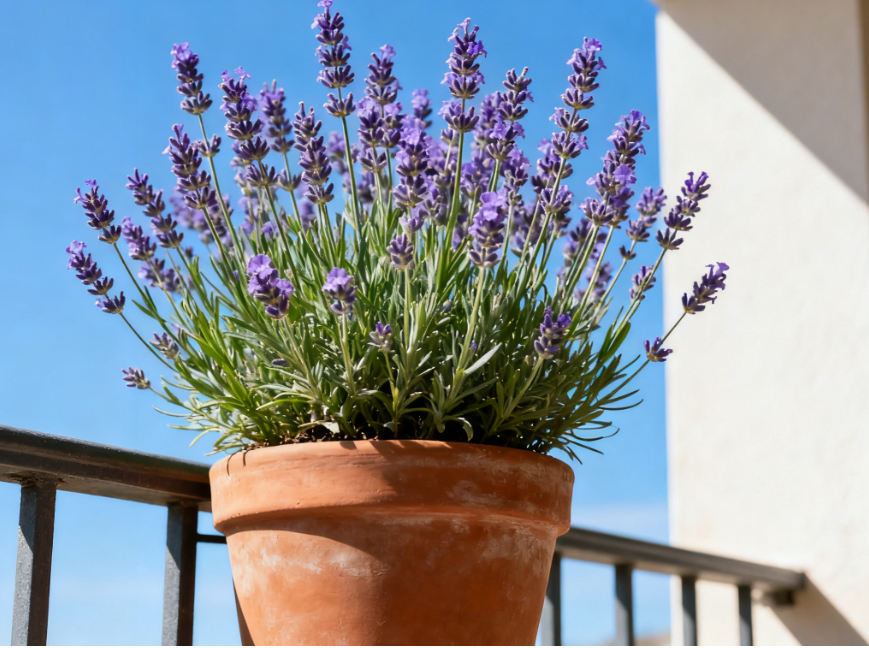
Lavender not only looks romantic when it blooms but also has an excellent mosquito-repellent effect. It contains linalool, linalyl acetate, and other components, and these scents can repel mosquitoes. Moreover, dried lavender flower buds can be put into small cloth bags and placed in wardrobes or beside the bed to repel insects and aid sleep—it’s a multi-purpose plant.
When caring for lavender, you need to pay attention to "controlling water": it likes dry soil, and too much water can easily cause root rot. Generally, you should water it only after the soil is completely dry. It needs plenty of sunlight—at least 4 hours of sun every day—to promote blooming and make its scent stronger. When the temperature drops below 0℃ in winter, move it indoors to keep it warm and prevent frost damage.
Placement suggestion: You can place it on the balcony or windowsill. When it blooms, it can beautify the environment, and its scent can spread indoors to play a mosquito-repellent role.
5. Mugwort: A Traditional Mosquito-Repellent Plant Suitable for Chinese-Style Homes
Mugwort is a traditional mosquito-repellent plant in China—hanging mugwort during the Dragon Boat Festival is a tradition to repel insects and ward off evil. Its leaves contain volatile essential oils with a unique scent that mosquitoes dislike. Furthermore, mugwort can be used as a medicinal herb: drying its leaves and boiling them in water for a bath can relieve the itching caused by mosquito bites, making it especially suitable for families with the elderly and children.
Caring for mugwort is very simple: it has low requirements for the environment. Just find a flower pot, place it in a well-lit area, and water it only when the soil is dry—then it will grow lushly. You can trim some leaves regularly, dry them, and store them. In summer, you can take them out and burn them (note safety and avoid fires) or place them in the corners of the room—both ways can achieve a mosquito-repellent effect. Besides, mugwort grows quickly, and the trimmed branches and leaves can even be used for foot soaks—it’s practical and healthy.
Tips for Growing Mosquito-Repellent Plants at Home
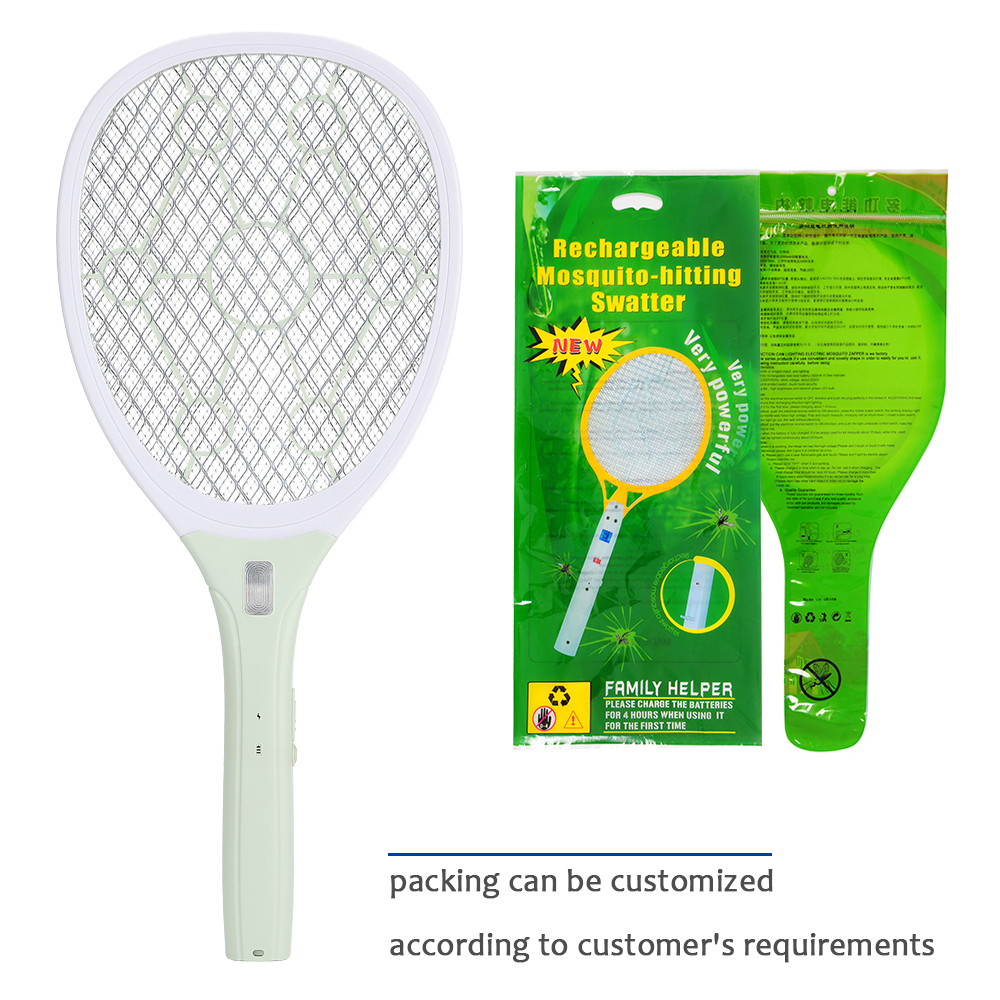
Portable Electric Mosquito Swatter with USB Port Light for Summer Camping Eco-Friendly & Silverfish Pest Control
I hope the 5 mosquito-repellent plants recommended today can help you deal with mosquito troubles easily, allowing your home to be filled with a natural atmosphere while helping you spend the summer peacefully!
Customize Electric Mosquito Swatters
What is Environmental Tin
Related Article

If you’re struggling with annoying mosquitoes, flies, and other flying pests indoors and outdoors, upgrading from traditional manual tools to anElectric Mosquito Swatter is the most efficient solution. Many homeowners and renters search where to buy fly swatter online to find durable, safe, and high-performance electric models that deliver instant pest control.
Where to Buy Fly Swatter
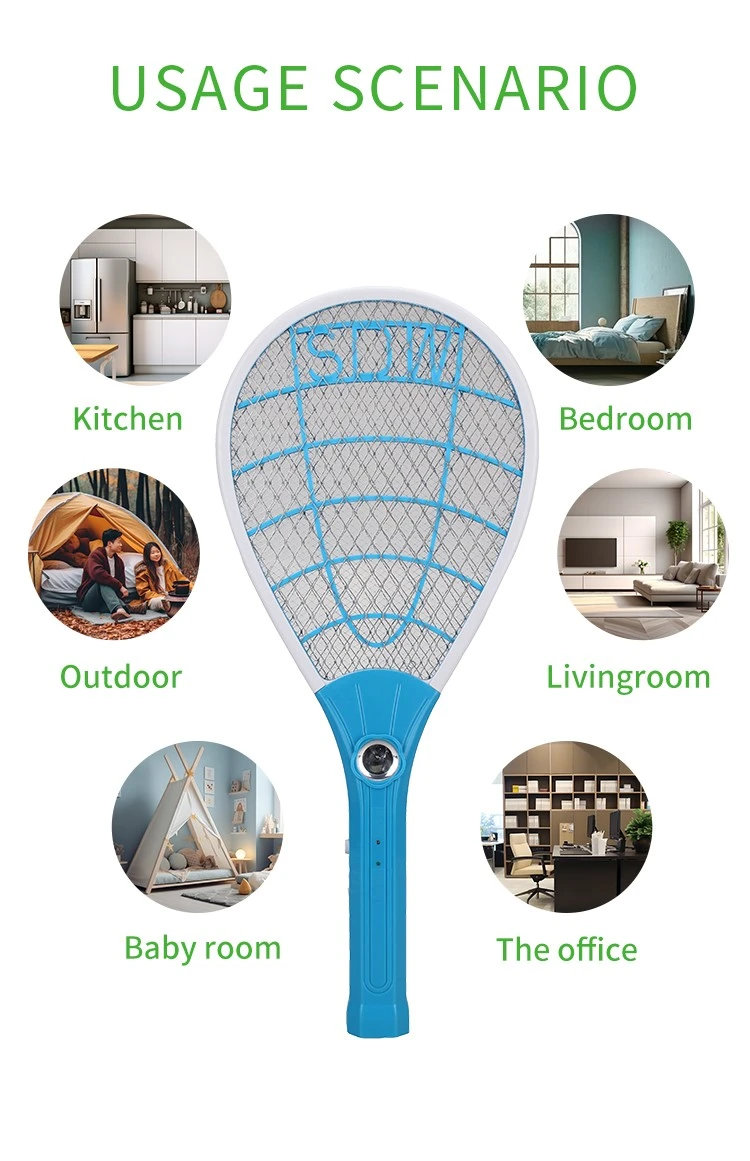
Most importers of electric mosquito swatters obsess over the first order: samples requested, factories vetted, a pre-shipment inspection booked. Then the reorder arrives eight months later and something is off. The grid feels softer. The charge port is a slightly different shade of black. The carton thickness dropped from 350 gsm to 300 gsm. Nothing is catastrophic — but the product no longer matches what your retail customers approved, and quietly, your return rate starts climbing.
How to Keep Mosquito Swatter Quality Consistent Across Repeat Orders
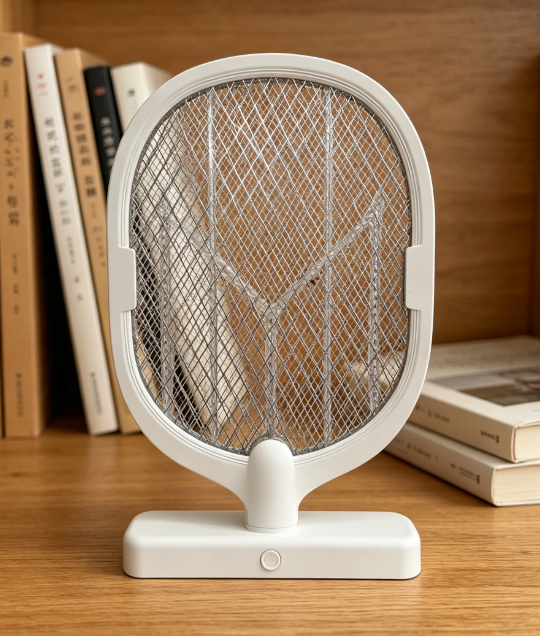
Warranty returns are the silent margin killer in the mosquito control category. A distributor who buys a swatter at $1.80 FOB and retails it at $9.90 can absorb a 1% return rate without noticing — but at 5%, the combined cost of replacement units, reverse logistics, and refund processing erases most of the line's profit.
Common mosquito swatter killer lamp failure modes wholesale spec guide

Digital bathroom scales rank as the second-highest-volume consumer weighing product category, only behind kitchen scales, with distinct market and product characteristics that set them apart from other scale types in importers’ product portfolios.
Digital bathroom body fat-bia-scale wholesale buyers guide