
7 things to consider when choosing an insect light trap
2025-09-11
7 things to consider when choosing an insect light trap
When investing in an insect light trap (ILT), choosing the right model requires more than just picking the first option—you need to align its features with your space, target pests, and long-term usability. Below are the 7 critical considerations to guide your decision:
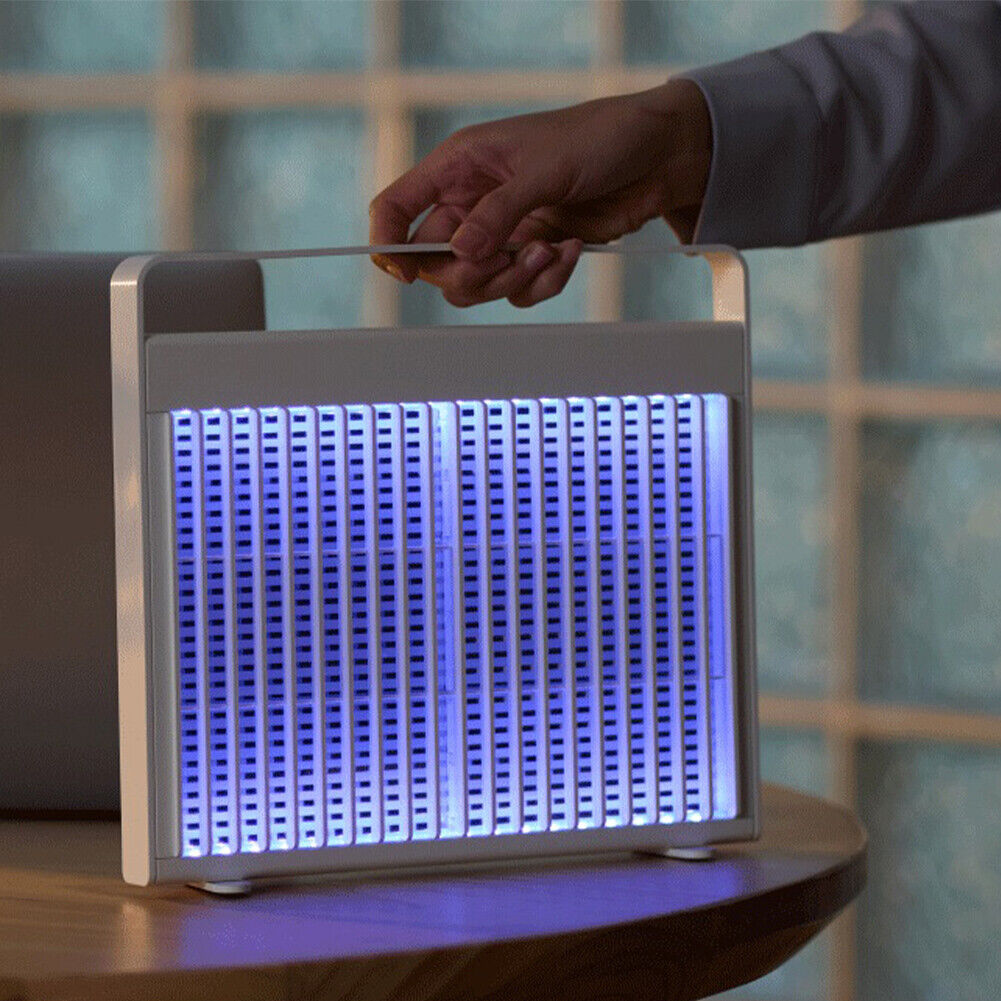
1. Target Insect Species & Light Spectrum
Not all insects respond to the same light wavelengths. Most flying pests (like flies, mosquitoes, and moths) are attracted to ultraviolet (UV) light, but the specific UV range matters:
- UV-A light (320–400 nm): The most common choice, as it effectively lures houseflies, fruit flies, and small flying insects—ideal for restaurants, homes, or offices.
- UV-B/UV-C light: Rarely used in ILTs, as these wavelengths are less attractive to most pests and may pose safety risks with prolonged exposure.
If you’re dealing with niche pests (e.g., warehouse moths or biting midges), check the manufacturer’s specs to ensure the trap’s spectrum targets those species.
2. Trap Type & Capture Mechanism
ILTs use different methods to trap insects after luring them, and the right choice depends on your space’s hygiene needs and pest volume:
- Glue boards (sticky traps): Best for food-processing facilities, hospitals, or kitchens—they capture insects without killing them via chemicals, preventing debris (like dead bugs or body parts) from falling into food or surfaces. Look for glue boards with strong adhesion that resist drying out.
- Electric grids (zappers): Effective for high-pest areas (e.g., barns, outdoor patios) but not recommended indoors near food—they kill insects with an electric shock, which can scatter insect fragments (a food safety hazard). Opt for models with a protective grid to prevent accidental contact.
- Vacuum traps: Quiet and hygienic, these use suction to pull insects into a sealed container. Great for noise-sensitive areas (like offices or bedrooms) and easy to empty without touching pests.
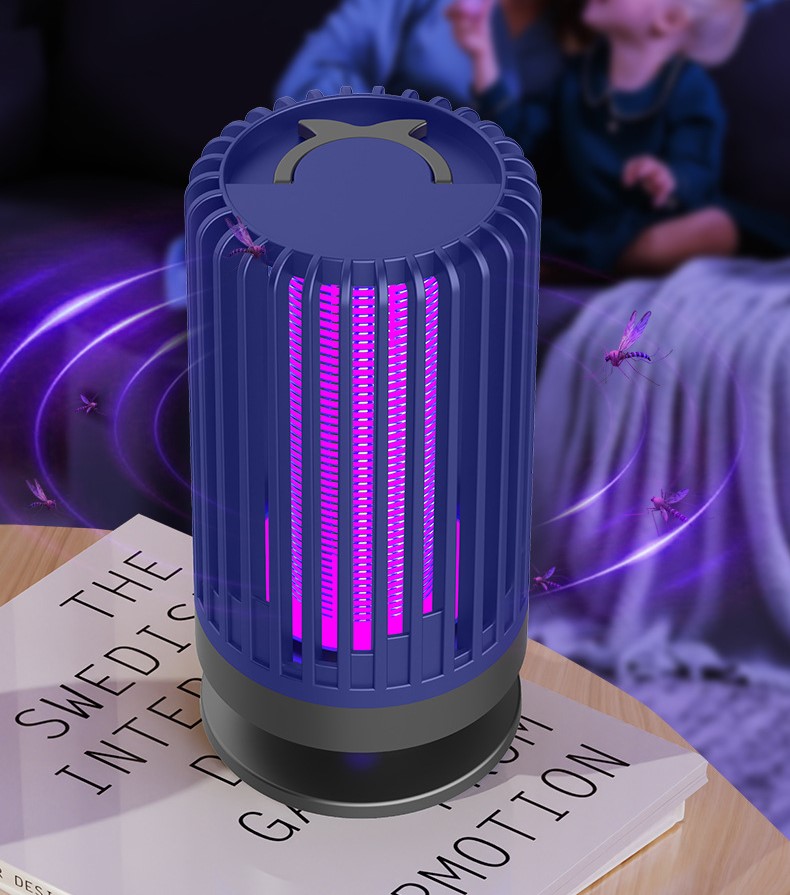
3. Coverage Area
ILTs are rated for specific square footage, and choosing a model with insufficient coverage will leave gaps in pest control. To determine the right size:
- Measure the area where the trap will be used (e.g., a 200 sq. ft. kitchen or 1,000 sq. ft. warehouse).
- Check the manufacturer’s stated coverage—note that obstacles (like walls, shelves, or equipment) can reduce effective range. For cluttered spaces, choose a trap with 10–20% more coverage than the measured area.
- Example: A trap rated for 300 sq. ft. works well in a 250 sq. ft. office with desks and cabinets, but not in a 300 sq. ft. room filled with storage racks.
4. Installation Location & Safety
Where you place the ILT directly impacts its effectiveness and safety:
- Avoid competing light sources: Position the trap away from windows, overhead lights, or neon signs—bright ambient light will reduce the UV’s attractiveness to pests.
- Height matters: For flying insects, mount traps 5–7 feet above the floor (flies tend to fly at this height) or place them near pest hotspots (e.g., garbage bins, food prep areas). For crawling insects (if the trap is designed for them), keep it close to the ground.
- Safety first: If using an electric grid, ensure it’s out of reach of children and pets. For food areas, choose glue boards or vacuum traps to avoid contamination from zapped insect parts. Also, check if the trap is rated for wet or dusty environments (e.g., garages or factories) if needed.
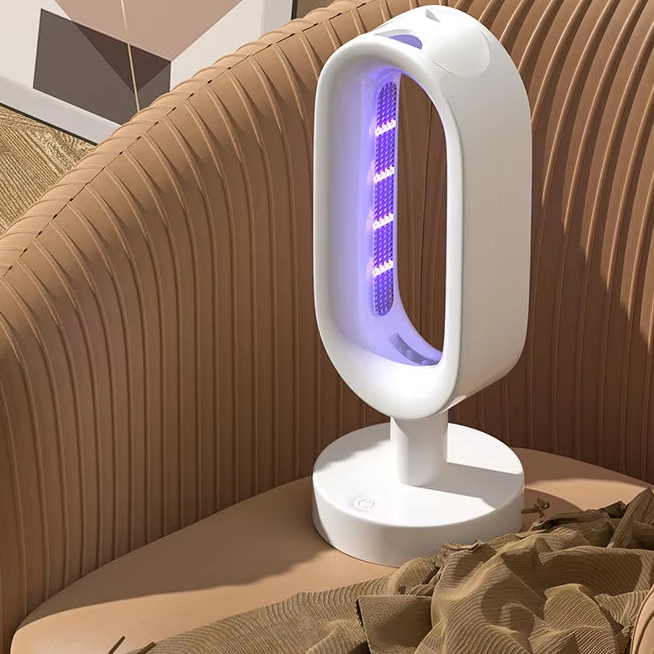
5. Maintenance Requirements
A low-maintenance ILT will save you time and ensure consistent performance. Key maintenance features to look for:
- Easy-to-replace parts: Glue boards should be simple to slide in/out, and electric grids should be removable for cleaning (to prevent buildup of dead insects, which reduces efficiency).
- Indicator lights: Some models have LED lights that signal when glue boards need replacing or when the UV bulb is burning out—this eliminates guesswork.
- Bulb lifespan: UV bulbs typically last 6–12 months (even if they still glow, their UV output fades over time). Choose traps with long-lasting bulbs or easy bulb replacement (avoid models that require specialized tools).
6. Noise Level
Noise can be a dealbreaker in quiet spaces like offices, bedrooms, or libraries. Consider the trap’s noise output:
- Glue boards: Silent—ideal for noise-sensitive areas.
- Vacuum traps: Produce low humming (similar to a small fan)—check decibel (dB) ratings (aim for <40 dB, which is quieter than a conversation).
- Electric grids: Emit a “zap” sound when insects are caught—loud enough to be distracting indoors. Only use these in outdoor or industrial spaces where noise isn’t an issue.
7. Compliance with Regulations (For Commercial Use)
If you’re buying an ILT for a business (e.g., restaurants, hotels, or food plants), it must meet local health and safety regulations:
- Food safety standards: In the U.S., the FDA and USDA require ILTs in food facilities to use glue boards (not electric grids) to prevent contamination. Some regions also mandate that traps be placed a certain distance from food prep areas (e.g., 10 feet away).
- Energy efficiency: Look for ENERGY STAR-rated models if you’re concerned about electricity costs—these use less power without sacrificing performance.
- Certifications: Choose traps tested and certified by organizations like the National Sanitation Foundation (NSF) or Underwriters Laboratories (UL), as these ensure the product meets safety and efficacy standards.
The Badminton Draw-out UV Mosquito Trap Lamp
300mAh Lithium vs. Lead-Acid Batteries
Related Article

If you’re struggling with annoying mosquitoes, flies, and other flying pests indoors and outdoors, upgrading from traditional manual tools to anElectric Mosquito Swatter is the most efficient solution. Many homeowners and renters search where to buy fly swatter online to find durable, safe, and high-performance electric models that deliver instant pest control.
Where to Buy Fly Swatter
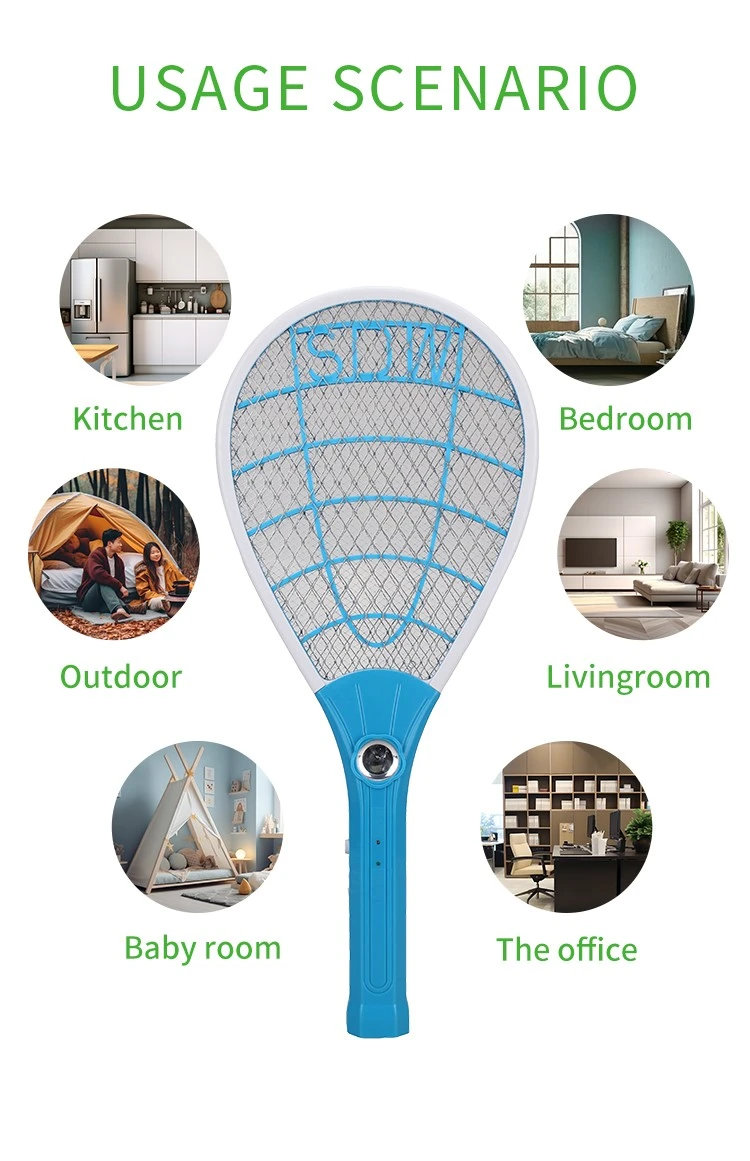
Most importers of electric mosquito swatters obsess over the first order: samples requested, factories vetted, a pre-shipment inspection booked. Then the reorder arrives eight months later and something is off. The grid feels softer. The charge port is a slightly different shade of black. The carton thickness dropped from 350 gsm to 300 gsm. Nothing is catastrophic — but the product no longer matches what your retail customers approved, and quietly, your return rate starts climbing.
How to Keep Mosquito Swatter Quality Consistent Across Repeat Orders
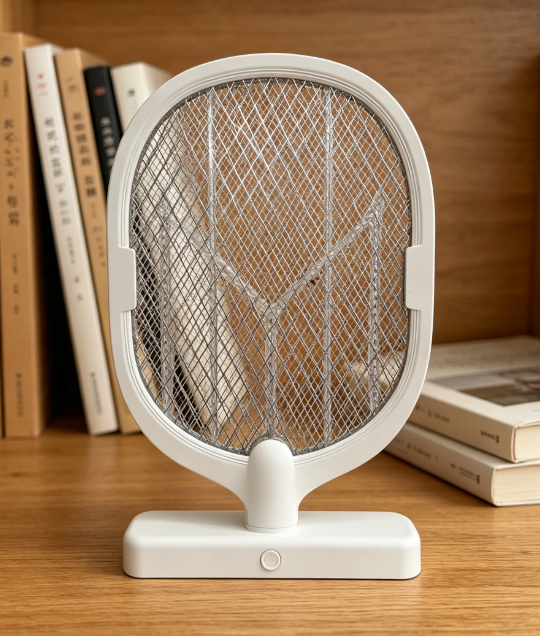
Warranty returns are the silent margin killer in the mosquito control category. A distributor who buys a swatter at $1.80 FOB and retails it at $9.90 can absorb a 1% return rate without noticing — but at 5%, the combined cost of replacement units, reverse logistics, and refund processing erases most of the line's profit.
Common mosquito swatter killer lamp failure modes wholesale spec guide

Digital bathroom scales rank as the second-highest-volume consumer weighing product category, only behind kitchen scales, with distinct market and product characteristics that set them apart from other scale types in importers’ product portfolios.
Digital bathroom body fat-bia-scale wholesale buyers guide