
Don't Throw Away Old Electric Fly Swatters Casually
2025-10-04
Don't Throw Away Old Electric Fly Swatters Casually! Their Batteries Hide Unexpected Environmental Hazards
As summer fades, electric fly swatters at home are gradually forgotten in corners. When they can no longer "crackle" and stun mosquitoes, many people casually toss them into the trash—after all, a small electric fly swatter seems so "insignificant". But what you may not know is that this random act of throwing can pose a considerable hidden risk to the environment, and the core of the problem lies in the tiny battery inside the electric fly swatter.
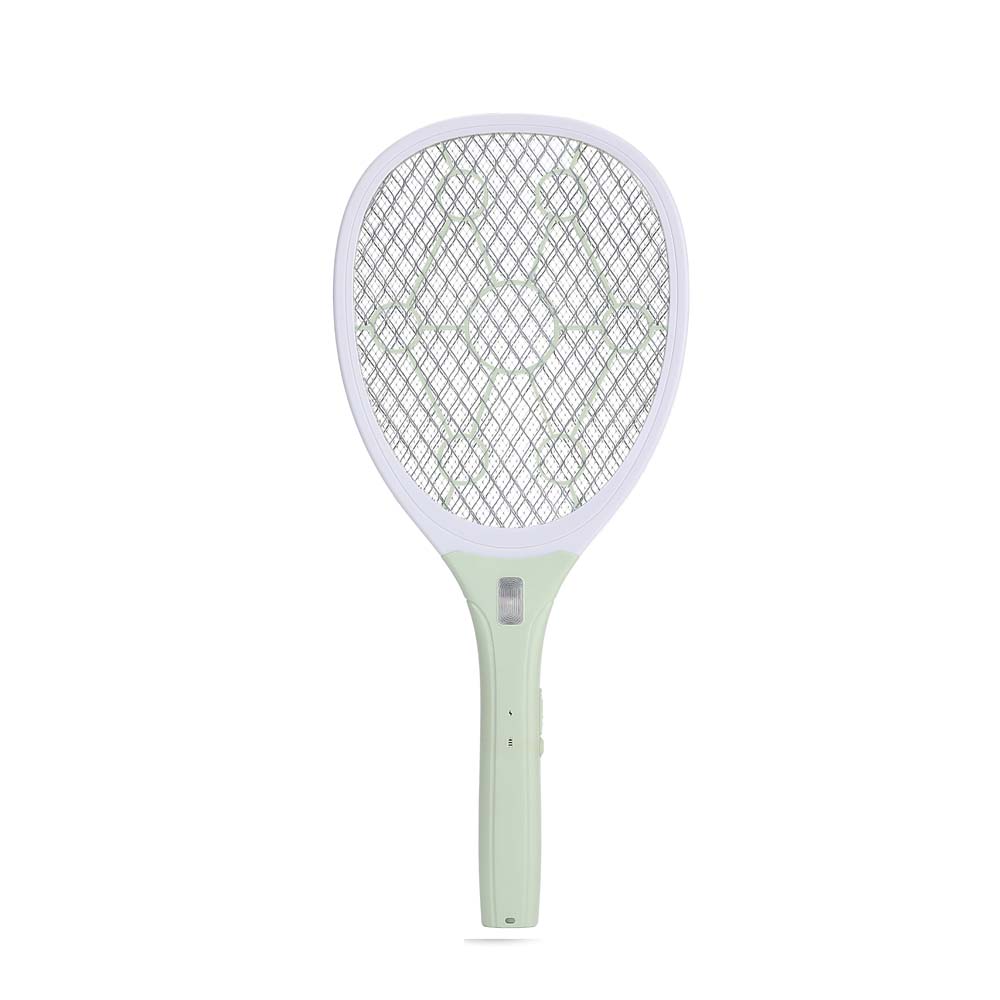
I. What "Environmental Killers" Are Hiding in These Small Batteries?
Some people may wonder: The battery of an electric fly swatter is so small, how much harm can it do? In fact, most electric fly swatters on the market use lead-acid batteries or nickel-cadmium batteries, and some new models use lithium batteries. However, no matter which type it is, random disposal will bring environmental risks.
1. Lead-Acid Batteries: "Invisible Polluters" of Soil and Water Sources
Take common lead-acid batteries as an example. They contain harmful substances such as lead and sulfuric acid. Once mixed with domestic waste and sent to landfills, the battery casing will gradually break under long-term compression and rainwater immersion, and the lead ions and acidic liquids inside will seep into the soil and groundwater. It should be noted that lead is a heavy metal that accumulates continuously in the environment. Even extremely low concentrations of lead pollution can enter the human body through crop absorption and drinking water circulation. Long-term exposure may affect children's intellectual development and damage the nervous and digestive systems of adults.
2. Nickel-Cadmium Batteries: "Long-Term Toxic Sources" That Are Hard to Degrade
The problem with nickel-cadmium batteries, on the other hand, lies in "cadmium pollution". Cadmium is a highly toxic heavy metal that is almost non-degradable in the natural environment. Once it enters the soil, it can remain toxic for decades or even hundreds of years. If vegetables and grains are grown in this polluted soil, cadmium will accumulate through the food chain and eventually harm human health.
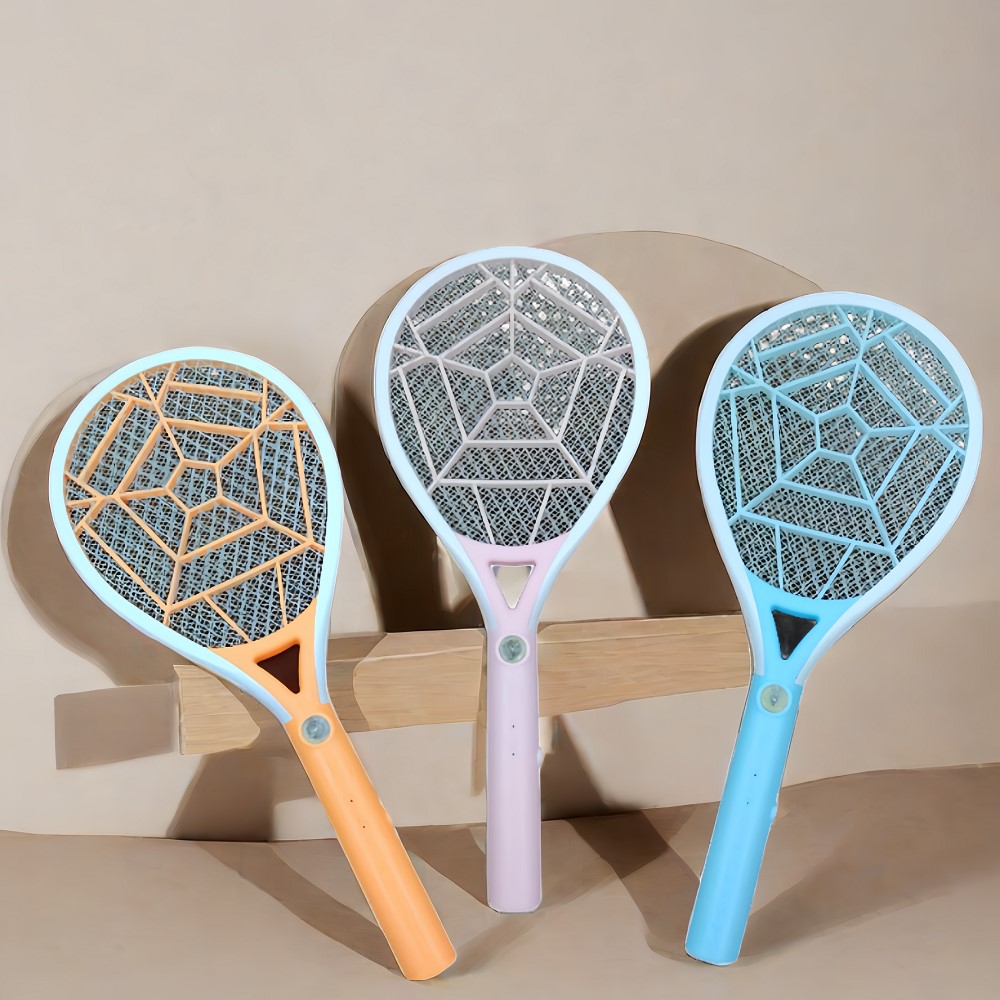
3. Mixed Disposal: Increasing the Risk of Secondary Pollution
What is even more worrying is that many people are not aware that electric fly swatters belong to "hazardous waste" and are used to throwing them together with domestic waste such as fruit peels and plastic bags. This makes it impossible for batteries containing harmful substances to be specially treated; instead, they can only be landfilled or incinerated together with ordinary waste. During incineration, heavy metals in the batteries may be converted into harmful gases, which spread into the air and cause secondary pollution.
II. "It Doesn't Matter for Just One"? The Cumulative Harm Is Beyond Imagination
Some people may say: "I only have one old electric fly swatter at home, so it doesn't matter if I throw it away, right?" But think carefully: there are hundreds of millions of households across the country, and each household may replace 1-2 electric fly swatters every year. If everyone discards them casually, the cumulative amount of battery pollution will be extremely alarming. These harmful substances will not disappear out of thin air; eventually, they will affect everyone's life through soil, water sources, and air, and even endanger the health of the next generation.
III. Correctly Disposing of Old Electric Fly Swatters in Just Three Steps
In fact, disposing of old electric fly swatters is not that troublesome. The key is to find the right "channels". The following three methods are simple and easy to implement:
1. Remove the Battery and Deliver It to a "Hazardous Waste Recycling Point"
First, you can check the instruction manual of the electric fly swatter to find out the type of battery. If it is a detachable lithium battery or nickel-cadmium battery, you can remove the battery separately and deliver it to the "hazardous waste recycling point" set up in the community. It will then be handled uniformly by professional institutions.
2. Throw It as a Whole into the Hazardous Waste Bin
If the electric fly swatter is of an integrated design and cannot be disassembled as a whole, there is no need to worry. You can directly put the entire electric fly swatter into the hazardous waste bin. Later, the sanitation department will transport the hazardous waste separately and hand it over to professional institutions for disassembly and harmless treatment to prevent the leakage of harmful substances.
3. Contact Brands to Participate in Old Item Recycling Services
Now, many e-commerce platforms (such as JD.com and Taobao) and home appliance brands have launched "old home appliance recycling services", and some services even provide small subsidies. You can consult through the brand's official website, APP, or customer service, and hand over the old electric fly swatter to professional staff who come to collect it. This method is both safe and hassle-free.

IV. Environmental Protection Is in the Details—Start with "Not Discarding Casually"
A small electric fly swatter may seem insignificant, but the environmental hazards hidden behind it cannot be ignored. Environmental protection is never just a slogan; it is reflected in every small detail of our lives—such as not discarding old batteries casually and sorting waste correctly. These seemingly simple actions are all contributing to protecting our home.
Next time you encounter an old electric fly swatter, take an extra minute to send it to the right place. Don't let that tiny battery become an "invisible killer" that damages the environment.
A Mosquito Swatter Near a Gas Stove Hides Unexpected Dangers
Will the UV Light from Mosquito Killer Lamps Hurt Eyes
Related Article

If you’re struggling with annoying mosquitoes, flies, and other flying pests indoors and outdoors, upgrading from traditional manual tools to anElectric Mosquito Swatter is the most efficient solution. Many homeowners and renters search where to buy fly swatter online to find durable, safe, and high-performance electric models that deliver instant pest control.
Where to Buy Fly Swatter
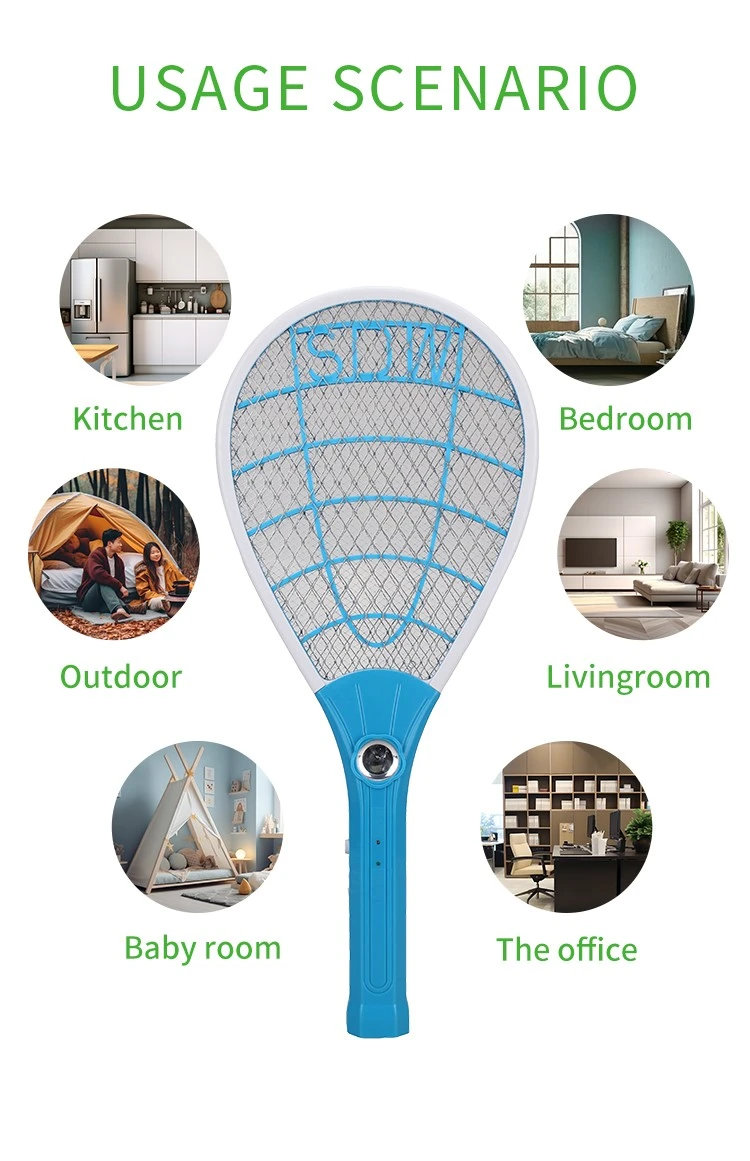
Most importers of electric mosquito swatters obsess over the first order: samples requested, factories vetted, a pre-shipment inspection booked. Then the reorder arrives eight months later and something is off. The grid feels softer. The charge port is a slightly different shade of black. The carton thickness dropped from 350 gsm to 300 gsm. Nothing is catastrophic — but the product no longer matches what your retail customers approved, and quietly, your return rate starts climbing.
How to Keep Mosquito Swatter Quality Consistent Across Repeat Orders
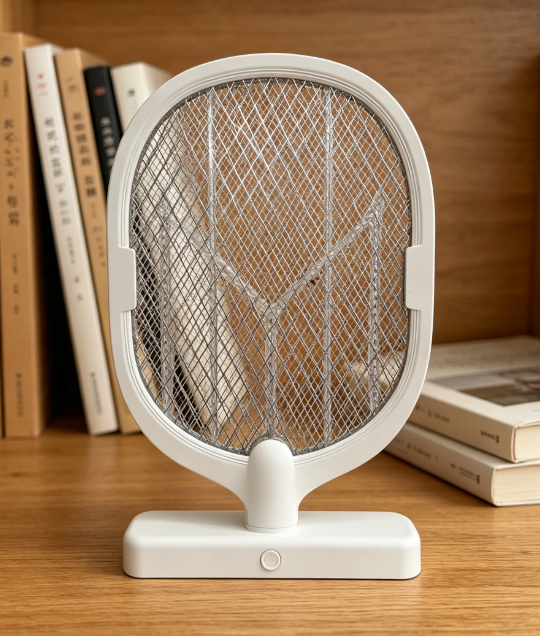
Warranty returns are the silent margin killer in the mosquito control category. A distributor who buys a swatter at $1.80 FOB and retails it at $9.90 can absorb a 1% return rate without noticing — but at 5%, the combined cost of replacement units, reverse logistics, and refund processing erases most of the line's profit.
Common mosquito swatter killer lamp failure modes wholesale spec guide

Digital bathroom scales rank as the second-highest-volume consumer weighing product category, only behind kitchen scales, with distinct market and product characteristics that set them apart from other scale types in importers’ product portfolios.
Digital bathroom body fat-bia-scale wholesale buyers guide