
When should I replace my bug zapper globe?
2025-08-13
Bug zappers are effective tools for repelling and eliminating mosquitoes during the summer, and the globe, as its core component, directly affects the mosquito - killing effect. Many people tend to overlook the issue of replacing the bug zapper globe when using it, which causes the bug zapper to gradually lose its function. So, when exactly should you replace the globe of your bug zapper? Here is a detailed explanation for you.
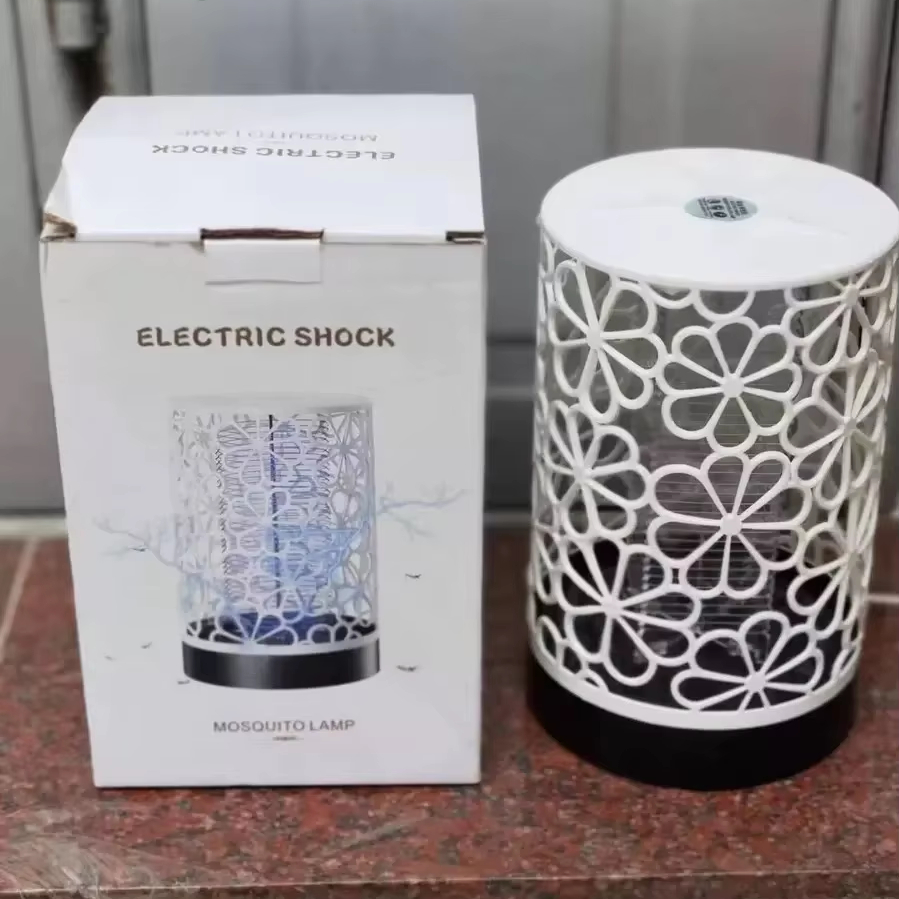
1. Observe the state of the light: an important basis for intuitive judgment
The globe of a bug zapper attracts mosquitoes by emitting light of a specific wavelength, and the state of the light is an intuitive signal to determine whether the globe needs to be replaced.
1.1 The light is significantly dimmed or flickering
Under normal circumstances, the globe of a bug zapper emits light stably and with moderate brightness. If you find that the light from the globe is significantly dimmer than usual, or even flickers frequently, it is likely due to the aging of the internal filament or gas leakage in the globe. In this case, the luminous efficiency of the globe drops sharply, and its ability to attract mosquitoes also weakens. At this point, you need to consider replacing the globe.
1.2 The globe does not emit light at all
When you turn on the bug zapper and the globe has no light at all, you should first check if there is a problem with the circuit, such as poor plug contact or a short circuit in the line. If the globe still does not emit light after ruling out circuit faults, it means the globe is damaged and must be replaced with a new one in time; otherwise, the bug zapper will not work properly.
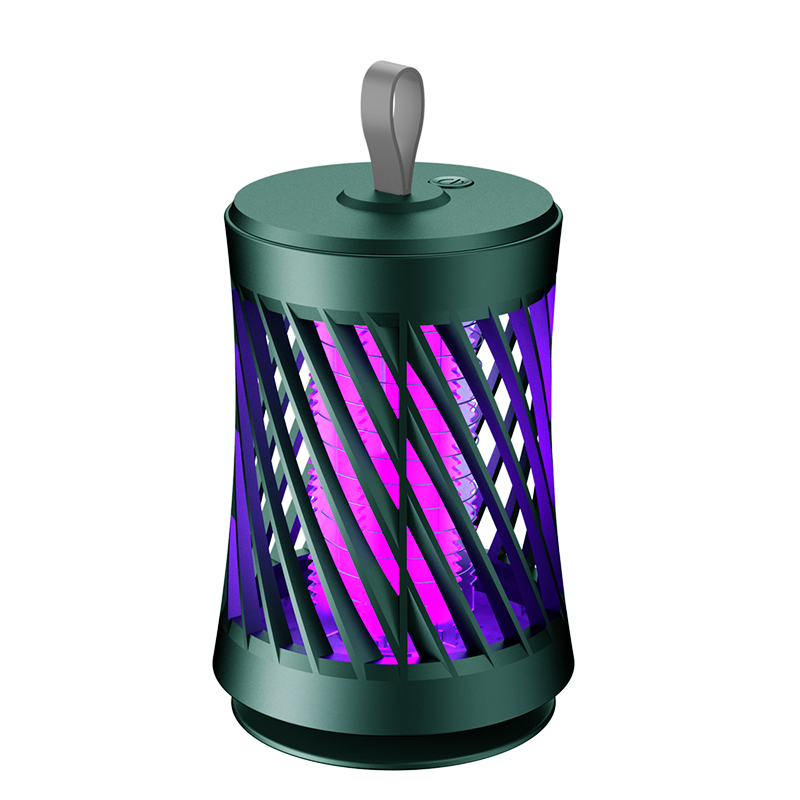
2. Pay attention to the mosquito - killing effect: a direct reflection of the actual function
The core function of a bug zapper is to kill mosquitoes. If its mosquito - killing effect decreases significantly, it is likely that there is a problem with the globe.
2.1 A significant reduction in the number of captured mosquitoes
During the use of the bug zapper, if you find that the number of captured mosquitoes has decreased significantly compared to the past within a certain period, especially in seasons when mosquitoes are active, this situation is more worthy of attention. This may be because the wavelength of the light emitted by the globe has changed, and it can no longer effectively attract mosquitoes. Replacing the globe at this time may restore the mosquito - killing effect.
2.2 Mosquitoes around are still active in large numbers
Even if the bug zapper is still working, if you find that mosquitoes around it are still very active and not effectively controlled, this may also be a sign that the globe is ineffective. Because the globe cannot attract mosquitoes, they cannot be eliminated in time.
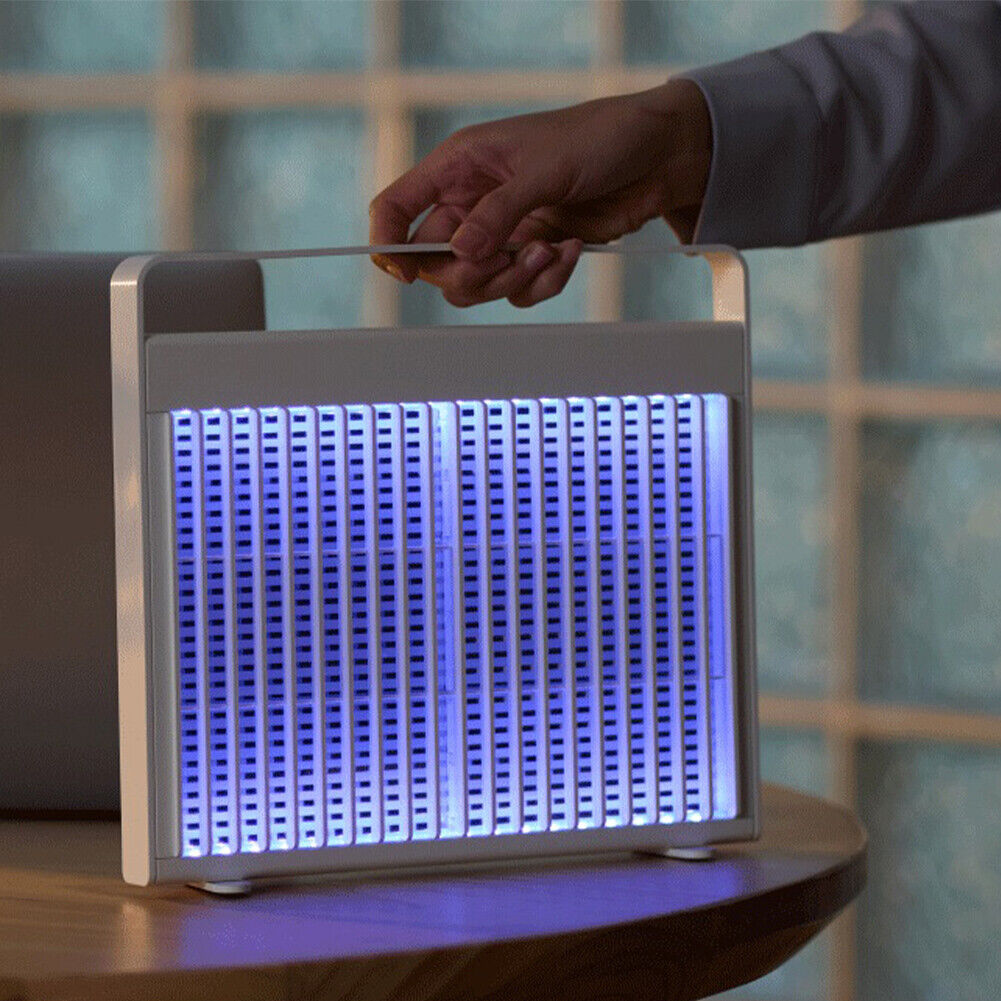
3. Consider the usage time: a reference standard for regular replacement
Generally speaking, bug zapper globes have a certain service life. The service life of globes of different brands and models may vary, usually around 2000 - 3000 hours.
If you use your bug zapper frequently, such as keeping it on every night, then calculated by using it for 8 hours a day, you need to replace the globe about once every six months to a year. Even if the globe still seems to emit light, its luminous efficiency and ability to attract mosquitoes will gradually decline with the increase in usage time. Regular replacement can ensure the mosquito - killing effect.
4. Tips for replacing the globe
- Purchase a suitable globe: When replacing the globe, pay attention to choosing one that matches the model of your bug zapper. Globes of different models may vary in size and wavelength. If the model does not match, it may not be installed properly or affect the mosquito - killing effect.
- Power off operation: Be sure to disconnect the power supply of the bug zapper before replacing the globe to avoid electric shock accidents.
- Clean the bug zapper: While replacing the globe, you can thoroughly clean the bug zapper, removing the mosquito corpses and dust inside to ensure its ventilation and heat dissipation, and improve its working efficiency.
In short, timely replacement of the bug zapper globe is the key to ensuring its mosquito - killing effect. By observing the state of the light, paying attention to the mosquito - killing effect, and referring to the usage time, you can accurately judge when to replace the globe, so that your bug zapper always maintains a good working state and creates a mosquito - free and comfortable environment for you.
How to use the natural enemies of mosquitoes to repel mosquitoes at home
Advantages and Disadvantages of Mosquito Killer Lights and Other Mosquito Repellent Tools
Related Article

If you’re struggling with annoying mosquitoes, flies, and other flying pests indoors and outdoors, upgrading from traditional manual tools to anElectric Mosquito Swatter is the most efficient solution. Many homeowners and renters search where to buy fly swatter online to find durable, safe, and high-performance electric models that deliver instant pest control.
Where to Buy Fly Swatter
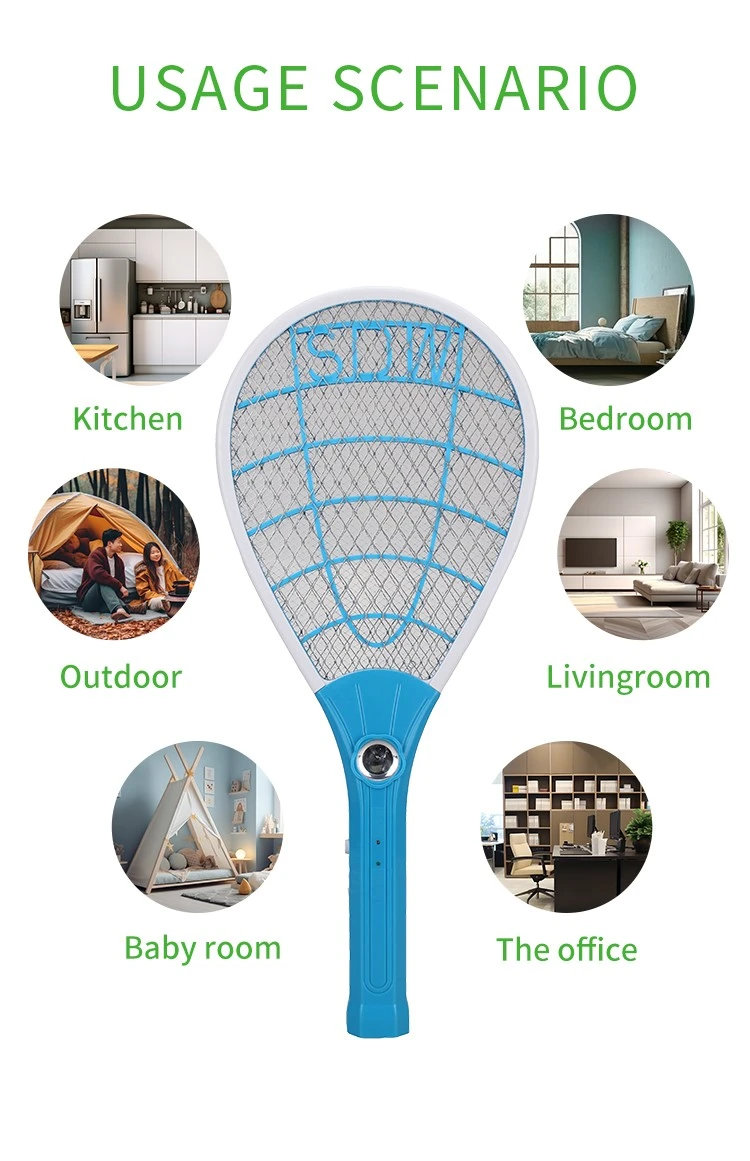
Most importers of electric mosquito swatters obsess over the first order: samples requested, factories vetted, a pre-shipment inspection booked. Then the reorder arrives eight months later and something is off. The grid feels softer. The charge port is a slightly different shade of black. The carton thickness dropped from 350 gsm to 300 gsm. Nothing is catastrophic — but the product no longer matches what your retail customers approved, and quietly, your return rate starts climbing.
How to Keep Mosquito Swatter Quality Consistent Across Repeat Orders
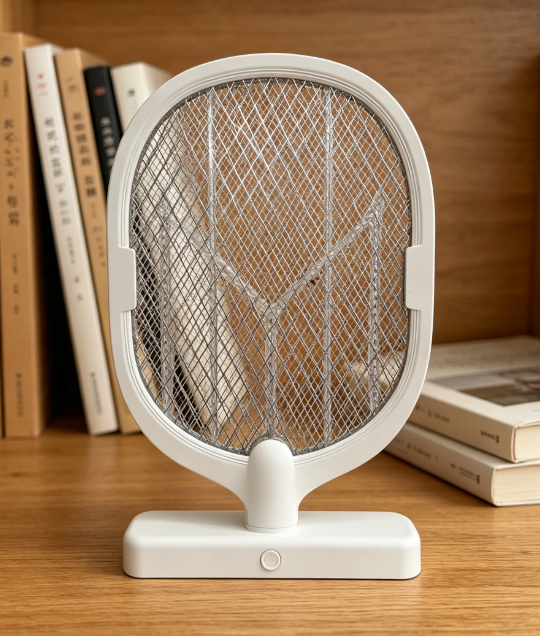
Warranty returns are the silent margin killer in the mosquito control category. A distributor who buys a swatter at $1.80 FOB and retails it at $9.90 can absorb a 1% return rate without noticing — but at 5%, the combined cost of replacement units, reverse logistics, and refund processing erases most of the line's profit.
Common mosquito swatter killer lamp failure modes wholesale spec guide

Digital bathroom scales rank as the second-highest-volume consumer weighing product category, only behind kitchen scales, with distinct market and product characteristics that set them apart from other scale types in importers’ product portfolios.
Digital bathroom body fat-bia-scale wholesale buyers guide