
Which type of mosquito killer works the best
2025-07-11
Which type of mosquito killer works the best
Mosquitoes are a common nuisance that can turn a peaceful evening indoors or outdoors into an itchy nightmare. Beyond the irritation, they also carry various diseases, making effective mosquito control a necessity. With a wide range of mosquito killers available, it’s natural to wonder: What is the best type of mosquito killer? Let’s explore different options to find the answer.
Key Factors to Consider When Choosing a Mosquito Killer
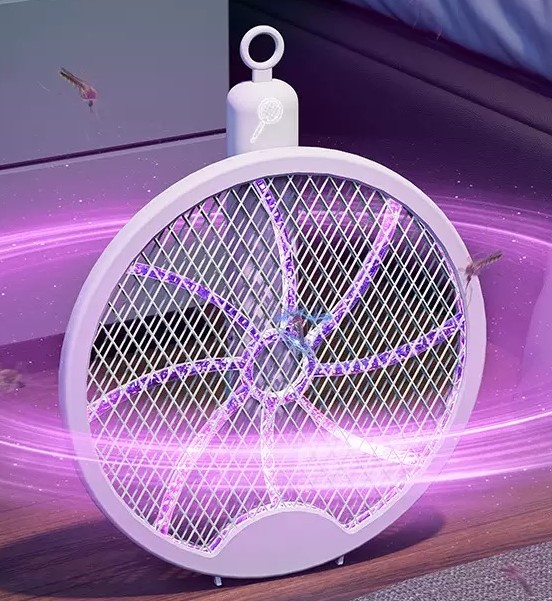
Before diving into specific types, it’s important to consider the factors that determine the effectiveness of a mosquito killer for your needs:
- Usage environment: Indoor spaces like bedrooms and living rooms, or outdoor areas such as patios and gardens.
- Presence of children and pets: Safety is a top priority if there are kids or animals around.
- Coverage area: The size of the space you need to protect.
- Convenience: Whether you prefer a hands-on or hands-off solution.
Common Types of Mosquito Killers and Their Pros and Cons
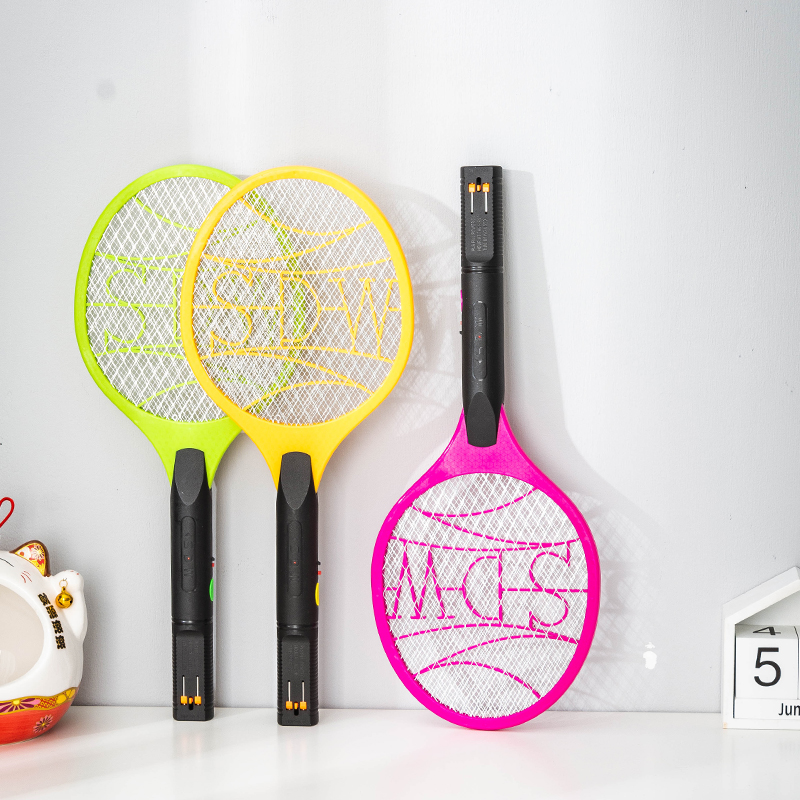
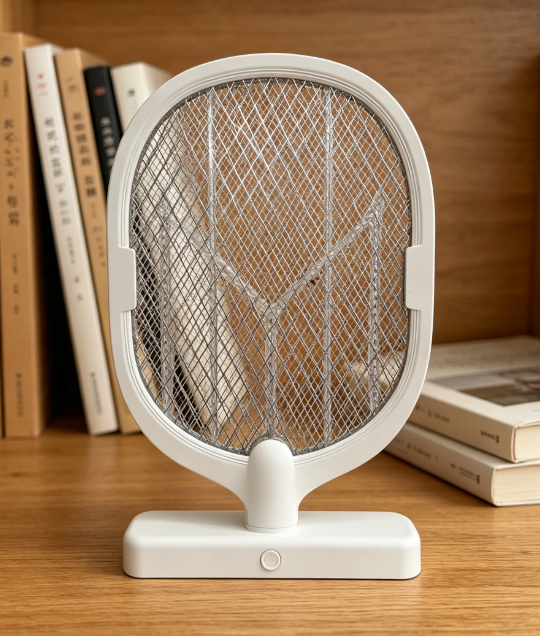
Electric mosquito swatters are handheld tools with a grid that delivers an electric shock to kill mosquitoes on contact. They are powered by batteries, making them easy to move around.
Pros:
- Immediate results: You can kill mosquitoes as soon as you spot them.
- No harmful chemicals: Safe to use in areas where food is prepared or around kids and pets.
- Affordable: A budget-friendly option compared to some other devices.
Cons:
- Requires active participation: You have to chase after mosquitoes, which can be time-consuming.
- Limited range: Only effective for mosquitoes within arm’s reach.
- Not ideal for large areas: Can’t cover a whole room or outdoor space efficiently.
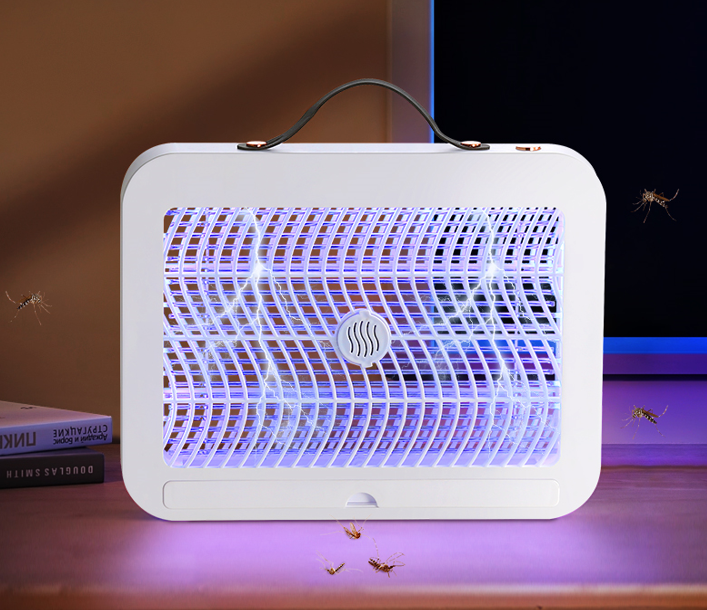
Mosquito traps work by attracting mosquitoes using factors like light, heat, carbon dioxide, or pheromones, then trapping or killing them. Some use fans to suck mosquitoes into a container where they die of dehydration, while others use sticky surfaces.
Pros:
- Effective for large areas: Can cover hundreds of square feet, making them suitable for living rooms, basements, or even small yards.
- Low maintenance: Once set up, they work automatically without constant supervision.
- Safe for the environment: Most don’t use chemicals, so they won’t harm beneficial insects or pollute the air.
Cons:
- Takes time to work: It may take a few days to reduce the mosquito population as they need to attract and trap the insects gradually.
- May attract other insects: Some traps might draw in non-mosquito insects, though high-quality ones are designed to target mosquitoes specifically.
- Initial cost: Can be more expensive than electric swatters or basic repellents.
Ultrasonic Mosquito Repellers
Ultrasonic mosquito repellers emit high-frequency sound waves that are intended to repel mosquitoes. The theory is that these waves disrupt the mosquitoes’ ability to navigate or communicate, keeping them away.
Pros:
- Silent operation: The sound waves are beyond the range of human hearing, so they don’t cause any noise disturbance.
- Easy to use: Just plug them in and they start working, with no need for refills or cleaning.
- Chemical-free: A good choice for those who want to avoid sprays or fumes.
Cons:
- Inconsistent effectiveness: Studies have shown mixed results, with some indicating they work poorly in real-world conditions.
- Limited coverage: Each device typically covers a small area, so multiple units are needed for larger spaces.
- May not work on all mosquito species: Some species may be less affected by the ultrasonic waves.
Chemical-Based Mosquito Killers
This category includes mosquito coils, sprays, and plug-in vaporizers. They work by releasing chemicals that either kill mosquitoes on contact or repel them.
Pros:
- Fast-acting: Can quickly reduce mosquito numbers, especially sprays that kill on contact.
- Wide availability: Easy to find in stores and online at various price points.
- Suitable for outdoor use: Some sprays and coils are designed to work in gardens or patios.
Cons:
- Chemical exposure: The fumes or residues can be harmful to humans, especially children, and pets if overused.
- Strong odors: Many chemical-based products have a noticeable smell that some people find unpleasant.
- Not eco-friendly: Can harm beneficial insects and contribute to environmental pollution.
So, What is the Best Type of Mosquito Killer?
The answer depends on your specific situation, but mosquito traps often stand out as the best overall choice for most people. Here’s why:
- They provide long-term control by reducing the mosquito population over time, rather than just killing individual insects.
- They are safe for use around children, pets, and food, making them versatile for indoor and outdoor spaces.
- High-quality mosquito traps can cover large areas, eliminating the need for multiple devices.
However, for immediate, spot treatment—like when a mosquito is buzzing around your head at night—an electric mosquito swatter is unbeatable. For small, enclosed spaces where you want a hands-off solution and are willing to take a chance on effectiveness, an ultrasonic repeller could work. And chemical-based killers can be useful in emergency situations, but should be used sparingly.
In conclusion, while there’s no one-size-fits-all answer, mosquito traps offer the best balance of effectiveness, safety, and convenience for most households. Assess your needs, consider the environment, and choose the option that works best for you to enjoy a mosquito-free space.
are mosquitos attracted to light
How Can I Make My Bug Zapper More Effective
Related Article

If you’re struggling with annoying mosquitoes, flies, and other flying pests indoors and outdoors, upgrading from traditional manual tools to anElectric Mosquito Swatter is the most efficient solution. Many homeowners and renters search where to buy fly swatter online to find durable, safe, and high-performance electric models that deliver instant pest control.
Where to Buy Fly Swatter
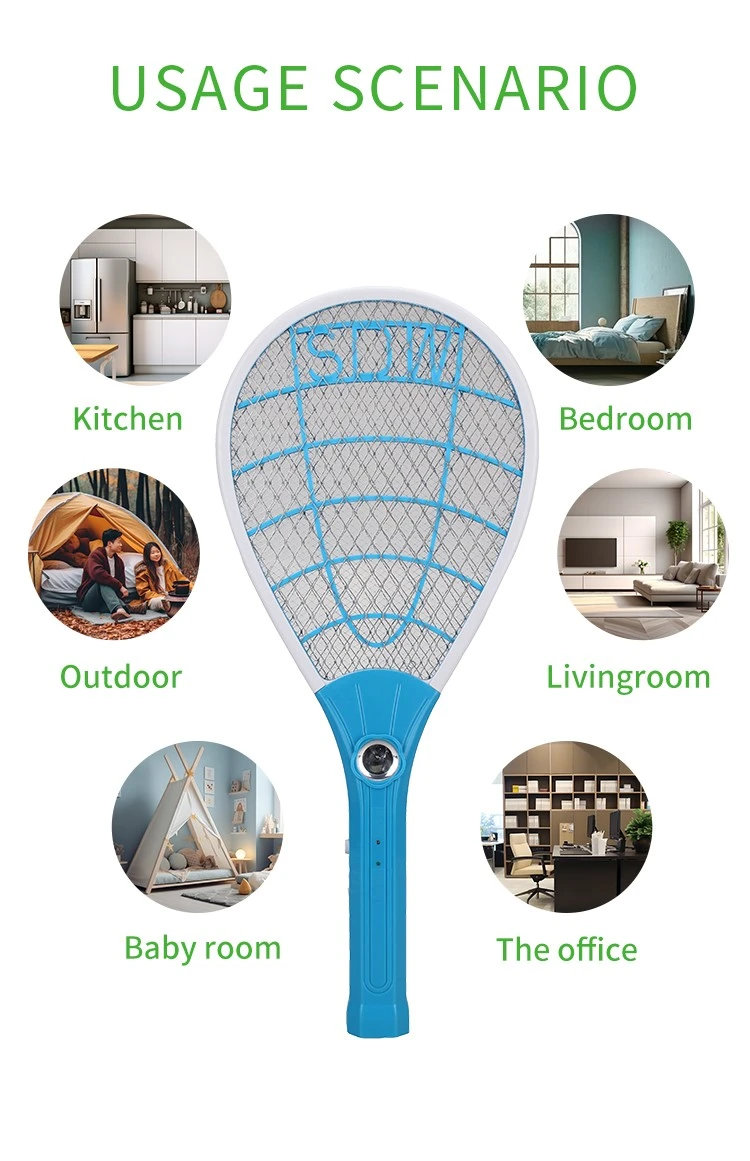
Most importers of electric mosquito swatters obsess over the first order: samples requested, factories vetted, a pre-shipment inspection booked. Then the reorder arrives eight months later and something is off. The grid feels softer. The charge port is a slightly different shade of black. The carton thickness dropped from 350 gsm to 300 gsm. Nothing is catastrophic — but the product no longer matches what your retail customers approved, and quietly, your return rate starts climbing.
How to Keep Mosquito Swatter Quality Consistent Across Repeat Orders
Warranty returns are the silent margin killer in the mosquito control category. A distributor who buys a swatter at $1.80 FOB and retails it at $9.90 can absorb a 1% return rate without noticing — but at 5%, the combined cost of replacement units, reverse logistics, and refund processing erases most of the line's profit.
Common mosquito swatter killer lamp failure modes wholesale spec guide

Digital bathroom scales rank as the second-highest-volume consumer weighing product category, only behind kitchen scales, with distinct market and product characteristics that set them apart from other scale types in importers’ product portfolios.
Digital bathroom body fat-bia-scale wholesale buyers guide