
Why Can't Mosquitoes Be Eradicated
2025-08-15
Why Can't Mosquitoes Be Eradicated? The Key Reasons Revealed
Every summer and autumn, mosquitoes always find their way into our lives with uncanny precision—buzzing in our ears late at night, leaving itchy red bumps, and even transmitting diseases like malaria and dengue fever. Despite humans inventing insecticides, mosquito repellents, mosquito nets, and even experimenting with high-tech methods such as gene editing, we still cannot completely eliminate mosquitoes. What exactly gives this "tiny pest" such strong survival capabilities?
1. Super Strong Reproductive Capacity: A Survival Strategy of "Winning by Quantity"
The reproductive capacity of mosquitoes is nothing short of a "miracle of nature". A single female mosquito can lay eggs 3 to 7 times in her lifetime, with each batch containing as many as 100 to 300 eggs. Moreover, the time from egg to adult can be as short as just 7 days. What's more crucial is that their breeding grounds are extremely flexible: whether it's a puddle on the roadside, stagnant water in a flower pot, rainwater in an old tire, or even a small pool of water on a leaf, all can serve as "nurseries" for mosquitoes. This characteristic of "not being picky about the environment and reproducing in large quantities quickly" ensures that the mosquito population can always recover rapidly. Even if a large number of mosquitoes in a local area are eliminated, as long as a small number of eggs or larvae survive, they can quickly re-establish a population scale in a short period of time.
2. Exceptional Environmental Adaptability: Surviving from the Equator to the North Pole
The living range of mosquitoes is far wider than we imagine. Except for the Antarctic continent, mosquitoes are distributed in almost all regions of the world—from the hot and humid tropical rainforests to the Arctic tundra where temperatures drop to tens of degrees below zero, and even in alpine areas at an altitude of several thousand meters, their traces can be found. To cope with different environments, mosquitoes have evolved a variety of survival skills: in cold regions, mosquito eggs or larvae will enter a "dormant state" and only wake up to develop when the temperature rises; during dry seasons, some mosquito eggs can survive in dry soil for several months until rain comes to hatch them. This "flexible" adaptability makes it difficult to completely eliminate them through extreme environments or regional control measures.
3. Unignorable Ecological Role: Not "Totally Useless"
Although mosquitoes are "pests" to humans, they play an important role in the ecosystem. For animals such as birds, bats, dragonflies, and frogs, mosquito eggs, larvae, and adults are an important source of food—if mosquitoes were completely wiped out, these creatures that feed on mosquitoes might face food shortages, which would in turn affect the balance of the entire food chain. In addition, when some mosquitoes suck plant sap, they may also help plants spread pollen and indirectly participate in the reproduction process of plants. This "ecological value" makes humans have to be cautious when eliminating mosquitoes and unable to take extreme measures of "wiping them out completely".
4. Evolution of Resistance: Making Insecticides Less and Less Effective
In the face of various insecticides invented by humans, mosquitoes are constantly evolving resistance. When a new insecticide is put into use, most susceptible mosquitoes will be killed, but a small number of mosquitoes with resistance genes will survive and pass these resistance genes on to their offspring. Over time, the proportion of mosquitoes with resistance will increase, and the effect of the originally effective insecticide will gradually weaken or even become completely ineffective. For example, pyrethroid insecticides, which are commonly used, have now developed significant resistance in many mosquito species. This leads to the situation where humans need to continuously develop new insecticides, but they can never keep up with the speed of the evolution of mosquito resistance, forming a cycle of "control - resistance - re - control".
Conclusion: The "Protracted War" with Mosquitoes Will Continue
From the super strong reproductive capacity to the wide adaptability, from the irreplaceable ecological role to the rapid evolution of resistance, these factors together determine that it is difficult to completely eliminate mosquitoes. For humans, instead of pursuing the goal of "eradicating mosquitoes completely", it is better to focus more on "scientific prevention and control"—such as cleaning up stagnant water to reduce breeding grounds, using physical mosquito prevention methods (such as mosquito nets and screen windows) to reduce bites, and developing safer mosquito repellents and vaccines to deal with disease transmission. After all, in this "protracted war" with mosquitoes, learning to "coexist peacefully" with them and reduce their harm may be a more realistic choice.
Do People with Type O Blood Attract More Mosquitoes
Why Do Mosquitoes Always Bite You
Related Article

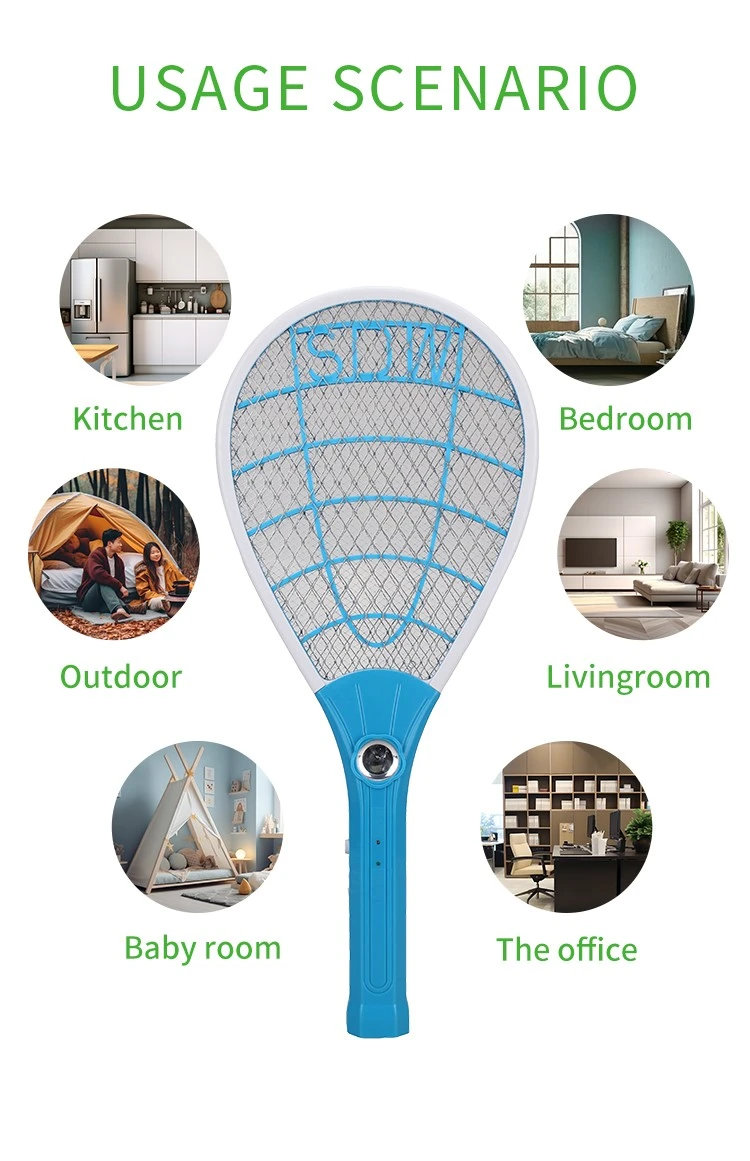
If you’re struggling with annoying mosquitoes, flies, and other flying pests indoors and outdoors, upgrading from traditional manual tools to anElectric Mosquito Swatter is the most efficient solution. Many homeowners and renters search where to buy fly swatter online to find durable, safe, and high-performance electric models that deliver instant pest control.
Where to Buy Fly Swatter
Most importers of electric mosquito swatters obsess over the first order: samples requested, factories vetted, a pre-shipment inspection booked. Then the reorder arrives eight months later and something is off. The grid feels softer. The charge port is a slightly different shade of black. The carton thickness dropped from 350 gsm to 300 gsm. Nothing is catastrophic — but the product no longer matches what your retail customers approved, and quietly, your return rate starts climbing.
How to Keep Mosquito Swatter Quality Consistent Across Repeat Orders
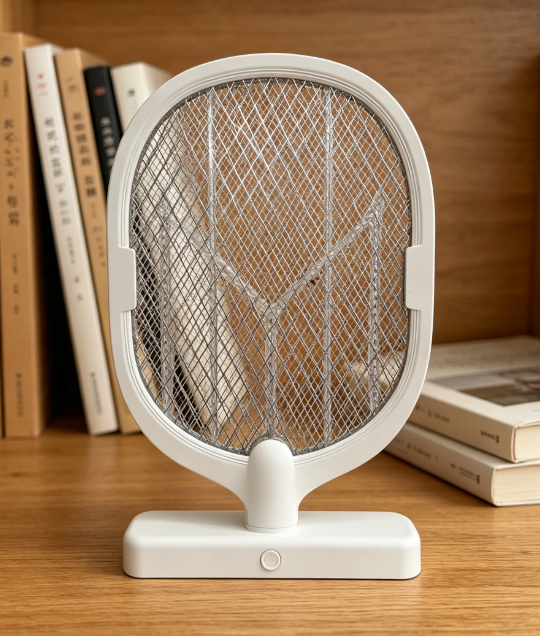
Warranty returns are the silent margin killer in the mosquito control category. A distributor who buys a swatter at $1.80 FOB and retails it at $9.90 can absorb a 1% return rate without noticing — but at 5%, the combined cost of replacement units, reverse logistics, and refund processing erases most of the line's profit.
Common mosquito swatter killer lamp failure modes wholesale spec guide

Digital bathroom scales rank as the second-highest-volume consumer weighing product category, only behind kitchen scales, with distinct market and product characteristics that set them apart from other scale types in importers’ product portfolios.
Digital bathroom body fat-bia-scale wholesale buyers guide