
Why don't people use bug zappers anymore
2025-06-30
Why don't people use bug zappers anymore
Safety Concerns
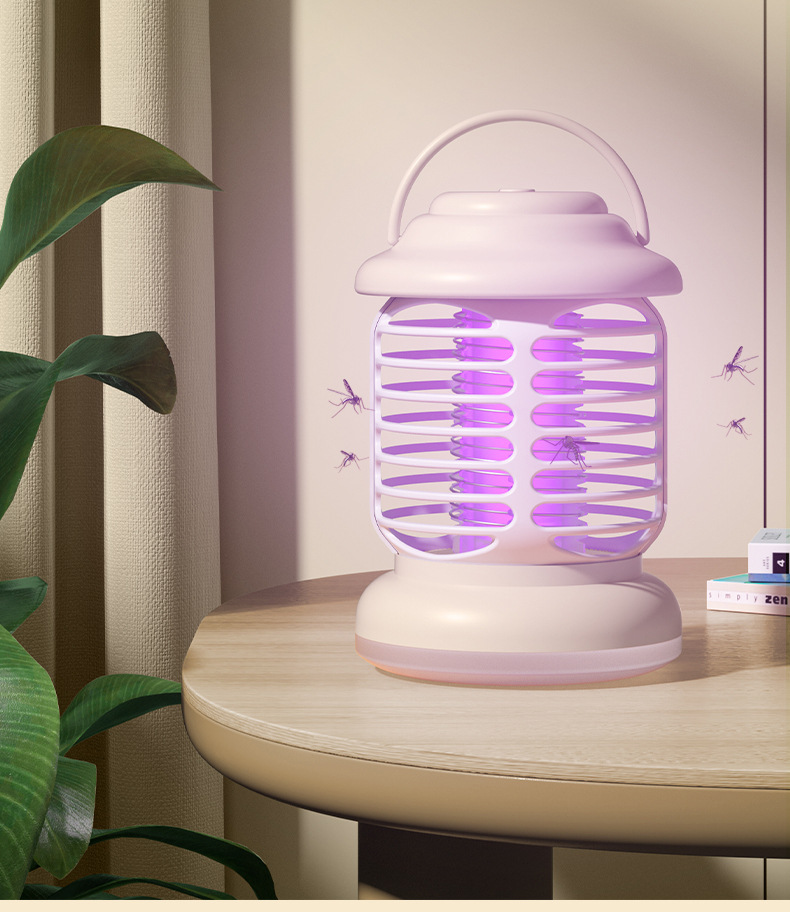
One of the primary reasons people are turning away from bug zappers is safety. Bug zappers work by emitting ultraviolet (UV) light to attract insects, which are then electrocuted when they come into contact with the electrically charged grid. These devices pose a significant fire risk, especially if debris, such as dead insects and dust, accumulates on the grid. Over time, this buildup can cause short - circuits, leading to sparks that might ignite nearby flammable materials. Additionally, there is a risk of electric shock, particularly if the device is not properly maintained or if it is damaged. Children and pets are especially vulnerable to accidental contact with the charged grid, making bug zappers a potential hazard in households.
Ineffectiveness Against Biting Insects
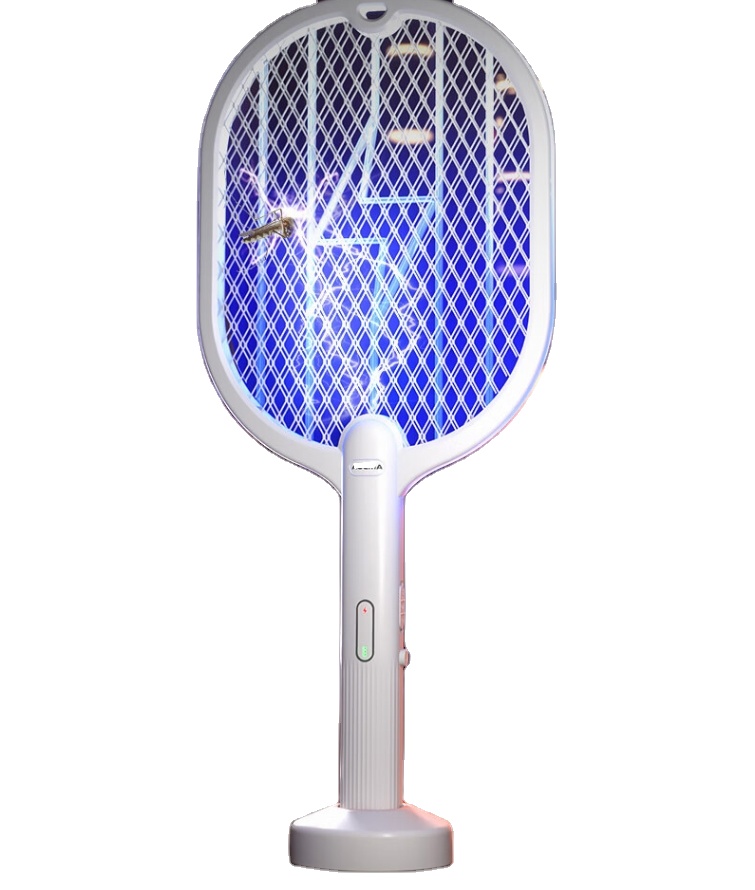
Contrary to popular belief, bug zappers are not very effective at reducing the population of biting insects like mosquitoes, which are the main pests people want to get rid of. Studies have shown that bug zappers primarily attract and kill non - biting insects, such as moths and beetles, rather than mosquitoes. In fact, for every mosquito killed by a bug zapper, a large number of beneficial insects are also sacrificed. As a result, bug zappers fail to provide the relief people expect from pesky biting insects, making them a less appealing option for pest control.
Environmental Impact
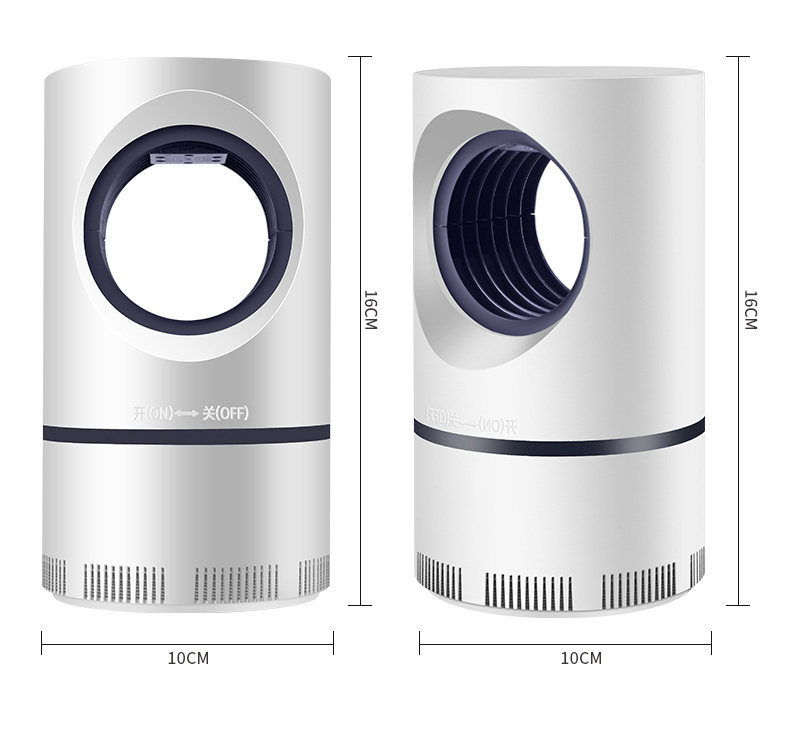
Another factor contributing to the decline in the use of bug zappers is their negative impact on the environment. By killing a large number of beneficial insects, bug zappers disrupt the natural ecosystem. Many of the non - biting insects that bug zappers target play important roles in pollination and the food chain. The over - killing of these insects can have far - reaching consequences, affecting plant reproduction and the survival of other wildlife species that rely on them for food. With growing awareness of environmental conservation, people are looking for more eco - friendly pest control solutions.
Emergence of Alternative Solutions
The availability of more effective and user - friendly alternative pest control methods has also led to the decreased popularity of bug zappers. Modern insect repellents, both chemical and natural, offer convenient and efficient ways to keep biting insects at bay. Mosquito traps that use attractants other than UV light, such as carbon dioxide and heat, have been developed to specifically target mosquitoes. Additionally, outdoor fans and screens can physically prevent insects from entering living spaces. These alternatives provide better protection against the actual pests people are concerned about, while also being safer and more environmentally friendly.
In conclusion, the decline in the use of bug zappers can be attributed to a combination of safety concerns, ineffectiveness against biting insects, environmental impact, and the emergence of better alternative solutions. As people become more conscious of safety, effectiveness, and environmental protection, the once - popular bug zappers are gradually being replaced by more suitable pest control options.
What is the best thing to kill mosquitoes
What happens if you get hit with an electric fly swatter
Related Article

If you’re struggling with annoying mosquitoes, flies, and other flying pests indoors and outdoors, upgrading from traditional manual tools to anElectric Mosquito Swatter is the most efficient solution. Many homeowners and renters search where to buy fly swatter online to find durable, safe, and high-performance electric models that deliver instant pest control.
Where to Buy Fly Swatter
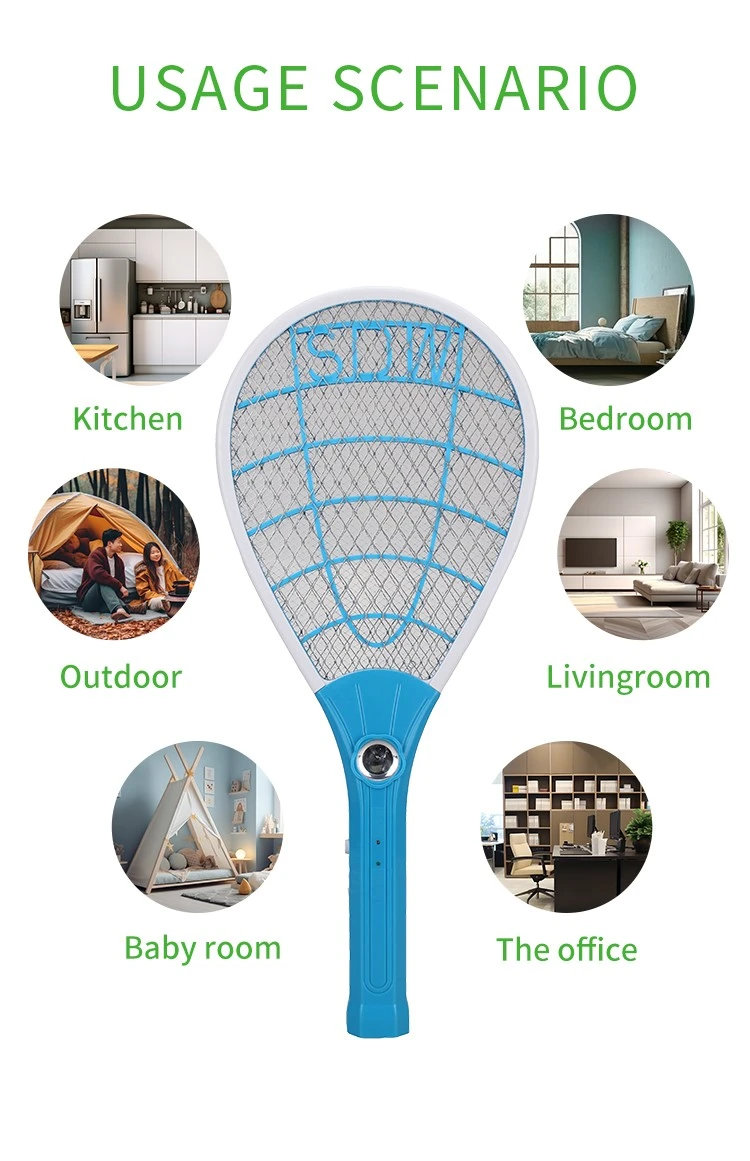
Most importers of electric mosquito swatters obsess over the first order: samples requested, factories vetted, a pre-shipment inspection booked. Then the reorder arrives eight months later and something is off. The grid feels softer. The charge port is a slightly different shade of black. The carton thickness dropped from 350 gsm to 300 gsm. Nothing is catastrophic — but the product no longer matches what your retail customers approved, and quietly, your return rate starts climbing.
How to Keep Mosquito Swatter Quality Consistent Across Repeat Orders
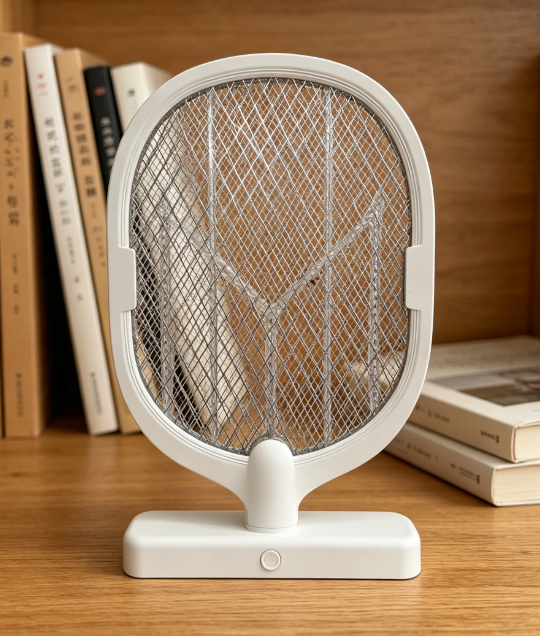
Warranty returns are the silent margin killer in the mosquito control category. A distributor who buys a swatter at $1.80 FOB and retails it at $9.90 can absorb a 1% return rate without noticing — but at 5%, the combined cost of replacement units, reverse logistics, and refund processing erases most of the line's profit.
Common mosquito swatter killer lamp failure modes wholesale spec guide

Digital bathroom scales rank as the second-highest-volume consumer weighing product category, only behind kitchen scales, with distinct market and product characteristics that set them apart from other scale types in importers’ product portfolios.
Digital bathroom body fat-bia-scale wholesale buyers guide