
A Complete Guide to CE-EMC and CE-LVD Certifications
2025-11-19
A Complete Guide to CE-EMC and CE-LVD Certifications: Everything You Need to Know
When purchasing electrical and electronic products, especially in scenarios involving import and export trade, we often hear the term "CE Certification". Among its components, CE-EMC and CE-LVD certifications are the core parts. For ordinary consumers, what exactly do these two certifications represent? And what does it mean when a product passes them? Today, we will take an in-depth look at CE-EMC and CE-LVD certifications, and proudly share some good news - our company's products have fully passed these two important certifications, bringing users a more reliable and safer experience.
First, let's get to know CE-EMC Certification. EMC stands for Electromagnetic Compatibility. Simply put, electromagnetic compatibility means that when an electrical or electronic product is operating normally, it will neither cause interference to other surrounding devices (known as "electromagnetic radiation disturbance") nor be affected by electromagnetic signals from other surrounding devices, which would impair its own normal operation (known as "electromagnetic immunity").
CE-EMC Certification is a compliance test and certification for the electromagnetic compatibility of products. It is one of the mandatory requirements for electrical and electronic products under the EU CE Certification system. During the testing process, professional institutions conduct multi-dimensional electromagnetic performance tests on products, such as:
- Radiated Disturbance Test: This test measures the intensity of electromagnetic signals emitted by the product into the surrounding space during operation. It ensures that the signals do not exceed the limits specified in EU standards, thus preventing interference with the normal use of other electronic devices such as televisions, radios, and mobile phones.
- Conducted Disturbance Test: This test detects electromagnetic interference conducted by the product to the power grid or other connected devices through power lines and signal lines. It prevents negative impacts on other devices in the power grid.
- Immunity Test: This test simulates electromagnetic interference that the product may encounter in actual use environments (such as electrostatic discharge, electrical fast transients, and surges). It verifies whether the product can maintain stable operation without malfunctions or performance degradation under such interference.
Only after passing these strict tests can a product obtain the CE-EMC Certification Certificate, which proves that it meets the EU regulatory requirements regarding electromagnetic compatibility.
Next, let's talk about CE-LVD Certification. LVD stands for Low Voltage Directive. The "low voltage" here does not refer to the "low voltage" we commonly understand in daily life. Instead, it refers to the scope clearly defined in EU regulations: electrical and electronic products with an alternating current (AC) voltage ranging from 50V to 1000V and a direct current (DC) voltage ranging from 75V to 1500V must comply with the requirements of CE-LVD Certification.
The core goal of CE-LVD Certification is to ensure the personal safety and property safety of users. It mainly focuses on testing and evaluating the electrical safety performance of products. The specific test contents include, but are not limited to:
- Electrical Insulation Test: This test checks whether the insulating materials of the product can effectively isolate live parts, preventing users from electric shock.
- Earth Continuity Test: This test verifies the reliability of the product's grounding system. It ensures that in case of electric leakage, the current can be promptly conducted to the ground, thus protecting the user's safety.
- Protection Against Electric Shock Test: This test examines whether the design of the product's casing, buttons, and other components is reasonable, preventing users from accidentally touching live parts.
- Temperature Rise Test: This test measures the temperature of various components of the product during normal operation. It ensures that the temperatures are within a safe range, preventing product damage or fire hazards caused by overheating.
- High Voltage Withstand Test: This test simulates the product's ability to withstand abnormal voltage environments. It ensures that the product will not have safety risks due to voltage fluctuations.
Similarly, only after passing these safety tests can a product obtain the CE-LVD Certification Certificate, which proves that it meets the strict EU standards for electrical safety.
III. What Does It Really Mean When a Product Passes CE-EMC and CE-LVD Certifications?
Now that we understand the definitions of CE-EMC and CE-LVD certifications, we are more concerned about: what exactly does it mean for users and enterprises when a product passes these two certifications?
1. For Users: Double Assurance of Safety and Reliability
For consumers, a product that has passed CE-EMC and CE-LVD certifications is like having obtained a "Safety Pass" and a "Reliability Guarantee".
- No Safety Hazards: From the perspective of electrical safety, CE-LVD Certification eliminates safety accidents such as electric shock and fire caused by problems like electric leakage, overheating, and poor insulation in the product. This allows users to use the product without worrying about personal and property safety.
- More Stable Operation: CE-EMC Certification ensures that the product will not be interfered with by the surrounding electromagnetic environment and will not interfere with other electronic devices. For example, if a household appliance we use has passed CE-EMC Certification, it will not malfunction due to interference from mobile phone signals. At the same time, it will not affect the normal operation of other devices in the home, such as Wi-Fi and televisions, bringing users a more stable and smooth experience.
- Guaranteed Quality: Products that can pass these two certifications mean that they strictly comply with international standards in all aspects, including design, production, and testing. The quality and reliability of such products are more guaranteed, reducing the maintenance and replacement costs incurred by users due to product malfunctions.
2. For Enterprises: A Reflection of Compliance and Responsibility
For enterprises, having products pass CE-EMC and CE-LVD certifications is not only a "passport" to enter the international market but also a reflection of the enterprise's social responsibility and pursuit of quality.
- Prerequisite for Compliant Export: The EU is one of the world's important markets. Any electrical or electronic product that wants to enter the EU market must pass CE Certification (including CE-EMC and CE-LVD certifications). This is a mandatory requirement of EU regulations. Without these two certifications, products cannot be sold in the EU market and may even be detained or recalled by customs.
- Proof of Brand Strength: Passing these two certifications requires enterprises to invest a large amount of R&D costs, testing costs, and time costs. Successfully obtaining the certifications indicates that the enterprise has strong technical R&D capabilities and quality control capabilities. It also enhances the brand's credibility and competitiveness in the market, making consumers more trusting of the brand.
- Fulfillment of Social Responsibility: One of the core responsibilities of an enterprise is to provide users with safe and reliable products. Promoting products to pass CE-EMC and CE-LVD certifications is precisely a reflection of the enterprise's responsibility to users and society, and it is also an important foundation for the enterprise's sustainable development.
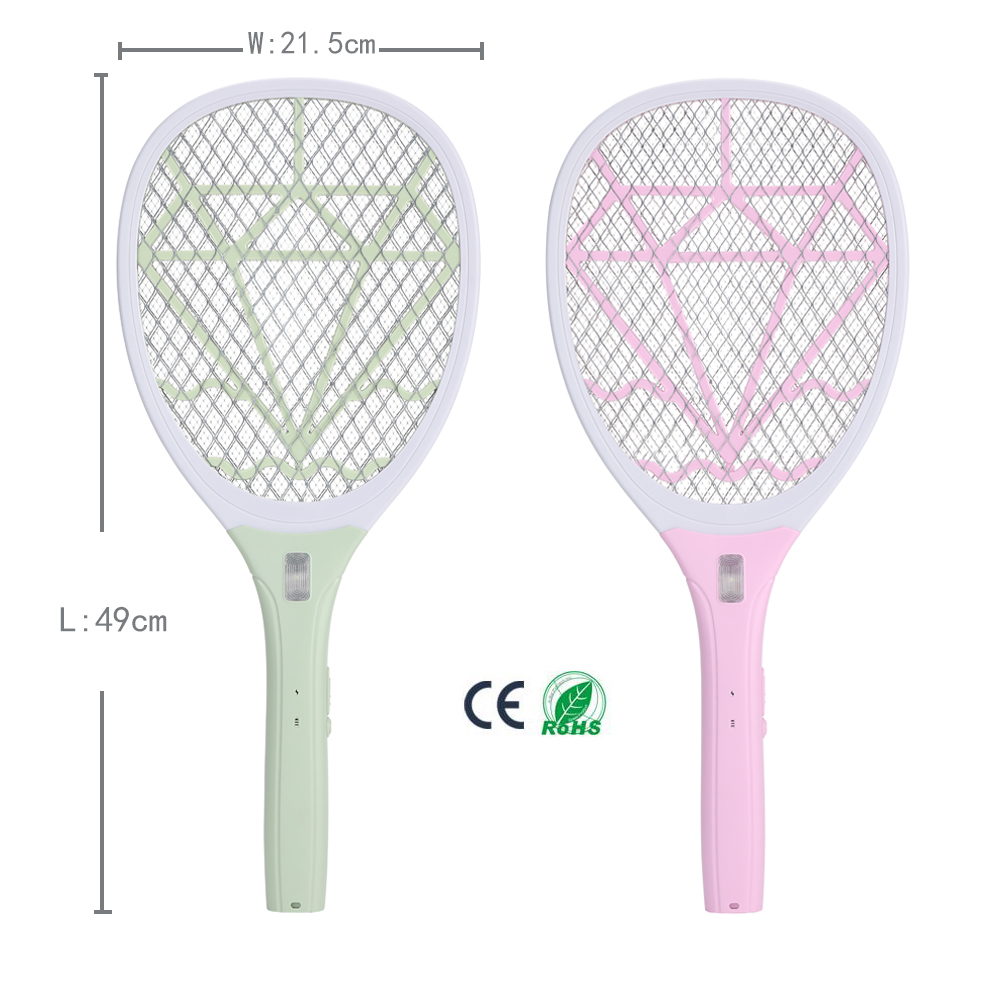
IV. Our Commitment: Products Have Fully Passed CE-EMC and CE-LVD Certifications
On the path of pursuing product quality and user safety, our company has always adhered to the concept of "Compliance First, Safety First". After strict testing and evaluation by professional institutions, all series of our company's electrical and electronic products have now fully passed CE-EMC and CE-LVD certifications. This means:
- In terms of electrical safety, our products fully comply with the requirements of the EU Low Voltage Directive. Every link from design to production has undergone strict checks to ensure the safety of users during use;
- In terms of electromagnetic compatibility, our products can adapt to complex electromagnetic environments. They will neither interfere with other devices nor be affected by external electromagnetic interference, ensuring stable operation;
- Whether it is domestic users or customers exporting to the EU, they can use our products with confidence and enjoy the high-quality experience brought by high safety standards.
In the future, we will continue to strictly comply with international standards and regulatory requirements, continuously improve the safety performance and quality of our products, create safer, more reliable, and higher-quality products for users, and fulfill the responsibilities and commitments of the enterprise.
If you want to learn more about the specific models and performance parameters of our certified products, or if you have other questions about CE-EMC and CE-LVD certifications, please feel free to let us know. We will provide you with detailed answers.
The Rumor That Mosquito Killer Lamps Are Power-Hungry Is False
Correct Usage of Electric Mosquito Swatters
Related Article

If you’re struggling with annoying mosquitoes, flies, and other flying pests indoors and outdoors, upgrading from traditional manual tools to anElectric Mosquito Swatter is the most efficient solution. Many homeowners and renters search where to buy fly swatter online to find durable, safe, and high-performance electric models that deliver instant pest control.
Where to Buy Fly Swatter
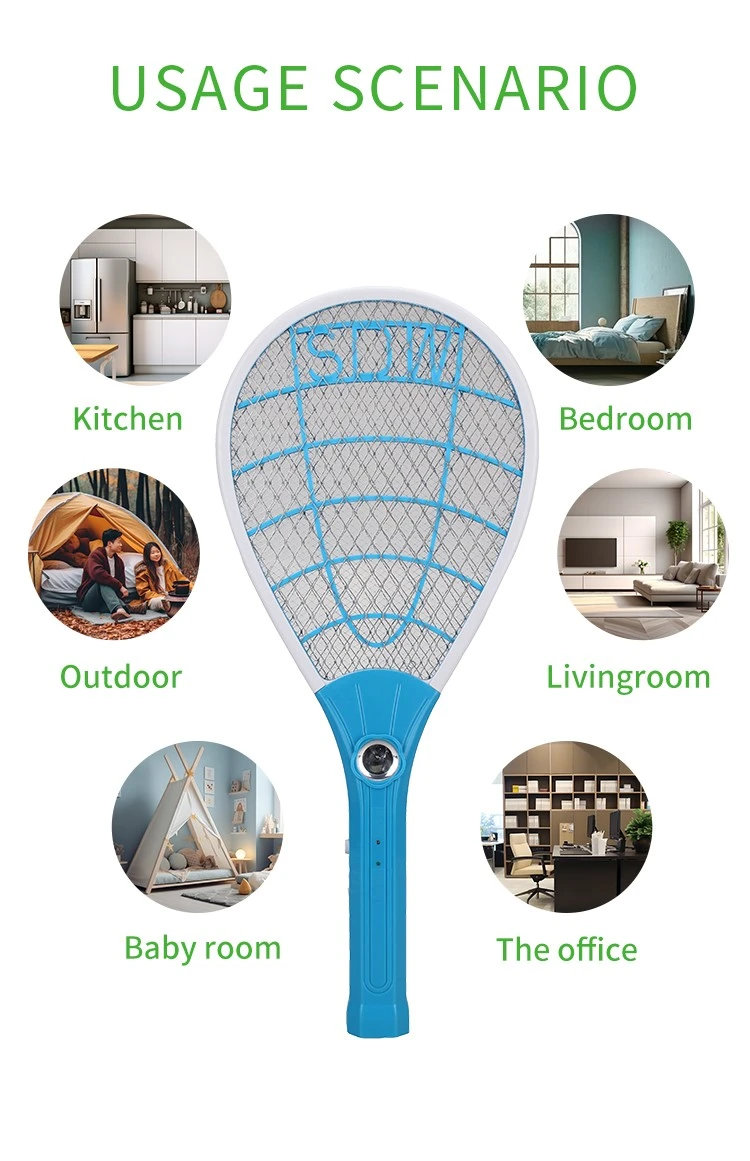
Most importers of electric mosquito swatters obsess over the first order: samples requested, factories vetted, a pre-shipment inspection booked. Then the reorder arrives eight months later and something is off. The grid feels softer. The charge port is a slightly different shade of black. The carton thickness dropped from 350 gsm to 300 gsm. Nothing is catastrophic — but the product no longer matches what your retail customers approved, and quietly, your return rate starts climbing.
How to Keep Mosquito Swatter Quality Consistent Across Repeat Orders

Warranty returns are the silent margin killer in the mosquito control category. A distributor who buys a swatter at $1.80 FOB and retails it at $9.90 can absorb a 1% return rate without noticing — but at 5%, the combined cost of replacement units, reverse logistics, and refund processing erases most of the line's profit.
Common mosquito swatter killer lamp failure modes wholesale spec guide

Digital bathroom scales rank as the second-highest-volume consumer weighing product category, only behind kitchen scales, with distinct market and product characteristics that set them apart from other scale types in importers’ product portfolios.
Digital bathroom body fat-bia-scale wholesale buyers guide