
A Complete Guide to Electric Mosquito Swatter Testing
2026-01-14
A Complete Guide to Electric Mosquito Swatter Testing: Key Contents You Must Know
Did you know? The quality and safety of the seemingly simple electric mosquito swatter are directly related to personal safety during use. To ensure consumers use reliable products, electric mosquito swatters must undergo a series of rigorous tests before leaving the factory. Today, we will detail the core contents included in electric mosquito swatter testing.
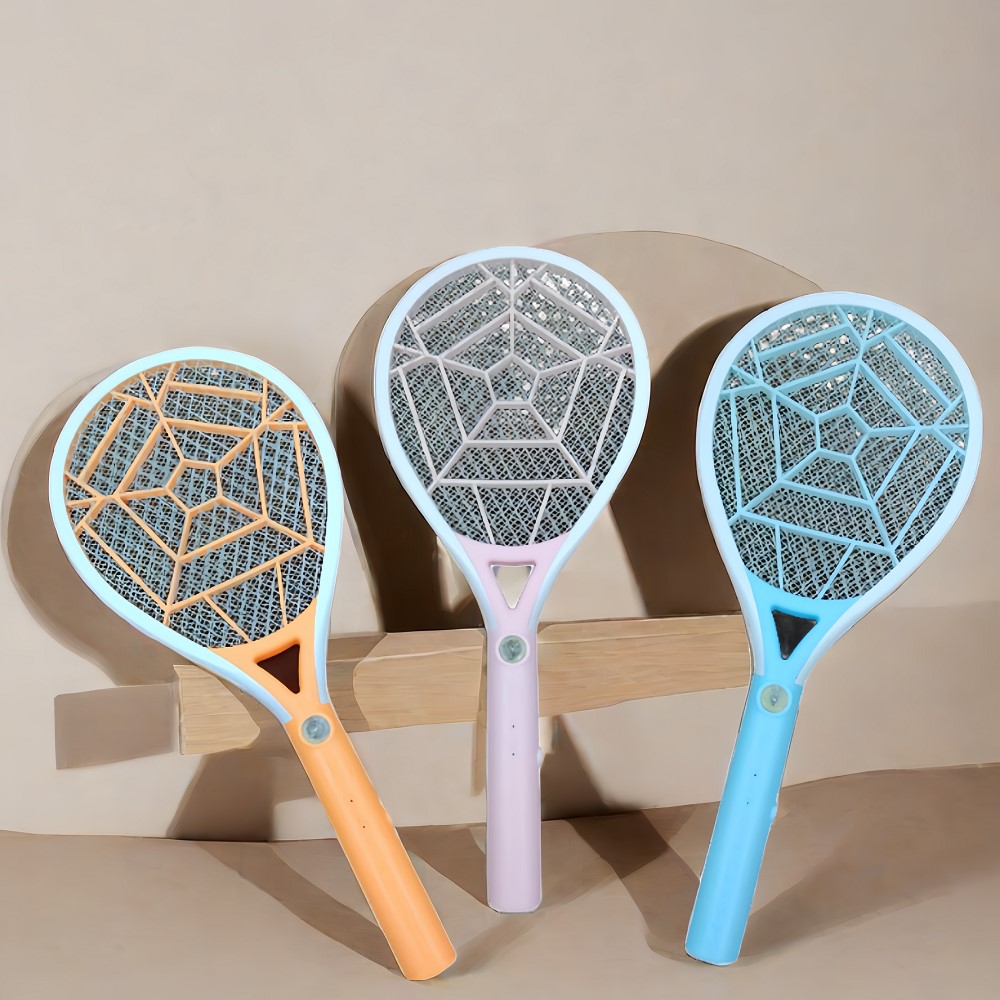
I. Safety Performance Testing: The Core Line of Defense for Usage Safety
As a small household appliance, the safety performance of electric mosquito swatters is the top priority of testing. It mainly focuses on core requirements such as "electric shock prevention, leakage prevention, and overheating prevention", including the following specific items:
1. Insulation Resistance Test
Insulation resistance is a key indicator to determine whether an electric mosquito swatter has leakage risks. During testing, professional instruments are used to apply a certain DC voltage (usually 500V) between the live parts of the electric mosquito swatter and accessible parts such as the shell and handle, and measure the insulation resistance value between them. According to relevant standards, the insulation resistance of a qualified electric mosquito swatter should not be less than 2MΩ. If the resistance value is too low, it indicates poor insulation performance, and electric shock accidents due to leakage are likely to occur during use.
2. Withstand Voltage Test
This test aims to verify the ability of the insulation structure of the electric mosquito swatter to withstand transient overvoltages. During the test, a specified AC voltage (generally 1500V-2000V) is applied between the live parts and non-live metal parts for a certain period of time (usually 1 minute). If there are no phenomena such as breakdown or flashover (i.e., surface discharge) during this period, it indicates that the withstand voltage performance of the electric mosquito swatter is qualified, and it can cope with voltage fluctuations that may occur in daily use.
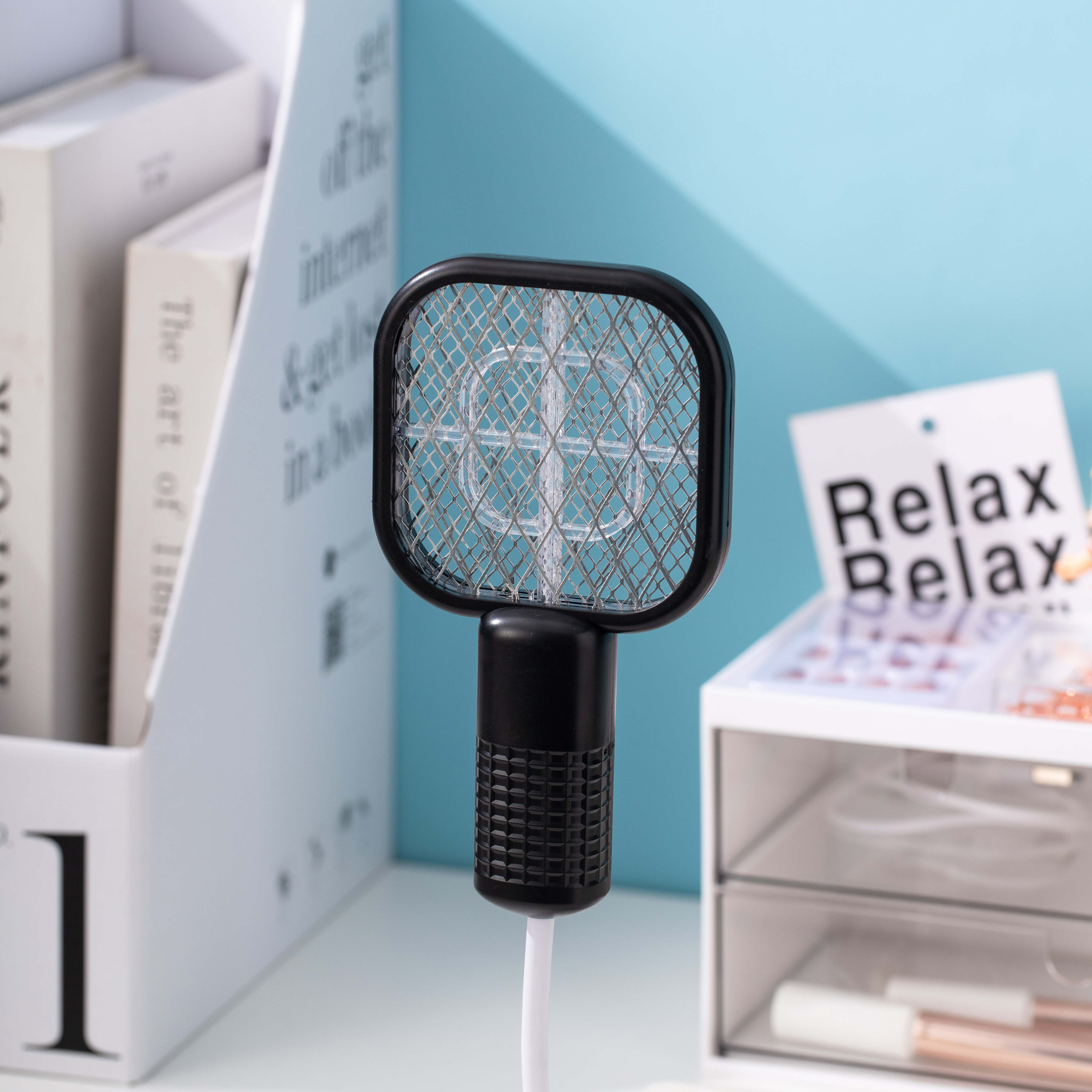
3. Electric Shock Protection Test
The power grid of the electric mosquito swatter is the core live part. To prevent users (especially children) from being injured by accidental contact, the electric shock protection test must be carried out. The test simulates the scenario of human contact, using standard test fingers (simulating adult fingers) and test probes (simulating children's fingers) to touch different parts of the power grid respectively. A qualified electric mosquito swatter should prevent the test finger/probe from touching the live part through structural design (such as power grid spacing, protective net cover), or no current endangering personal safety will be generated when touched.
4. Overheating Protection Test
If the electric mosquito swatter does not have an overheating protection device under long-term use or abnormal working conditions (such as power grid short circuit), it may cause a fire due to excessive temperature. During the test, the electric mosquito swatter is continuously operated under rated voltage or a short-circuit state is simulated to monitor the temperature change of its internal key components (such as circuit boards, batteries). Qualified products should automatically cut off the power supply through devices such as fuses and temperature-controlled switches before the temperature reaches the safety threshold to achieve overheating protection.
II. Electrical Performance Testing: Ensuring Usage Effect and Stability
In addition to safety, the usage effect and service life of the electric mosquito swatter also depend on good electrical performance. This part of the test mainly targets core functions such as "power supply, mosquito killing ability, and battery life":
1. Rated Voltage and Power Test
Test whether the actual power of the electric mosquito swatter under rated voltage is consistent with the product marking. Excessively high power may lead to increased energy consumption and accelerated component aging; excessively low power will affect the electric shock intensity of the power grid and reduce the mosquito killing effect. The actual power is calculated by measuring the input voltage and current with professional instruments to ensure it is within the error range allowed by the standard.
2. Power Grid Voltage Test
The mosquito killing principle of the electric mosquito swatter is to generate high-voltage electric shocks to mosquitoes through the power grid. Therefore, the voltage of the power grid directly determines the mosquito killing effect. During the test, professional equipment such as high-voltage probes are used to measure the actual voltage at both ends of the power grid. The power grid voltage of qualified products should meet the product design requirements (usually 2000V-3000V), which can effectively kill mosquitoes without increasing safety risks due to excessive voltage.
3. Battery Life Test (for Rechargeable Electric Mosquito Swatters)
For rechargeable electric mosquito swatters, battery life is an important user experience indicator. During the test, the electric mosquito swatter is first fully charged, then continuously operated under rated working conditions, and the time from full charge to automatic power off is recorded. At the same time, the charging time is also tested to see if it meets the marking, as well as the charging efficiency and safety of the battery during charging, to ensure that the battery will not have abnormal conditions such as overcharging and over-discharging, and to guarantee the stability of battery life and the service life of the battery.
4. Switch Performance Test
Test the reliability and durability of the power switch of the electric mosquito swatter. The mechanical device is used to simulate the user's repeated pressing of the switch (usually thousands of times) to observe whether the switch can stably realize the "on/off" function and whether there are problems such as poor contact and failure. A qualified switch should have a good hand feel and sufficient service life to avoid sudden power off or inability to shut down during use.
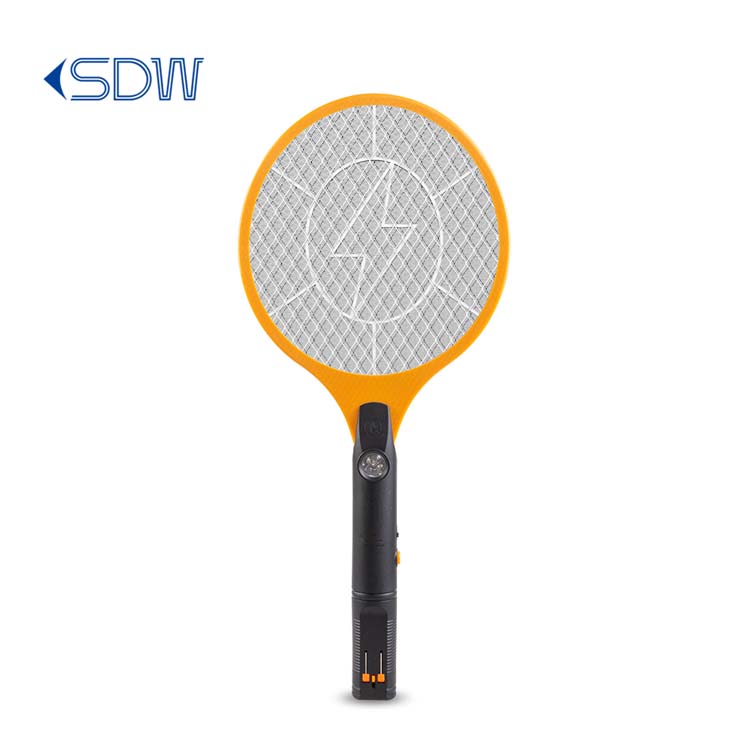
III. Physical Performance and Appearance Testing: Ensuring Product Durability and Compliance
The physical structure and appearance of the electric mosquito swatter not only affect the aesthetics but also relate to the durability and safety during use. The specific testing items include:
1. Structural Integrity Test
Check whether the assembly of components such as the shell, power grid, and handle of the electric mosquito swatter is firm, and whether there are defects such as looseness, falling off, and cracks. Focus on testing the fixing of the power grid to avoid short circuits or failure of electric shock protection caused by deformation and displacement of the power grid during use. At the same time, check whether the screws, buckles, and other connectors of the product are complete and effective.
2. Material Strength Test
The shell of the electric mosquito swatter is usually made of plastic material, which needs to have a certain impact resistance and drop resistance. During the test, the electric mosquito swatter will be dropped from a specified height (usually 1 meter) to a hard ground in accordance with standard requirements to observe whether the shell is damaged or cracked; at the same time, a compression test is carried out on the shell to ensure that it will not be deformed or damaged due to slight extrusion in daily use.
3. Appearance Quality Test
Check whether the appearance of the electric mosquito swatter meets the requirements, including whether the surface of the shell is smooth, free of scratches, bubbles, and obvious color difference; whether the product marks (such as rated voltage, power, manufacturer, warning signs, etc.) are clear, complete, and firm; whether the surface of the power grid is clean, free of rust and deformation, and whether the electrode spacing is uniform.
IV. Environmental Adaptability Testing: Verifying Reliability in Different Scenarios
Electric mosquito swatters may be used in different environments (such as humid bathrooms, hot balconies). Therefore, environmental adaptability testing is required to ensure that they can work normally and safely and reliably under extreme conditions:
1. High Temperature and Humidity Test
Put the electric mosquito swatter into a constant temperature and humidity chamber, set a high temperature (such as 40℃) and high humidity (such as 90%RH) environment, and place it for a certain period of time (usually 48 hours). After the test, check whether the appearance of the electric mosquito swatter is deformed or aged, and whether the insulation performance and electrical performance still meet the requirements, so as to avoid leakage or component damage caused by the humid environment.
2. Low Temperature Test
Place the electric mosquito swatter in a low-temperature environment (such as -10℃) for a period of time to simulate the winter storage or low-temperature use scenario. After the test, check whether the shell is brittle and cracked, and whether the battery life and electrical performance are normal, to ensure that the product can work stably under low-temperature conditions.
Conclusion: Qualified Electric Mosquito Swatters Require Comprehensive Testing
From safety performance to electrical performance, from physical structure to environmental adaptability, the testing of electric mosquito swatters covers the entire scenario and life cycle of product use. These testing items are not only the "firewall" to ensure the personal safety of consumers but also the key to ensuring the product's use effect and durability. Therefore, it is recommended that when purchasing electric mosquito swatters, you should first choose products with 3C certification and qualified testing, and never buy "three-no" products, so that mosquito killing is safer and more assured.
Is the Rotating Electric Mosquito Swatter Really Useful
300mAh vs 500mAh Mosquito Swatter
Related Article

If you’re struggling with annoying mosquitoes, flies, and other flying pests indoors and outdoors, upgrading from traditional manual tools to anElectric Mosquito Swatter is the most efficient solution. Many homeowners and renters search where to buy fly swatter online to find durable, safe, and high-performance electric models that deliver instant pest control.
Where to Buy Fly Swatter
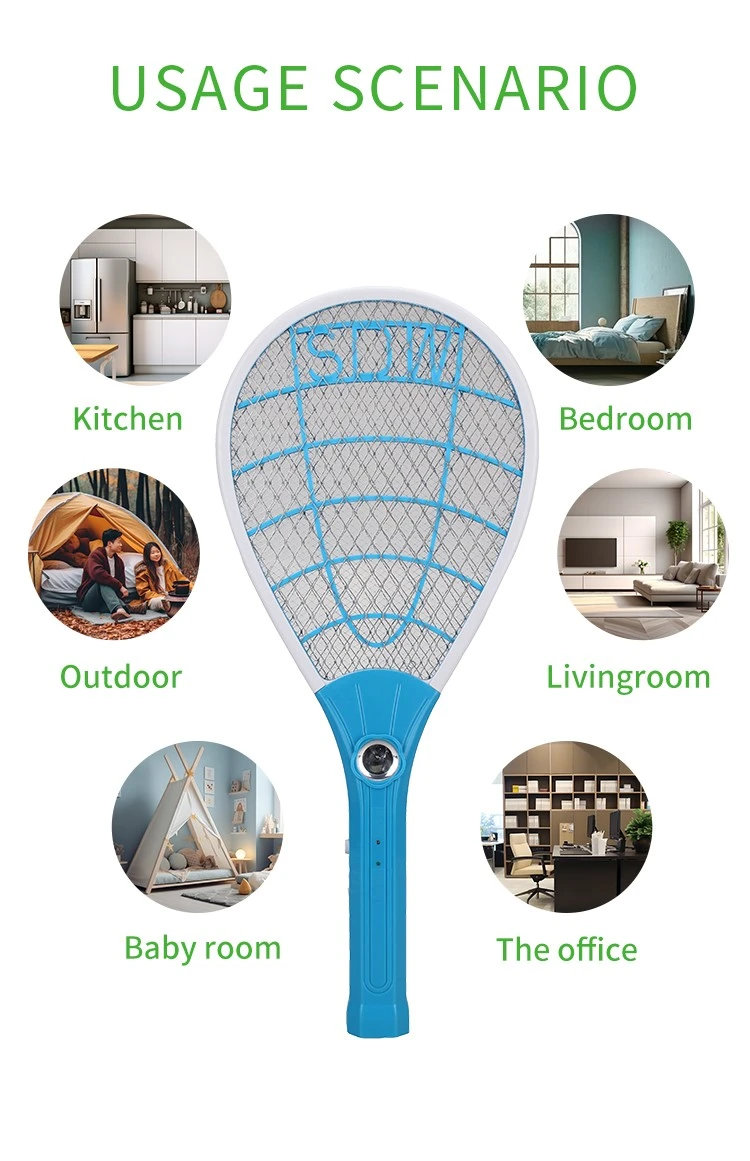
Most importers of electric mosquito swatters obsess over the first order: samples requested, factories vetted, a pre-shipment inspection booked. Then the reorder arrives eight months later and something is off. The grid feels softer. The charge port is a slightly different shade of black. The carton thickness dropped from 350 gsm to 300 gsm. Nothing is catastrophic — but the product no longer matches what your retail customers approved, and quietly, your return rate starts climbing.
How to Keep Mosquito Swatter Quality Consistent Across Repeat Orders
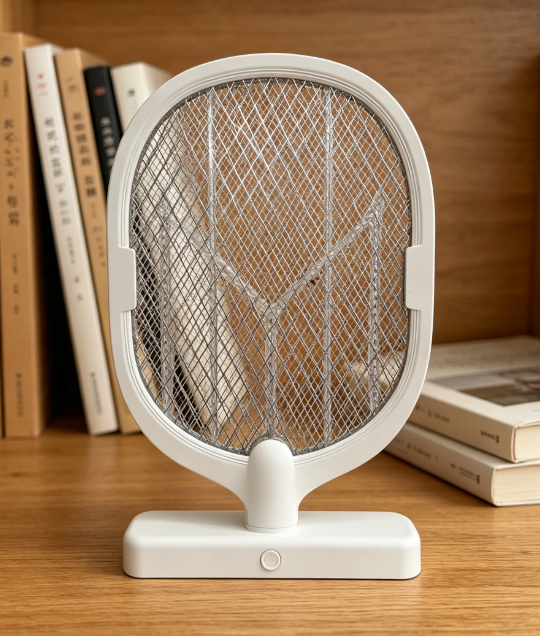
Warranty returns are the silent margin killer in the mosquito control category. A distributor who buys a swatter at $1.80 FOB and retails it at $9.90 can absorb a 1% return rate without noticing — but at 5%, the combined cost of replacement units, reverse logistics, and refund processing erases most of the line's profit.
Common mosquito swatter killer lamp failure modes wholesale spec guide

Digital bathroom scales rank as the second-highest-volume consumer weighing product category, only behind kitchen scales, with distinct market and product characteristics that set them apart from other scale types in importers’ product portfolios.
Digital bathroom body fat-bia-scale wholesale buyers guide