
A Comprehensive Guide from Principles to Dry Battery Mosquito Swatters
2025-09-10
Understanding Dry Batteries: A Comprehensive Guide from Principles to Dry Battery Mosquito Swatters
In daily life, dry batteries are the familiar "little energy cubes" that we encounter almost everywhere, powering devices ranging from remote controls and flashlights to children's toys. And dry battery mosquito swatters, as essential mosquito - killing tools in summer, take the portability of dry batteries to the extreme. Today, we will start with "what is a dry battery", delve into the core knowledge of dry batteries, and then focus on analyzing the advantages and disadvantages of dry battery mosquito swatters to help you gain a comprehensive understanding of this common tool.
1. What is a Dry Battery? Basic Concepts and Working Principles
Many people's understanding of dry batteries is limited to "a small box that holds electricity", but its internal structure and energy conversion logic are actually quite interesting. Simply put, a dry battery is a disposable chemical power source that converts chemical energy into electrical energy through internal chemical reactions to supply power to small electrical appliances.
1.1 The Core Structure of a Dry Battery
The structure of a dry battery is not complicated and mainly consists of four parts:
- Positive Electrode: Usually a carbon rod (graphite), located in the center of the battery, responsible for outputting current;
- Negative Electrode: Generally a zinc can (metallic zinc), which serves as the outer shell of the battery and participates in chemical reactions at the same time;
- Electrolyte: A paste - like substance (such as a mixture of ammonium chloride and manganese dioxide) filled between the positive and negative electrodes. This is the key difference between a "dry battery" and a "wet battery" (such as an automobile lead - acid battery, where the electrolyte is a liquid);
- Separator: Wrapped around the positive electrode to prevent direct contact between the positive and negative electrodes (which would cause a short circuit) while allowing ions to pass through.
1.2 The Working Principle of a Dry Battery
When a dry battery is connected to an electrical appliance (such as a mosquito swatter or a remote control), a spontaneous redox reaction occurs inside it: the zinc can at the negative electrode is gradually oxidized and releases electrons; the electrons flow to the positive electrode through the external circuit (the electrical appliance) to form a current, which supplies power to the electrical appliance; at the same time, the ions in the electrolyte move internally to maintain charge balance. The chemical reaction stops only when the zinc can is completely consumed, and the battery is then "dead".
2. Dry Battery Mosquito Swatters: A Common Choice for Mosquito Control in Summer
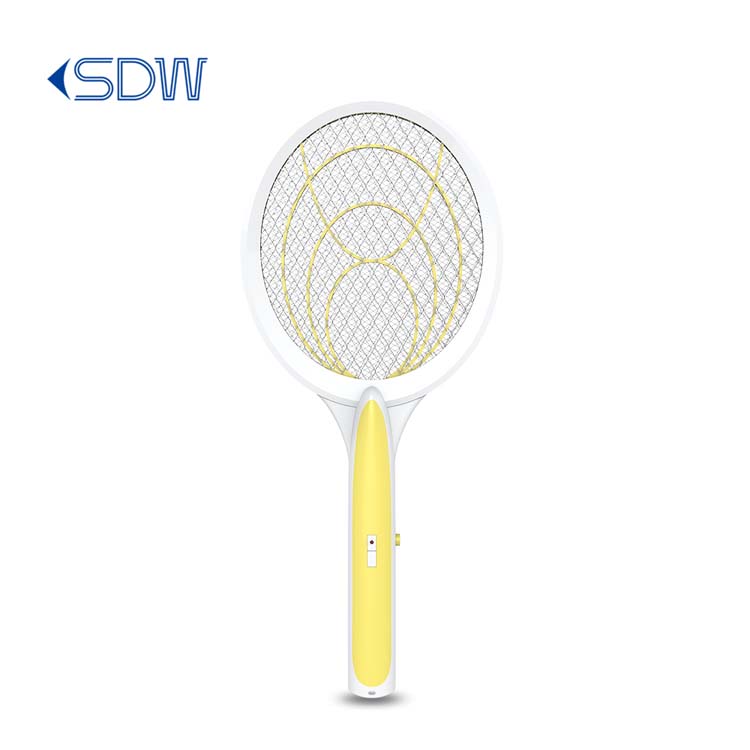
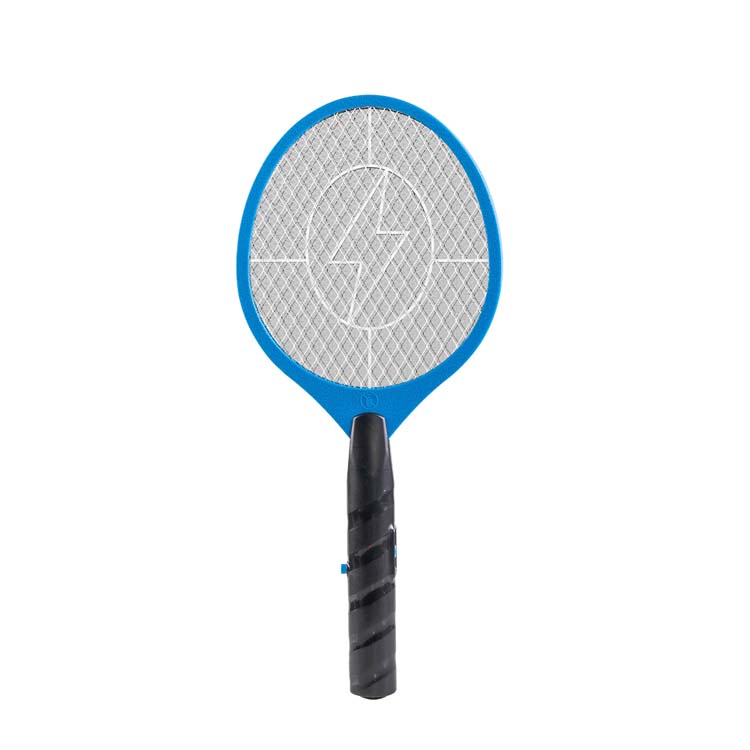
A dry battery mosquito swatter is a mosquito - killing tool that uses dry batteries as the power source and combines them with a high - voltage power grid. It does not need to be plugged in and is flexible to use, making it a "standard item" in many households in summer. However, like all tools, it has obvious advantages and disadvantages.
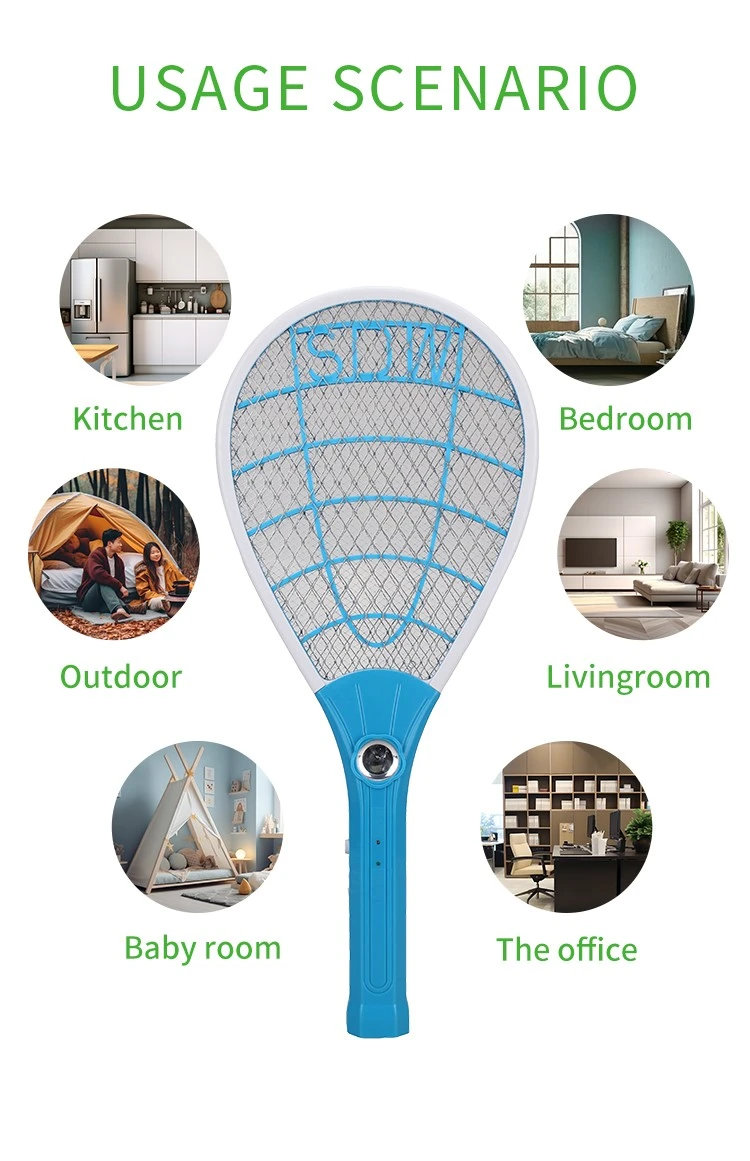
- Flexible Use, Not Restricted by Power Sources: This is the core advantage of dry battery mosquito swatters. Whether it is in the living room, bedroom, balcony, or courtyard, as long as dry batteries are installed, you can pick it up and use it at any time without relying on sockets. It is especially suitable for outdoor or temporary mosquito - killing scenarios (such as camping or power outages).
- Compact Size, Easy to Carry and Store: Most dry battery mosquito swatters are relatively light (usually 100 - 200 grams) and have a length of about 50 - 60 centimeters. After use, they can be easily put into drawers or cabinets without taking up much space, and they are also convenient to carry when going out.
- Relatively High Safety (Compared with Rechargeable Models): The voltage of dry batteries is usually 1.5V (for common AA or AAA batteries). Although there is a voltage - boosting circuit inside the mosquito swatter, due to the limited battery capacity, the single discharge energy is relatively low. When you accidentally touch the power grid, the electric shock feeling to the human body is relatively weak (but children should still be prevented from touching it); moreover, there is no risk of overheating or liquid leakage during charging, so you can use it with more confidence.
- Low Cost and Convenient Replacement: The unit price of dry battery mosquito swatters is usually lower than that of rechargeable ones, and battery replacement is simple - AA or AAA batteries on the market are easy to buy. When the battery runs out, you can directly replace it without waiting for charging.
2.2 Disadvantages of Dry Battery Mosquito Swatters
- Battery - Dependent Battery Life and High Long - Term Use Cost: Dry batteries are disposable power sources, and their battery life completely depends on the battery capacity. If there are many mosquitoes in summer and the mosquito swatter is used frequently, you may need to replace the battery once every 1 - 2 weeks; in the long run, the cost of buying batteries will gradually accumulate, which is more expensive than rechargeable models (which can be used for several weeks with a single charge).
- Risk of Battery Leakage, Which May Damage the Mosquito Swatter: If low - quality dry batteries are used, or the batteries are left in the mosquito swatter for a long time when not in use, liquid leakage is likely to occur. The leaked electrolyte will corrode the internal circuits and metal parts of the mosquito swatter, causing the mosquito swatter to malfunction or even become irreparable.
- Relatively Low Power and Limited Mosquito - Killing Efficiency: Due to the limited capacity of dry batteries, the power of the high - voltage power grid of dry battery mosquito swatters is usually lower than that of rechargeable models. When dealing with larger mosquitoes (such as Culex mosquitoes), it may take longer contact to kill them; sometimes, there will be cases where "mosquitoes are stunned but not dead", so the mosquito - killing effect is not as good as that of high - power rechargeable models.
- Not Environmentally Friendly, Causing Waste Battery Pollution: Dry batteries are disposable consumer goods. If they are discarded at will after use, the heavy metals (such as mercury and cadmium) inside them may seep into the soil and water sources, causing environmental pollution. Although there are "mercury - free dry batteries" now, they still need to be sorted and recycled, which increases the processing cost.
3. Summary: Who is the Dry Battery Mosquito Swatter Suitable for? How to Choose It?
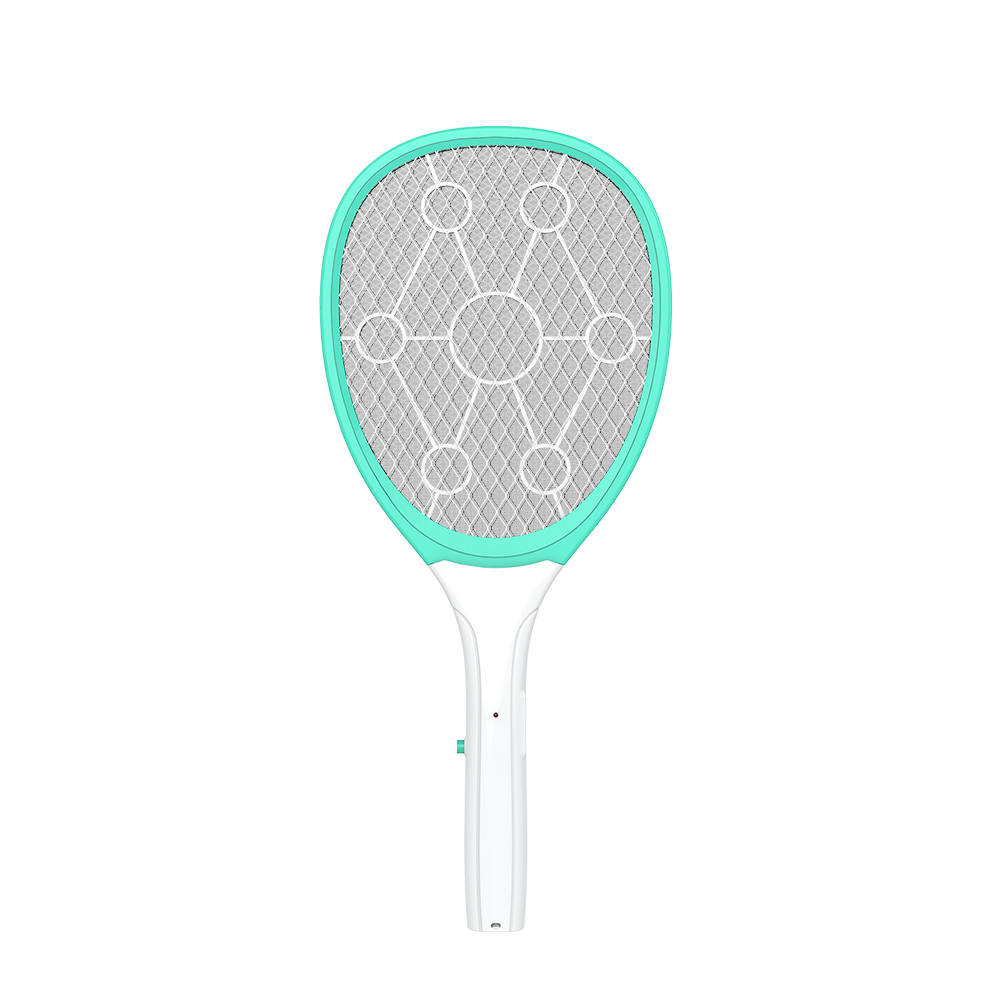
Overall, dry battery mosquito swatters are more suitable for people who use them for a short time, in outdoor scenarios, or who find charging inconvenient, such as tenants, camping enthusiasts, or families with the elderly or children who are more concerned about the "no charging risk". If you choose a dry battery mosquito swatter, it is recommended to pay attention to two points:
- Choose Models Compatible with Common Batteries: Priority should be given to mosquito swatters that use AA or AAA batteries. Such batteries are easy to buy, and there is no need to adapt to special models additionally;
- Check the Battery Status Regularly: When not in use, take out the batteries in time to avoid liquid leakage; when replacing the batteries, choose formal brand mercury - free dry batteries to reduce pollution and the risk of malfunctions.
If you need to use it for a long time and frequently (such as in summer in southern China), or if you pay more attention to "cost - effectiveness and environmental protection", rechargeable mosquito swatters may be a more suitable choice. But no matter which type you choose, only by using and maintaining it correctly can the mosquito - killing tool play its maximum role.
Pay Tribute to Teachers and Recall the Warmth and Significance of the Festival
Weak Electric Shock from Mosquito Swatter
Related Article

If you’re struggling with annoying mosquitoes, flies, and other flying pests indoors and outdoors, upgrading from traditional manual tools to anElectric Mosquito Swatter is the most efficient solution. Many homeowners and renters search where to buy fly swatter online to find durable, safe, and high-performance electric models that deliver instant pest control.
Where to Buy Fly Swatter
Most importers of electric mosquito swatters obsess over the first order: samples requested, factories vetted, a pre-shipment inspection booked. Then the reorder arrives eight months later and something is off. The grid feels softer. The charge port is a slightly different shade of black. The carton thickness dropped from 350 gsm to 300 gsm. Nothing is catastrophic — but the product no longer matches what your retail customers approved, and quietly, your return rate starts climbing.
How to Keep Mosquito Swatter Quality Consistent Across Repeat Orders
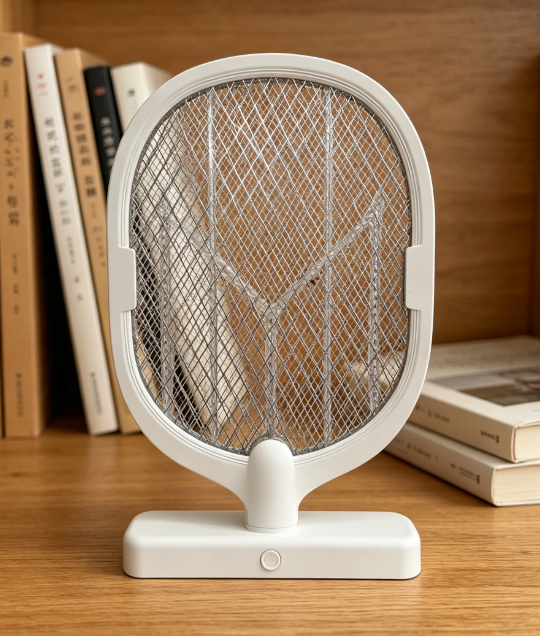
Warranty returns are the silent margin killer in the mosquito control category. A distributor who buys a swatter at $1.80 FOB and retails it at $9.90 can absorb a 1% return rate without noticing — but at 5%, the combined cost of replacement units, reverse logistics, and refund processing erases most of the line's profit.
Common mosquito swatter killer lamp failure modes wholesale spec guide

Digital bathroom scales rank as the second-highest-volume consumer weighing product category, only behind kitchen scales, with distinct market and product characteristics that set them apart from other scale types in importers’ product portfolios.
Digital bathroom body fat-bia-scale wholesale buyers guide