
A Guide to Correctly Using Electric Mosquito Swatters
2025-11-02
A Guide to Correctly Using Electric Mosquito Swatters: Stay Safe While Mosquito-Proofing – Don't Overlook These Key Points!
Did you know that if used incorrectly, electric mosquito swatters may not only "fail to hit mosquitoes" but also pose safety risks such as electric shock and fire? Today, let's take a detailed look at the correct way to use electric mosquito swatters, helping you eliminate mosquitoes efficiently while upholding safety standards.
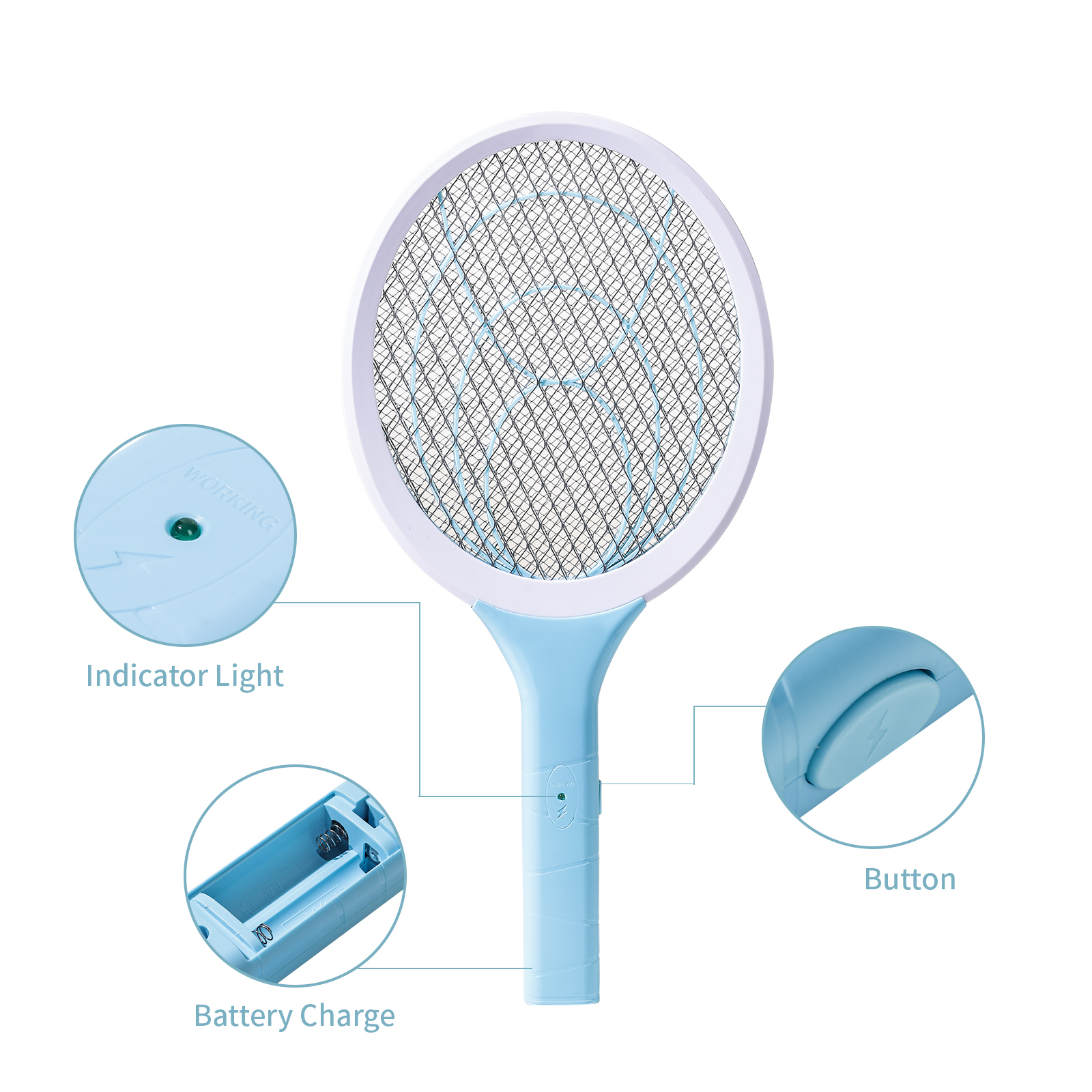
I. Before Use: Complete 3 "Inspection and Preparation" Steps to Avoid Hidden Dangers
Before picking up the electric mosquito swatter, don't rush to turn it on. Spend 1 minute conducting basic checks first – this is the first step to safe use.
- Inspect the Appearance and Wiring: Carefully check if the swatter's grid, handle, and charging port are in good condition. If you find the grid is deformed or damaged, the handle shell is cracked, or wires are exposed, stop using it immediately – a damaged grid may cause electric leakage, leading to electric shock if touched.
- Check the Power Level: Whether it's a rechargeable or battery-powered electric mosquito swatter, ensure it has sufficient power before use. If a rechargeable swatter has low power, the grid voltage will be insufficient, possibly "failing to electrocute mosquitoes" and instead scaring them away. For battery-powered ones, remember to replace old batteries with new ones in a timely manner to prevent old batteries from leaking and damaging the device.
- Clear the Usage Environment: First, move flammable and explosive items (such as alcohol, mosquito repellent spray, and mosquito coil liquid bottles) away from the usage area. At the same time, prevent the grid from coming into contact with water (e.g., damp floors after mopping, stagnant water on the balcony) – electric mosquito swatters are electrical appliances, and contact with water may cause short circuits or even electric shock.
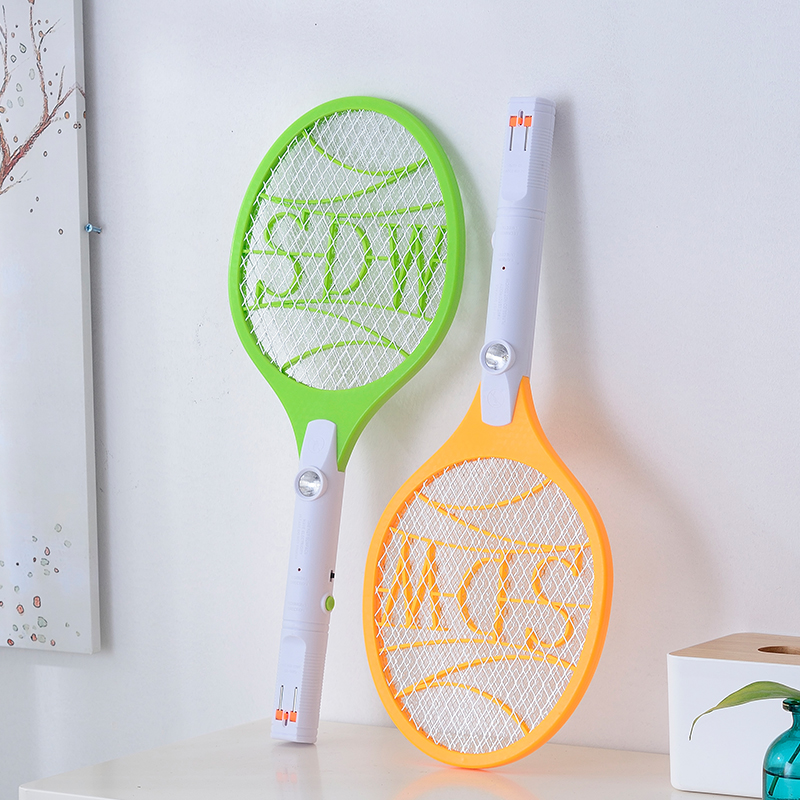
II. During Use: Master 4 "Operation Key Points" for Efficient Mosquito Elimination
After making preparations, it's time for the "practical phase". Correct operation can double the efficiency of mosquito elimination and reduce device wear and tear.
- Maintain the Correct Grip: Hold the middle part of the swatter's handle with your palm, and place your fingers naturally on the switch, keeping them away from the grid area. Relax your arm when holding the swatter and avoid excessive force – this not only allows flexible adjustment of direction but also prevents arm soreness after prolonged use.
- "Slow Motion" When Aiming at Mosquitoes: Mosquitoes fly quickly. If you swing the swatter directly and quickly, it's easy for mosquitoes to escape through the gaps in the grid. The correct method is: first approach the mosquito gently (keeping a distance of 30-50 centimeters), wait until the mosquito lands on a wall, tabletop, or stays stationary in the air, then slowly align the grid with the mosquito, quickly press the switch, and move the swatter closer – when you hear a "crackling" electric shock sound, it means the mosquito has been eliminated.
- Avoid "Empty Swatting" or "Swatting Hard Objects": Some people are in the habit of "swatting at thin air" or using the grid to hit walls and furniture. This can cause the grid to deform and short-circuit, shortening the service life of the electric mosquito swatter. If a mosquito lands on soft fabrics like curtains or bed sheets, it's recommended to gently shake the fabric first to make the mosquito fly up, then aim with the electric mosquito swatter. Avoid direct contact between the grid and the fabric (some fabrics may be damaged by electric shock).
- Keep Children and Pets Away from the Operation Area: When using the swatter, ensure children are kept away (to prevent them from accidentally touching the switch or grid) and keep an eye on pets (to stop them from biting the grid out of curiosity). If you need to demonstrate it to a child, be sure to turn off the power first and hold the electric mosquito swatter in your hand throughout the process – never let children touch it alone.

III. After Use: Complete 2 "Finishing Steps" to Extend Service Life
After finishing mosquito elimination, don't just throw the electric mosquito swatter aside. Correct post-use handling can make the device last longer.
- Turn Off the Power First, Then Clean the Grid: First, turn off the switch of the electric mosquito swatter. If it has a power plug, unplug it first. Then, use a toothpick or cotton swab to gently clean the mosquito corpses in the gaps of the grid (avoid touching the grid directly with your hands to prevent electric shock from residual current). After cleaning, place the electric mosquito swatter in a dry, well-ventilated place (such as a living room drawer or balcony storage cabinet), avoiding direct sunlight or damp environments.
- Charge Scientifically and Avoid "Overcharging": For rechargeable electric mosquito swatters, pay attention to the charging time – usually, it takes 4-6 hours to fully charge (refer to the product manual for specific details). Do not charge it overnight or overcharge it, as this will damage the battery and cause power attenuation. If you don't use it for a long time (e.g., in winter), it's recommended to fully charge it before storage and recharge it every 3 months to prevent battery depletion.
IV. These "Taboos" Must Be Remembered!
Finally, remind everyone that the following behaviors are strictly prohibited when using electric mosquito swatters:
- Do not operate the electric mosquito swatter with wet hands, and do not use it in damp environments such as bathrooms and kitchens;
- Do not bring the electric mosquito swatter close to fire sources (such as candles and lighters) – the electric sparks generated by the grid may ignite flammable materials;
- Do not disassemble the electric mosquito swatter privately (especially the charging module and grid part) – seek professional help for repairs;
- Do not "modify" or "dismantle" old electric mosquito swatters – dispose of discarded ones as "waste electrical appliances" according to classification rules, and do not discard them randomly.
Although electric mosquito swatters are small, only correct use can maximize their effectiveness. It is hoped that this guide can help you deal with mosquito troubles easily.
The 2-in-1 Mosquito Swatter Doubles Your Mosquito-Killing Efficiency
Why Are Lithium-Ion Battery Mosquito Swatters of Better Quality
Related Article

If you’re struggling with annoying mosquitoes, flies, and other flying pests indoors and outdoors, upgrading from traditional manual tools to anElectric Mosquito Swatter is the most efficient solution. Many homeowners and renters search where to buy fly swatter online to find durable, safe, and high-performance electric models that deliver instant pest control.
Where to Buy Fly Swatter
Most importers of electric mosquito swatters obsess over the first order: samples requested, factories vetted, a pre-shipment inspection booked. Then the reorder arrives eight months later and something is off. The grid feels softer. The charge port is a slightly different shade of black. The carton thickness dropped from 350 gsm to 300 gsm. Nothing is catastrophic — but the product no longer matches what your retail customers approved, and quietly, your return rate starts climbing.
How to Keep Mosquito Swatter Quality Consistent Across Repeat Orders
Warranty returns are the silent margin killer in the mosquito control category. A distributor who buys a swatter at $1.80 FOB and retails it at $9.90 can absorb a 1% return rate without noticing — but at 5%, the combined cost of replacement units, reverse logistics, and refund processing erases most of the line's profit.
Common mosquito swatter killer lamp failure modes wholesale spec guide

Digital bathroom scales rank as the second-highest-volume consumer weighing product category, only behind kitchen scales, with distinct market and product characteristics that set them apart from other scale types in importers’ product portfolios.
Digital bathroom body fat-bia-scale wholesale buyers guide