
A Guide to Packaging Design for Electric Mosquito Swatters
2026-01-28
Master User Psychology! A Guide to Packaging Design for Electric Mosquito Swatters & Mosquito Traps
With the rampant mosquitoes in summer, electric mosquito swatters and mosquito traps have become essential items for households and offices. Among the numerous similar products on the shelves, packaging is the first line of defense to attract users' attention and drive purchases. The core of designing packaging that resonates with target users lies not in piling up elements, but in accurately matching user needs and usage scenarios, making packaging a "visual spokesperson" for product value. Below, we break down the packaging design key points for both products from the perspectives of target user segmentation and core design dimensions.
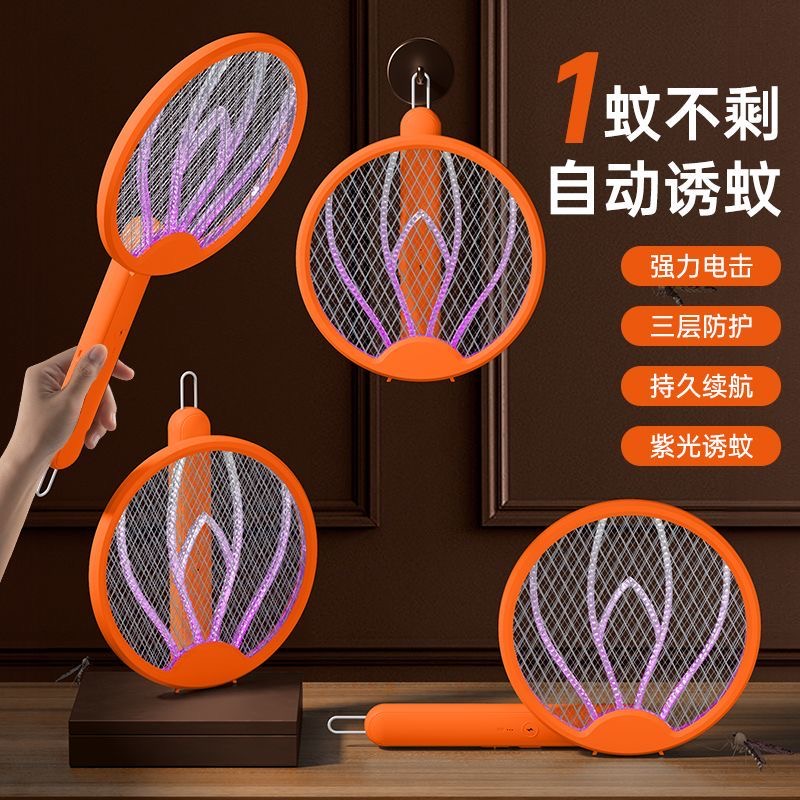
Step 1: Identify Target Users and Set Design Anchors
The target users of electric mosquito swatters and mosquito traps overlap but also have distinct focuses. It is necessary to clarify the core audience first before conducting targeted design. The core user groups for both products can be divided into the following categories:
Core User Groups and Their Pain Points
-
Household Users (Moms, Middle-aged and Elderly Groups): Prioritize safety, practicality, and cost-effectiveness. Moms are concerned about potential hazards to infants and young children, while middle-aged and elderly groups value ease of operation. Both care about whether the packaging clearly conveys messages of "safety guaranteed" and "easy to use."
-
Young Renters (White-collar Workers, Students): Pursue appearance, portability, and space adaptability. They prefer minimalist designs and niche styles, and also pay attention to whether the packaging is lightweight, easy to store, and can integrate into the simple decoration style of rental housing.
-
Business Scene Users (Corporate Procurement, Office Administration): Value brand texture, durability, and bulk adaptability. The packaging needs to reflect professionalism, while considering needs such as stacked storage and unified logos, avoiding excessive flashiness.
The first step in packaging design is to convert user pain points into visual and functional symbols, allowing different groups to feel "this product is designed for me" the moment they see the packaging.
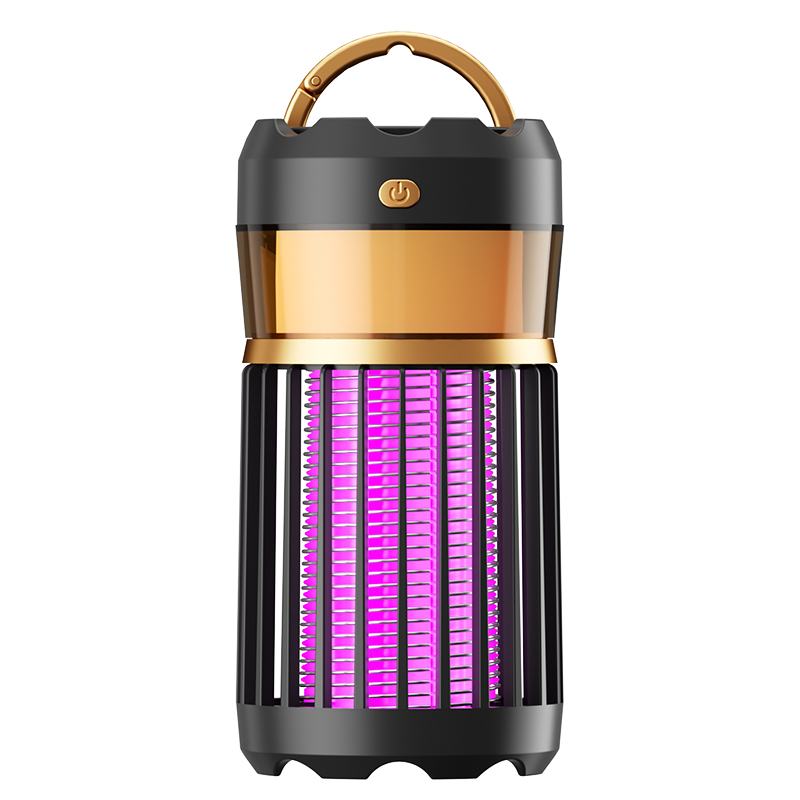
Step 2: Packaging Design for Electric Mosquito Swatters: Highlight "Practicality" and "Safety"
As an "instant kill" tool, users' core demands for electric mosquito swatters are "easy to use, safe, and long battery life." Packaging design needs to strengthen cognition around these three points while highlighting the product form.
1. Visual Design: Intuitively Convey Core Advantages
For the front packaging, it is recommended to adopt a combination of "large-area product image + concise selling points." The product image should clearly show details such as the swatter surface size, handle design, and switch position, allowing users to intuitively judge whether it meets their usage habits. In terms of color selection, soft color schemes such as light blue and off-white are suitable for household users, paired with green logos for "safety protection"; for young groups, Morandi colors and contrasting color designs can be tried to enhance appearance recognition; for business scenarios, calm color tones such as black, white, gray, and dark blue are preferred to highlight professionalism.
Selling points should be "focused without clutter," prioritizing core advantages such as "three-layer protective net," "charging endurance for XX hours," and "ergonomic handle." The font size hierarchy should be clear, allowing users to capture key information within 3 seconds. Avoid excessive technical parameters and replace them with plain language—for example, converting "high-voltage electric shock net" to "safe electric shock, mosquitoes killed with one hit."
2. Functional Design: Balance Protection and Experience
Electric mosquito swatters have long handles, so the packaging should use hard cardboard boxes or composite materials to prevent deformation and damage during transportation. At the same time, a handle groove should be reserved to fix the product firmly and avoid shaking. For mom groups, safety reminders such as "child lock design" and "protective net gap < XXmm" can be added to the side of the packaging, paired with icons to strengthen cognition and reduce decision-making concerns.
In addition, a handle can be designed on the top of the packaging for easy carrying; a simple operation diagram can be added to the back, showing steps such as charging, switching on/off, and cleaning with icons to meet the usage needs of middle-aged and elderly groups. For portable electric mosquito swatters, foldable packaging can be designed to highlight the feature of "compact and easy to store," catering to the scenario needs of renters.
Step 3: Packaging Design for Mosquito Traps: Strengthen "Quietness" and "Adaptability"
Mosquito traps are mostly long-term use products, and users' core demands are "quiet operation, high efficiency, and no damage to environmental aesthetics." Packaging design needs to focus on conveying the value of "quiet mosquito elimination" and "integration into the scene," while weakening the "tool sense."
1. Visual Design: Create Scene Atmosphere
Unlike electric mosquito swatters, the packaging of mosquito traps can reduce the proportion of product images and increase scene-based pictures. For example, show the placement effect of mosquito traps in bedrooms, living rooms, and studies, paired with copy such as "quiet operation at night" and "soft light without glare," allowing users to imagine the usage scenario and stimulate purchase desire. In terms of colors, low-saturation color schemes such as light gray, off-white, and light green are preferred to create a quiet and comfortable atmosphere, avoiding the abruptness caused by high-saturation colors.
For young users with high appearance requirements, minimalist packaging can be adopted, removing redundant decorations and outlining the product contour with lines to highlight the design sense; the packaging material can use matte paper or kraft paper to improve texture. For smart mosquito traps, icons such as Wi-Fi and APP control can be added to the corner of the packaging to concisely convey the smart attribute and attract tech enthusiasts.
2. Functional Design: Adapt to Scenarios and Cognition
Mosquito traps are suitable for a variety of scenarios, so the packaging should clearly mark the applicable area, such as "suitable for 20-30㎡ bedrooms" and "suitable for 50-80㎡ living rooms," helping users quickly judge whether it meets their own needs. For different styles such as wall-mounted, desktop, and ceiling-mounted, the packaging design needs to reflect the installation method—for example, adding a wall-mounted diagram on the side with the label "drill-free installation" to reduce users' installation concerns.
In addition, information such as the cleaning frequency and replacement accessories of mosquito traps should also be clearly presented on the back of the packaging, such as "washable filter" and "mosquito-attracting lamp service life of XX hours," to convey product durability. For household users, labels such as "chemical-free" and "safe for mothers and babies" can be marked on the packaging to strengthen the safety attribute; for business scene packaging, bulk procurement logos can be added to facilitate identification by administrative personnel.
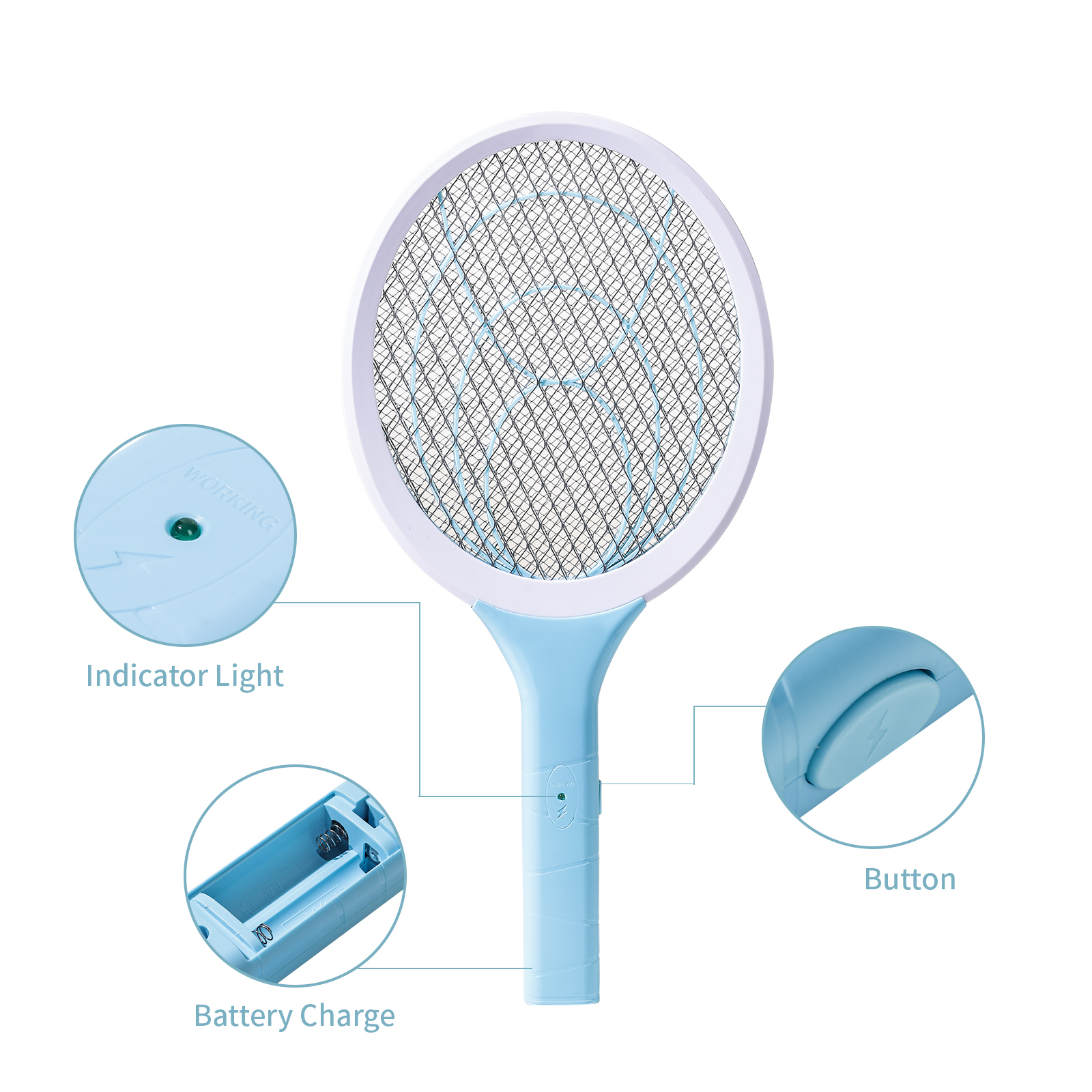
Step 4: Universal Design Tips: Bonus Points to Enhance Packaging Attractiveness
Whether for electric mosquito swatters or mosquito traps, packaging design should follow the following principles to further enhance attractiveness:
-
Brand Logo: Eye-catching but Not Obtrusive: Place the brand logo at the top or top left corner of the packaging with an appropriate font size, paired with a unified brand color scheme to strengthen brand memory points, while avoiding the logo covering core information.
-
Differentiated Design to Avoid Homogenization: Most similar products adopt the conventional layout of "product + copy." Innovative forms can be tried, such as electric mosquito swatter packaging adopting a handle curve design, and mosquito trap packaging made into a product silhouette shape to improve shelf recognition.
-
Eco-friendly Materials as a Bonus: With the improvement of users' environmental awareness, using degradable cardboard boxes and plastic-free packaging, and marking the "eco-friendly material" logo can attract environmentally conscious users and convey brand responsibility.
Conclusion: Packaging is the "First Conversation" Between Product and User
The essence of packaging design for electric mosquito swatters and mosquito traps is to build a communication bridge with vision, function, and copy from the perspective of target users. There is no need to pursue complex designs—just accurately capture user pain points: household users value safety, young groups value appearance, and business users value professionalism. Let the packaging accurately convey product value, and it will stand out among numerous similar products and become a key driver of purchases.
Why Do Production Costs of Goods Rise Collectively at Year-End
Revealing the Best-Selling Mosquito Swatter Colors
Related Article

If you’re struggling with annoying mosquitoes, flies, and other flying pests indoors and outdoors, upgrading from traditional manual tools to anElectric Mosquito Swatter is the most efficient solution. Many homeowners and renters search where to buy fly swatter online to find durable, safe, and high-performance electric models that deliver instant pest control.
Where to Buy Fly Swatter
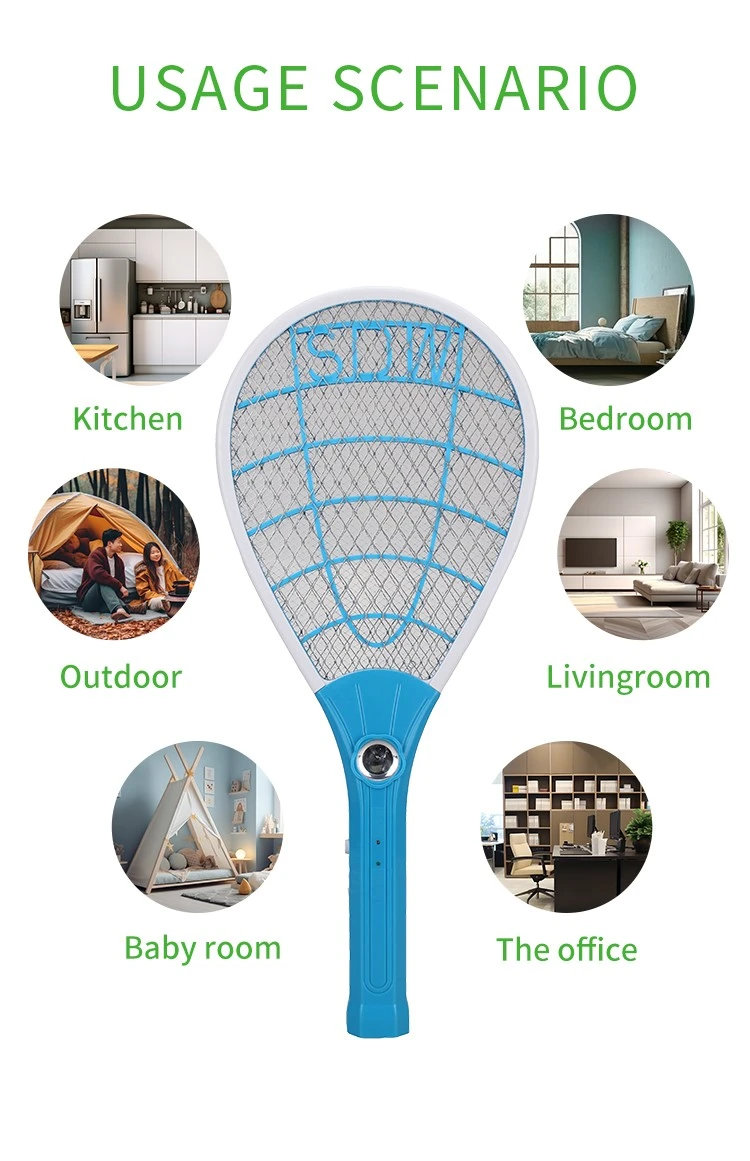
Most importers of electric mosquito swatters obsess over the first order: samples requested, factories vetted, a pre-shipment inspection booked. Then the reorder arrives eight months later and something is off. The grid feels softer. The charge port is a slightly different shade of black. The carton thickness dropped from 350 gsm to 300 gsm. Nothing is catastrophic — but the product no longer matches what your retail customers approved, and quietly, your return rate starts climbing.
How to Keep Mosquito Swatter Quality Consistent Across Repeat Orders
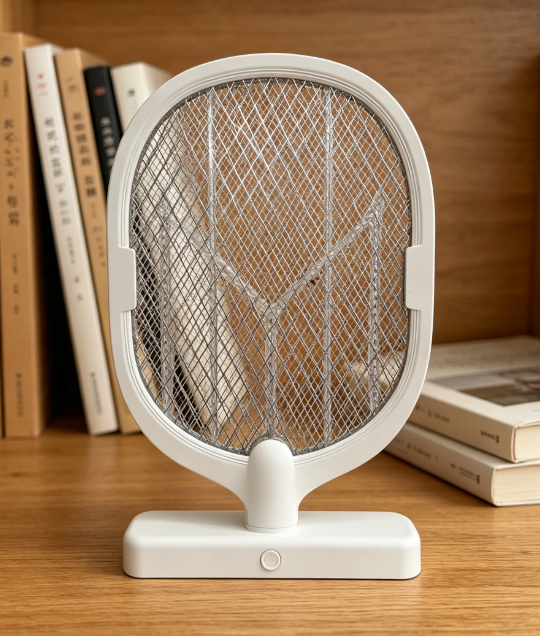
Warranty returns are the silent margin killer in the mosquito control category. A distributor who buys a swatter at $1.80 FOB and retails it at $9.90 can absorb a 1% return rate without noticing — but at 5%, the combined cost of replacement units, reverse logistics, and refund processing erases most of the line's profit.
Common mosquito swatter killer lamp failure modes wholesale spec guide

Digital bathroom scales rank as the second-highest-volume consumer weighing product category, only behind kitchen scales, with distinct market and product characteristics that set them apart from other scale types in importers’ product portfolios.
Digital bathroom body fat-bia-scale wholesale buyers guide