
A Guide to Purchasing Mosquito Traps for Hotels
2026-01-17
A Guide to Purchasing Mosquito Traps for Hotels: Choose the Right Tool to Safeguard Guests' Comfort
For hotels, mosquito infestations are tantamount to "invisible killers" that ruin guests' experiences— the buzzing of mosquitoes in guest rooms late at night and the lingering of flying insects in restaurant corners can undermine the elaborate high-end atmosphere. Compared with chemical methods such as mosquito coils and insecticides, mosquito traps have become the preferred anti-mosquito solution for hotels due to their advantages of physical mosquito control, safety and environmental friendliness. However, the market is flooded with a wide variety of products, ranging from household to commercial models, and from electric shock to sticky trap types. How can hotels make accurate purchases? This article sorts out the core points to help you avoid misunderstandings and select the right tool.
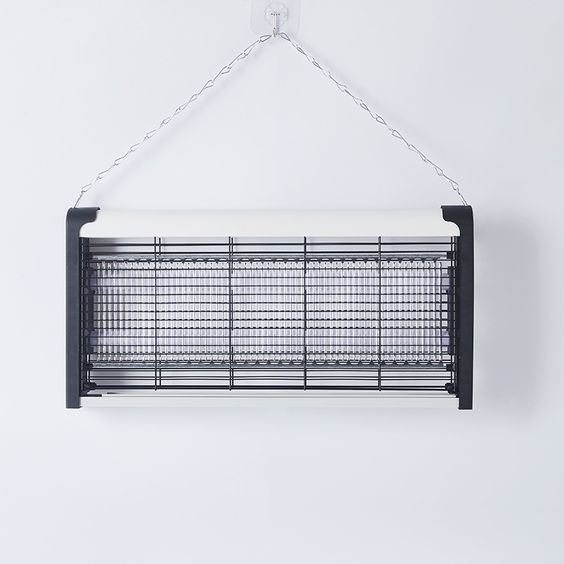
I. Core Selection: Adapt to Different Hotel Scenarios
Hotels have diverse spaces, with significant environmental differences between guest rooms, restaurants, lobbies, basements and other areas. Purchases should be tailored to specific scenarios to avoid a "one-size-fits-all" approach.
1. Determine Power and Coverage Area Based on Space Size
The core indicator of a commercial mosquito trap is its applicable area. It is necessary to ensure that the coverage area of a single device matches the target area, avoiding insufficient power or resource waste. For guest rooms (20-30 square meters), small to medium-sized devices with 10-15W power and 30-50 square meters coverage can be selected; for restaurants and meeting rooms (50-100 square meters), high-power models of 30W and above are required. For example, the Jiashide 30W mosquito trap, with a coverage area of 50-100 square meters, is suitable for large spaces; for open areas such as basements and parking garages, enhanced models can be chosen to improve capture intensity and cope with mosquito-dense environments.
2. Select Mosquito Control Type According to Area Characteristics
Different areas have different functional requirements for mosquito traps, requiring a balance between mosquito control efficiency and guest experience:
-
Guest Rooms: Prioritize quiet, safe and odorless models. Sticky trap mosquito traps are the best choice—they capture mosquitoes through adhesive boards, producing no electric shock crackles or splashing insect debris, which will not affect guests' sleep. Moreover, their simple appearance can easily blend into the room decoration. Avoid electric shock types, as their noise and sparks may disturb guests, and insect debris may cause secondary pollution.
-
Restaurants and Kitchen Surroundings: Balance high mosquito control efficiency with hygiene standards. Photocatalyst + wind suction composite models can be selected, which simulate human carbon dioxide and body temperature to attract mosquitoes, with much higher capture efficiency than single ultraviolet models. They have no chemical residues and meet the hygiene requirements of food areas. Meanwhile, choose easy-to-clean models that support disassembly and flushing to handle the large amount of insect debris around kitchens.
-
Public Areas (Lobbies, Corridors): Focus on appearance design and safety protection. Select wall-mounted or floor-standing models with a simple design to avoid being obtrusive and affecting space aesthetics; if there is a risk of children or pets straying into the area, choose products with small protective net gaps and no exposed high-voltage grids, complying with national safety standards.
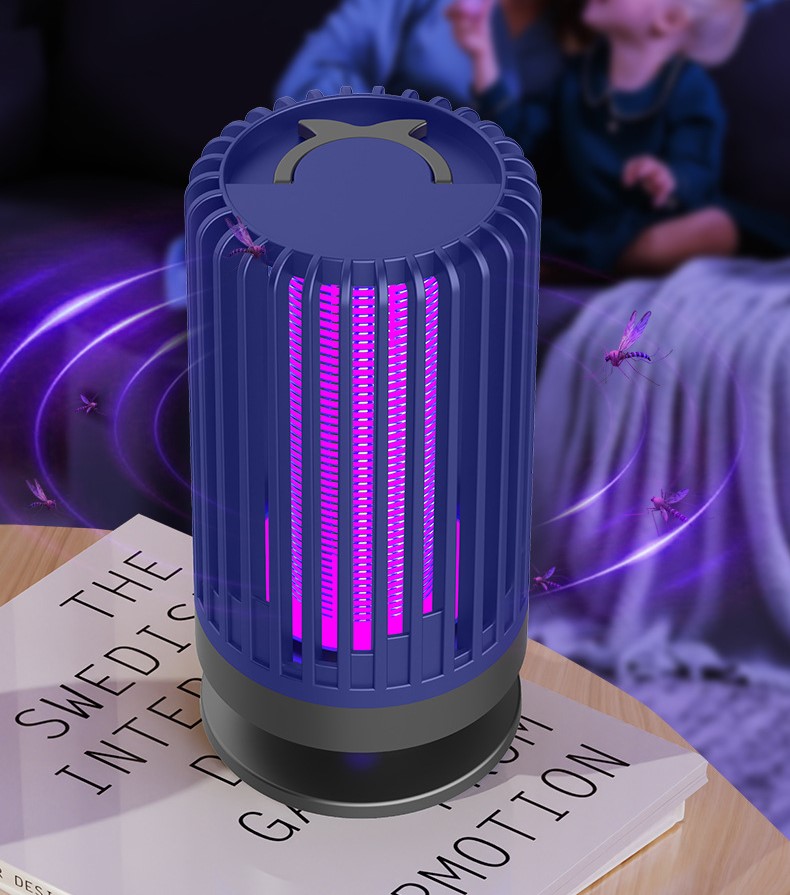
II. Quality Control: Identify 3 Key Indicators
Hotel purchases need to balance durability, safety and environmental friendliness, avoiding increased later maintenance costs or potential safety hazards due to poor product quality.
1. Safety and Environmental Friendliness: Comply with National and Hotel Standards
Safety is the bottom line for hotel purchases. Select products that meet the national standard GB 4706.76, ensuring that the ultraviolet radiation dose within 1 meter is less than 1 milliwatt per square meter, which is harmless to the human body, especially suitable for special guest groups such as pregnant women and infants. At the same time, eliminate chemical additives—physical mosquito control is more in line with hotels' environmental needs, avoiding irritating odors that affect guests' experiences. In addition, check the anti-leakage design of electric shock models, and ensure that the adhesive boards of sticky trap models are odorless, long-lasting in stickiness and environmentally degradable.
2. Durability and Energy Efficiency: Control Long-Term Operation Costs
Hotel mosquito traps need to operate 24 hours a day for a long time, so durability and energy consumption directly affect operation costs. In terms of materials, prioritize antibacterial, flame-retardant and durable ABS materials, avoiding the problems of easy breakage and odor of cheap plastics; in terms of energy consumption, most commercial models have a power of 10-30W. Calculated by 10W power, they consume only 0.24 kWh of electricity per day, with a daily electricity cost of about 0.15 yuan, resulting in extremely low long-term use costs. Meanwhile, pay attention to the service life of the lamp tube, and prioritize models with replaceable lamp tubes to reduce the cost of replacing the entire machine.
3. Brand and Channels: Avoid Inferior Product Traps
Currently, the quality of mosquito traps on the market varies, and there is no unified national standard for mosquito control effect. Prioritize brands with good reputation and high market recognition, such as commercial-grade brands like Greenyellow, Lanju, Thomas and Jiashide. Their products have been verified by the market and have stronger stability. Purchase through formal online and offline channels, check the product's Chinese label, production date, certificate of conformity and implementation standard number, and properly keep purchase vouchers for later rights protection. Be alert to exaggerated promotions such as "99% mosquito control rate" and "mosquito-free all night", and test the effect in actual scenarios.
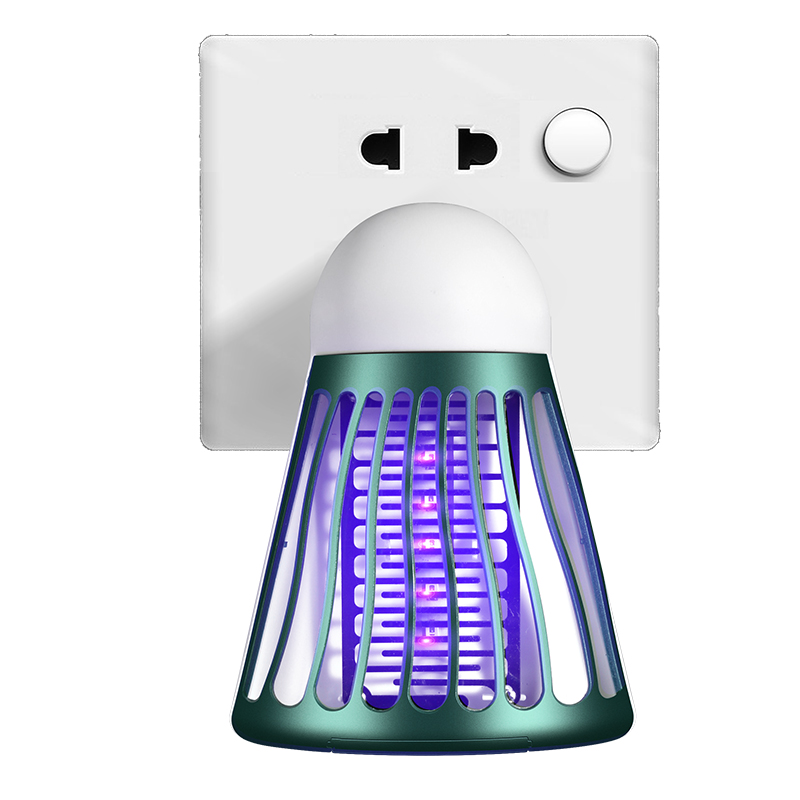
III. Usage and Maintenance: Maximize Mosquito Trap Efficiency
Selecting the right product is only the first step. Scientific use and regular maintenance can ensure long-term and stable mosquito control effect. Many hotels think mosquito traps are "ineffective", but in fact, it is due to improper use methods.
1. Precise Installation: Choose the Right Location to Improve Capture Efficiency
The recommended installation height is 1.5-1.8 meters above the ground, corresponding to the active height of mosquitoes; install in mosquito-prone areas such as corners and walls, away from bedding, dining tables, air outlets and strong light sources, making the mosquito trap the "only light source" to avoid light interfering with the mosquito-attracting effect. In restaurants, focus on installing near entrances and trash cans to accurately intercept mosquitoes; in guest rooms, avoid installing near beds and curtains to prevent light from directly shining into guests' eyes.
2. Regular Maintenance: Cleaning and Consumable Replacement Are Essential
For sticky trap models, replace the adhesive boards weekly; for electric shock models, regularly clean up insect debris to avoid accumulation affecting mosquito-attracting effect and hygiene. Check the brightness of the lamp tube monthly—if it flickers or dims, replace it in time to ensure stable mosquito-attracting wavelength (365-400nm is the optimal range). Be sure to cut off the power supply during cleaning, and use a screwdriver to discharge residual electricity for electric shock models to avoid electric shock risks.
IV. Summary: Core Purchasing Logic
The core of purchasing mosquito traps for hotels is "scenario adaptation + quality priority + scientific operation and maintenance". Guest rooms prioritize quietness and safety, restaurants prioritize high efficiency and easy cleaning, and public areas prioritize appearance and protection. Meanwhile, recognize formal brands and national safety standards, and balance durability and energy efficiency. Choosing the right mosquito trap can not only completely solve the mosquito problem, but also implicitly improve guest satisfaction, making the hotel's detailed services more professional. After all, guests' comfortable experiences often lie in these invisible details.
No Mosquitoes in Winter
Decoding the Cost of Electric Mosquito Swatter Circuit Boards
Related Article

If you’re struggling with annoying mosquitoes, flies, and other flying pests indoors and outdoors, upgrading from traditional manual tools to anElectric Mosquito Swatter is the most efficient solution. Many homeowners and renters search where to buy fly swatter online to find durable, safe, and high-performance electric models that deliver instant pest control.
Where to Buy Fly Swatter
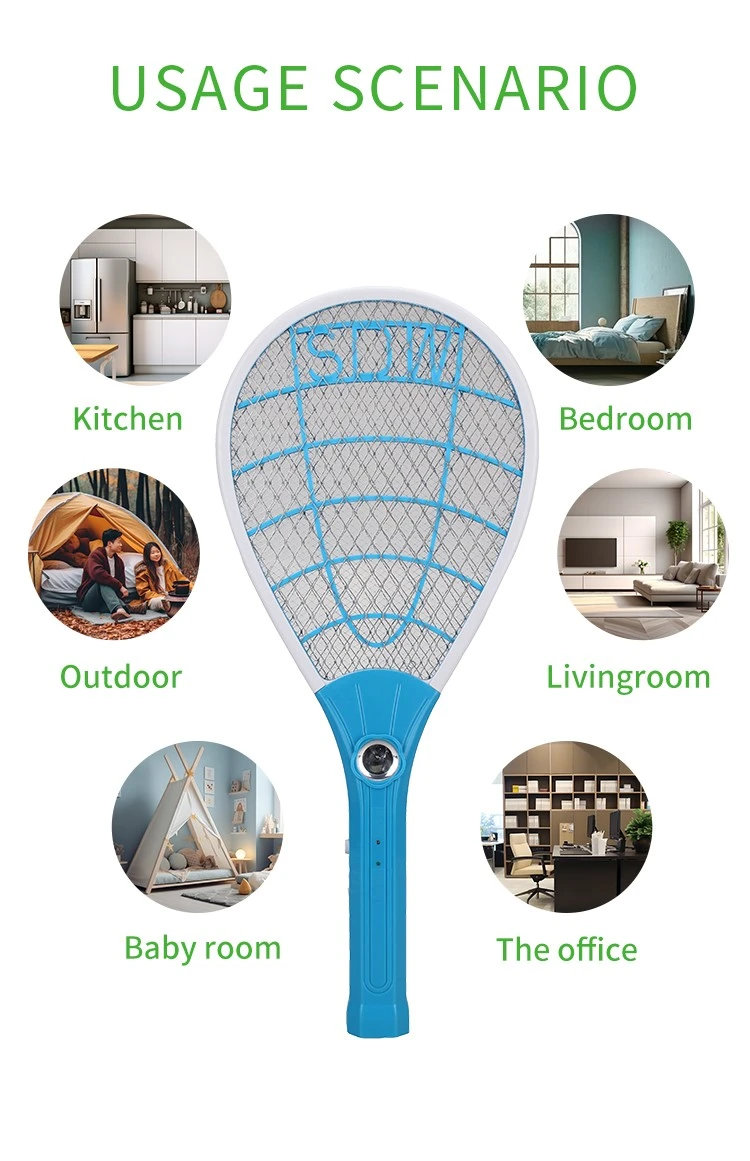
Most importers of electric mosquito swatters obsess over the first order: samples requested, factories vetted, a pre-shipment inspection booked. Then the reorder arrives eight months later and something is off. The grid feels softer. The charge port is a slightly different shade of black. The carton thickness dropped from 350 gsm to 300 gsm. Nothing is catastrophic — but the product no longer matches what your retail customers approved, and quietly, your return rate starts climbing.
How to Keep Mosquito Swatter Quality Consistent Across Repeat Orders
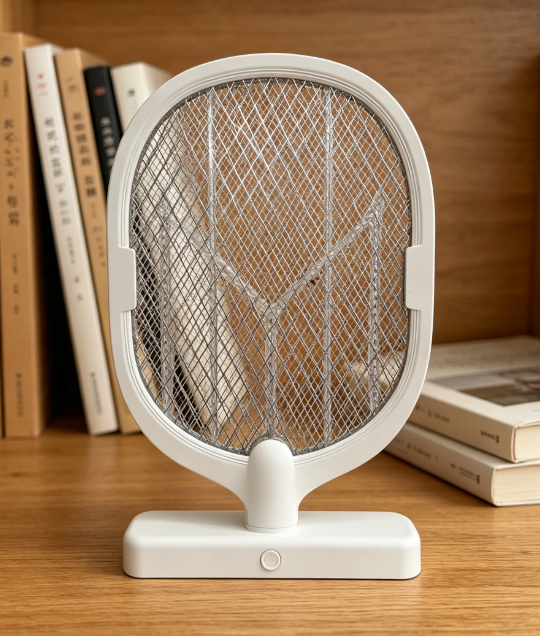
Warranty returns are the silent margin killer in the mosquito control category. A distributor who buys a swatter at $1.80 FOB and retails it at $9.90 can absorb a 1% return rate without noticing — but at 5%, the combined cost of replacement units, reverse logistics, and refund processing erases most of the line's profit.
Common mosquito swatter killer lamp failure modes wholesale spec guide

Digital bathroom scales rank as the second-highest-volume consumer weighing product category, only behind kitchen scales, with distinct market and product characteristics that set them apart from other scale types in importers’ product portfolios.
Digital bathroom body fat-bia-scale wholesale buyers guide