
A Guide to Using Mosquito Traps
2025-08-20
Turn Small Spaces into "Mosquito-Free Zones"! A Guide to Using Mosquito Traps
As summer arrives, small spaces like bedrooms, studies, and bathrooms are often disrupted by just a few mosquitoes. In fact, there's no need for repeated insecticide spraying or mosquito nets. By choosing the right mosquito trap and using it correctly, you can easily create a "mosquito-free haven". The key is to grasp the "mosquito activity patterns" in small spaces and the "adaptation logic of mosquito traps".
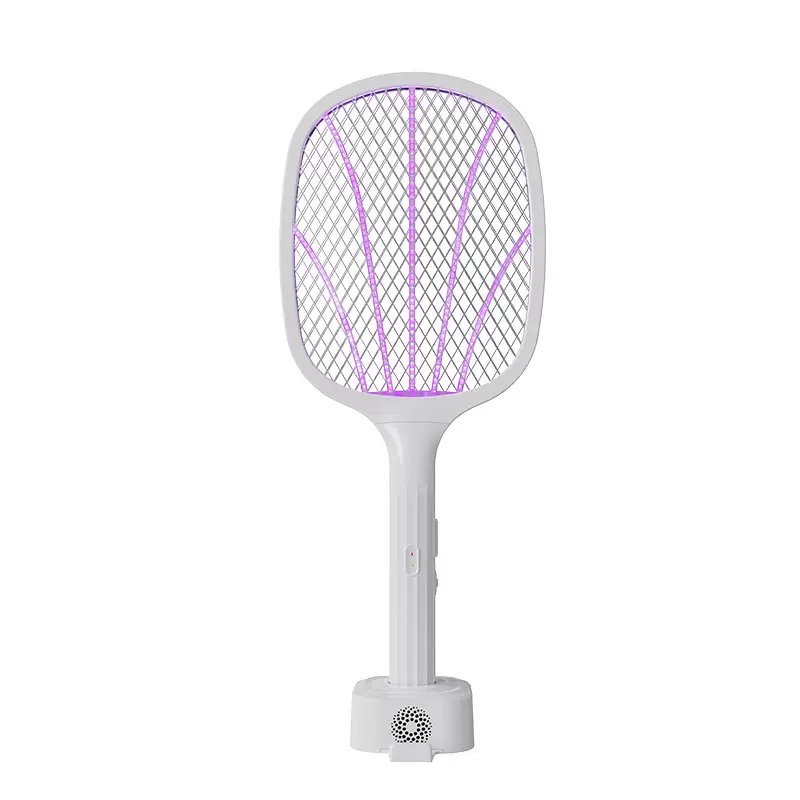
For small spaces (10-20 square meters), there's no need to go for high-power models; instead, avoid "oversized and impractical" styles. Prioritize these two types:
- Physical Mosquito-Capturing Type: Such as suction-type mosquito traps, which produce noise below 30 decibels and are suitable for bedrooms and baby rooms. Focus on the "mosquito-attracting light source" — UV lights with a wavelength of 365nm have a more precise mosquito-attracting range. When paired with a heating module that simulates human body temperature, they can attract mosquitoes hiding under beds or in wardrobe gaps.
- Mini Wall-Mounted Type: For damp small spaces like bathrooms and kitchens, choose wall-mounted ones with an IPX4 waterproof rating to avoid taking up counter space. It's recommended to select those with a "timing function"; for example, set it to run automatically from 10 PM to 6 AM every night to avoid wasting electricity during the day.
Note to avoid misunderstandings: Don't buy "electric shock-type mosquito traps" for small spaces. When mosquitoes are electrocuted, they produce droplets, which may instead pollute the air, especially unsuitable for enclosed bedrooms.
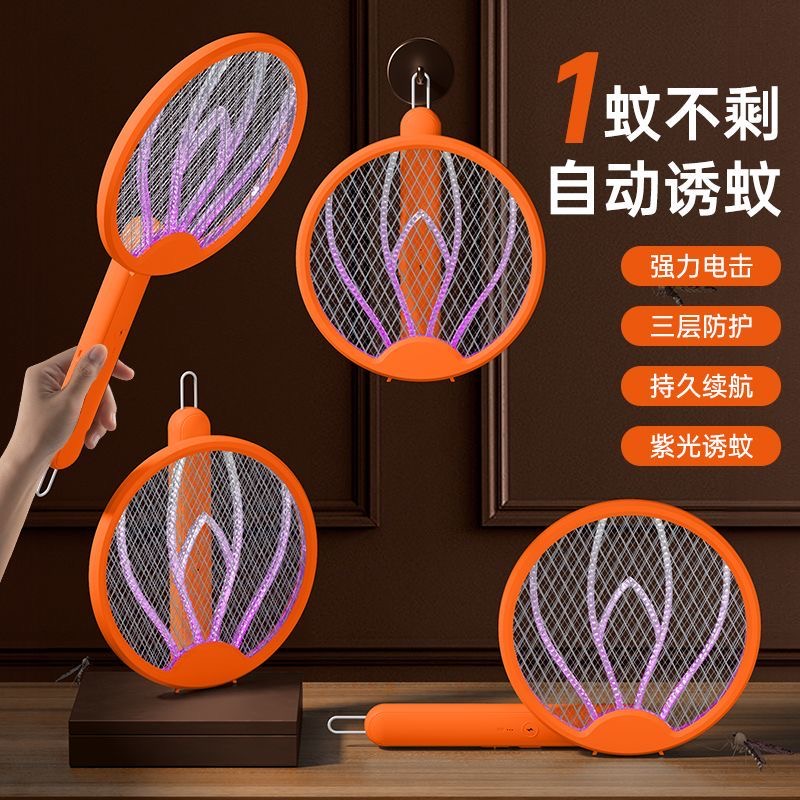
Step 2: 3 Placement Tips to Make Mosquito Traps "Capture Mosquitoes Precisely"
70% of a mosquito trap's effectiveness depends on its placement. Remember the "3 Don'ts and 1 Do" principle for small spaces:
- Don't place it against the wall: Mosquitoes tend to fly along walls. Keep the mosquito trap 15-20 cm away from the wall to form an "interception zone". For instance, in a bedroom, it can be placed on the side of the bedside table, about the distance of a fist from the wall.
- Don't place it where there's light conflict: Avoid placing the mosquito trap under table lamps or ceiling lights. Strong light will overshadow the mosquito-attracting effect of the UV light. It's advisable to place it in a corner of the room or turn it on after turning off other lights.
- Don't place it higher than 1.5 meters: Mosquitoes mostly move at a height of 1.2-1.5 meters. In a bedroom, place it on the bedside table; in a study, put it in the corner of the desk — this aligns perfectly with the mosquitoes' flight path.
- Do let it "work alone": Mosquito traps require a dark environment. When turning it on at night, try to turn off other lights or pair it with a night light (with brightness below 10 lux) so that mosquitoes are only attracted to the mosquito trap.
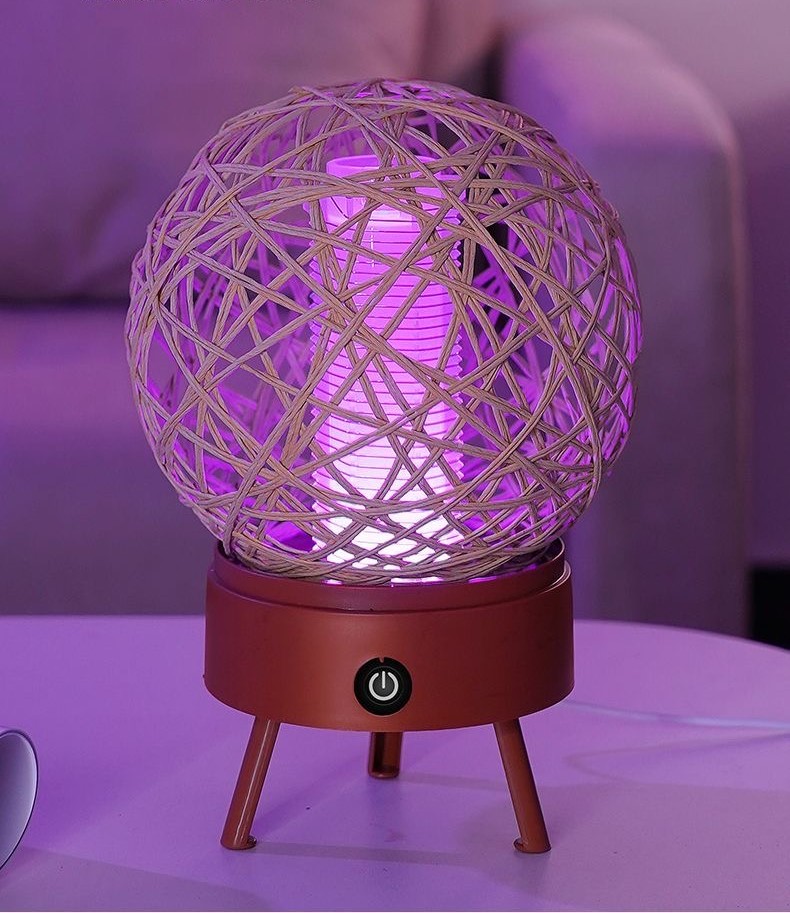
Step 3: Pair with 2 Details to Make the "Mosquito-Free Zone" Last Longer
Small spaces have good airtightness. As long as you do these two things well, you can reduce mosquito breeding:
- Clean the mosquito trap weekly: Remove the mosquito storage box, rinse it with warm water (avoid using detergent), dry it, and put it back. Residual mosquito corpses and odors will affect the mosquito-attracting effect, especially in damp bathrooms, where timely cleaning is more necessary.
- Block "mosquito entry points": Mosquito traps are responsible for "eliminating" mosquitoes, but it's also important to prevent "new mosquitoes from entering". For small spaces, install screen windows on windows, attach weatherstripping to door gaps, and install filters at air conditioning vents to reduce mosquito invasion from the source.
In fact, turning small spaces into "mosquito-free zones" is very simple. Choose the right mosquito trap, place it correctly, and keep it clean. You no longer have to worry about being woken up by mosquitoes at night or your baby being bitten. Try these methods and make your small spaces more fresh and comfortable this summer!
How to Balance Mosquito Control and Ecology
Can Electric Mosquito Swatters Be Taken on High-Speed Trains
Related Article

If you’re struggling with annoying mosquitoes, flies, and other flying pests indoors and outdoors, upgrading from traditional manual tools to anElectric Mosquito Swatter is the most efficient solution. Many homeowners and renters search where to buy fly swatter online to find durable, safe, and high-performance electric models that deliver instant pest control.
Where to Buy Fly Swatter

Most importers of electric mosquito swatters obsess over the first order: samples requested, factories vetted, a pre-shipment inspection booked. Then the reorder arrives eight months later and something is off. The grid feels softer. The charge port is a slightly different shade of black. The carton thickness dropped from 350 gsm to 300 gsm. Nothing is catastrophic — but the product no longer matches what your retail customers approved, and quietly, your return rate starts climbing.
How to Keep Mosquito Swatter Quality Consistent Across Repeat Orders

Warranty returns are the silent margin killer in the mosquito control category. A distributor who buys a swatter at $1.80 FOB and retails it at $9.90 can absorb a 1% return rate without noticing — but at 5%, the combined cost of replacement units, reverse logistics, and refund processing erases most of the line's profit.
Common mosquito swatter killer lamp failure modes wholesale spec guide

Digital bathroom scales rank as the second-highest-volume consumer weighing product category, only behind kitchen scales, with distinct market and product characteristics that set them apart from other scale types in importers’ product portfolios.
Digital bathroom body fat-bia-scale wholesale buyers guide