
A Mosquito Swatter Near a Gas Stove Hides Unexpected Dangers
2025-10-04
Caution! A Mosquito Swatter Near a Gas Stove Hides Unexpected Dangers
On a summer evening, the kitchen is filled with the aroma of cooking. A clay pot simmers on the gas stove, while a few mosquitoes suddenly dart out from the corner—this is a scene many families have experienced. Many people will casually pick up a mosquito swatter, keeping an eye on the stove flame to cook while waving the swatter to chase mosquitoes. However, they fail to realize that the "close contact" between a mosquito swatter and a gas stove hides a safety hazard that could easily cause a fire.
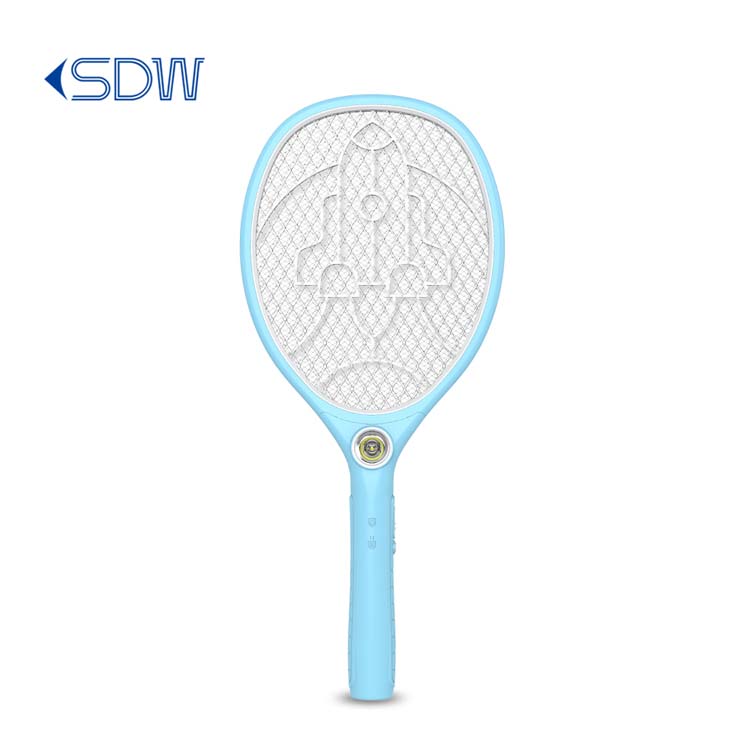
I. Why Is a Mosquito Swatter Near a Gas Stove Dangerous?
Some may wonder: A mosquito swatter is just a small tool for killing mosquitoes, and a gas stove is an appliance for cooking—how could they be dangerous together? In fact, the core of the danger lies in the working principle of the mosquito swatter and the usage environment of the gas stove.
A mosquito swatter generates a high-voltage electric field through its internal circuit. When a mosquito touches the electric grid, a current is instantly formed to break down the air, producing a "crackling" spark. Meanwhile, when a gas stove is in use, it continuously releases flammable gases such as natural gas or liquefied petroleum gas. Even if the stove flame is burning stably, there may still be trace amounts of unburned flammable gas around the stove. Especially when the valve is slightly leaking or ventilation is poor, the gas concentration will gradually increase.
Once the mosquito swatter produces sparks near the gas stove (usually, a distance of less than 1 meter is considered a dangerous range), it may ignite the surrounding flammable gas. What’s more alarming is that this kind of combustion is often more than just a "small flame": If the high-voltage electric grid of the mosquito swatter directly comes into contact with the gas stove flame, the material of the swatter’s surface (mostly plastic) may catch fire, leading to a more serious fire. If the flammable gas concentration reaches a certain level, it may even trigger a small explosion, causing damage to the stove or scalds to people.
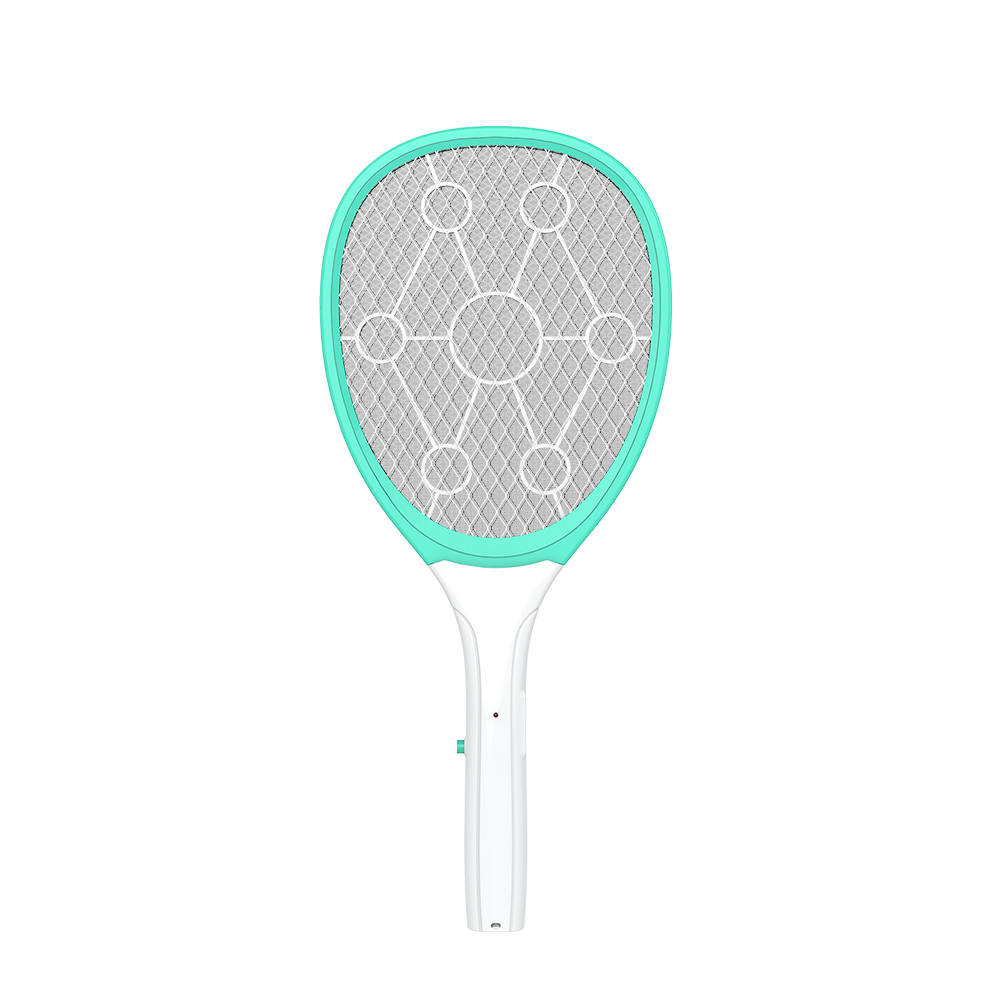
II. Real Case: A Safety Accident Caused by a Small Oversight
In reality, similar safety accidents are not uncommon. Last year, an accident occurred in a residential community: A resident was boiling water on the gas stove in the kitchen while using a mosquito swatter near the stove to kill mosquitoes. The sparks from the mosquito swatter happened to ignite the leaking liquefied petroleum gas near the stove, instantly causing a flame. Fortunately, the resident reacted quickly, turned off the gas valve, and put out the fire, preventing greater losses.
These cases remind us that a "small oversight" in daily life can easily lead to a "major danger". Two daily items that seem unrelated, when brought close together in a specific scenario, may trigger safety risks.
III. 3 Key Measures to Avoid Safety Risks Between Mosquito Swatters and Gas Stoves
To avoid such risks, you only need to do three things well, building a solid safety defense from the three dimensions of usage, inspection, and storage:
- Strictly Maintain a Safe Distance: When using a gas stove, the mosquito swatter should be placed in a dry area more than 1 meter away. Never use the mosquito swatter directly above the stove or near gas pipes. Similarly, when using a mosquito swatter, ensure there are no open flames or flammable appliances in use nearby (such as mosquito coils or lighters).
- Check Equipment Condition Timely: Regularly inspect the mosquito swatter for exposed electric grids, damaged casings, or battery leakage. If any faults are found, stop using it immediately to avoid abnormal sparks caused by equipment damage. At the same time, regularly check the gas stove valve and hose for leaks (you can apply soapy water and observe for bubbles). Replace aging parts in a timely manner to prevent safety hazards caused by flammable gas leakage.
- Store and Use It Standardly: After using the mosquito swatter, turn off the power in time and store it in a cool, dry place out of the reach of children to avoid accidents caused by children’s accidental contact. Do not operate the mosquito swatter with wet hands, and do not place it near flammable liquids such as water or oil to prevent short circuits or secondary dangers.
Mosquito control in summer is meant to make life more comfortable, but safety always comes first. Don’t let a small mosquito swatter become a hazard to family safety due to the "momentary mistake" of placing it near a gas stove. With more caution and standardization, the summer kitchen can be both warm and safe.

Can Mosquito Swatters and Mosquito Repellents Be Used Together
Don't Throw Away Old Electric Fly Swatters Casually
Related Article

If you’re struggling with annoying mosquitoes, flies, and other flying pests indoors and outdoors, upgrading from traditional manual tools to anElectric Mosquito Swatter is the most efficient solution. Many homeowners and renters search where to buy fly swatter online to find durable, safe, and high-performance electric models that deliver instant pest control.
Where to Buy Fly Swatter

Most importers of electric mosquito swatters obsess over the first order: samples requested, factories vetted, a pre-shipment inspection booked. Then the reorder arrives eight months later and something is off. The grid feels softer. The charge port is a slightly different shade of black. The carton thickness dropped from 350 gsm to 300 gsm. Nothing is catastrophic — but the product no longer matches what your retail customers approved, and quietly, your return rate starts climbing.
How to Keep Mosquito Swatter Quality Consistent Across Repeat Orders

Warranty returns are the silent margin killer in the mosquito control category. A distributor who buys a swatter at $1.80 FOB and retails it at $9.90 can absorb a 1% return rate without noticing — but at 5%, the combined cost of replacement units, reverse logistics, and refund processing erases most of the line's profit.
Common mosquito swatter killer lamp failure modes wholesale spec guide

Digital bathroom scales rank as the second-highest-volume consumer weighing product category, only behind kitchen scales, with distinct market and product characteristics that set them apart from other scale types in importers’ product portfolios.
Digital bathroom body fat-bia-scale wholesale buyers guide