
A Review of Mosquito Repellent Methods
2026-01-22
A Review of Mosquito Repellent Methods: Pros and Cons Unveiled for Effective Choices
To get rid of mosquito troubles, people have invented various mosquito repellent methods, ranging from traditional physical barriers to modern chemical repellents, each with its unique characteristics. Today, we will comprehensively review the pros and cons of common mosquito repellent methods to help you make precise choices based on different scenarios.
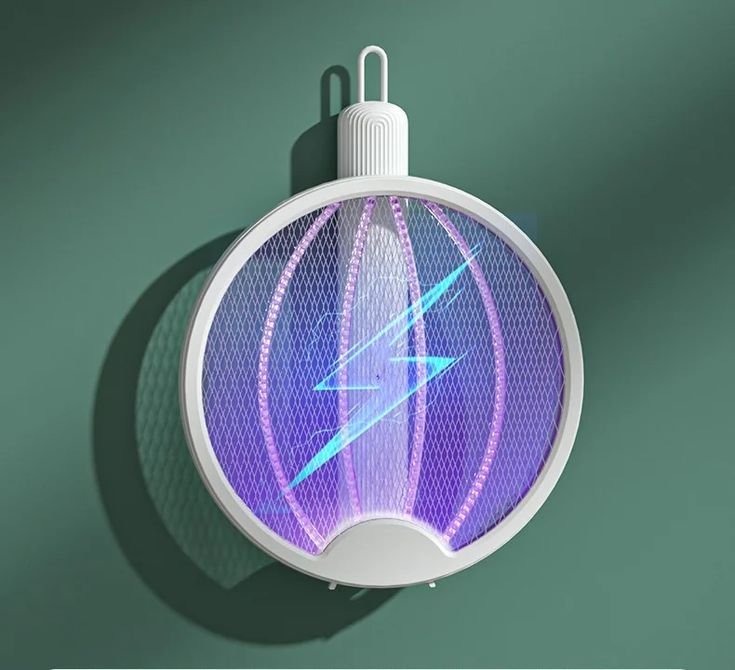
I. Physical Mosquito Repellents: Safe and Harmless for the Whole Family
The core of physical mosquito repellents is to prevent mosquitoes from contacting the human body through isolation, capture, and other methods. They do not rely on chemical substances, offering maximum safety, and are the first choice for sensitive groups such as the elderly, children, and pregnant women.
1. Mosquito Net
Pros: Absolutely safe with no side effects, it can form a closed protective space to isolate mosquitoes from the source, making it very suitable for nighttime sleep and baby care. Available in a variety of materials such as cotton yarn and polyester, it has good air permeability while blocking dust. Affordable with a long service life, it is also easy to clean and maintain—just wash and air-dry it regularly.
Cons: Limited protective range, only covering the area inside the net; you may still be bitten by mosquitoes when leaving the net. Installation is relatively cumbersome, especially floor-standing mosquito nets that require fixed brackets, which have certain requirements for bedroom space and are inconvenient for small apartments or temporary living scenarios. In addition, if there are holes or gaps in the net, the mosquito repellent effect will be greatly reduced.
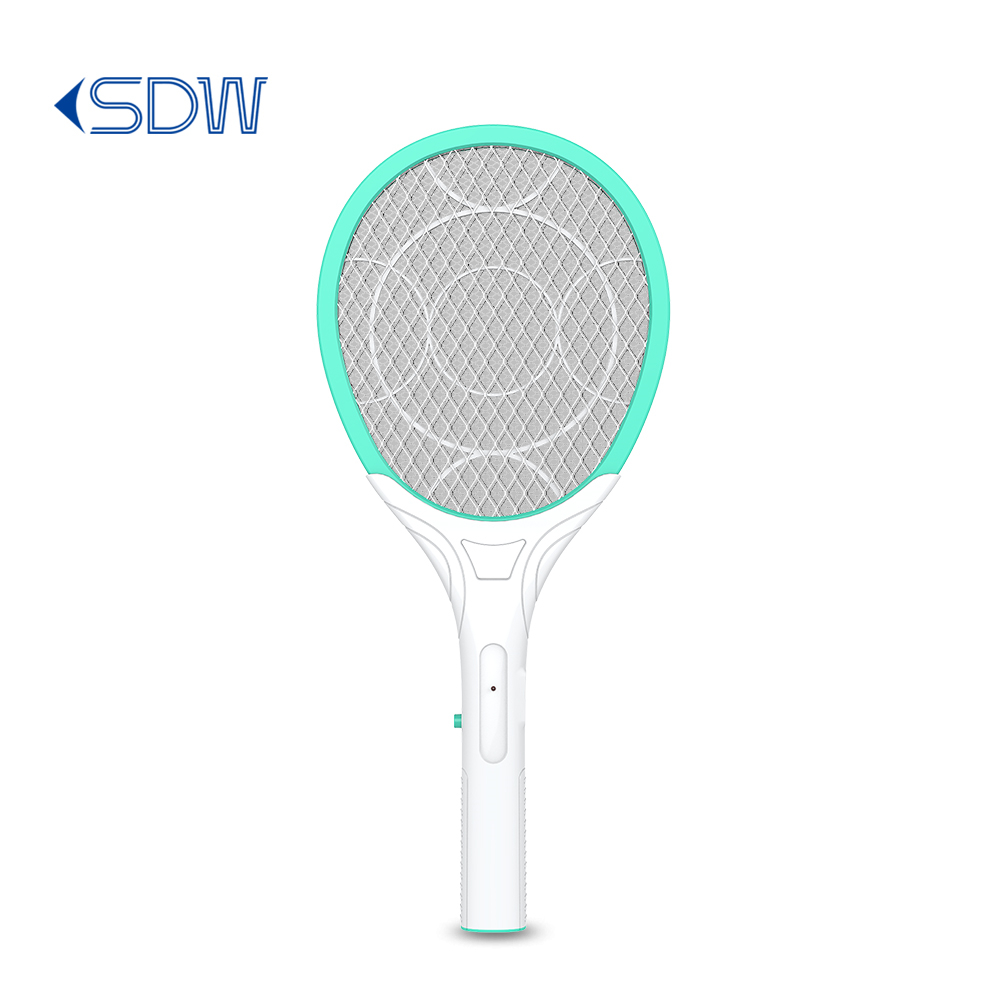
2. Mosquito Trap Lamp (Physical Capture Type)
Pros: It attracts mosquitoes through ultraviolet light and then captures and kills them using a high-voltage grid or fan negative pressure. With no chemical residues, it is suitable for use in enclosed spaces such as living rooms and bedrooms. Some models are compact and attractive in design, serving as decorative ornaments, and operate with low noise without disturbing rest. It can actively capture mosquitoes, and long-term use can reduce the number of mosquitoes indoors, making it an "active defense" mosquito repellent tool.
Cons: The mosquito capture effect is greatly affected by ambient light; its attractiveness decreases during the day or in strong light, so it is more suitable for use at night after turning off the lights. It has weak ability to capture mosquitoes at a distance—if the indoor space is too large, multiple units need to be used together to ensure effectiveness. High-voltage grid mosquito traps may produce slight odors and sparks when killing mosquitoes, so families with children should place them at a high position to avoid contact.
3. Screen Windows and Doors
Pros: As a basic configuration for "passive protection", it can effectively block outdoor mosquitoes from entering the room without affecting indoor ventilation and lighting, making it suitable for long-term home use. Once installed, it is trouble-free for a long time with low maintenance costs—only regular cleaning of dust and debris on the screen is required. Made of durable materials, it can also block other small flying insects such as flies and moths, providing a wide protective range.
Cons: It can only prevent outdoor mosquitoes from entering and cannot handle mosquitoes that have already entered the room. Installation requires a certain construction cost, which may be inconvenient for old houses or renters. If the screen windows and doors are not tightly sealed or are damaged, the mosquito repellent effect will decrease significantly and they need to be repaired or replaced in a timely manner.
II. Chemical Mosquito Repellents: Efficient and Fast with Strong Scene Adaptability
Chemical mosquito repellents rely on repellent ingredients or insecticides to work, offering high efficiency in repelling and killing mosquitoes. They are suitable for scenarios requiring quick mosquito repellency such as outdoor activities and temporary use, but attention must be paid to safety during use.
1. Mosquito Repellent Lotion/Toilet Water (with Repellent Ingredients)
Pros: Highly portable, it can be directly applied to the skin to form a protective layer, effectively repelling mosquitoes for 2-8 hours (depending on ingredient concentration). Suitable for outdoor activities such as walking, camping, and sports, it can flexibly deal with mosquito troubles during movement. Some products add moisturizing and cooling ingredients, providing a comfortable experience during use.
Cons: Contains chemical ingredients such as DEET and Picaridin. People with sensitive skin may experience allergic reactions such as skin itching and redness. Infants and young children should use low-concentration products and avoid application around the hands and mouth. Regular reapplication is required to maintain effectiveness, and long-term excessive use may have potential impacts on the body. The skin should be cleaned in a timely manner after use.
2. Mosquito Coils/Electric Mosquito Mats/Electric Mosquito Liquid
Pros: Significant mosquito repellent effect—they can quickly diffuse insecticides in enclosed spaces to kill or repel mosquitoes, suitable for use during nighttime sleep without frequent operation. Mosquito coils are inexpensive, while electric mosquito mats and liquid are more convenient to use, with no open flames, making them safer than traditional mosquito coils. They also come in a variety of scents, including light fragrance and unscented options.
Cons: Burning mosquito coils produces smoke and dust, which may irritate the respiratory tract and is unfriendly to asthma patients, pregnant women, and infants. Indoor ventilation must be maintained during use. Electric mosquito liquid may pose safety hazards if leaked, and some products have a strong odor that can easily cause dizziness and discomfort. Long-term use may make mosquitoes resistant, reducing the repellent effect.
3. Insecticide Spray
Pros: Extremely high mosquito-killing efficiency, quickly eliminating mosquitoes, flies, and other pests already present indoors. Suitable for use when a large number of mosquitoes appear suddenly, it takes effect quickly and covers a wide area. The spray design facilitates operation, allowing targeted spraying in mosquito hiding places such as corners, gaps, and around trash cans.
Cons: High concentration of chemical ingredients with a pungent odor. During use, doors and windows must be closed, and people must evacuate. The room can only be entered after ventilation for more than 30 minutes, as it may irritate the human respiratory tract and skin. It cannot directly contact the human body, and residual insecticides may harm pets and plants. It is a "treating the symptoms but not the root cause" method and cannot block subsequent mosquito entry.
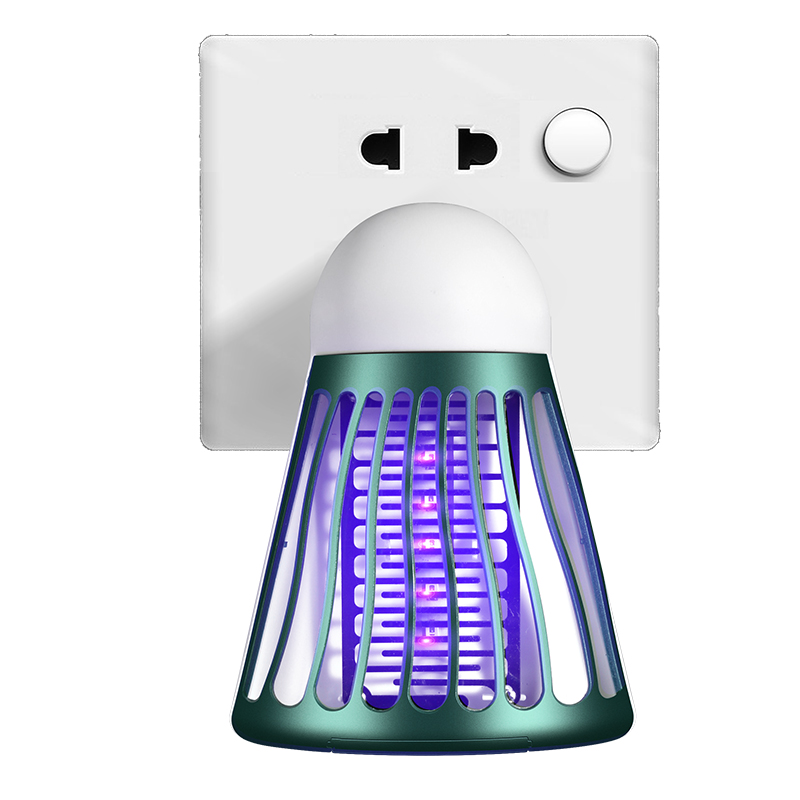
III. Natural/Plant-Based Mosquito Repellents: Mild and Low-Irritation for Sensitive Groups
Leveraging the repellent properties of plant ingredients, they are mild and low-irritation, suitable for people pursuing natural health, but their repellent effect and duration are relatively limited.
1. Mosquito-Repellent Plants (Mint, Wormwood, Citronella Grass, etc.)
Pros: Natural with no chemical additives, they repel mosquitoes through the scent emitted by the plants. They also have ornamental value and air-purifying effects, suitable for placement on balconies, windowsills, bedrooms, and other areas. With proper care, they can be used for a long time, and their fresh scent creates a comfortable living environment without harming humans and pets.
Cons: Weak repellent effect, only working in a small area around the plants, unable to cope with large-scale mosquito troubles. The emission of scent is unstable, affected by ambient temperature and light, and the effect is worse at night or in enclosed spaces. They can only be used as auxiliary mosquito repellent tools.
2. Natural Essential Oil Mosquito Repellents (Lemongrass, Lavender, Eucalyptus Essential Oils, etc.)
Pros: Natural ingredients with a mild and pleasant scent, low irritation to the skin, suitable for people with sensitive skin and infants (to be used after dilution). They can be used through aromatherapy, topical application (after dilution), or spraying, with both mosquito-repellent and mood-soothing effects, suitable for home use, yoga, meditation, and other scenarios.
Cons: Short protective duration, usually only 1-2 hours, requiring frequent reapplication or replacement of aromatherapy. The repellent effect varies from person to person and is limited for some mosquitoes, failing to meet the protection needs in complex outdoor environments. Some essential oils may cause allergies in a few people, so a skin test is required before use.
IV. Summary: Choose on Demand, Combine for Better Efficiency
Each mosquito repellent method has its advantages and disadvantages. A single method is difficult to cope with all scenarios, and combining multiple methods can achieve the best results. For home use, screen windows and doors can be used as the basic protection, paired with mosquito nets (for nighttime sleep) and physical mosquito traps (for auxiliary capture). For outdoor activities, prioritize low-concentration mosquito repellent lotion, combined with physical shielding such as sun-protective clothing and hats. For sensitive groups and families with infants, physical mosquito repellents should be the main choice, supplemented by natural essential oil repellents to reduce the use of chemical products.
In addition, doing a good job in daily environmental cleaning and promptly removing stagnant water (such as flowerpot saucers, trash cans, sewers, etc.) to reduce mosquito breeding from the source is the key to truly getting rid of mosquito troubles.
Electric Mosquito Swatter Waste Classification Guide
Global Best-Selling Electric Mosquito Swatters
Related Article

If you’re struggling with annoying mosquitoes, flies, and other flying pests indoors and outdoors, upgrading from traditional manual tools to anElectric Mosquito Swatter is the most efficient solution. Many homeowners and renters search where to buy fly swatter online to find durable, safe, and high-performance electric models that deliver instant pest control.
Where to Buy Fly Swatter
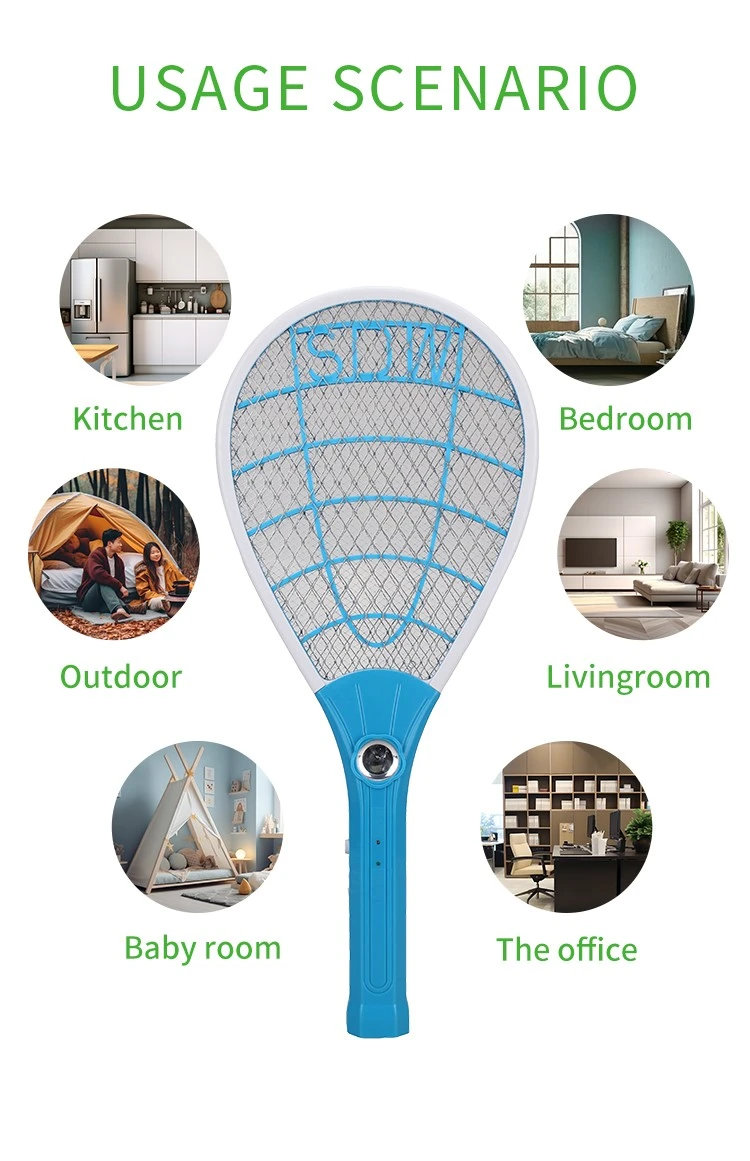
Most importers of electric mosquito swatters obsess over the first order: samples requested, factories vetted, a pre-shipment inspection booked. Then the reorder arrives eight months later and something is off. The grid feels softer. The charge port is a slightly different shade of black. The carton thickness dropped from 350 gsm to 300 gsm. Nothing is catastrophic — but the product no longer matches what your retail customers approved, and quietly, your return rate starts climbing.
How to Keep Mosquito Swatter Quality Consistent Across Repeat Orders
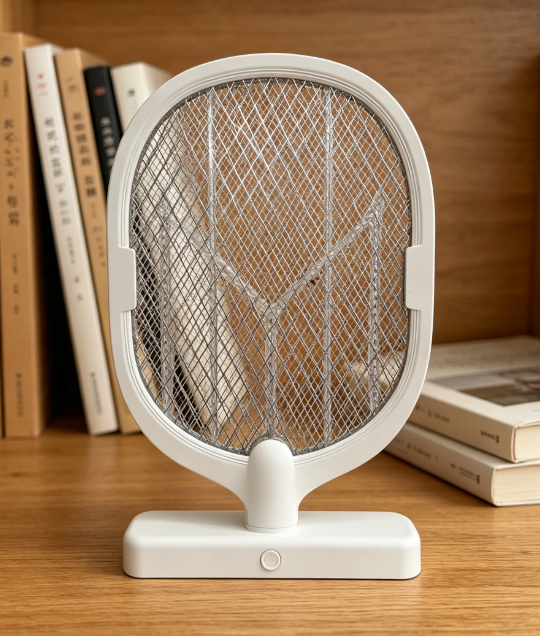
Warranty returns are the silent margin killer in the mosquito control category. A distributor who buys a swatter at $1.80 FOB and retails it at $9.90 can absorb a 1% return rate without noticing — but at 5%, the combined cost of replacement units, reverse logistics, and refund processing erases most of the line's profit.
Common mosquito swatter killer lamp failure modes wholesale spec guide

Digital bathroom scales rank as the second-highest-volume consumer weighing product category, only behind kitchen scales, with distinct market and product characteristics that set them apart from other scale types in importers’ product portfolios.
Digital bathroom body fat-bia-scale wholesale buyers guide