
Approximately how many electric mosquito swatters can fit in one container
2025-12-15
Peak Season for Electric Mosquito Swatter Stocking: Master Loading Capacity Calculation First!
For manufacturers, distributors, and cross-border sellers, "how many electric mosquito swatters can fit in a container" is an unavoidable core question. Underestimating may lead to multiple shipments and increased costs, while overestimating can result in containers being unable to hold all goods and forced splitting. Especially with fluctuating sea and land transportation costs, accurate loading capacity calculation not only optimizes logistics costs but also avoids inventory backlogs or supply shortages. Combining international universal container specifications and mainstream packaging sizes, this article uses specific data to break down loading capacity in different scenarios, helping you quickly find the most suitable stocking plan!
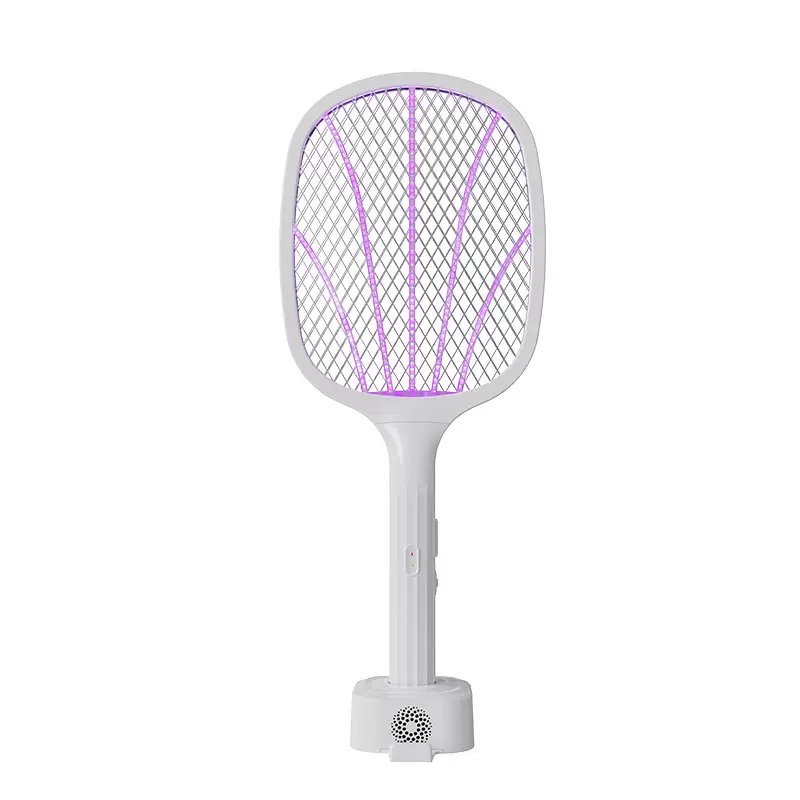
I. Clarify Core Premises First: Basic Specifications of Containers and Electric Mosquito Swatters
To calculate loading capacity, it is first necessary to unify the standards for "containers" and "electric mosquito swatters". After all, containers of different specifications and electric mosquito swatters with different packaging will yield significantly different results!
1. Common Container Specifications (International Universal Standards)
- 20-foot General Purpose Container (20GP): Internal dimensions are approximately 5.898m (length) × 2.352m (width) × 2.393m (height), with an effective volume of about 33 cubic meters. For actual loading, deductions must be made for container door gaps and cargo placement spaces; at a 90% utilization rate, it is about 29.7 cubic meters.
- 40-foot General Purpose Container (40GP): Internal dimensions are approximately 12.032m (length) × 2.352m (width) × 2.393m (height), with an effective volume of about 67 cubic meters. At a 90% actual utilization rate, it is about 60.3 cubic meters.
- 40-foot High Cube Container (40HQ): Internal dimensions are approximately 12.032m (length) × 2.352m (width) × 2.698m (height), with an effective volume of about 76 cubic meters. At a 90% actual utilization rate, it is about 68.4 cubic meters.
2. Regular Packaging Sizes of Electric Mosquito Swatters
Electric mosquito swatters are lightweight and bulky goods, and their packaging method directly affects loading capacity. Currently, there are two mainstream packaging types on the market:
- Independent Color Box Packaging: Each electric mosquito swatter comes with a color box + foam cushioning, with dimensions of approximately 45cm (length) × 18cm (width) × 8cm (height), and a single box volume of about 0.00648 cubic meters.
- Simple OPP Bag Packaging: No color box, only wrapped in OPP bag + bubble film, with dimensions of approximately 42cm (length) × 15cm (width) × 6cm (height), and a single unit volume of about 0.00378 cubic meters.
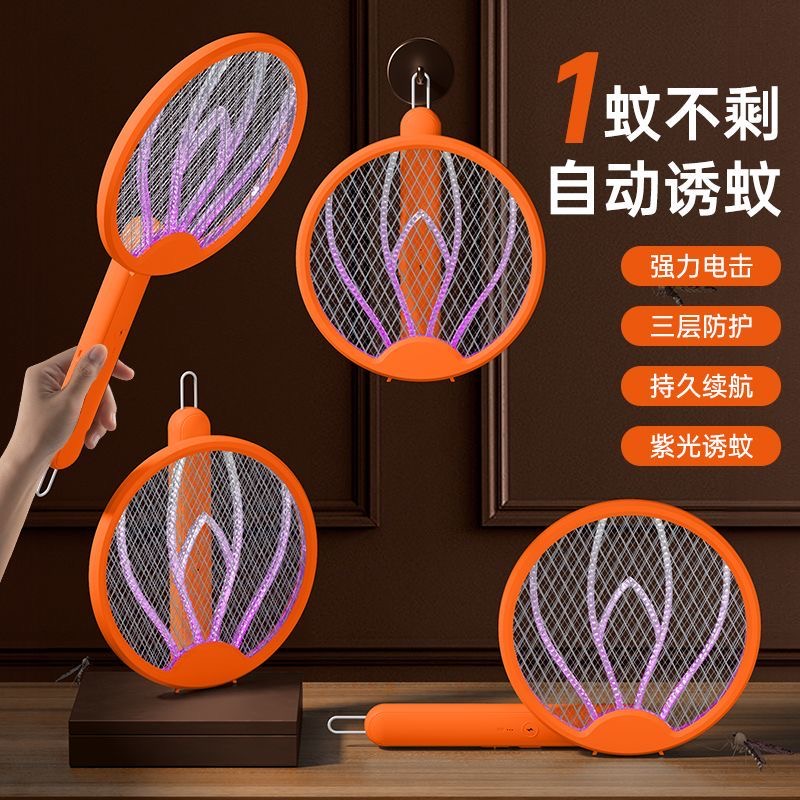
II. Core Calculation: Detailed Loading Capacity of Different Containers
Based on the above specifications and the actual warehousing principle of "cargo stacking not exceeding container height and no waste of horizontal space", the calculation results are as follows (all are actual loadable quantities, excluding losses):
1. 20-foot General Purpose Container (20GP)
- Independent Color Box Packaging: 29.7 cubic meters ÷ 0.00648 cubic meters per unit ≈ 4583 units. During actual stacking, due to the high hardness of color boxes, they can be closely arranged with an error of no more than 5%.
- Simple OPP Bag Packaging: 29.7 cubic meters ÷ 0.00378 cubic meters per unit ≈ 7857 units. OPP bags can be moderately squeezed to save space, and the actual loading capacity may be 3%-5% higher.
2. 40-foot General Purpose Container (40GP)
- Independent Color Box Packaging: 60.3 cubic meters ÷ 0.00648 cubic meters per unit ≈ 9305 units.
- Simple OPP Bag Packaging: 60.3 cubic meters ÷ 0.00378 cubic meters per unit ≈ 15952 units.
3. 40-foot High Cube Container (40HQ)
- Independent Color Box Packaging: 68.4 cubic meters ÷ 0.00648 cubic meters per unit ≈ 10555 units. High containers have obvious advantages, holding about 13% more than 40GP.
- Simple OPP Bag Packaging: 68.4 cubic meters ÷ 0.00378 cubic meters per unit ≈ 18095 units. Suitable for bulk export with the highest cost-effectiveness.
III. 3 Key Factors Affecting Loading Capacity (Pitfall Avoidance Reminder)
- Stackability of Packaging: Some electric mosquito swatter color boxes have a convex design on the top, which will leave gaps during stacking, reducing loading capacity by 8%-10%. It is recommended to choose flat and stackable packaging.
- Inclusion of Accessories: If the electric mosquito swatter is equipped with accessories such as a charger and spare power grid, the packaging volume will increase by 10%-15%, and the loading capacity needs to be adjusted accordingly. For example, a color box with accessories may have a volume of 0.0072 cubic meters, and a 20GP container can only hold about 4125 units.
- Container Loading Method: Manual loading may waste space due to irregular placement. Mechanical loading (forklift + pallet) is more neat and can hold about 5% more. It is recommended to use pallets for fixation during bulk transportation.
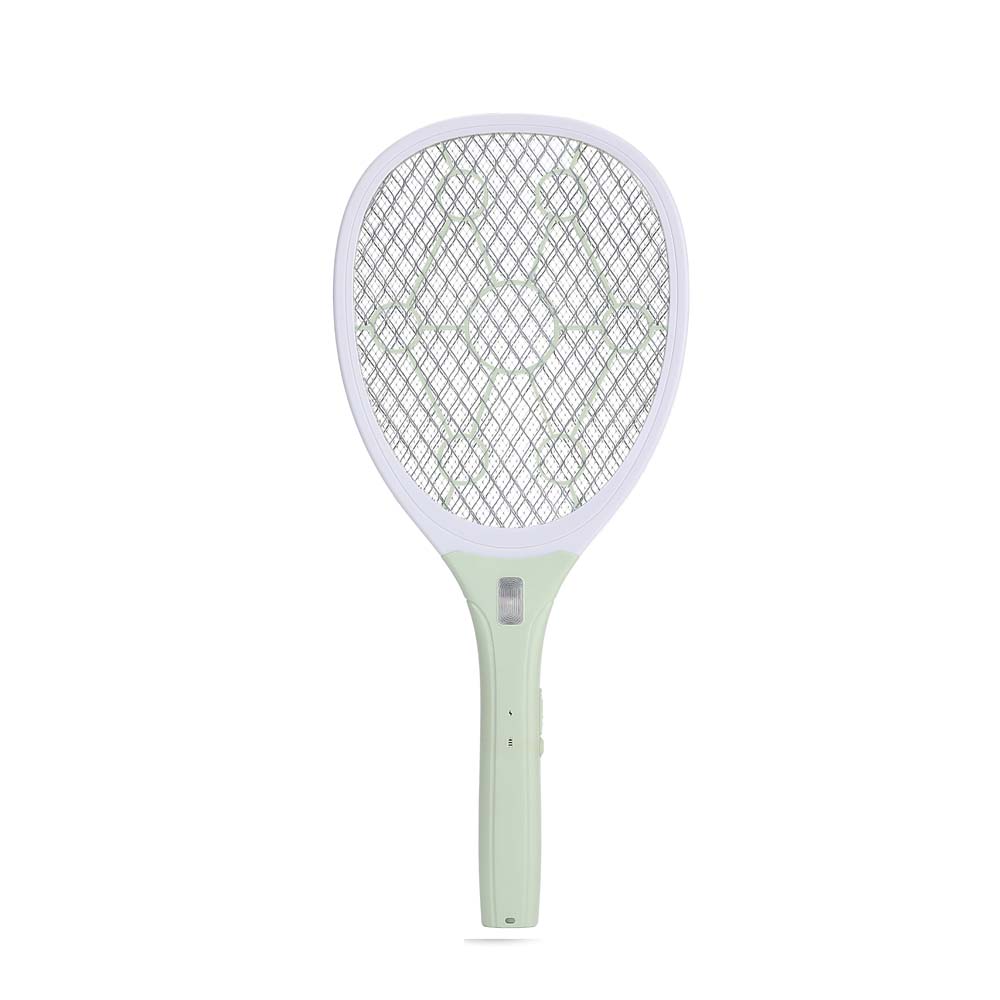
IV. Practical Suggestions: Choose the Right Plan Based on Needs
- Small-batch Stocking (1000-5000 units): Prioritize 20GP + independent color box packaging to balance protection and cost.
- Bulk Export (10000 units or more): 40HQ + simple OPP bag packaging is the most cost-effective. If customers require color boxes, foldable color boxes can be selected (volume reduced by 20% after folding).
- Emphasis on Product Protection: Independent color boxes + foam cushioning have a lower loading capacity but can reduce transportation losses (loss rate is only 1%-2%), suitable for high-priced electric mosquito swatters.
The advantages and disadvantages of lithium battery electric mosquito swatters
How long is the shelf life of an electric mosquito swatter
Related Article

If you’re struggling with annoying mosquitoes, flies, and other flying pests indoors and outdoors, upgrading from traditional manual tools to anElectric Mosquito Swatter is the most efficient solution. Many homeowners and renters search where to buy fly swatter online to find durable, safe, and high-performance electric models that deliver instant pest control.
Where to Buy Fly Swatter

Most importers of electric mosquito swatters obsess over the first order: samples requested, factories vetted, a pre-shipment inspection booked. Then the reorder arrives eight months later and something is off. The grid feels softer. The charge port is a slightly different shade of black. The carton thickness dropped from 350 gsm to 300 gsm. Nothing is catastrophic — but the product no longer matches what your retail customers approved, and quietly, your return rate starts climbing.
How to Keep Mosquito Swatter Quality Consistent Across Repeat Orders

Warranty returns are the silent margin killer in the mosquito control category. A distributor who buys a swatter at $1.80 FOB and retails it at $9.90 can absorb a 1% return rate without noticing — but at 5%, the combined cost of replacement units, reverse logistics, and refund processing erases most of the line's profit.
Common mosquito swatter killer lamp failure modes wholesale spec guide

Digital bathroom scales rank as the second-highest-volume consumer weighing product category, only behind kitchen scales, with distinct market and product characteristics that set them apart from other scale types in importers’ product portfolios.
Digital bathroom body fat-bia-scale wholesale buyers guide