
Are Electric Mosquito Swatters Safe for Humans
2026-04-07
Are Electric Mosquito Swatters Safe for Humans? Unveiling the Science of Their Safety
Summer nights are meant for relaxation—until a buzzing mosquito ruins the mood. Electric mosquito swatters have become a go-to solution for many, offering a satisfying “crackle” as they zap pests. But a common question lingers: Can these devices, which generate high voltage, actually hurt humans? Let’s dive into the science behind electric mosquito swatters, their safety mechanisms, and what you need to know to use them without worry.
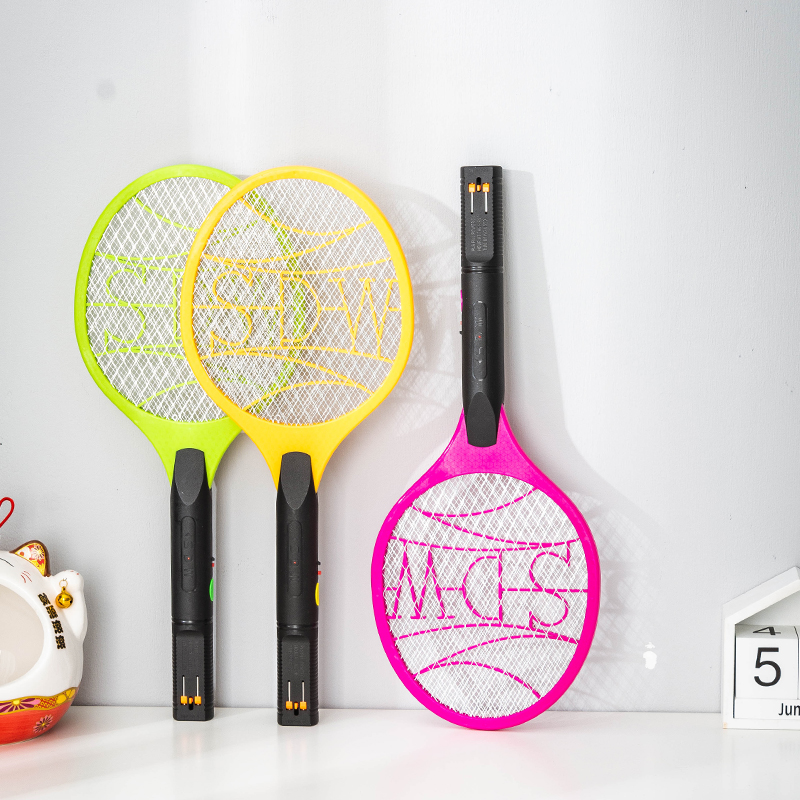
How Do Electric Mosquito Swatters Work?
To understand if electric mosquito swatters are safe, we first need to break down how they function. Unlike traditional fly swatters that rely on physical force, these devices use electricity to kill insects—and their design is tailored specifically for that purpose, not to harm larger creatures like humans.
The Science of High Voltage, Low Current
The key to electric mosquito swatters lies in a simple principle: high voltage, low current. Most commercial swatters generate between 2,000 and 4,000 volts (V) of electricity—enough to stun or kill small insects. But voltage alone isn’t what causes harm to humans; it’s the current (measured in milliamps, mA) that flows through the body.
A typical electric mosquito swatter produces a current of only 0.1 to 0.3 mA when in contact with a load (like a mosquito). For comparison, the human body’s perception threshold for electric current is about 0.5 mA, and a current of 50 mA is needed to cause ventricular fibrillation (a life-threatening heart issue). This means the current from a swatter is far too weak to cause serious harm to humans.
The Role of Circuit and Grid Design
Electric mosquito swatters also feature specialized internal circuits and grid structures to enhance safety. Inside the device, a battery (usually 3V or 4.2V) powers an oscillator, which converts direct current (DC) to alternating current (AC). This AC is then boosted to high voltage via a transformer and a voltage multiplier circuit.
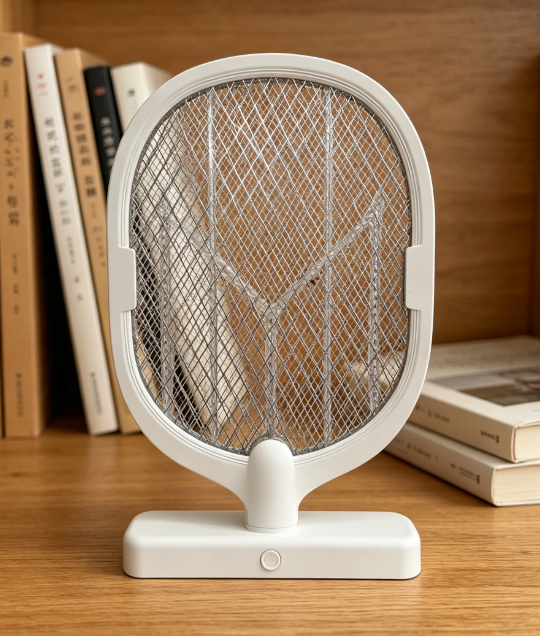
Most swatters use a three-layer metal grid design: the outer two layers are grounded (no current), while the middle layer carries the high voltage. The gap between the layers is carefully calibrated—usually 2 to 3 millimeters—so that air (a poor conductor) doesn’t allow the voltage to jump between layers. When a mosquito flies between the grids, it acts as a conductor, closing the circuit and creating the “zap” that kills it. This design prevents accidental contact with the high-voltage layer, as human fingers are too large to fit between the grids easily.
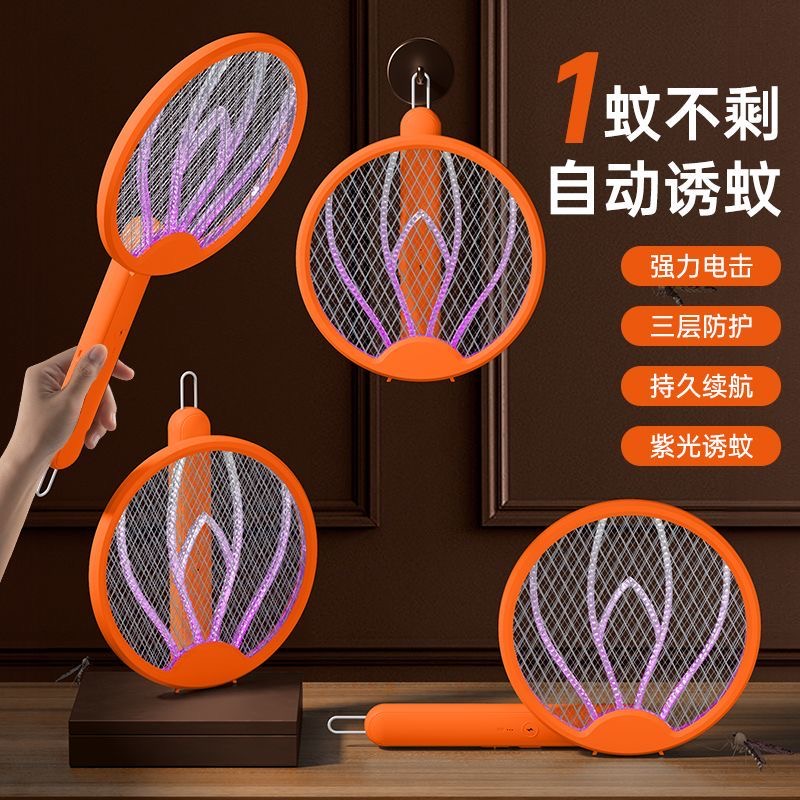
Can Electric Mosquito Swatters Actually Hurt Humans?
While electric mosquito swatters are designed to be safe, they are not completely harmless—though the risks are minimal and rarely serious. Let’s break down the possible effects of human contact with a swatter.
Minor Discomfort: The Most Common Reaction
If you accidentally touch the grid of an activated swatter, the most likely outcome is a brief, sharp刺痛 (similar to a static shock). This discomfort comes from the high voltage, but the low current means it won’t cause burns, tissue damage, or long-term pain. Some people may feel a slight numbness or redness at the contact point, but this usually fades within 20 to 30 minutes with no need for treatment.
Rare Risks: When to Be Cautious
Serious harm from electric mosquito swatters is extremely rare, but there are a few scenarios where caution is warranted:
1. Moisture or Wet Skin: Water conducts electricity, so using a swatter with wet hands or in a humid environment (like a bathroom) can increase the current flow through your body. This may intensify the刺痛 or, in rare cases, cause a mild shock. However, even in this case, the current is still too low to cause severe harm.
2. Special Populations: People with heart conditions, pacemakers, or compromised immune systems should exercise extra care. While the swatter’s current is unlikely to affect a healthy heart, the sudden shock could trigger anxiety or a temporary irregular heartbeat in those with preexisting issues. Similarly, infants and young children have more sensitive skin, so accidental contact may cause more distress (though no lasting harm).
3. Defective or Low-Quality Swatters: Cheap, uncertified swatters may have faulty circuits, damaged grids, or inadequate insulation. These can malfunction, leading to higher-than-intended current or exposed high-voltage parts, increasing the risk of discomfort or minor injury. Always choose swatters that meet international safety standards (like IEC 61010-1 or UL 1419).
The Science Behind Their Safety: Why They’re Designed to Protect You
Manufacturers prioritize safety when designing electric mosquito swatters, and several key features ensure they pose little risk to humans:
Energy Limitation
Electric swatters use small capacitors to store energy, limiting the total power they can deliver. The energy stored in a typical swatter is about 0.1 to 0.15 joules (J)—far less than the 50J needed to cause serious harm to humans. For comparison, a regular lighter’s ignition energy is about 0.5J, meaning a swatter’s energy is even lower than that.
Insulation and Safety Mechanisms
The handle and outer casing of swatters are made from non-conductive materials (like ABS plastic) with high insulation strength, preventing electricity from leaking to the user’s hand. Many models also have a safety switch that requires you to press and hold it while using the swatter, reducing the chance of accidental activation. Additionally, built-in fuses or circuit breakers shut off the device if it malfunctions (e.g., short-circuits).
Voltage Decay
The high voltage in swatters decays rapidly after each zap. The capacitor discharges its energy in just 0.01 to 0.05 milliseconds, meaning the current only flows for a fraction of a second. This short duration further reduces any potential harm, as sustained current is what causes tissue damage or heart issues.
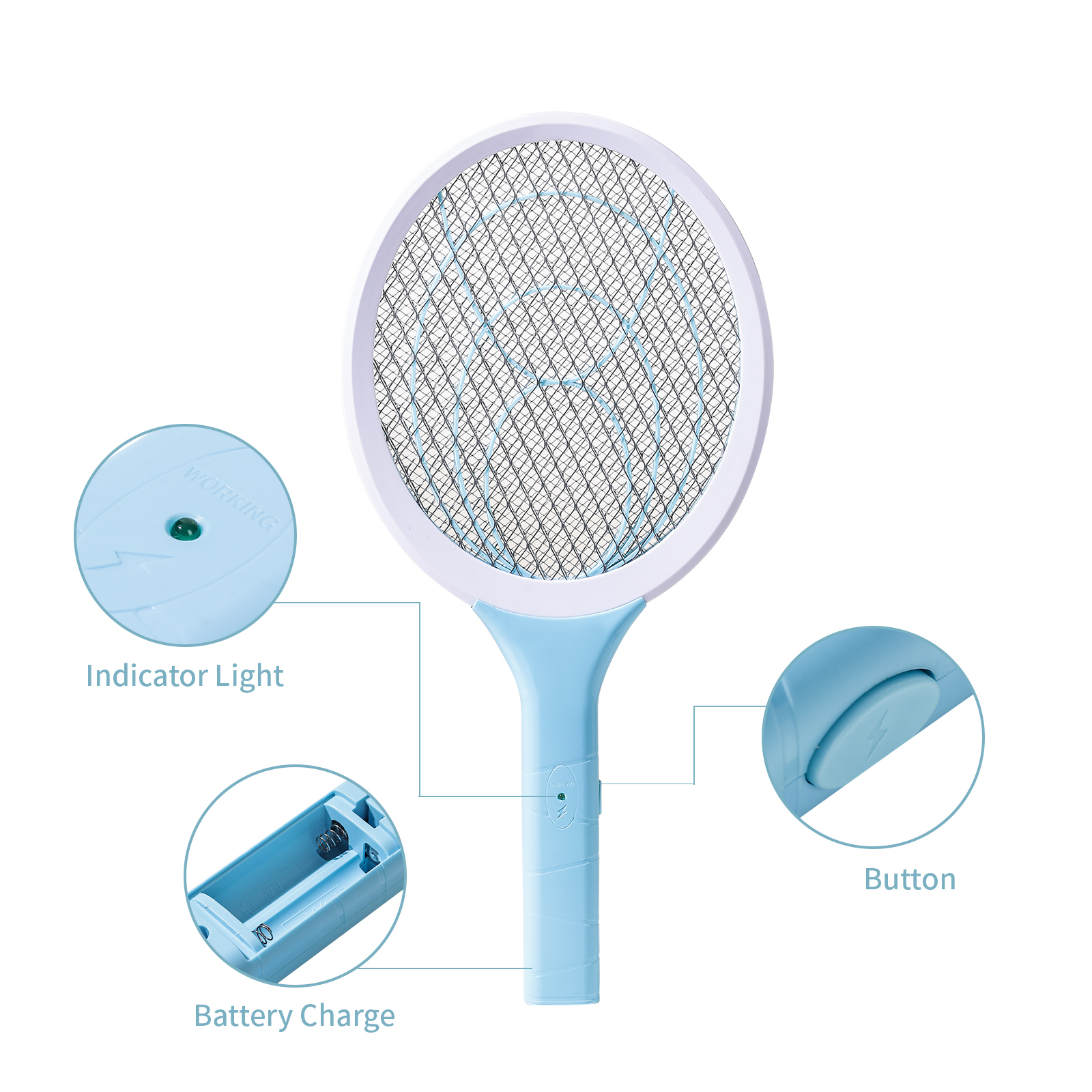
Safe Usage Tips to Avoid Unnecessary Risks
To ensure you use your electric mosquito swatter safely, follow these simple guidelines:
• Never use the swatter with wet hands or in wet environments (e.g., near a pool, sink, or while sweating heavily).
• Keep swatters out of reach of young children and pets—they are not toys, and accidental contact can frighten or discomfort kids.
• Avoid touching the grid while the swatter is activated. If you need to clean the grid (to remove dead insects), turn off the device and wait 10 seconds to let any residual charge dissipate. Do not use water to clean the grid, as this can cause short-circuits.
• Replace old or damaged swatters. If the grid is bent, the casing is cracked, or the swatter doesn’t zap pests properly, it may be faulty and should be discarded.
Final Verdict: Are Electric Mosquito Swatters Safe?
The short answer: Yes, electric mosquito swatters are safe for humans when used correctly. Their high-voltage, low-current design, combined with safety features like insulated casings and energy limits, ensures that they only harm small insects. The occasional accidental touch may cause a sharp刺痛, but it will not result in serious injury.
So the next time you reach for your electric swatter to combat those summer mosquitoes, rest easy—you’re using a device that’s engineered to keep you safe while eliminating pests. Just remember to follow the usage tips, and you’ll enjoy a bug-free, worry-free summer.
The Birth of an Electric Mosquito Swatter
Are UV Mosquito Killers Safe for Families with Kids
Related Article

If you’re struggling with annoying mosquitoes, flies, and other flying pests indoors and outdoors, upgrading from traditional manual tools to anElectric Mosquito Swatter is the most efficient solution. Many homeowners and renters search where to buy fly swatter online to find durable, safe, and high-performance electric models that deliver instant pest control.
Where to Buy Fly Swatter
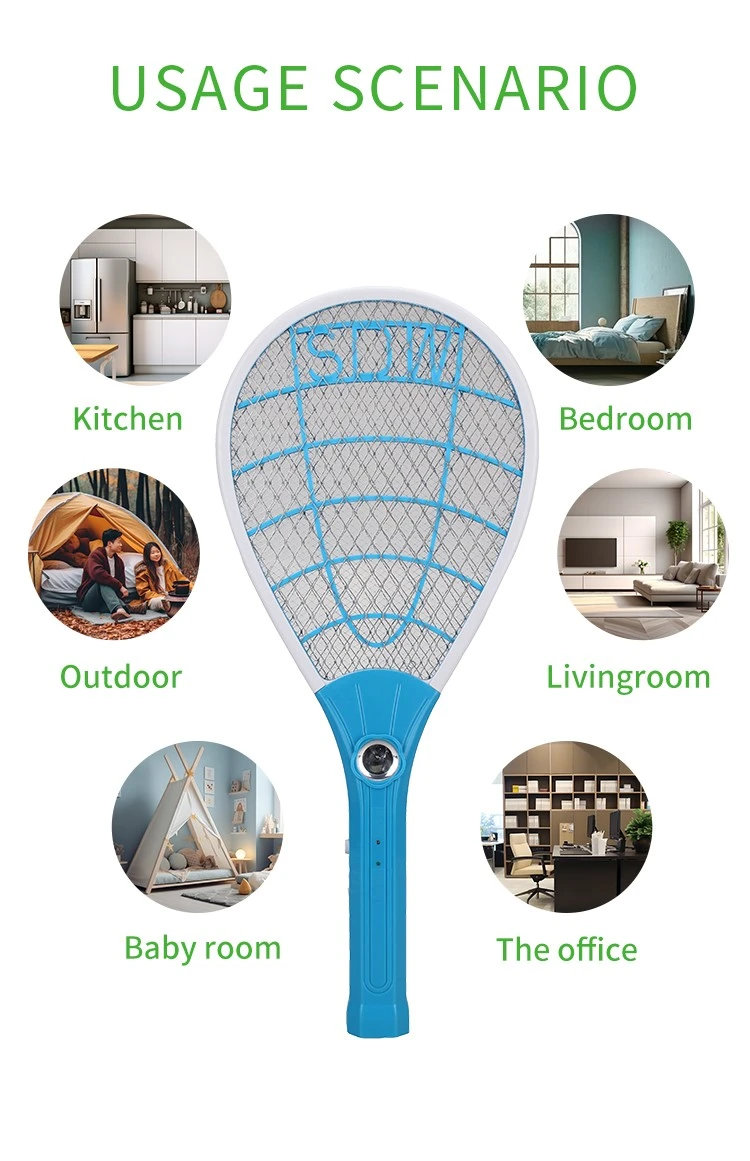
Most importers of electric mosquito swatters obsess over the first order: samples requested, factories vetted, a pre-shipment inspection booked. Then the reorder arrives eight months later and something is off. The grid feels softer. The charge port is a slightly different shade of black. The carton thickness dropped from 350 gsm to 300 gsm. Nothing is catastrophic — but the product no longer matches what your retail customers approved, and quietly, your return rate starts climbing.
How to Keep Mosquito Swatter Quality Consistent Across Repeat Orders
Warranty returns are the silent margin killer in the mosquito control category. A distributor who buys a swatter at $1.80 FOB and retails it at $9.90 can absorb a 1% return rate without noticing — but at 5%, the combined cost of replacement units, reverse logistics, and refund processing erases most of the line's profit.
Common mosquito swatter killer lamp failure modes wholesale spec guide

Digital bathroom scales rank as the second-highest-volume consumer weighing product category, only behind kitchen scales, with distinct market and product characteristics that set them apart from other scale types in importers’ product portfolios.
Digital bathroom body fat-bia-scale wholesale buyers guide