
Are Mosquito Lamps Effective
2026-04-16
Are Mosquito Lamps Effective? A Complete Analysis of Principles and Practical Tests
As summer arrives, mosquitoes become the most annoying uninvited guests. Their bites are itchy and may spread diseases. To get rid of mosquitoes, mosquito lamps have become the first choice for many families and offices due to their selling points of "physical mosquito control and no chemical pollution". However, many people complain after using them: "Mosquito lamps are useless at all; mosquitoes still bite me." So, are mosquito lamps really effective? Today, we will fully dissect them to help you understand their pros and cons and correct usage methods.
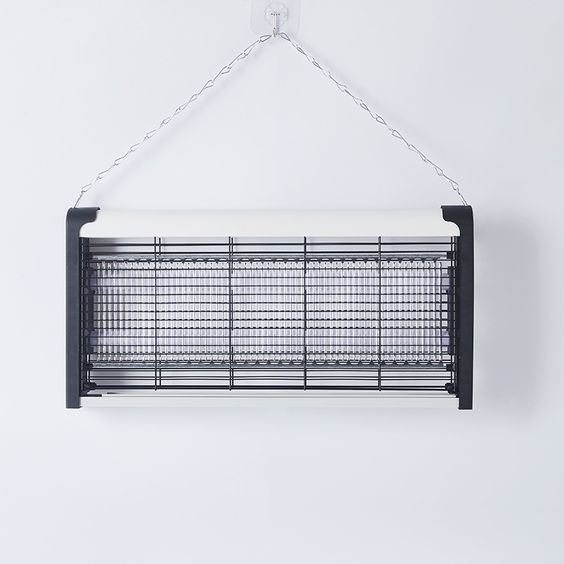
I. How Do Mosquito Lamps Work? How Do They "Lure and Kill" Mosquitoes?
To determine whether mosquito lamps are effective, we first need to understand their working logic. The core principle of common mosquito lamps on the market is "luring + killing". They mainly attract mosquitoes in 3 ways and then eliminate them through different methods.
1. Core Mosquito Luring Methods: Simulating Mosquitoes' "Survival Needs"
Mosquitoes' activities and foraging mainly rely on smell, vision and temperature perception, and mosquito lamps just take advantage of this:
First, ultraviolet light luring, which is the most common method. Mosquitoes are very sensitive to ultraviolet light with a wavelength of 365-400nm. Mosquito lamps emit this kind of ultraviolet light to simulate natural light and attract mosquitoes to approach; second, simulating human breath. Some high-end mosquito lamps release carbon dioxide (a key signal for mosquitoes to find hosts), lactic acid and other substances to further improve the mosquito luring effect; third, temperature simulation. A few mosquito lamps slightly heat up to simulate human body temperature, making mosquitoes mistake them for "biteable targets".
2. Common Killing Methods: Physical Means with No Chemical Residues
When mosquitoes are attracted to the mosquito lamp, they are mainly killed by 3 physical methods: electric shock type (the most common). When mosquitoes touch the high-voltage power grid inside the lamp, they are instantly electrocuted to death, making a slight "crackling" sound; sticky trap type. The lamp is equipped with a highly sticky sticky board. When mosquitoes approach, they will be stuck and slowly starve to death. Its advantage is no noise and no peculiar smell, which is suitable for bedrooms and baby rooms; suction type. It generates negative pressure through a built-in fan to suck mosquitoes into the storage box inside the lamp, making them die of oxygen deficiency. It is also noiseless and easy to clean.
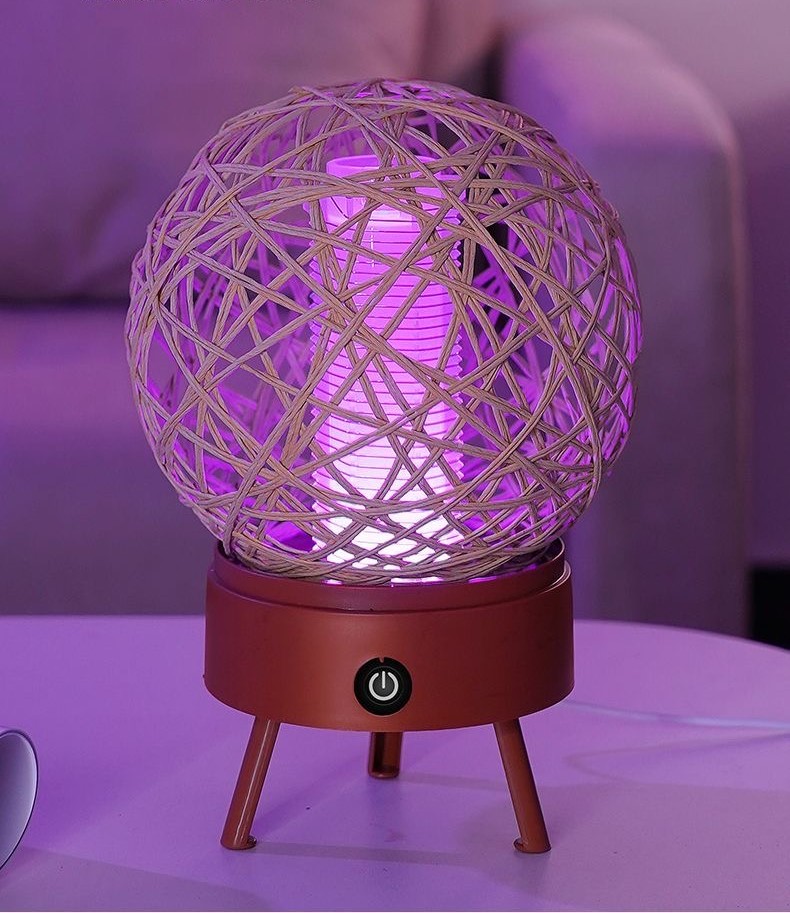
II. Are Mosquito Lamps Really Effective? Check the Effect by Scenarios
Many people think mosquito lamps are "useless", but in fact, most of them use the wrong scenarios. The effect of mosquito lamps is closely related to the use environment and method, and cannot be generalized. Let's look at two core scenarios.
1. Effective Scenarios: Use in These Places for Maximum Mosquito Killing Effect
In scenarios that conform to its working principle, the effect of mosquito lamps is very significant:
First, closed environments without other light sources, such as bedrooms and studies at night. After closing doors, windows and lights, the ultraviolet light of the mosquito lamp will become the only "light source signal", which can effectively attract mosquitoes in the room, especially suitable for small closed spaces; second, scenarios without human interference, such as unoccupied warehouses, basements, balconies, or after family members fall asleep at night. At this time, without the interference of human breath and body temperature, mosquitoes are more likely to be attracted by the mosquito lamp; third, auxiliary mosquito control scenarios. In open spaces such as living rooms and offices, using it with screen windows and mosquito nets can reduce the number of mosquitoes, play an auxiliary role in mosquito control, and prevent a large number of mosquitoes from entering the living area.
2. Ineffective Scenarios: In These Cases, Even Expensive Mosquito Lamps Are Useless
If the use scenario does not meet the requirements, the mosquito lamp is likely to "fail":
First, environments with strong light interference, such as during the day or living rooms with bright lights. The attractiveness of ultraviolet light will be covered by strong light, and mosquitoes will not notice the mosquito lamp at all; second, scenarios with close human activities, such as when people watch TV in the living room or work in the study. The attractiveness of human breath and body temperature to mosquitoes is much greater than that of the ultraviolet light of the mosquito lamp. Mosquitoes will prefer to bite people rather than fly to the mosquito lamp; third, open outdoor areas with many mosquitoes. The attraction range of mosquito lamps is limited (usually 10-20 square meters). There are many mosquitoes outdoors with a wide range of activities, which are difficult to be attracted by a single mosquito lamp, and the effect is almost negligible.
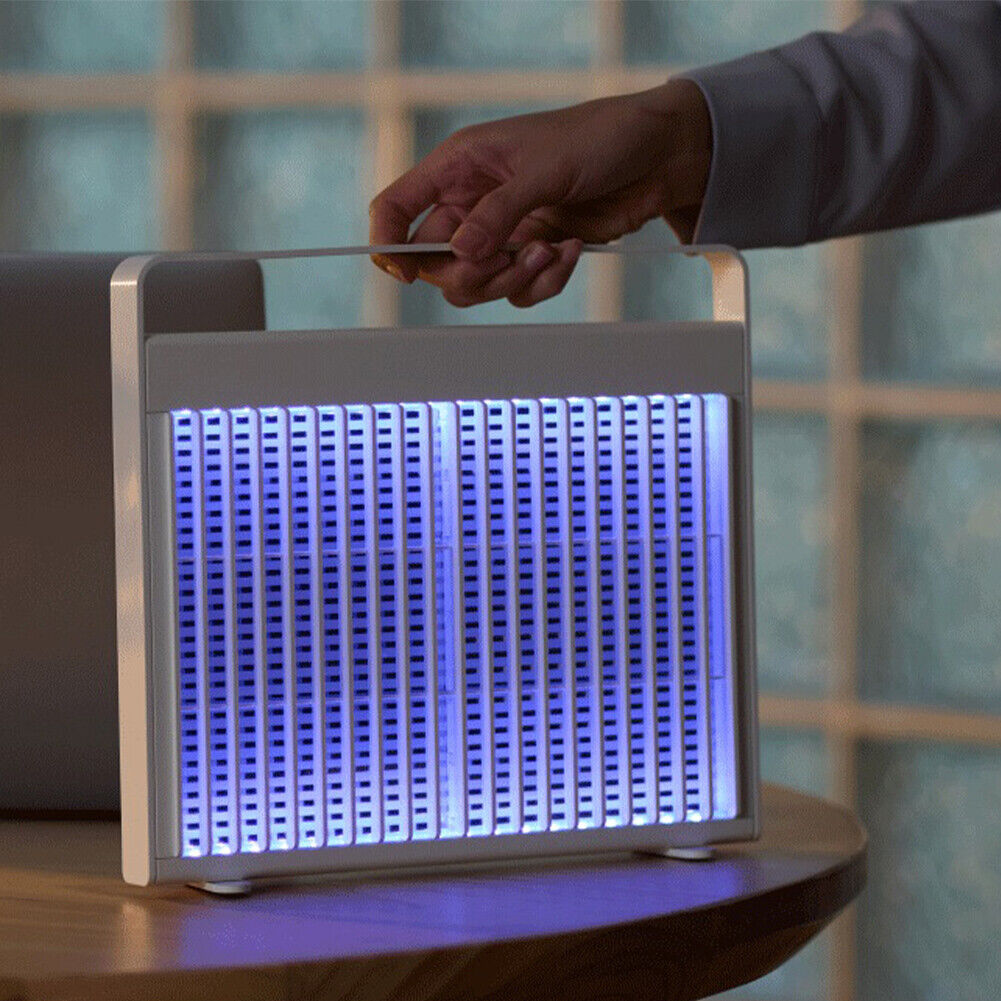
III. 3 Key Factors Affecting the Effect of Mosquito Lamps
Even in effective scenarios, if the following 3 points are not paid attention to, the effect of the mosquito lamp will be greatly reduced, which is also the core reason why many people complain that it is "useless".
1. Placement Position: Choose the Right Place to "Lure Mosquitoes into the Urn"
There are two keys to placing the mosquito lamp: first, height. It is recommended to place it at a height of 1-1.5 meters, which is consistent with the flying height of mosquitoes (mosquitoes mostly move 1-2 meters above the ground), such as on a bookshelf or bedside table; second, distance. Keep it away from the human body (at least 1 meter or more) to avoid the interference of human breath, and at the same time keep it away from doors, windows and lights to prevent mosquitoes from being attracted by external light sources or breath.
2. Usage Time: Turn on in Advance for Doubled Effect
The peak activity time of mosquitoes is evening (18:00-22:00) and early morning (2:00-4:00). It is recommended to turn on the mosquito lamp 1-2 hours before the peak mosquito activity time, such as 17:00 in the evening. At this time, there are not many mosquitoes in the room. The mosquito lamp can "occupy" the advantage of luring mosquitoes in advance. When mosquitoes come out to activity, they can be quickly captured. If you wait until the mosquitoes are flying all over the sky to turn it on, the effect will be much worse.
3. Regular Cleaning: Keep Clean for Sustained Effectiveness
After using the mosquito lamp for a period of time, mosquito corpses and dust will accumulate on the electric grid, sticky board or storage box. These debris will block the ultraviolet light, reduce the mosquito luring effect, and may also breed bacteria. It is recommended to clean it 1-2 times a week. For the electric shock type, wipe the power grid after power off; for the sticky trap type, replace the sticky board in time; for the suction type, clean the storage box. Keeping the mosquito lamp clean can ensure its continuous operation.
IV. Summary: Are Mosquito Lamps Worth Buying? How to Use Them Correctly?
Back to the core question: Are mosquito lamps really effective? The answer is: Effective, but with prerequisites. It is not a "panacea for mosquito control", but in the right scenarios, it is a safe, environmentally friendly and effective auxiliary tool for mosquito control.
If you live in a small apartment, pursue no chemical pollution, or need to kill mosquitoes in sensitive areas such as bedrooms and baby rooms, mosquito lamps are very worth buying; but if you expect them to completely eliminate mosquitoes outdoors or in strong light environments, you will probably be disappointed.
Finally, here is a practical suggestion: Mosquito lamps are best used with screen windows and mosquito nets to form a double guarantee of "defense + luring and killing". In addition, pay attention to the correct placement position and usage time, and you can maximize its effect and spend a mosquito-free summer with peace of mind.
Do Mosquito Lamps Emit Radiation
How to Do Your Own Pest Control Effectively with Electric Mosquito Swatter
Related Article

If you’re struggling with annoying mosquitoes, flies, and other flying pests indoors and outdoors, upgrading from traditional manual tools to anElectric Mosquito Swatter is the most efficient solution. Many homeowners and renters search where to buy fly swatter online to find durable, safe, and high-performance electric models that deliver instant pest control.
Where to Buy Fly Swatter
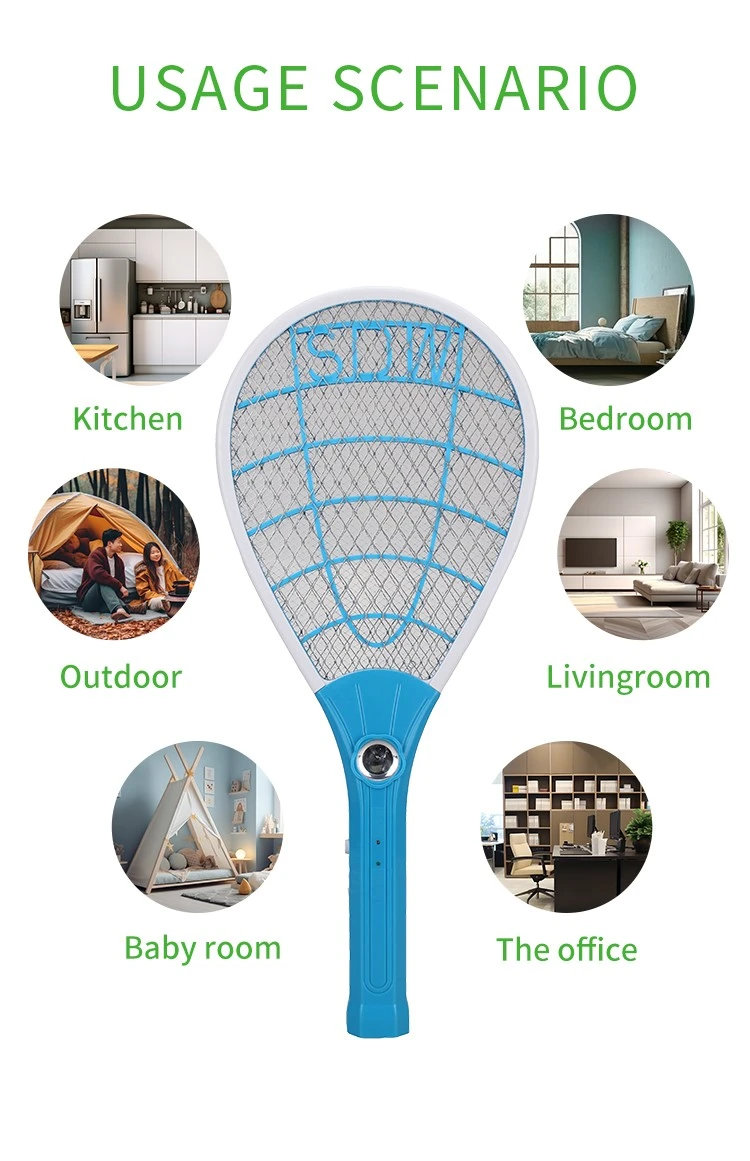
Most importers of electric mosquito swatters obsess over the first order: samples requested, factories vetted, a pre-shipment inspection booked. Then the reorder arrives eight months later and something is off. The grid feels softer. The charge port is a slightly different shade of black. The carton thickness dropped from 350 gsm to 300 gsm. Nothing is catastrophic — but the product no longer matches what your retail customers approved, and quietly, your return rate starts climbing.
How to Keep Mosquito Swatter Quality Consistent Across Repeat Orders
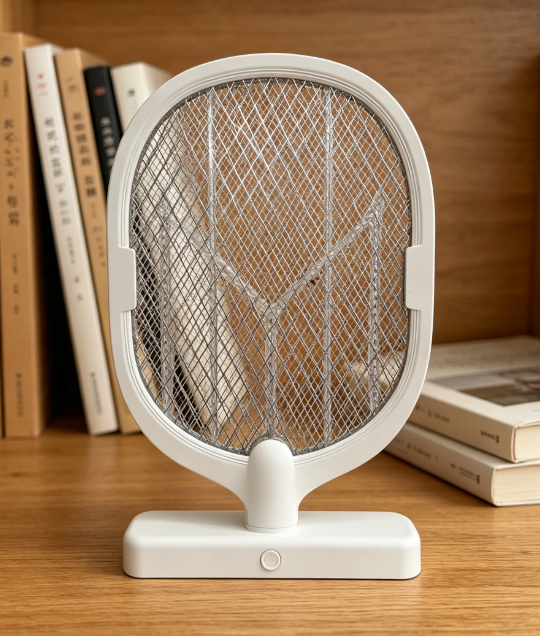
Warranty returns are the silent margin killer in the mosquito control category. A distributor who buys a swatter at $1.80 FOB and retails it at $9.90 can absorb a 1% return rate without noticing — but at 5%, the combined cost of replacement units, reverse logistics, and refund processing erases most of the line's profit.
Common mosquito swatter killer lamp failure modes wholesale spec guide

Digital bathroom scales rank as the second-highest-volume consumer weighing product category, only behind kitchen scales, with distinct market and product characteristics that set them apart from other scale types in importers’ product portfolios.
Digital bathroom body fat-bia-scale wholesale buyers guide