
Are Mosquito Traps Pet-Friendly
2025-11-11
Are Mosquito Traps Pet-Friendly? A Guide to Relieve Pet Owners' Mosquito Control Worries
Mosquitoes are not only annoying but also potential carriers of diseases. For families with pets like cats and dogs, mosquito control requires "double caution": you want to get rid of mosquitoes while ensuring the safety of your furry friends. This is when many people turn to mosquito traps, yet the question "Are mosquito traps pet-friendly?" leaves numerous pet owners confused. Today, we will clarify everything from how mosquito traps work and the safety of different types to key considerations for pet households.
How Do Mosquito Traps Work?
To determine if a mosquito trap is pet-friendly, it’s essential to understand its core mechanism. Most mosquito traps on the market follow a two-step process: "attraction + elimination". First, they lure mosquitoes by simulating human cues (such as carbon dioxide and body heat) or light (mostly ultraviolet light). Then, they eliminate mosquitoes using high-voltage grids, fan suction, or adhesive boards. The impact on pets lies precisely in these "attraction methods" and "elimination techniques".
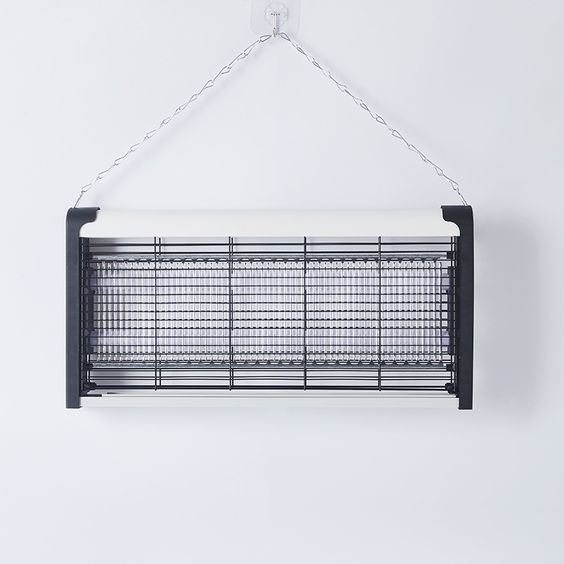
Pet-Friendliness Varies Greatly Among Different Mosquito Trap Types
Not all mosquito traps are the same—some are nearly harmless to pets, while others hide potential risks. Let’s analyze them based on their "elimination methods":
1. Adhesive Board Mosquito Traps: The "Top Choice" for Pet Households
These traps have no high-voltage grids or harsh light. They use a combination of "ultraviolet light attraction + adhesive boards to trap mosquitoes". When mosquitoes are drawn to the light, they land on the strong adhesive boards and eventually die from oxygen deprivation.
Pet-Friendliness Rating: ★★★★★
- No risk of electric shock: There’s no need to worry about pets touching the grid out of curiosity. Even if a cat sniffs around or a dog nudges it with its nose, there’s no danger of electric shock.
- No release of harmful substances: The adhesive on the boards is mostly made of eco-friendly resin, which doesn’t emit toxic gases. Even if a pet accidentally licks it (a very low-probability event, as adhesive boards are usually inside the device), it won’t cause poisoning.
- Low noise: Most adhesive-board mosquito traps only produce a faint fan hum (used to guide mosquitoes toward the adhesive), which won’t scare timid pets (such as cats prone to stress).
The only thing to note: When replacing the adhesive board regularly, keep pets away to prevent them from mistaking the board for a "toy" (though the adhesive is non-toxic to pets, it’s hard to clean if it sticks to their fur).
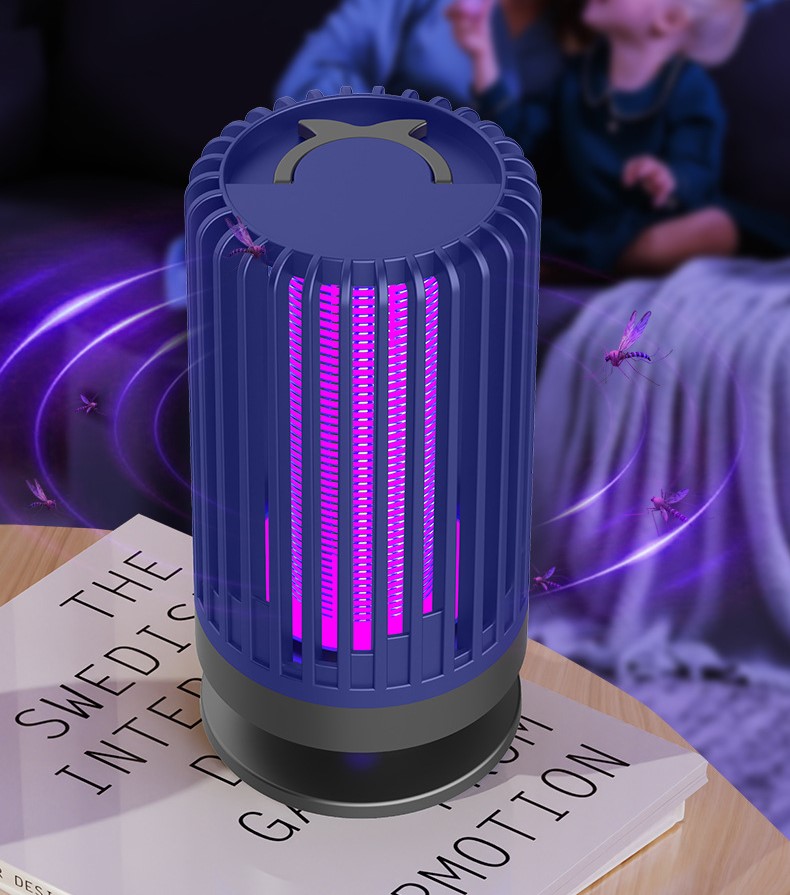
2. High-Voltage Grid Mosquito Traps: "Proceed with Caution" for Pet Households
These are the common "electric shock" traps we see. When mosquitoes are attracted to the light and touch the internal high-voltage grid, they are instantly electrocuted to death, sometimes accompanied by a faint "crackle" sound.
Pet-Friendliness Rating: ★★☆☆☆
Its risks mainly focus on two aspects:
- Electric shock hazard: Although most high-voltage grid mosquito traps have protective casings, if the casing has large gaps, or if pets (such as playful puppies or chewing kittens) bite or pry open the casing, they may come into contact with the high-voltage grid, leading to electric shock. While the voltage is usually not fatal, it can frighten pets or even cause local burns.
- Stress risk: The "crackle" sound from electrocuting mosquitoes can be a "stress trigger" for pets with sensitive hearing (such as cats and small dogs). Long-term use may cause pets to experience anxiety, hiding, or loss of appetite.
If you have playful pets or pets with "stress-prone personalities", it’s best to avoid this type of mosquito trap entirely.
3. Photocatalyst Mosquito Traps: Watch Out for "Additional Risks"
The principle of photocatalyst mosquito traps is: Ultraviolet light activates the photocatalyst (usually titanium dioxide) to produce carbon dioxide and water, simulating human breath to attract mosquitoes. Then, a fan sucks the mosquitoes into the device, where they are trapped and die.
Pet-Friendliness Rating: ★★★☆☆
Its core advantages are "no high voltage and no noise", but there’s an easily overlooked point: Some low-quality photocatalyst mosquito traps may release trace amounts of harmful gases (such as formaldehyde) under ultraviolet light. Although products that meet national standards won’t exceed safety limits, long-term close contact with pets still poses potential risks. Additionally, if ultraviolet light directly irradiates pets (for example, if a pet lies next to the trap for a long time), it may cause mild irritation to their eyes and skin (for instance, cats have delicate corneas, and long-term exposure to ultraviolet light may increase the risk of eye discomfort).
If you choose this type of trap, be sure to select regular products with "national 3C certification" and avoid placing the trap in areas where pets frequently stay (such as next to cat beds or dog crates).
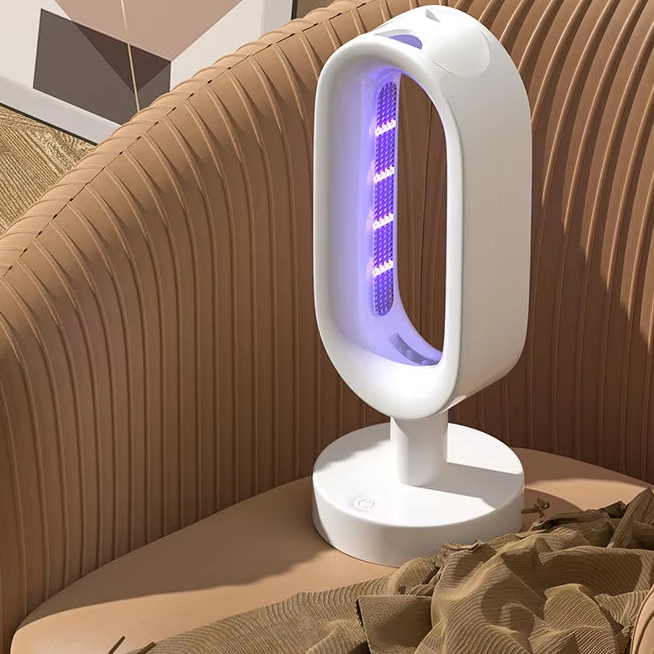
Choosing Mosquito Traps for Pet Households: Remember These 3 "Safety Principles"
Regardless of the type, following these 3 principles will minimize risks to pets:
- Prioritize "physical elimination" and avoid "chemical + electric shock": The first choice is adhesive-board mosquito traps, followed by photocatalyst traps that meet standards. Definitely avoid high-voltage grid mosquito traps.
- Place it "away from pets' activity areas": Mosquito traps are recommended to be placed in areas "with many mosquitoes but few pet visits" (such as balconies, kitchen corners, or living room walls). Do not place them near pets' beds, food bowls, or at heights that pets can easily reach or chew (for example, do not place them on low tables; it’s advisable to hang them at a height of over 1.5 meters).
- Look for "safety certifications" and reject "three-no products" (no brand, no certification, no manufacturer): When purchasing, check for "national 3C certification" and "RoHS environmental certification". Avoid low-priced inferior products—they not only have poor mosquito-killing effects but may also have problems like electric leakage or release of harmful substances, which are unsafe for both humans and pets.
Final Conclusion: Can Pet Households Use Mosquito Traps?
The answer is: Yes, safely—if you choose the right type.
For pet households, prioritize "adhesive-board mosquito traps". They have no electric shock risk, no noise, and no harmful substance release, making them the most pet-friendly type available. If you choose a photocatalyst mosquito trap, be sure to select a regular product and pay attention to its placement. As for high-voltage grid mosquito traps, it’s recommended to "skip them entirely".
After all, the core of mosquito control is "protecting the safety of your family and pets". Instead of worrying about "whether to use a mosquito trap", it’s better to first choose a "pet-safe mosquito trap".
Can an electric mosquito swatter pass through subway security checks
Guide to Avoiding Pitfalls When Buying Mosquito Swatters Online
Related Article

If you’re struggling with annoying mosquitoes, flies, and other flying pests indoors and outdoors, upgrading from traditional manual tools to anElectric Mosquito Swatter is the most efficient solution. Many homeowners and renters search where to buy fly swatter online to find durable, safe, and high-performance electric models that deliver instant pest control.
Where to Buy Fly Swatter
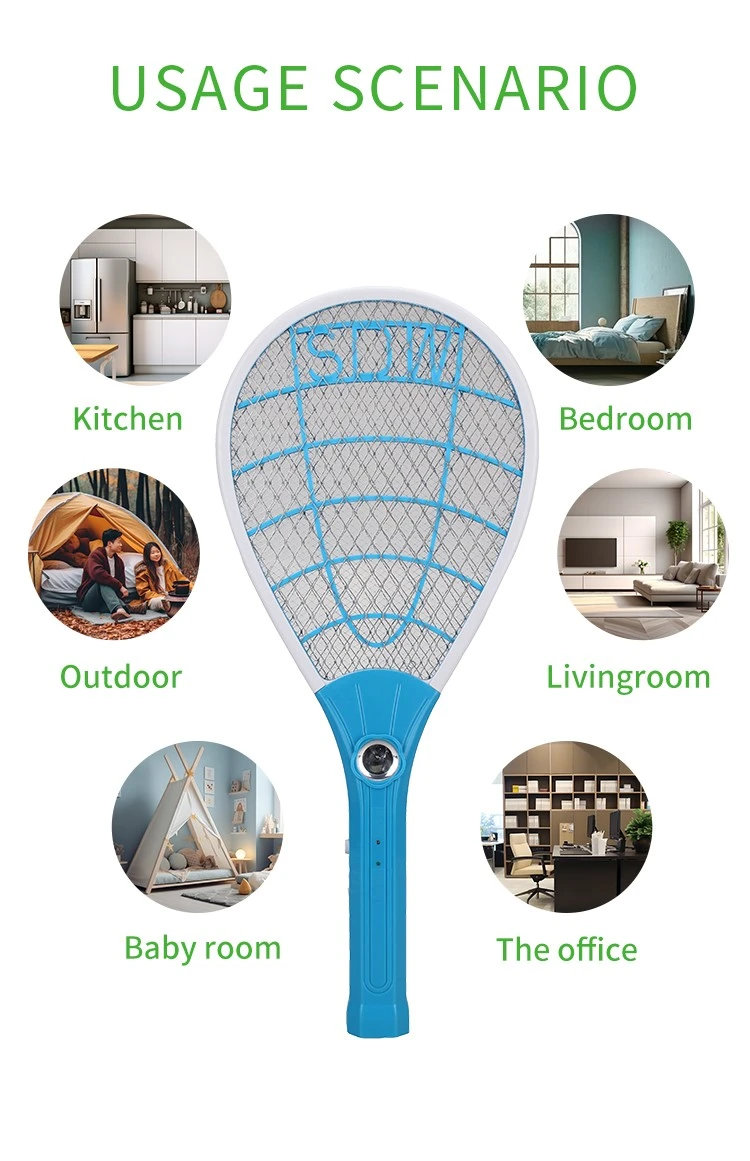
Most importers of electric mosquito swatters obsess over the first order: samples requested, factories vetted, a pre-shipment inspection booked. Then the reorder arrives eight months later and something is off. The grid feels softer. The charge port is a slightly different shade of black. The carton thickness dropped from 350 gsm to 300 gsm. Nothing is catastrophic — but the product no longer matches what your retail customers approved, and quietly, your return rate starts climbing.
How to Keep Mosquito Swatter Quality Consistent Across Repeat Orders
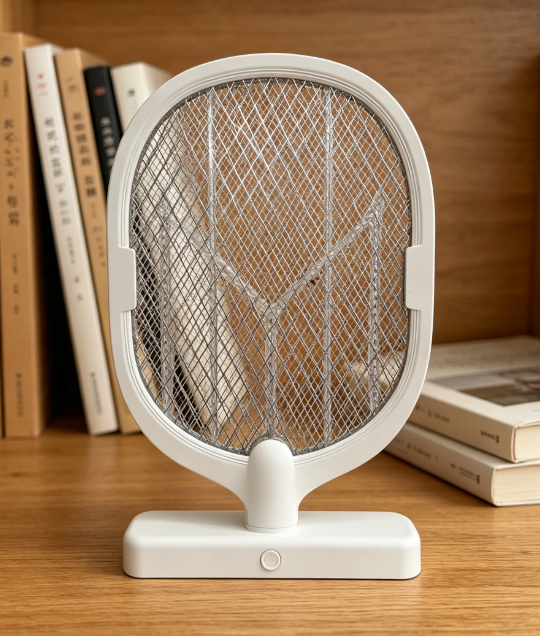
Warranty returns are the silent margin killer in the mosquito control category. A distributor who buys a swatter at $1.80 FOB and retails it at $9.90 can absorb a 1% return rate without noticing — but at 5%, the combined cost of replacement units, reverse logistics, and refund processing erases most of the line's profit.
Common mosquito swatter killer lamp failure modes wholesale spec guide

Digital bathroom scales rank as the second-highest-volume consumer weighing product category, only behind kitchen scales, with distinct market and product characteristics that set them apart from other scale types in importers’ product portfolios.
Digital bathroom body fat-bia-scale wholesale buyers guide