
Are mosquitoes attracted to UV lights
2025-07-03
Are mosquitoes attracted to UV lights
When it comes to keeping mosquitoes at bay during the warm summer months, many people turn to various repellent methods. Among the popular choices are UV light - based devices like mosquito - killing lamps and the handy mosquito - killing paddles. But the question remains: Are mosquitoes truly attracted to UV lights? Let's dive into the science to find out.
The Sensory Mechanisms of Mosquitoes
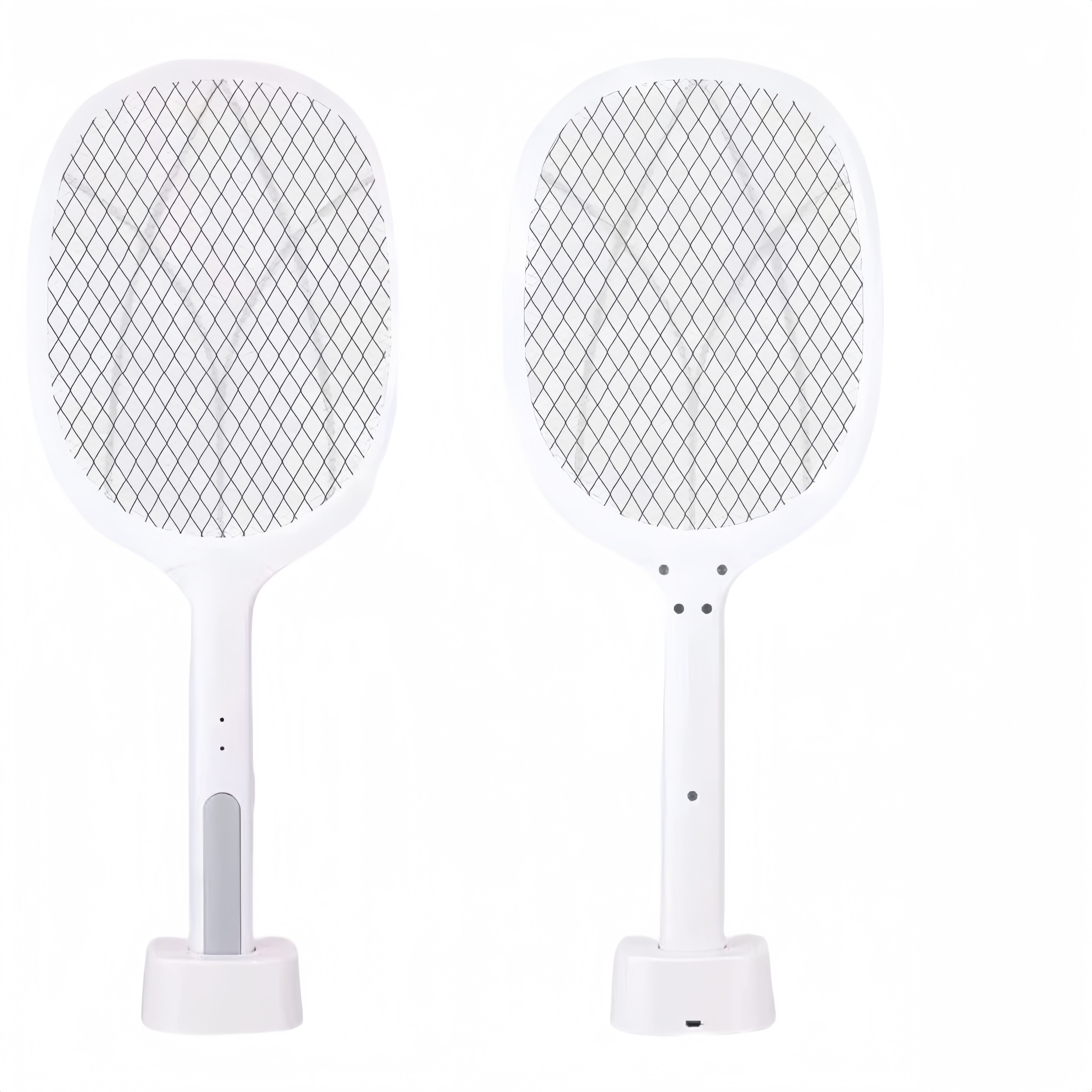
Mosquitoes rely on a combination of senses to locate their prey. Their sense of smell is highly developed, as they use odor receptors to detect carbon dioxide exhaled by humans and animals, as well as other chemical signals such as lactic acid and body heat. These cues play a crucial role in guiding mosquitoes to their next blood meal. In addition to smell, mosquitoes also have compound eyes that can detect light. Their eyes are sensitive to different wavelengths, which allows them to navigate and find potential hosts in their environment.
UV Light and Mosquito Attraction
UV light, or ultraviolet light, is a type of electromagnetic radiation with a wavelength shorter than visible light. Some insects, like moths, are known to be strongly attracted to UV light. This is because they use UV light in the natural environment, such as moonlight, for navigation. However, the situation is different for mosquitoes. While it's a common belief that mosquitoes are attracted to UV lights, scientific research tells a different story.
Studies have shown that mosquitoes are not inherently attracted to UV light. Instead, what might seem like attraction to UV lights could be a result of misdirection. Mosquitoes are more likely to be drawn to light sources because they disrupt the natural light cues that mosquitoes use for navigation. When artificial lights, including UV lights, are present, mosquitoes may become confused and end up near the light source by mistake.
The Working Principles and Effectiveness of Mosquito - killing Devices
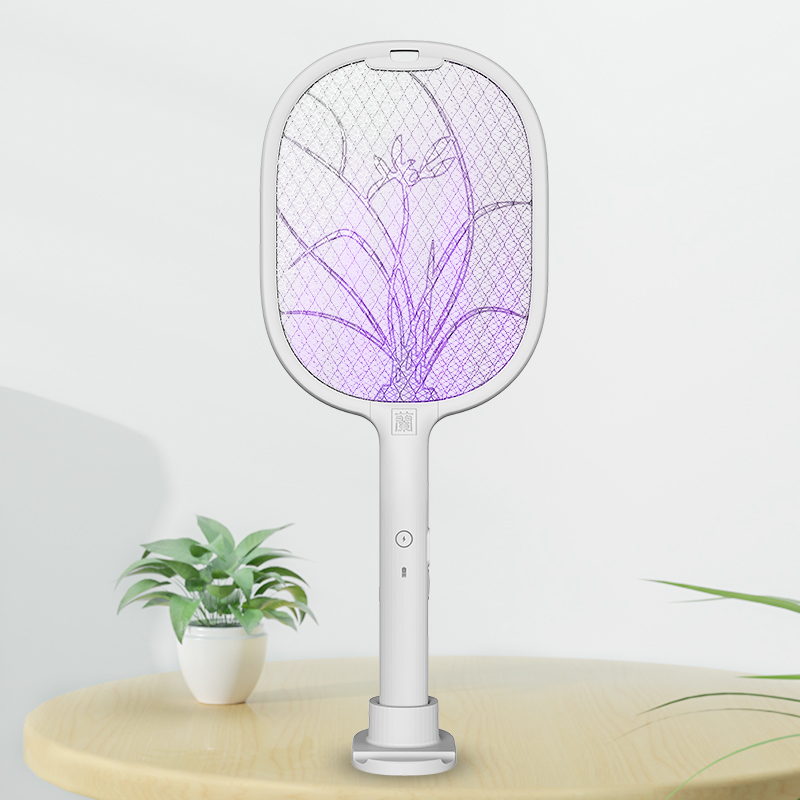
Mosquito - killing lamps, which often utilize UV lights, are designed based on the common but inaccurate assumption that mosquitoes are attracted to UV. These lamps typically consist of a UV light - emitting component and an electric grid or adhesive surface. When mosquitoes approach the UV light due to confusion rather than true attraction, they either get electrocuted by the electric grid or stuck on the adhesive surface. However, as mentioned before, since mosquitoes are not specifically attracted to UV, these lamps also attract a large number of non - mosquito insects, including beneficial pollinators. Moreover, they may not significantly reduce the mosquito population that poses a real threat to human health, as mosquitoes are more interested in the chemical and heat signals from humans and animals.
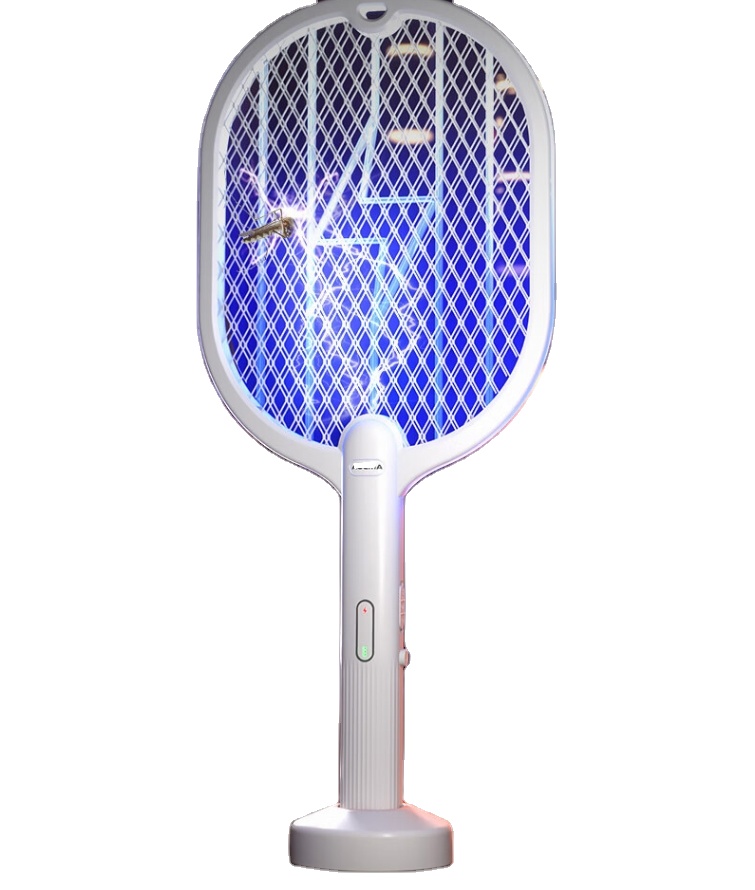
Mosquito - killing paddles, on the other hand, are a more direct form of mosquito control. Some mosquito - killing paddles also incorporate UV lights, but their main function is not relying on the attraction of UV to mosquitoes. Instead, they use the paddles' movement and the visible light emitted (which may also contain some UV components) to startle mosquitoes. When mosquitoes are startled, they fly into the electric grid of the paddle, resulting in electrocution. Compared to mosquito - killing lamps, mosquito - killing paddles are more targeted in killing mosquitoes, as they require human intervention and can be directly aimed at mosquitoes in sight. But they are limited by the user's ability to spot and catch mosquitoes, and their coverage area is relatively small.
In conclusion, mosquitoes are not specifically attracted to UV lights. The idea that UV - based devices like mosquito - killing lamps are a foolproof method for mosquito control is a misconception. When it comes to protecting ourselves from mosquito bites, relying on methods that target mosquitoes' true attractants, such as using insect repellents containing DEET or wearing long - sleeved clothing, is a more effective approach. Understanding the science behind mosquito behavior and the working principles of different mosquito - killing devices can help us make more informed decisions in our efforts to keep these pesky insects at bay.
Where Do Fruit Flies Come From
What is the best way to kill a mosquito
Related Article

If you’re struggling with annoying mosquitoes, flies, and other flying pests indoors and outdoors, upgrading from traditional manual tools to anElectric Mosquito Swatter is the most efficient solution. Many homeowners and renters search where to buy fly swatter online to find durable, safe, and high-performance electric models that deliver instant pest control.
Where to Buy Fly Swatter

Most importers of electric mosquito swatters obsess over the first order: samples requested, factories vetted, a pre-shipment inspection booked. Then the reorder arrives eight months later and something is off. The grid feels softer. The charge port is a slightly different shade of black. The carton thickness dropped from 350 gsm to 300 gsm. Nothing is catastrophic — but the product no longer matches what your retail customers approved, and quietly, your return rate starts climbing.
How to Keep Mosquito Swatter Quality Consistent Across Repeat Orders

Warranty returns are the silent margin killer in the mosquito control category. A distributor who buys a swatter at $1.80 FOB and retails it at $9.90 can absorb a 1% return rate without noticing — but at 5%, the combined cost of replacement units, reverse logistics, and refund processing erases most of the line's profit.
Common mosquito swatter killer lamp failure modes wholesale spec guide

Digital bathroom scales rank as the second-highest-volume consumer weighing product category, only behind kitchen scales, with distinct market and product characteristics that set them apart from other scale types in importers’ product portfolios.
Digital bathroom body fat-bia-scale wholesale buyers guide