
Are Mosquitoes Poisonous
2026-07-06
Are Mosquitoes Poisonous? Is the Red, Itchy Bite a Kind of Poisoning?
Mosquitoes are one of the most annoying pests in summer. They sneak up on us both at home and outdoors, leaving swollen, itchy bumps that linger for a long time. Many people wonder: if mosquito bites cause swelling and itching, does that mean mosquitoes are poisonous? Are the so-called "poisonous mosquitoes" real? Today, we will fully clarify the truth about mosquito toxicity and answer all your questions.
1. Core Conclusion: Mosquitoes Are Not Venomous but Secrete Special Saliva
Here is a clear answer: mosquitoes are not venomous insects and produce no lethal toxins. Creatures such as centipedes, wasps, and venomous spiders have special venom glands. They release highly toxic substances when hunting or defending themselves, which can cause poisoning, severe allergic reactions, intense swelling and pain, and even shock in humans. Mosquitoes have no such venom organs at all.
The redness, itching, swelling, and burning sensation after a mosquito bite are not poisoning symptoms. Instead, they are human immune allergic reactions. To suck blood smoothly without immediate clotting, a mosquito injects saliva under the skin while biting. This saliva is the real cause of all skin discomforts.
1.1 Mosquito Saliva: The Hidden Culprit Behind Skin Irritation
Mosquito saliva contains more than ten active substances, mainly including anticoagulants, vasodilators, and proteases. For mosquitoes, these ingredients are essential feeding tools—they prevent human blood from clotting and dilate subcutaneous blood vessels, allowing mosquitoes to feed quickly and efficiently.
However, these foreign heterologous proteins are perceived as "invaders" by the human body. The immune system immediately activates defense mechanisms and releases histamine to fight against these foreign substances. Histamine dilates skin blood vessels and increases capillary permeability, eventually leading to red, raised, itchy bumps on the skin—this is how mosquito bites form.
1.2 Why Do Mosquito Bites Vary in Size Among People?
It is common to see that some people only get tiny red dots after being bitten, while others develop large, swollen bumps that last for days. This difference has nothing to do with mosquito toxicity; it mainly depends on personal immunity and skin sensitivity.
Adults with strong immunity are more tolerant to the protein in mosquito saliva, resulting in mild immune responses and only faint red spots that stop itching quickly. In contrast, children, people with sensitive skin, and those with weak immune systems have exaggerated defense reactions. Their bodies release large amounts of histamine, causing severe swelling, hard lumps, intense itching, and even blisters. These are normal immune differences, not signs of "poisonous mosquito" bites.
2. Are the So-Called "Poisonous Mosquitoes" Real?
People often refer to striped mosquitoes and black mosquitoes as poisonous mosquitoes. This is not because they carry toxins, but because their saliva has a unique composition that causes stronger skin irritation.
2.1 Aedes Albopictus (Asian Tiger Mosquito): The Most Annoying Summer Mosquito
The black-and-white striped mosquito commonly seen in summer is scientifically named Aedes albopictus, widely known as the "poisonous mosquito". Its saliva contains more types and more active heterologous proteins, triggering more intense immune reactions. Its bites lead to bigger, itchier bumps that take longer to heal and often leave dark pigmented marks.
In addition, Aedes albopictus is extremely aggressive. It bites actively even during the daytime and is agile and hard to swat. These traits are why it is labeled poisonous, though it still produces no lethal toxins.
2.2 Ordinary Mosquitoes Cannot Kill People with Bites
A single ordinary mosquito bite only causes local skin discomfort and will not lead to death by poisoning. Rare fatal cases related to mosquito bites are never caused by toxicity. Instead, they result from secondary skin infections, severe systemic allergies, or infectious diseases transmitted by mosquitoes.
3. The Real Danger of Mosquitoes: Disease Transmission, Not Skin Irritation
The greatest threat of mosquitoes is not the itchy swelling they cause, but their role as vector insects capable of spreading life-threatening infectious diseases. This is the core reason why mosquito prevention is essential in summer.
3.1 Multiple Infectious Diseases Transmitted by Mosquitoes
When a mosquito bites an infected human or animal, it picks up pathogens. When it bites a healthy person afterward, it transmits viruses and bacteria into the new host’s body. Common mosquito-borne diseases include dengue fever, malaria, Japanese encephalitis, Zika virus, and lymphatic filariasis. These illnesses are far more dangerous than minor skin bite reactions.
3.2 Risk of Secondary Skin Infection
Most people tend to scratch itchy mosquito bites. Broken skin allows bacteria from hands and the environment to invade the wound, causing inflammation, pus, and even skin ulcers. In severe cases, it can lead to cellulitis, leaving permanent scars and pigmentation. This is one of the most common post-bite problems in summer.
4. Correct Ways to Treat Mosquito Bites (No More Random Scratching or Misuse of Products)
Now that we understand mosquito bites are non-toxic and skin discomfort is an immune reaction, we can treat bites correctly to relieve symptoms effectively.
4.1 Emergency Relief (Right After Being Bitten)
Immediately rinse the bitten area with clean water or soapy water to neutralize the acidic mosquito saliva and reduce residual irritation, which prevents the bump from worsening. Cold compresses can also constrict blood vessels and effectively relieve swelling and itching.
4.2 Proper Medication for Severe Swelling and Itching
Mild itching can be relieved with calamine lotion, which is gentle, effective, and safe for all ages. For severe swelling and intense itching, apply mild anti-allergy ointments for short-term use. Avoid repeatedly wiping the wound with alcohol or disinfectants, as over-stimulation will damage the skin and worsen inflammation.
4.3 Situations That Require Medical Attention
Seek medical help promptly if you experience extensive swelling, persistent pus, fever, full-body rashes, dizziness, or breathing difficulties after a bite. These symptoms indicate severe allergic reactions or bacterial infections that require professional treatment.
5. Effective Daily Mosquito Prevention
Prevention is always better than cure. At home, regularly remove standing water from flower pots, trash cans, and other containers, as stagnant water is the main breeding ground for mosquitoes. When going outdoors, wear long-sleeved clothes and long pants, and apply certified mosquito repellent on exposed skin. Install window screens and mosquito nets at home to minimize bites effectively.
Summary
To conclude: mosquitoes are not poisonous. The swelling and itching after bites are normal human immune responses. The so-called poisonous mosquitoes only produce more irritating saliva. The real hazards of mosquitoes are infectious disease transmission and secondary skin infections.
There is no need to fear "poisoning" from mosquito bites, but proper mosquito prevention and correct bite treatment are essential. They help you avoid itchy discomforts and potential health risks, allowing you to enjoy summer safely.
What Types of Mosquito Killers Are There
Can Mosquito Lamps Be Charged with Fast Chargers
Related Article

If you’re struggling with annoying mosquitoes, flies, and other flying pests indoors and outdoors, upgrading from traditional manual tools to anElectric Mosquito Swatter is the most efficient solution. Many homeowners and renters search where to buy fly swatter online to find durable, safe, and high-performance electric models that deliver instant pest control.
Where to Buy Fly Swatter
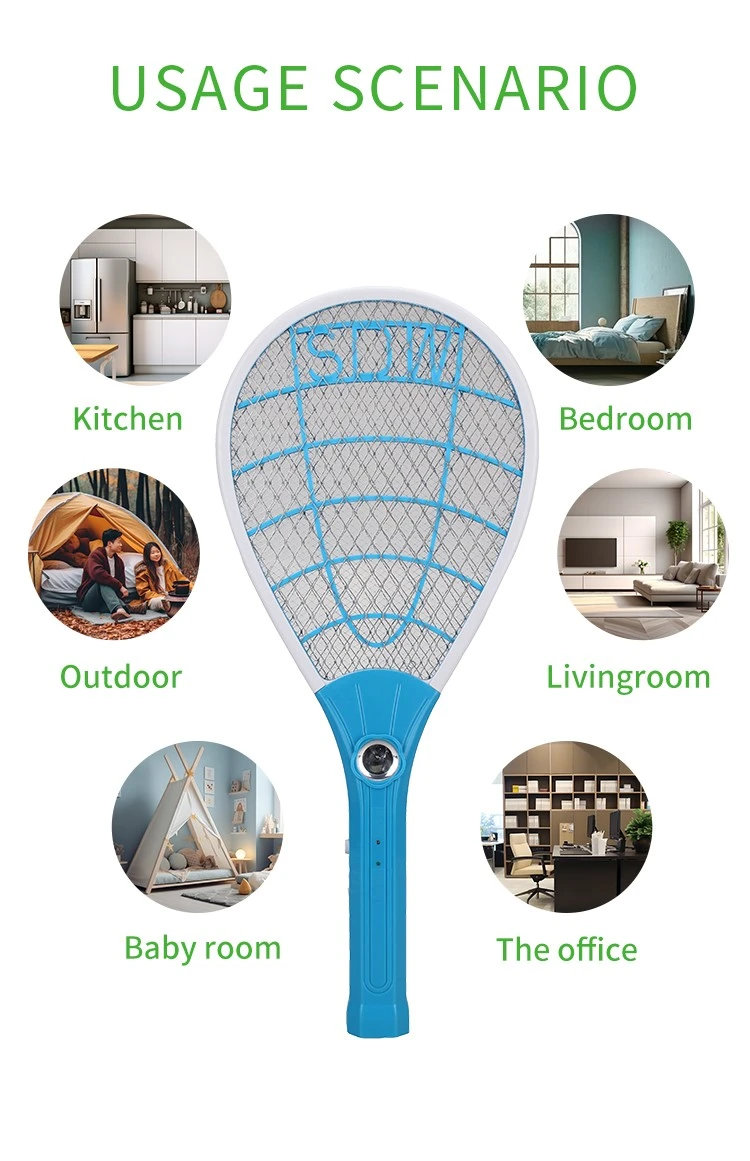
Most importers of electric mosquito swatters obsess over the first order: samples requested, factories vetted, a pre-shipment inspection booked. Then the reorder arrives eight months later and something is off. The grid feels softer. The charge port is a slightly different shade of black. The carton thickness dropped from 350 gsm to 300 gsm. Nothing is catastrophic — but the product no longer matches what your retail customers approved, and quietly, your return rate starts climbing.
How to Keep Mosquito Swatter Quality Consistent Across Repeat Orders
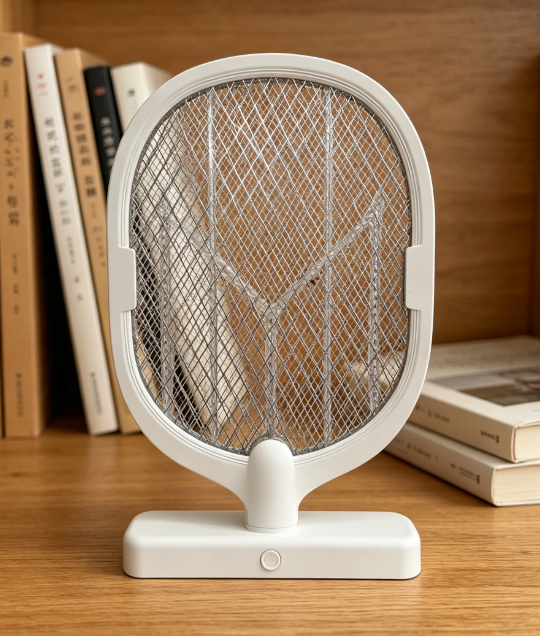
Warranty returns are the silent margin killer in the mosquito control category. A distributor who buys a swatter at $1.80 FOB and retails it at $9.90 can absorb a 1% return rate without noticing — but at 5%, the combined cost of replacement units, reverse logistics, and refund processing erases most of the line's profit.
Common mosquito swatter killer lamp failure modes wholesale spec guide

Digital bathroom scales rank as the second-highest-volume consumer weighing product category, only behind kitchen scales, with distinct market and product characteristics that set them apart from other scale types in importers’ product portfolios.
Digital bathroom body fat-bia-scale wholesale buyers guide