
are mosquitos attracted to light
2025-07-11
Are Mosquitoes Attracted to Light?
If you’ve ever sat outdoors on a summer night, you’ve probably noticed that many flying insects swarm around porch lights or bug zappers. But when it comes to mosquitoes, the relationship with light is more complicated than you might think. Let’s explore whether mosquitoes are truly attracted to light and how this behavior can impact your efforts to keep them away.
The Science Behind Mosquitoes and Light
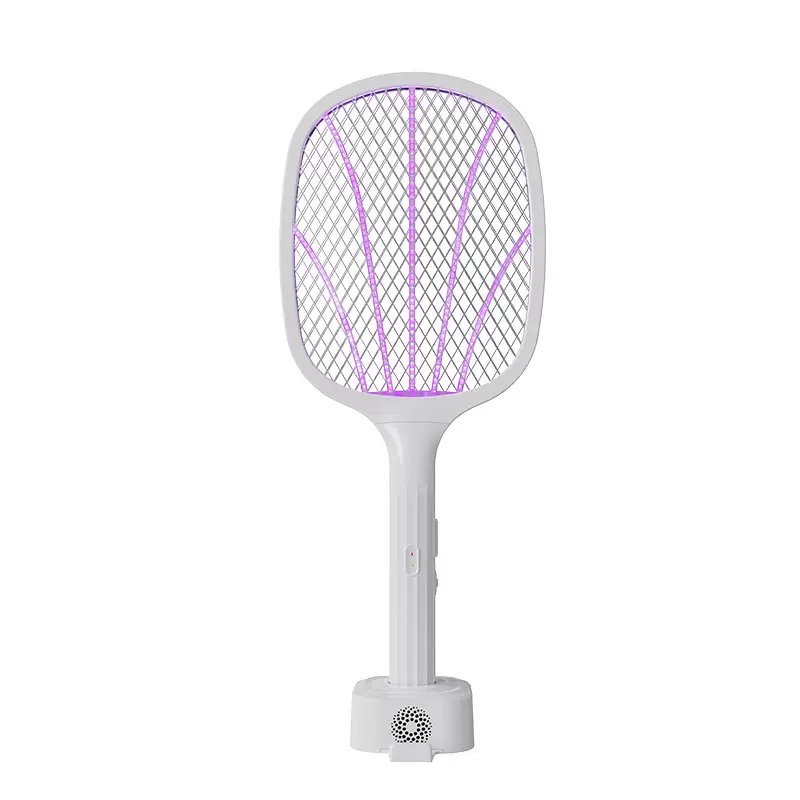
Unlike flies or moths, which are strongly drawn to ultraviolet (UV) and bright lights, mosquitoes do not have a straightforward attraction to light. Their behavior is primarily driven by other cues, such as body heat, carbon dioxide (CO₂) from breath, and chemical scents from sweat. However, light can still influence their movements—just not in the way you might expect.
Why Mosquitoes Are Not Strongly Attracted to Light
Studies show that most mosquito species are not inherently attracted to light sources. In fact, some research suggests that bright lights can even repel certain types of mosquitoes, especially during the day. Their main goal is to find a host (like humans or animals) to feed on, and they rely on heat and chemical signals to locate prey, not light.
Exceptions: When Light Might Draw Them In
While light isn’t a primary attractant, there are scenarios where mosquitoes may end up near lights. For example, if a light source is close to a person (who emits CO₂ and heat), mosquitoes might inadvertently fly toward the light while pursuing their host. Additionally, some species that are active during dawn or dusk (crepuscular species) may be more likely to cross paths with lights during their active hours.
Factors That Influence Mosquito Behavior Around Light
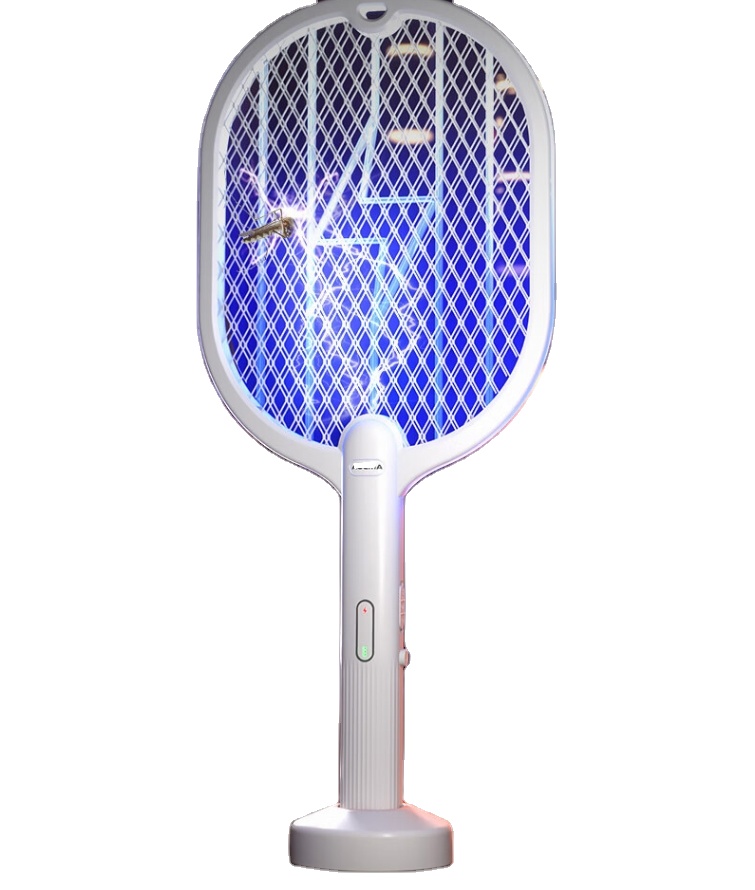
Several factors can affect how mosquitoes interact with light, making their behavior seem inconsistent at times.
Time of Day
Mosquitoes are most active during dusk, dawn, and nighttime. During these low-light periods, they may be more likely to encounter artificial lights, but this is more about timing their activity than being attracted to the light itself. In bright daylight, mosquitoes tend to hide in shaded areas, avoiding direct sunlight.
Type of Light
Different light wavelengths have varying effects. Mosquitoes are less responsive to UV light compared to insects like moths. However, warm-toned lights (such as yellow or orange) may be less likely to disturb or repel them than cool-toned lights (like blue or white). Some studies suggest that yellow “bug lights” can reduce the number of insects (including mosquitoes) near your outdoor space by emitting fewer wavelengths that disrupt their behavior.
Presence of Host Cues
The strongest attractant for mosquitoes is the combination of CO₂, body heat, and lactic acid (found in sweat). If a light is near a person, the mosquito’s drive to reach the host will override any reaction to the light. This is why you might see mosquitoes near a porch light—but they’re likely there because of you, not the light itself.
How to Use Light to Deter Mosquitoes
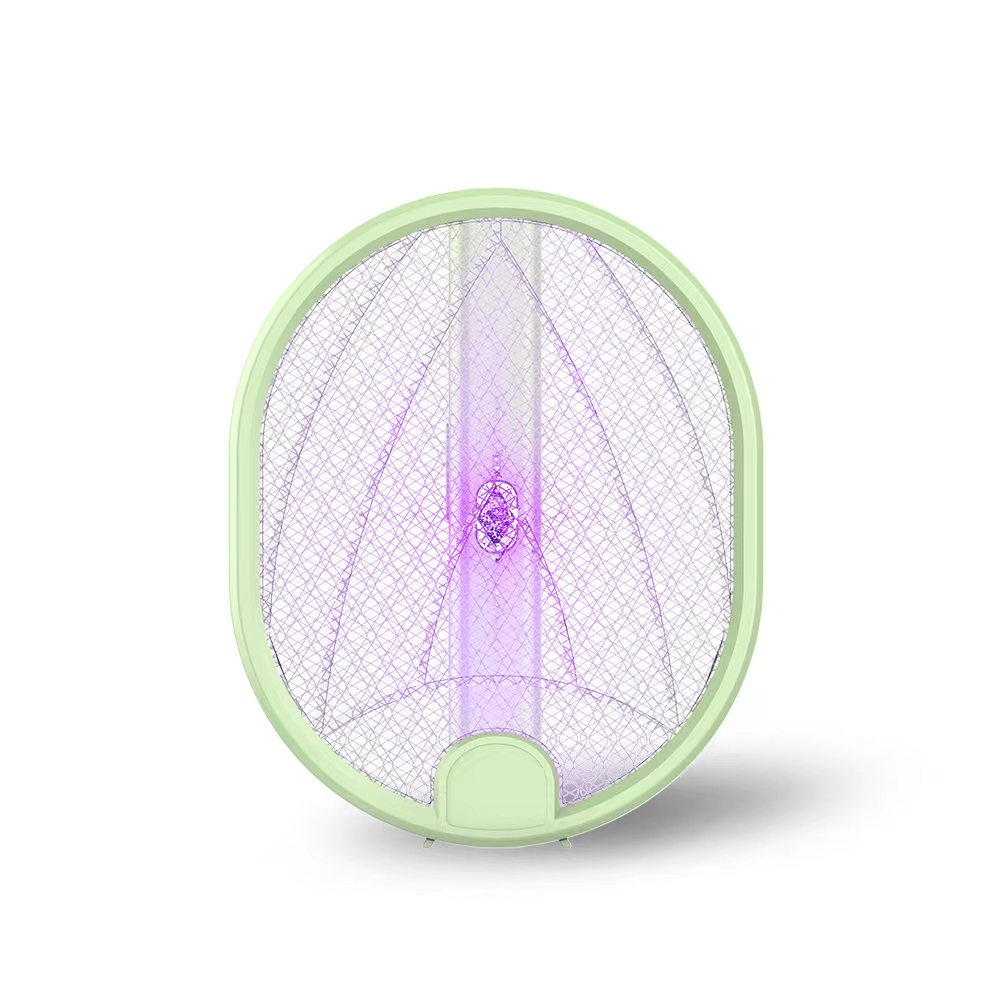
While light alone won’t attract most mosquitoes, you can use lighting strategies to reduce their presence around your home.
Choose the Right Light Bulbs
Opt for yellow, orange, or LED bulbs with warm color temperatures (2700K–3000K). These emit fewer short-wavelength rays that might disrupt mosquito behavior or attract other insects, which can indirectly draw mosquitoes (since they feed on nectar from other bugs).
Position Lights Strategically
Place outdoor lights away from seating areas to avoid luring mosquitoes (or other insects) toward where you’re sitting. If possible, use motion-sensor lights that only turn on when needed, minimizing unnecessary light exposure during peak mosquito activity.
Combine Light with Other Repellents
Since light isn’t enough to repel mosquitoes, pair your lighting choices with other methods: use bug zappers with CO₂ lures (to target their host-seeking behavior), apply insect repellent, or eliminate standing water (where mosquitoes breed).
Conclusion
In short, mosquitoes are not strongly attracted to light like many other insects. Their behavior is driven by the search for hosts, using heat, CO₂, and chemical signals instead. While they may occasionally be near lights, this is usually a side effect of pursuing a nearby host. By understanding this, you can adjust your lighting and pest-control strategies to better keep mosquitoes at bay, making your outdoor time more enjoyable.
How do LED insect light traps contribute to environmental sustainability
Which type of mosquito killer works the best
Related Article

If you’re struggling with annoying mosquitoes, flies, and other flying pests indoors and outdoors, upgrading from traditional manual tools to anElectric Mosquito Swatter is the most efficient solution. Many homeowners and renters search where to buy fly swatter online to find durable, safe, and high-performance electric models that deliver instant pest control.
Where to Buy Fly Swatter
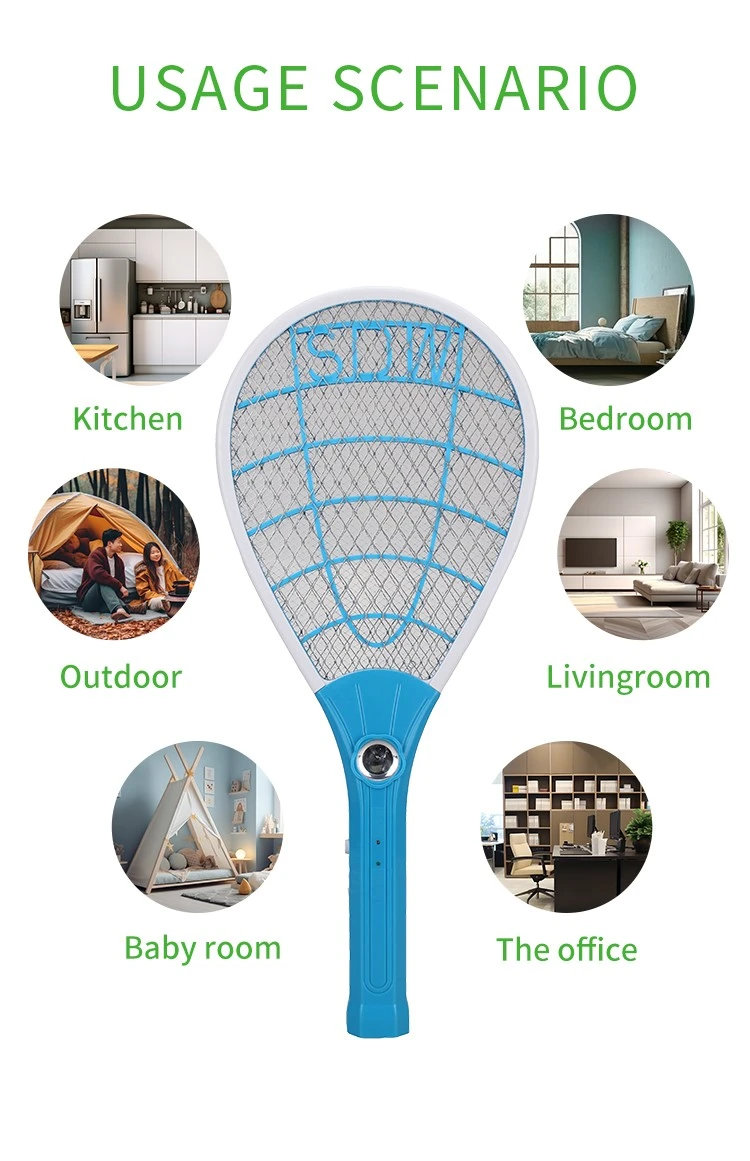
Most importers of electric mosquito swatters obsess over the first order: samples requested, factories vetted, a pre-shipment inspection booked. Then the reorder arrives eight months later and something is off. The grid feels softer. The charge port is a slightly different shade of black. The carton thickness dropped from 350 gsm to 300 gsm. Nothing is catastrophic — but the product no longer matches what your retail customers approved, and quietly, your return rate starts climbing.
How to Keep Mosquito Swatter Quality Consistent Across Repeat Orders
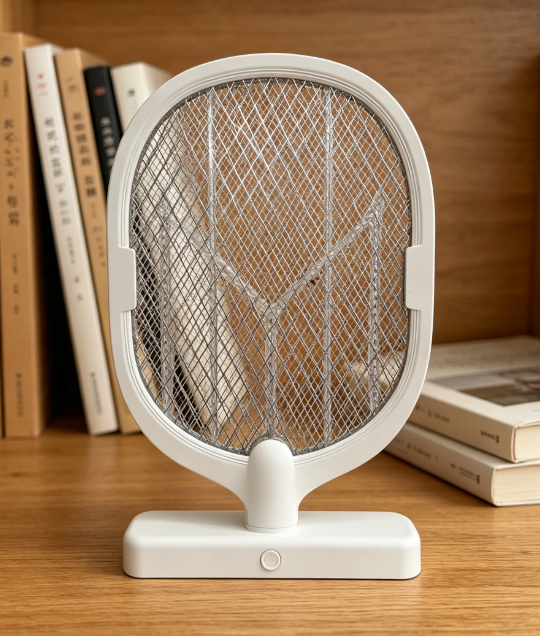
Warranty returns are the silent margin killer in the mosquito control category. A distributor who buys a swatter at $1.80 FOB and retails it at $9.90 can absorb a 1% return rate without noticing — but at 5%, the combined cost of replacement units, reverse logistics, and refund processing erases most of the line's profit.
Common mosquito swatter killer lamp failure modes wholesale spec guide

Digital bathroom scales rank as the second-highest-volume consumer weighing product category, only behind kitchen scales, with distinct market and product characteristics that set them apart from other scale types in importers’ product portfolios.
Digital bathroom body fat-bia-scale wholesale buyers guide