
Are Smarter Electric Mosquito Swatters Really Better
2026-06-29
In the Era of Fully Smart Home Appliances, Are Smarter Electric Mosquito Swatters Really Better?
Intelligence has become an absolute mainstream trend in the home appliance market. Smart air conditioners adjust temperatures automatically, smart washing machines deliver precise cleaning, smart sweepers perform autonomous cleaning, and smart refrigerators manage food inventory. Almost all home appliances are evolving toward AI empowerment, networked interaction, and automatic operation. Industry forecasts indicate that China’s smart home appliance shipments will exceed 300 million units in 2026, with the AI home appliance market continuing to expand rapidly. Undoubtedly, intelligence has become the core development trend and consumer preference of the home appliance industry.
No small household appliance can stay immune to this nationwide intelligent upgrade wave, including electric mosquito swatters. Brands have launched high-end smart mosquito swatters equipped with diverse functions such as APP connectivity, photosensitive automatic mosquito killing, timing start-stop, digital power display, and intelligent mosquito trapping, boasting strong technological aesthetics. However, a striking market phenomenon deserves in-depth consideration: despite the emerging endless smart mosquito swatters, traditional basic models with simple structures and single functions still top sales charts and enjoy the highest household repurchase rate.
This raises a thought-provoking question for consumers: given that intelligentization is an irresistible trend for home appliances, does a smarter electric mosquito swatter always mean a better one? Are additional smart functions practical experience upgrades or just gimmicky redundancies?
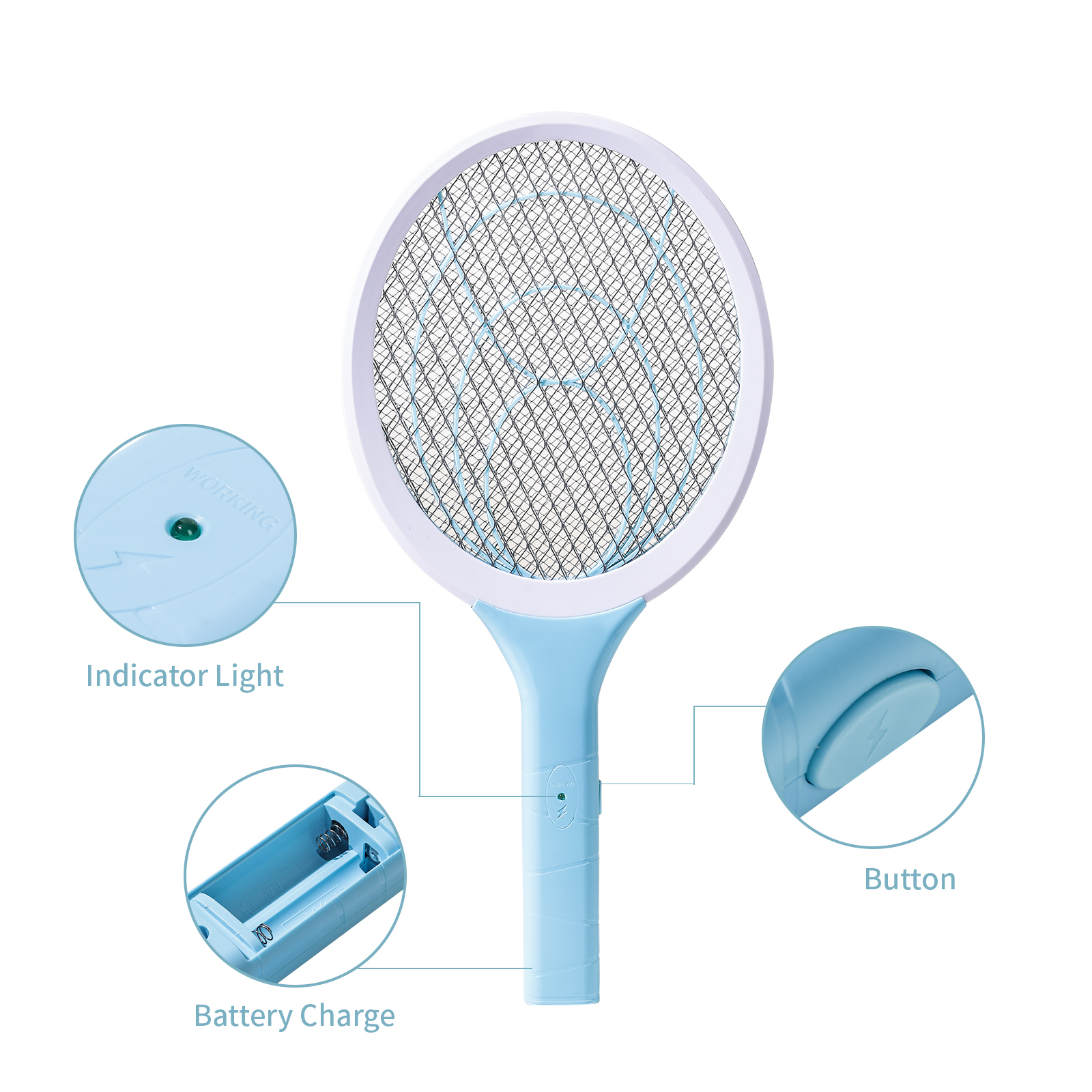
1. Universal Intelligent Upgrade: An Inevitable Trend for Home Appliances
Nowadays, the intelligentization of home appliances is no longer a marginal improvement, but an inevitable result of industrial iteration, evolving consumer demands, and technological progress. From large home appliances to small portable devices, intelligence has reshaped the experience logic of home life and completely transformed the R&D and sales logic of the home appliance industry.
For high-frequency, long-running large home appliances such as TVs, refrigerators, washing machines, and air conditioners, the value of intelligence is tangible. Functions including network interconnection, voice control, scene adaptation, and intelligent memory greatly free users’ hands and save time, fitting the fast-paced, lightweight lifestyle of modern young people. Meanwhile, with the improvement of the whole-house smart home ecosystem, home appliances are no longer independent tools but integral parts of smart living scenarios, making interconnected intelligent capabilities a core competitiveness of high-end home appliances.
The small home appliance industry is also following this trend. Humidifiers, hair dryers, blenders, and mosquito repellents are all equipped with smart chips to realize precise temperature control, timing, digital display, and APP operation. Brands bridge product grade gaps and boost premium pricing through intelligent upgrades, while consumers are willing to pay for more convenient and refined user experiences. Intelligence has become a core way for small home appliances to break free from industry homogenization involution.
The intelligent upgrade of electric mosquito swatters is a product of this industrial backdrop. Breaking the traditional manual mosquito-killing logic, brands aim to reshape mosquito elimination scenarios via intelligent mosquito trapping, automatic mosquito killing, smart battery management, and low-power reminders, upgrading traditional mosquito repellent tools with smart technology.
2. Gimmicks vs. Real Drawbacks of Smart Electric Mosquito Swatters
From the perspective of product iteration, the original intention of smart mosquito swatter innovation is reasonable, and some functions do make up for the shortcomings of traditional models. For example, photosensitive intelligent mosquito trapping adsorbs mosquitoes automatically by utilizing their phototaxis without manual waving; digital power displays eliminate vague indicator lights and show remaining power accurately; automatic standby and anti-misoperation smart protection also improve safety for the elderly and children.
However, beyond technological hype, most smart upgrades fall into the dilemma of redundant functions and mismatched usage scenarios, and even undermine user experience — this is the core reason why smart mosquito swatters fail to gain widespread popularity.
First, smart functions are useless in core usage scenarios. The core value of an electric mosquito swatter lies in handheld manual mosquito killing. In summer, users can pick it up and wave it to kill mosquitoes instantly with zero learning cost. By contrast, functions like APP connectivity, remote control, and timed mosquito killing are completely divorced from real usage needs. No user will open a mobile APP just to kill a single mosquito; cumbersome smart operations are far less efficient than manual use.
Second, intelligent upgrades raise costs and reduce cost performance. A high-quality traditional electric mosquito swatter usually costs 20 to 50 yuan. With a simple structure and universal accessories, it is affordable and easy to replace. In comparison, smart mosquito swatters with various intelligent modules often cost over 100 yuan, with all the premium stemming from impractical smart functions. More importantly, smart models adopt sophisticated circuit boards and dedicated chips, leading to extremely high maintenance costs once faulty. In most cases, users have to replace the entire device, resulting in much higher long-term usage costs than traditional products.
Third, smart modules reduce durability and practicality. Traditional mosquito swatters are mainly mechanical, fall-resistant, crash-proof, and low-maintenance, suitable for casual placement in corners or balconies. Smart mosquito swatters, by contrast, contain sensitive sensors, chips, and complex circuits, which are fragile, moisture-prone, and easy to malfunction when dusty. They require careful maintenance during daily use and storage. For mosquito swatters that are frequently and casually used in summer, sophisticated smart structures greatly reduce practicality.
3. The Persistent Popularity of Traditional Mosquito Swatters: Pragmatism Defeats Blind Intelligentization
Against the nationwide intelligentization boom, the continued dominance of traditional electric mosquito swatters in sales reflects the victory of pragmatic consumerism. Modern consumers no longer blindly pursue smart black technologies; instead, they return to the essence of home appliances: usability, durability, low maintenance, and high cost performance.
First, ultra-simple operation with zero learning cost. Traditional mosquito swatters only have three basic operations: power on, power off, and wave to kill mosquitoes. There are no complex buttons, network pairing, or function switching. People of all ages, including the elderly, children, and temporary users, can operate them instantly without adaptation. For seasonal and intermittently used small home appliances, simplicity is the greatest advantage.
Second, rugged durability and ultra-low maintenance costs. With no redundant smart modules, traditional mosquito swatters feature a minimalist structure and extremely low failure rates. They are fall-resistant, moisture-proof, and easy to clean, requiring only regular charging for daily use. Even after one or two years of use with aging batteries or damaged grids, maintenance costs remain low, and replacement is affordable for every household, perfectly adapting to the high-frequency wear-and-tear usage scenario.
Third, accurate demand matching with no need for excessive upgrades. As a seasonal auxiliary small home appliance, mosquito swatters are only frequently used in summer with fixed and single core functions. Consumers have no demand for refined, intelligent, or scenario-linked advanced features. Unlike whole-house smart home appliances that require linkage and precise control, a qualified mosquito swatter only needs efficient mosquito killing, reliable safety, and sufficient battery life. Extra smart functions are entirely unnecessary upgrades.
4. The Truth of Home Appliance Intelligentization: Proper Upgrades Are the Best Upgrades
The contrasting market performance of mosquito swatters delivers a vital lesson to the home appliance industry: intelligence is not the sole standard for home appliance upgrading, and smarter does not equal better. Upgrades based on actual needs and usage scenarios are the core logic of product iteration.
Many home appliance brands fall into the involution of "intelligence for intelligence’s sake", blindly stacking smart functions and technological configurations regardless of product attributes and user scenarios to raise pricing. However, consumers have become highly rational. They are willing to pay for intelligence that truly improves user experience but refuse to compromise for gimmicky and redundant smart upgrades.
Intelligence is essential for whole-house smart devices and large home appliances that require refined and frequent operation, as it effectively improves living quality. Yet for simple, casually used scenario-specific tools such as mosquito swatters, electric screwdrivers, and night lights, minimalism and practicality are superior to excessive intelligence. Redundant chips, network connectivity, and APP functions only increase costs, reduce durability, and become fancy but useless gimmicks.
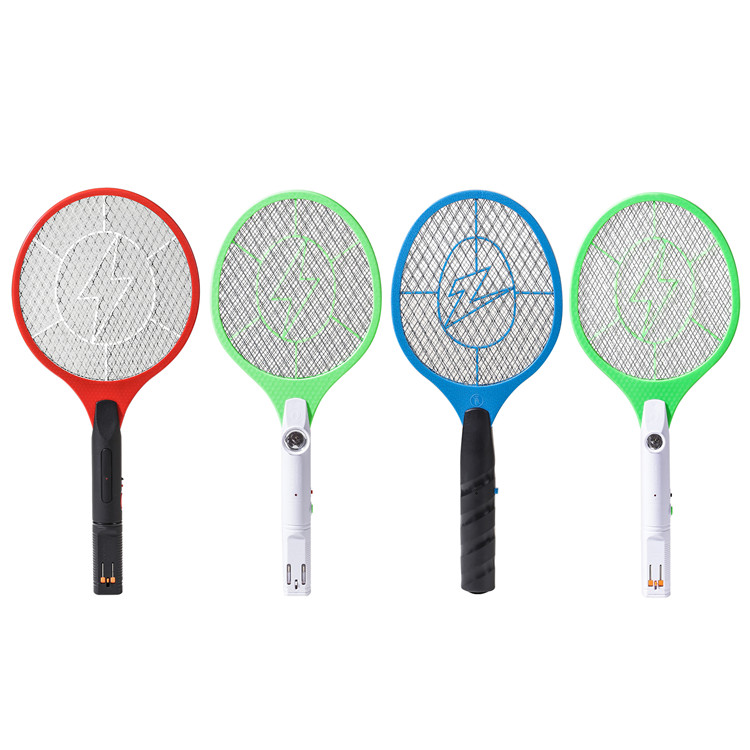
5. Conclusion: Reject Smart Involution and Return to Product Essence
Home appliance intelligentization is an irreversible trend of the times, but it does not mean universal and blind intelligent transformation for all products. The core advantages of a high-quality electric mosquito swatter never lie in APP connectivity, photosensitive induction, or remote control, but in a powerful grid, long battery life, stable safety performance, and reliable durability.
Thus, back to the original question: are smarter mosquito swatters better? The answer is no. Moderate intelligence brings upgrades, while excessive intelligence becomes a burden. Future home appliance upgrades should be based on real user needs and accurate scenario matching rather than blind technological stacking. Removing redundant gimmicks, retaining core practical functions, and balancing cost performance and durability are the most user-oriented upgrade directions for small home appliances.
Resisting the blind trend of smart involution and returning to the essence and practicality of products not only explains the enduring popularity of traditional electric mosquito swatters but also represents the long-term development philosophy of the home appliance industry.
The Difference Between Indoor Mosquito Prevention and Outdoor Mosquito Repellent
Regional Sales Analysis of Electric Mosquito Swatters
Related Article

If you’re struggling with annoying mosquitoes, flies, and other flying pests indoors and outdoors, upgrading from traditional manual tools to anElectric Mosquito Swatter is the most efficient solution. Many homeowners and renters search where to buy fly swatter online to find durable, safe, and high-performance electric models that deliver instant pest control.
Where to Buy Fly Swatter

Most importers of electric mosquito swatters obsess over the first order: samples requested, factories vetted, a pre-shipment inspection booked. Then the reorder arrives eight months later and something is off. The grid feels softer. The charge port is a slightly different shade of black. The carton thickness dropped from 350 gsm to 300 gsm. Nothing is catastrophic — but the product no longer matches what your retail customers approved, and quietly, your return rate starts climbing.
How to Keep Mosquito Swatter Quality Consistent Across Repeat Orders

Warranty returns are the silent margin killer in the mosquito control category. A distributor who buys a swatter at $1.80 FOB and retails it at $9.90 can absorb a 1% return rate without noticing — but at 5%, the combined cost of replacement units, reverse logistics, and refund processing erases most of the line's profit.
Common mosquito swatter killer lamp failure modes wholesale spec guide

Digital bathroom scales rank as the second-highest-volume consumer weighing product category, only behind kitchen scales, with distinct market and product characteristics that set them apart from other scale types in importers’ product portfolios.
Digital bathroom body fat-bia-scale wholesale buyers guide