
Are There More Mosquitoes Now Than in Ancient Times
2026-06-04
Are There More Mosquitoes Now Than in Ancient Times?
Every spring and summer, mosquitoes become the public’s most annoying nuisance. They buzz around us and bite us both indoors and outdoors. Many people can’t help but wonder: are there far more mosquitoes nowadays than in ancient times? Did people in ancient summers suffer far less from mosquito troubles?
Our intuitive feeling is partially correct but not entirely accurate. Based on climate evolution, environmental changes and human activities, the density of mosquitoes in modern residential areas is much higher than in ancient times, while the global total number of mosquitoes has not changed drastically. This article explores the real difference in mosquito populations between ancient and modern times from a scientific perspective.
1. Mosquitoes Were Abundant in Ancient Times — We Just Don’t Sense It
It is a common misconception that ancient times with pristine natural scenery had fewer mosquitoes. On the contrary, the natural environment of ancient times was a perfect breeding paradise for mosquitoes.
Mosquitoes thrive in warm, humid environments with stagnant water. In ancient times, the human population was sparse, and vast forests, swamps, lakes and paddy fields spread across the land, providing countless undisturbed stagnant water areas that fully met the needs of mosquito spawning, hatching and growth. Moreover, there were no pesticides, complete drainage systems, or popularized window screens and mosquito nets in ancient times, offering extremely favorable natural living conditions for mosquitoes.
Ancient poems and classics also record rampant mosquito infestations. Verses such as “Mosquitoes flutter against the window by the lamp” and “Summer nights are tormented by noisy mosquitoes” fully prove the severe mosquito problem in ancient summers. However, ancient human settlements were scattered with low population density, leading to fewer direct encounters between humans and mosquitoes. Without modern mosquito control methods, ancient people were accustomed to coexisting with mosquitoes, which creates our false impression of fewer ancient mosquitoes.
2. Why Do We Feel There Are More Mosquitoes Today?
If the ancient natural environment was more suitable for mosquito survival, why do modern people suffer far more from mosquito bites? The core reason is that human activities have altered the ecosystem, concentrating mosquitoes around human living areas and greatly increasing our perceived mosquito density.
2.1 Urban areas have become exclusive mosquito breeding grounds
While urbanization seems to make the environment cleaner, it has created countless small stagnant water spots. Flower pot trays, accumulated water in corridors, air conditioner drips, community landscape pools, roadside sewers and waste tires have all become ideal spawning sites for mosquitoes. Compared with large ancient swamps, these artificial small water bodies are more stable and less likely to dry out after heavy rains, enabling continuous mosquito hatching throughout the season.
In addition, densely populated urban areas produce concentrated body heat and carbon dioxide. For mosquitoes that locate hosts by smell, human settlements are equivalent to abundant food sources. Large numbers of mosquitoes abandon remote wild areas and gather in cities and towns, directly increasing the mosquito population around us.
2.2 Climate warming extends the mosquito breeding cycle
Global warming and successive warm winters are key meteorological factors behind the modern mosquito surge. According to climate and entomological research, warm winters greatly improve the survival rate of overwintering mosquitoes, allowing mosquito eggs and adult mosquitoes that should have dormant in low temperatures to survive the winter smoothly.
Compared with the stable four-season climate in ancient times, modern spring temperatures rise earlier and summer high-temperature periods last longer, extending mosquito active periods by 15 to 30 days. The prolonged duration of the optimal survival temperature (20℃-30℃) shortens the mosquito development cycle from 10-14 days to 7-10 days. This allows mosquitoes to reproduce more generations each year, leading to an exponential growth in their population.
2.3 Mosquitoes have evolved strong adaptability and drug resistance
Decades of mosquito control interventions have driven rapid evolution in modern mosquitoes. Long-term exposure to repellents and pesticides has made most mosquitoes drug-resistant, greatly reducing the effectiveness of traditional mosquito control methods.
Furthermore, dominant modern mosquito species such as Aedes albopictus have stronger aggression, reproductive capacity and environmental adaptability than common ancient house mosquitoes. These mosquitoes bite even in dim light and daytime, with stronger blood-sucking desires and wider activity ranges. They bother people almost all the time, making us feel that mosquitoes are becoming increasingly rampant.
3. Core Difference: Similar Total Number, Huge Density Gap
To sum up, the difference in mosquito numbers between ancient and modern times is clear:
In terms of global total population, ancient times had vast wetlands and balanced natural predators, so the total number of mosquitoes was no less than today. Although urban mosquito numbers have skyrocketed in modern times, a large number of wild wetlands have been developed and transformed, shrinking wild mosquito habitats. Thus, the overall global mosquito population is roughly the same as in ancient times.
In terms of mosquito density in residential areas, modern times far surpass ancient times. Ancient mosquitoes were scattered across the vast wilderness, while modern human activities have gathered mosquitoes around living spaces. The ubiquitous mosquitoes in neighborhoods and streets are the fundamental reason why we feel there are more mosquitoes today.

4. How to Cope With Modern Mosquito Infestations
Understanding the causes of modern mosquito proliferation helps us take targeted precautions. Unlike ancient people who could only endure mosquito bites passively, we have efficient prevention and control methods. We can eliminate mosquito breeding sources by regularly cleaning up stagnant water at home and blocking sewer gaps. Installing window screens and mosquito nets provides indoor protection, while using mosquito repellents when going out avoids bites.
In fact, the rampant spread of mosquitoes is a microcosm of ecological changes. While urbanization and climate warming benefit human life, they have also reshaped the survival rules of small creatures, making tiny mosquitoes the most intuitive indicator of environmental changes.
Conclusion
It is not that there were no mosquitoes in ancient times, but that modern mosquitoes have precisely targeted human living areas. The increasing mosquito troubles we experience do not stem from a surge in the global mosquito total, but from human activities and climate change that have created high-density mosquito environments around humans. The tiny annoyance of mosquito bites hides profound ecological logic, serving as a subtle reminder from nature.
Baby-Friendly Indoor Mosquito Killer Lamp Selection Guide
Core Factors Affecting Electronic Scale Accuracy
Related Article

If you’re struggling with annoying mosquitoes, flies, and other flying pests indoors and outdoors, upgrading from traditional manual tools to anElectric Mosquito Swatter is the most efficient solution. Many homeowners and renters search where to buy fly swatter online to find durable, safe, and high-performance electric models that deliver instant pest control.
Where to Buy Fly Swatter
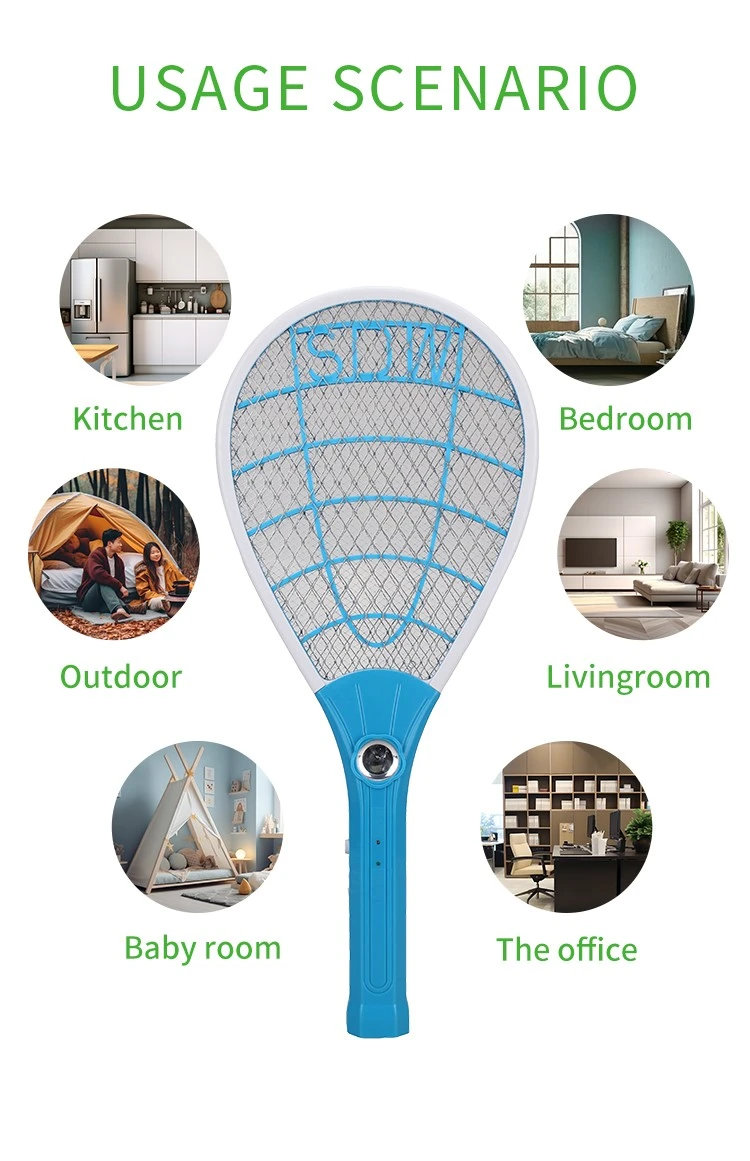
Most importers of electric mosquito swatters obsess over the first order: samples requested, factories vetted, a pre-shipment inspection booked. Then the reorder arrives eight months later and something is off. The grid feels softer. The charge port is a slightly different shade of black. The carton thickness dropped from 350 gsm to 300 gsm. Nothing is catastrophic — but the product no longer matches what your retail customers approved, and quietly, your return rate starts climbing.
How to Keep Mosquito Swatter Quality Consistent Across Repeat Orders
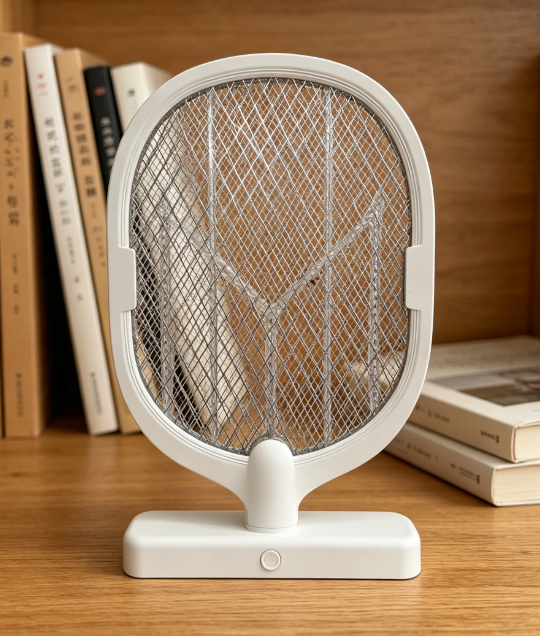
Warranty returns are the silent margin killer in the mosquito control category. A distributor who buys a swatter at $1.80 FOB and retails it at $9.90 can absorb a 1% return rate without noticing — but at 5%, the combined cost of replacement units, reverse logistics, and refund processing erases most of the line's profit.
Common mosquito swatter killer lamp failure modes wholesale spec guide

Digital bathroom scales rank as the second-highest-volume consumer weighing product category, only behind kitchen scales, with distinct market and product characteristics that set them apart from other scale types in importers’ product portfolios.
Digital bathroom body fat-bia-scale wholesale buyers guide