
Are There Really No Mosquitoes in Winter
2025-12-10
I. Don’t Be Fooled by the “Cold Winter”! Are There Really No Mosquitoes in Winter?
Many people think "mosquitoes can’t stand low temperatures," but this is a typical misunderstanding. Mosquitoes don’t disappear completely in winter—instead, they hide in a "dormant mode": Adult mosquitoes hibernate in warm, secluded corners (such as corridor cracks, basements, behind wardrobes, and near heating pipes), lowering their body temperature and slowing down metabolism. They will "wake up" when the indoor temperature reaches a certain level (usually above 15℃); while mosquito eggs and larvae can tolerate low temperatures in stagnant water and soil, and will reproduce rapidly when spring warms up.
Especially in northern regions with heating and southern "warm winter" areas, indoor temperatures often reach around 20℃ in winter. This "constant temperature environment" is simply a "winter paradise" for mosquitoes. Many people get bitten at home in winter and think it’s a "stray mosquito," but it’s likely that hibernating mosquitoes are woken up by the heating.
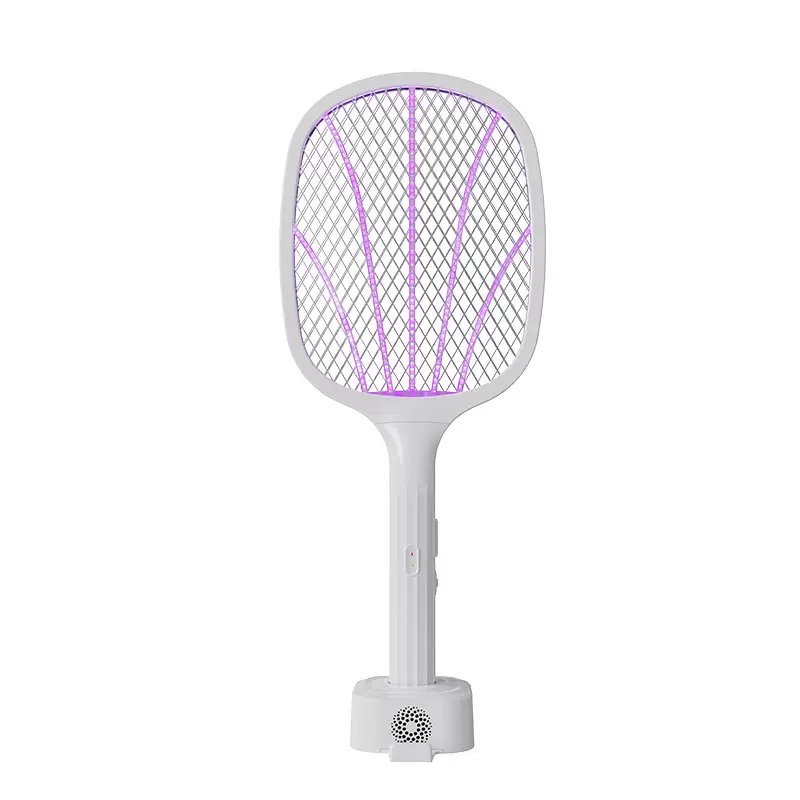
II. Fewer Mosquitoes in Winter, but the Biting Risk Is Not Low
Although there are far fewer mosquitoes in winter, their "aggressiveness" is actually stronger—to replenish energy for successful overwintering (female mosquitoes need to suck blood to lay eggs), awakened mosquitoes will actively seek hosts. Moreover, people wear thick clothes in winter, and the exposed skin is mainly the face, neck, and hands. Mosquitoes will accurately target these areas, and the itching after being bitten is more obvious, which may even trigger allergic reactions.
What’s more alarming is the health risks of "overwintering mosquitoes": Mosquitoes may carry pathogens such as dengue virus and Japanese encephalitis virus after biting different hosts in summer. These pathogens can still survive in their bodies after overwintering, and may be transmitted when they bite people in winter. Although the risk of infectious disease transmission is lower in winter than in summer, we still can’t take it lightly in warm and humid southern regions.
III. Mosquito Prevention in Winter: 3 Key Points Are Enough
- Block Hiding Places of "Overwintering Mosquitoes": Regularly inspect corners of the home, such as balcony storage cabinets, bathroom ceilings, and corridor door gaps. Spray insecticide or seal the gaps; clean up stagnant water indoors and outdoors (flower pot trays, air conditioning drip pans, balcony floor drains) to prevent mosquito eggs from overwintering; close screen windows before going to bed and check if doors and windows are sealed to prevent outdoor hibernating mosquitoes from entering the room.
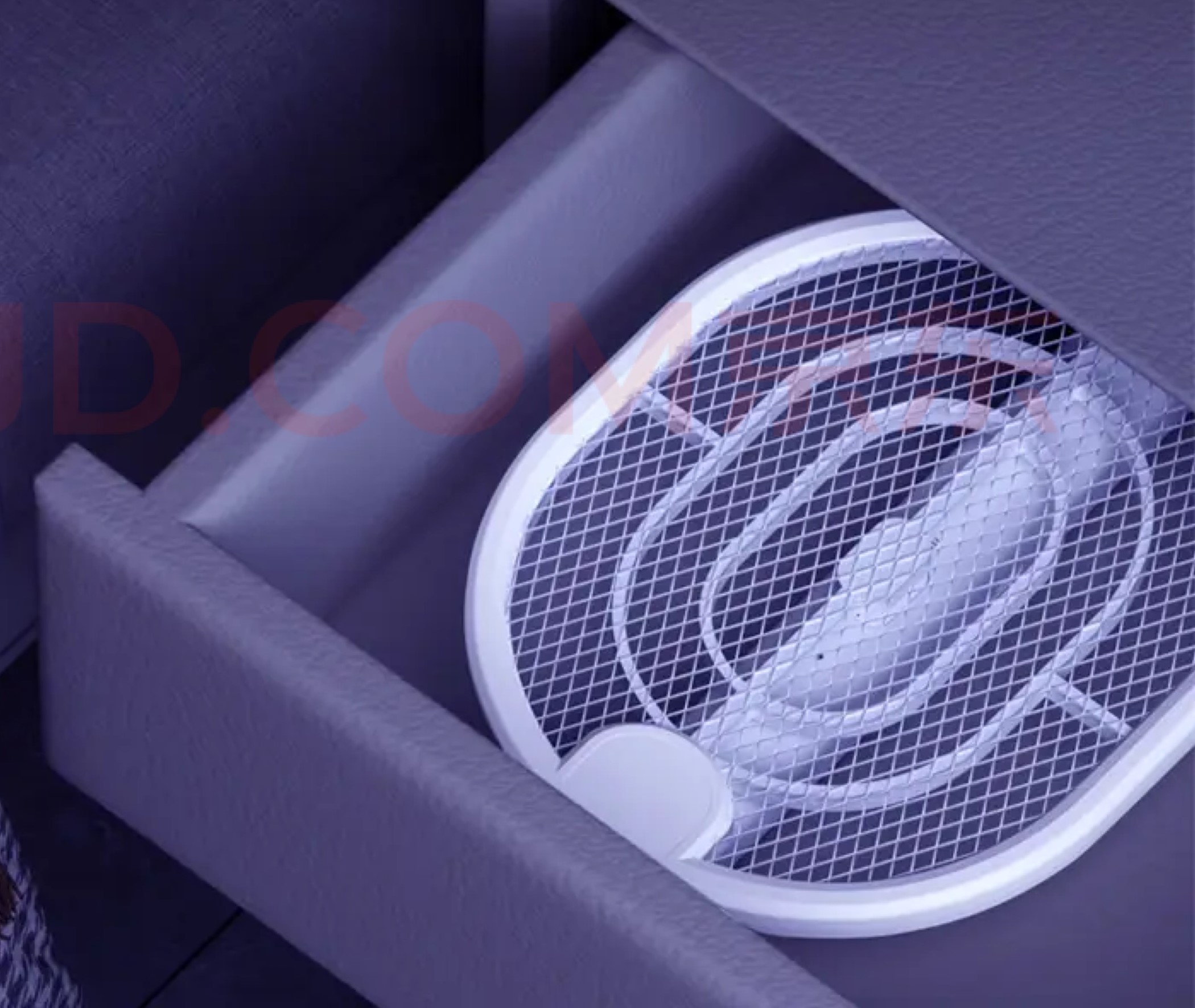
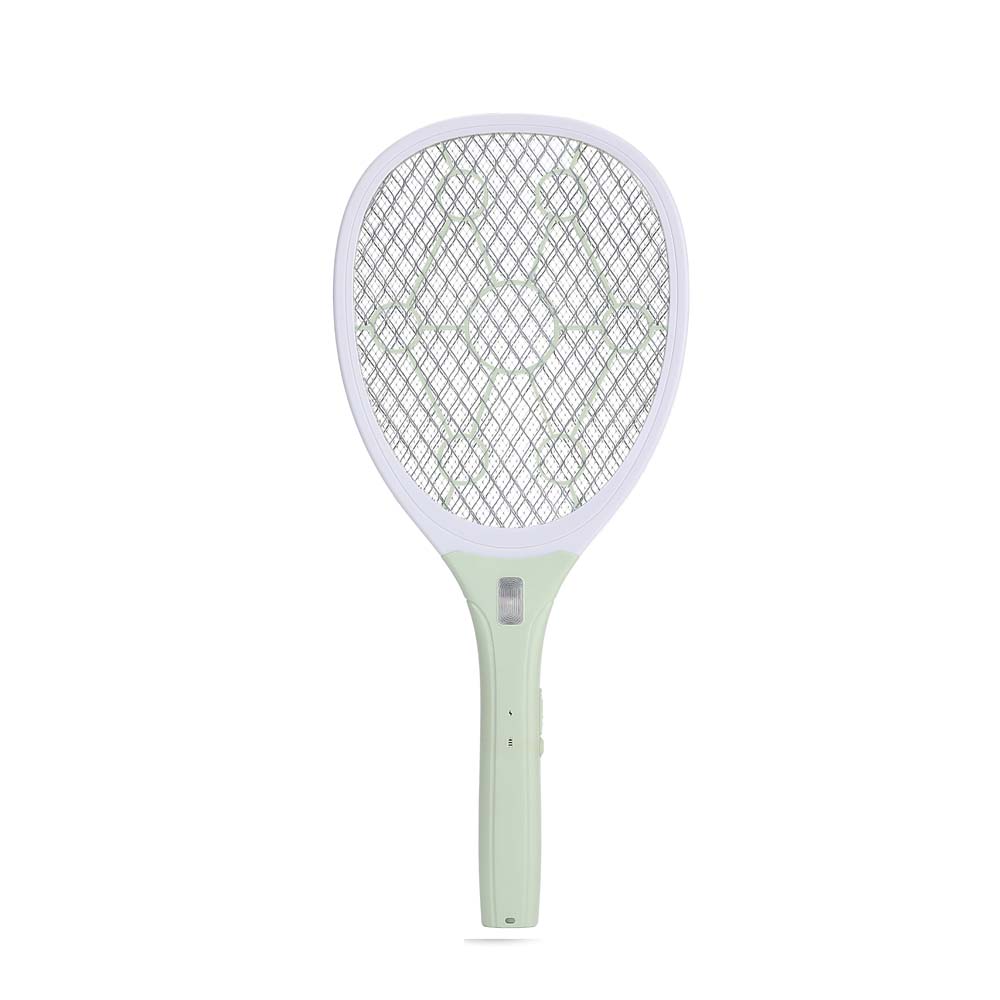
- Control Indoor Temperature and Environment: In northern heating rooms, open windows for ventilation appropriately to reduce indoor humidity (mosquitoes like humid environments) and keep the room dry; use mosquito nets when sleeping at night to avoid respiratory irritation from mosquito coil smoke; if there are mosquitoes at home, use electric mosquito swatters for physical mosquito control, which is safer and more environmentally friendly.
- Focus on Protection in Special Scenarios: In southern "warm winter" areas, when the outdoor temperature is relatively high (around noon), wear long-sleeved clothes when going out for walks or exercising, and apply mild mosquito repellent on exposed parts; for families with infants, the elderly, or people with allergies, prioritize physical mosquito prevention to avoid irritation from chemical mosquito repellent products.
IV. Finally: Mosquito Prevention Has No "Seasonal Restrictions"
Mosquitoes are far more resilient than we think. Mosquito prevention in winter is not an "overreaction," but a key step to block the reproduction of mosquitoes in the coming year. Instead of rushing to deal with the large-scale emergence of mosquitoes in spring, it’s better to do a good job of protection in winter—both to avoid the trouble of being bitten now and to lay the foundation for a comfortable environment in the coming year.
After all, a comfortable life always requires "preparing for a rainy day," and mosquito prevention is no exception~
Is it better for the grid of an electric mosquito swatter to be smaller
The Hidden Health Risks of Mosquito Are Scarier Than You Think
Related Article

If you’re struggling with annoying mosquitoes, flies, and other flying pests indoors and outdoors, upgrading from traditional manual tools to anElectric Mosquito Swatter is the most efficient solution. Many homeowners and renters search where to buy fly swatter online to find durable, safe, and high-performance electric models that deliver instant pest control.
Where to Buy Fly Swatter

Most importers of electric mosquito swatters obsess over the first order: samples requested, factories vetted, a pre-shipment inspection booked. Then the reorder arrives eight months later and something is off. The grid feels softer. The charge port is a slightly different shade of black. The carton thickness dropped from 350 gsm to 300 gsm. Nothing is catastrophic — but the product no longer matches what your retail customers approved, and quietly, your return rate starts climbing.
How to Keep Mosquito Swatter Quality Consistent Across Repeat Orders

Warranty returns are the silent margin killer in the mosquito control category. A distributor who buys a swatter at $1.80 FOB and retails it at $9.90 can absorb a 1% return rate without noticing — but at 5%, the combined cost of replacement units, reverse logistics, and refund processing erases most of the line's profit.
Common mosquito swatter killer lamp failure modes wholesale spec guide

Digital bathroom scales rank as the second-highest-volume consumer weighing product category, only behind kitchen scales, with distinct market and product characteristics that set them apart from other scale types in importers’ product portfolios.
Digital bathroom body fat-bia-scale wholesale buyers guide