
Are UV Mosquito Killers Safe for Families with Kids
2026-04-06
Are UV Mosquito Killers Safe for Families with Kids?
As summer approaches, mosquitoes become an unwelcome guest in many households, especially those with young children. To keep these pests at bay, UV mosquito killers have grown increasingly popular for their chemical-free, low-maintenance design. But parents often wonder: Are these devices truly safe for kids? Let’s break down the facts, potential risks, and safe usage tips to help you make an informed decision for your family.
How Do UV Mosquito Killers Work?
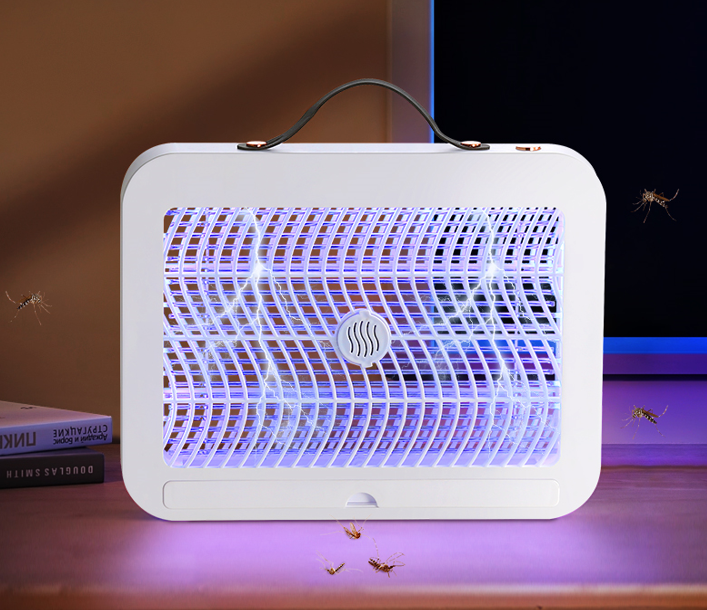
Before diving into safety, it’s important to understand how UV mosquito killers operate. These devices rely on a simple principle: mosquitoes and other insects are naturally attracted to ultraviolet (UV) light, particularly wavelengths between 365-400 nanometers (nm)—a range that is invisible to humans but highly appealing to pests.
Most UV mosquito killers fall into two main types: electric shock models and fan suction models. Electric shock variants use a high-voltage grid around the UV light; when mosquitoes fly close, they are zapped and killed instantly. Fan suction models, on the other hand, draw mosquitoes into a enclosed container using a fan after luring them with UV light, where the pests dehydrate and die without any electric shock. Some advanced models also use photocatalytic technology, which mimics human breath by releasing carbon dioxide and moisture to attract mosquitoes more effectively, without producing harmful chemicals.
Potential Risks for Kids
While UV mosquito killers are generally safer than chemical repellents, they still pose some risks to children—especially toddlers and infants—who are more curious and vulnerable to accidents. Here are the key concerns:
1. UV Light Exposure
The UV light used in these devices is typically UVA, a long-wave ultraviolet radiation that is less intense than the UV rays in sunlight. According to safety standards, the UV radiation level of qualified products at 1 meter is less than 1 milliwatt per square meter, which is far lower than the UV intensity in daily sunlight. However, children’s eyes and skin are more sensitive: their corneas and lenses are more transparent, and their skin’s ability to filter UV rays is only 10% that of adults, making them more prone to light-induced damage with prolonged direct exposure. Staring directly at the UV light for extended periods may cause eye irritation or temporary discomfort, though serious damage is rare with proper use.
2. Electric Shock and Physical Injury
Electric shock models are the biggest concern for curious kids. The high-voltage grid (usually 2000-2500V) can deliver a painful shock if a child touches it—while the current is low (around 6mA) and not life-threatening, it can cause fear, burns, or tears. Additionally, some devices get hot after long hours of use, posing a minor burn risk if touched. Fan suction models are safer in this regard but may still have small parts that could be a choking hazard if disassembled by children.
3. Ozone and Air Pollution
Some electric shock UV mosquito killers produce tiny amounts of ozone when zapping mosquitoes. While the concentration is usually low, infants and young children have delicate respiratory systems, and prolonged exposure to ozone may cause coughing, irritation, or breathing discomfort. Additionally, when mosquitoes are zapped, their bodies can break into small fragments, releasing bacteria or viruses that may contaminate the air, especially problematic for kids with allergies or asthma.
How to Use UV Mosquito Killers Safely with Kids
The good news is that most risks can be avoided with proper placement and usage. Follow these tips to keep your kids safe while enjoying a mosquito-free home:
1. Choose the Right Model
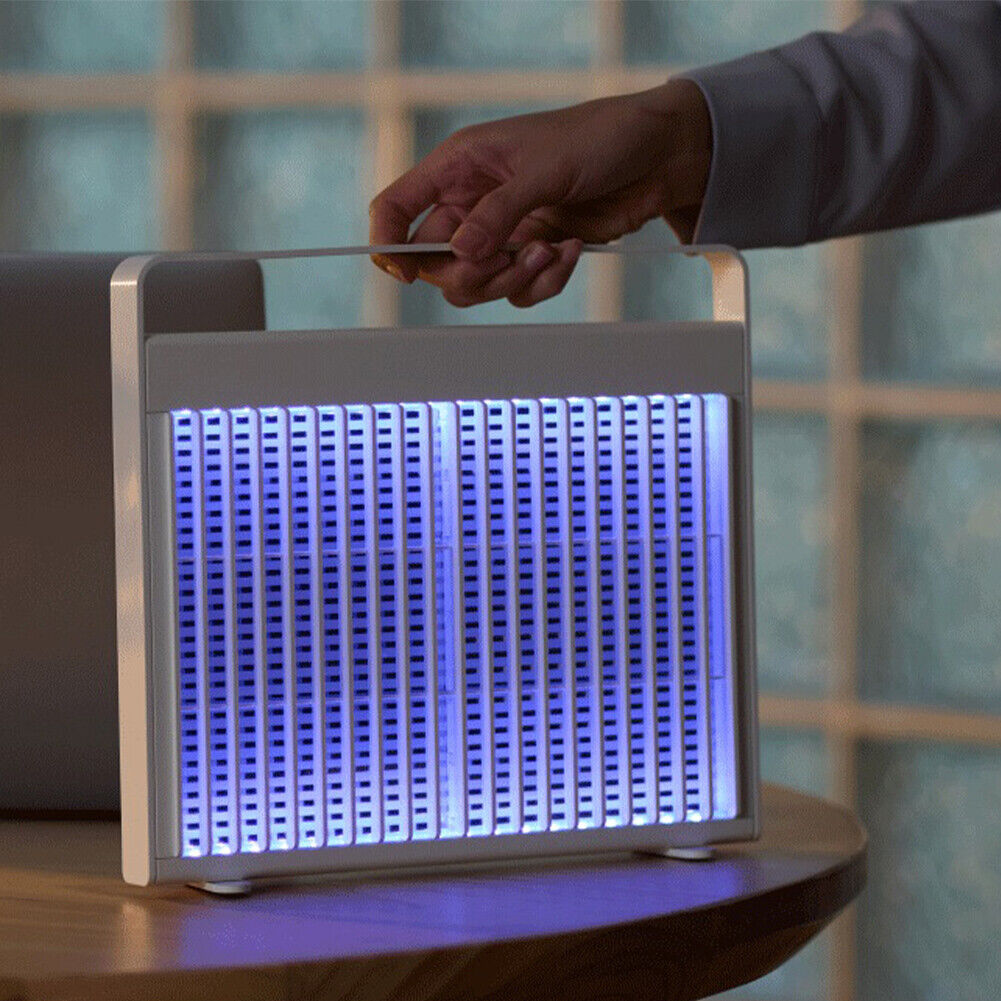
Opt for fan suction or photocatalytic UV mosquito killers instead of electric shock models—they eliminate the risk of electric shock and produce less ozone. Look for products with safety certifications and a protective grille (IP44 rating or higher) to prevent kids from touching internal components. For families with infants, select models with UV wavelengths above 360nm, which are gentler on sensitive eyes.
2. Install in a Safe Location
Place the device at least 1.5-2 meters above the ground—out of reach of toddlers and infants—and away from children’s beds, play areas, and direct eye level. Avoid placing it near windows or bright lights, as this can reduce its effectiveness and increase the chance of kids staring at the UV light. For best results, use it in empty rooms (like hallways or balconies) 2-3 hours before the family enters, as mosquitoes are more attracted to the light when no humans are present.
3. Control Usage Time
Use the device primarily at night when kids are asleep, and turn it off during the day when children are active. Continuous 8-hour exposure to a UV mosquito killer is equivalent to only 1-2 minutes of midday summer sun exposure, but limiting usage still minimizes any potential risk. For infants under 6 months, avoid using UV mosquito killers in their bedrooms altogether.
4. Regular Maintenance
Clean the device regularly to remove mosquito corpses, which can breed mold or bacteria. Unplug the device before cleaning to avoid electric shock, and keep kids away during this process. Replace UV bulbs every 6-12 months, as their intensity fades over time, reducing effectiveness and potentially increasing UV leakage risk.
Safer Alternatives for Families with Young Kids
If you’re still concerned about UV mosquito killers, consider these child-friendly alternatives that are equally effective:
- Physical Barriers: Install window screens, door sweeps, and mosquito nets over cribs or beds—these are the safest way to keep mosquitoes out without any risks.
- Gentle Repellents: For outdoor use, choose child-safe repellents with 10% or less DEET, or natural ingredients like picaridin (hydroxyethyl isobutyl piperidine carboxylate) or IR3535. Avoid applying repellents directly to infants’ skin; instead, spray it on their clothing.
- Indoor Traps: Sticky traps or glue boards use non-toxic bait to catch mosquitoes, with no UV light or electric shock—ideal for nurseries or playrooms.
In conclusion, UV mosquito killers can be safe for families with kids when used correctly. By choosing the right model, placing it out of reach, and following safety guidelines, you can enjoy a mosquito-free home without putting your children at risk. For families with very young infants or kids with sensitive skin/eyes, prioritizing physical barriers or gentle repellents may be the most peace-of-mind choice.
Are Electric Mosquito Swatters Safe for Humans
Why Electric Mosquito Swatters Are Healthier
Related Article

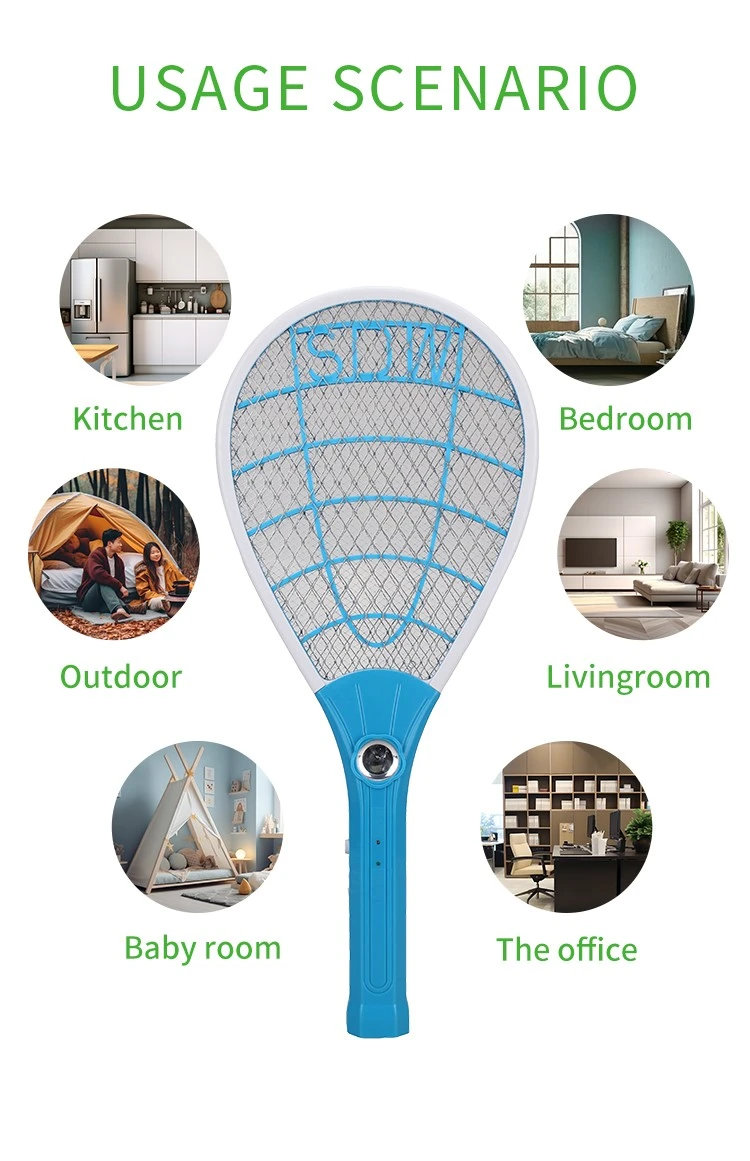
If you’re struggling with annoying mosquitoes, flies, and other flying pests indoors and outdoors, upgrading from traditional manual tools to anElectric Mosquito Swatter is the most efficient solution. Many homeowners and renters search where to buy fly swatter online to find durable, safe, and high-performance electric models that deliver instant pest control.
Where to Buy Fly Swatter
Most importers of electric mosquito swatters obsess over the first order: samples requested, factories vetted, a pre-shipment inspection booked. Then the reorder arrives eight months later and something is off. The grid feels softer. The charge port is a slightly different shade of black. The carton thickness dropped from 350 gsm to 300 gsm. Nothing is catastrophic — but the product no longer matches what your retail customers approved, and quietly, your return rate starts climbing.
How to Keep Mosquito Swatter Quality Consistent Across Repeat Orders
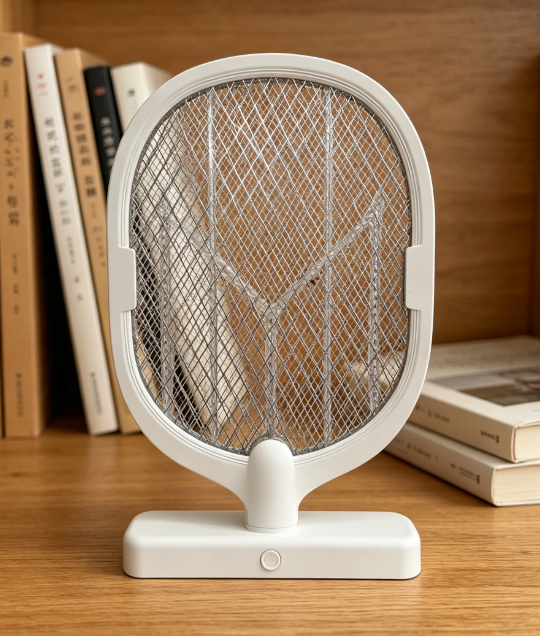
Warranty returns are the silent margin killer in the mosquito control category. A distributor who buys a swatter at $1.80 FOB and retails it at $9.90 can absorb a 1% return rate without noticing — but at 5%, the combined cost of replacement units, reverse logistics, and refund processing erases most of the line's profit.
Common mosquito swatter killer lamp failure modes wholesale spec guide

Digital bathroom scales rank as the second-highest-volume consumer weighing product category, only behind kitchen scales, with distinct market and product characteristics that set them apart from other scale types in importers’ product portfolios.
Digital bathroom body fat-bia-scale wholesale buyers guide