
Autumn Mosquitoes Are Ferocious
2025-10-09
Autumn Mosquitoes Are Ferocious! This Autumn Mosquito Prevention Guide Helps You Enjoy the Cool Season Peacefully
When it comes to mosquitoes, many people always think they are a "summer-only annoyance". But once autumn arrives, they find that: when opening windows for ventilation at night, there is always a "buzzing" sound around their ears; when going out for a walk in the morning, several red and swollen bumps appear on their legs for no reason — it turns out that autumn mosquitoes not only don't disappear, but are even more "troublesome". Today, let's talk about the "temperament" of autumn mosquitoes and provide you with a super practical mosquito prevention strategy, so that you can not only enjoy the freshness of autumn, but also avoid the "attack" of mosquitoes.
Why Are Autumn Mosquitoes More "Ferocious"?
Many people wonder: as the weather turns cooler, shouldn't there be fewer mosquitoes? In fact, the opposite is true. Autumn is the "reproduction rush period" and "foraging peak period" for mosquitoes. On one hand, the life cycle of mosquitoes is greatly affected by temperature. The autumn temperature (20-28℃) is just the most active range for them. In addition, after the reduction of rainfall, the stagnant water in small spaces such as balcony flower pots, water trays, and sewers becomes more "stable", which becomes an excellent place for mosquitoes to lay eggs. On the other hand, in order to cope with the upcoming cold winter, mosquitoes will crazily suck blood to store energy. Especially female mosquitoes, their frequency and intensity of biting humans are stronger than in summer, and it is easier to have redness, swelling and itching after being bitten.
What's more, the "active time" of autumn mosquitoes has also changed — in summer, they are mostly active in the evening and early morning, but in autumn, the sun is not so scorching during the day, so they will also come out to "forage" from 9 to 11 a.m. and 3 to 5 p.m. It is easy to be bitten if you don't pay attention when going out for a walk or picking up/dropping off children.
This Mosquito Prevention Strategy Covers Everything from "Prevention" to "Protection"
Step 1: Clean the Environment to Cut Off Mosquitoes' "Food Source"
Mosquitoes cannot survive without water. To reduce mosquitoes from the root, the key is to remove stagnant water at home and around it. The water trays of flower pots on the balcony should be emptied once a day, and idle buckets and basins should be stored upside down. The bathroom sewer can be flushed with hot water once a week, and then a small amount of baking soda and white vinegar can be poured in, which can not only unclog the sewer but also reduce the breeding of mosquitoes and insects. If there are fish tanks or aquatic plants at home, change the water regularly, and you can also put a few mosquito fish in the water, which is natural and environmentally friendly.
Step 2: Physical Protection to "Block Mosquitoes Outside the Door"
Ventilating by opening windows is very important in autumn, but don't let mosquitoes slip in. It is recommended to install fine-mesh screens on windows and balcony doors, check for damages and repair them in time. When sleeping at night, even if the air conditioner is turned on, you can hang a mosquito net, especially for families with the elderly and children, physical mosquito prevention is safer. When going out, try to wear long-sleeved clothes and long pants, and choose light-colored clothing (mosquitoes are more sensitive to dark colors). Avoid going to places with dense mosquitoes such as grasslands, ponds, and tree shades. When going out in the evening or early morning, you can wear a hat to reduce the chance of being bitten on the head.
Step 3: Chemical Mosquito Repellent, Choose the Right Product for More Peace of Mind
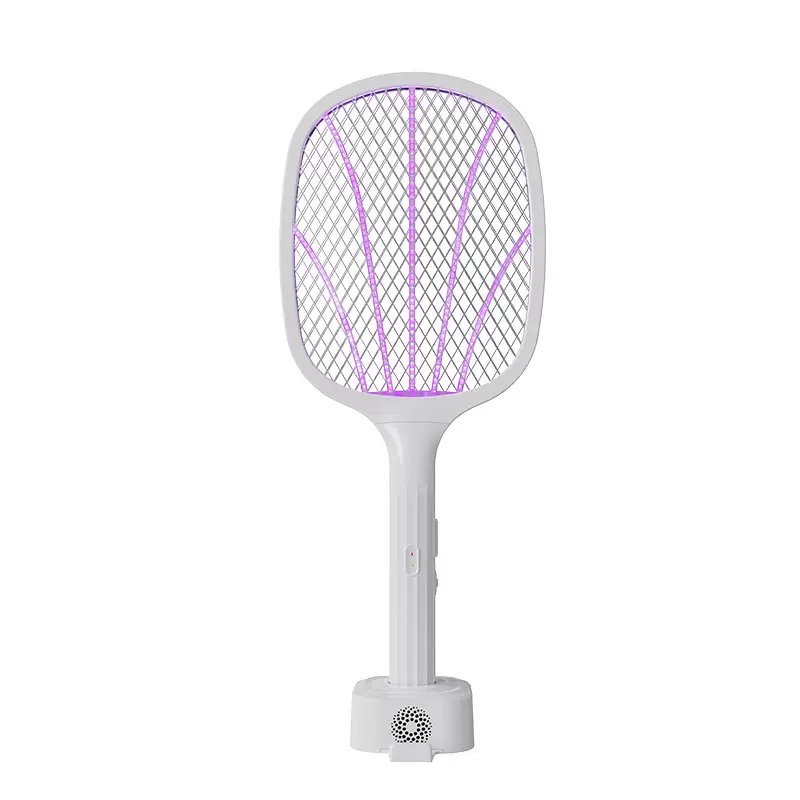
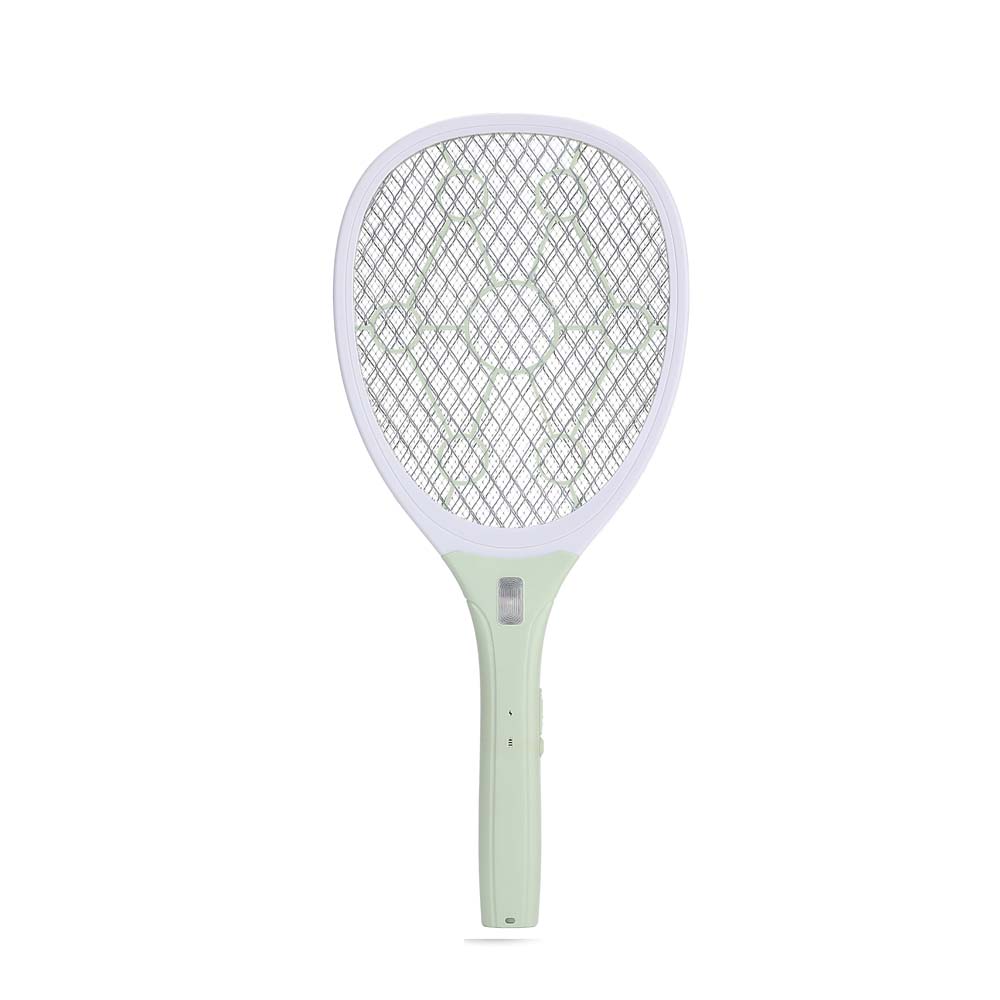
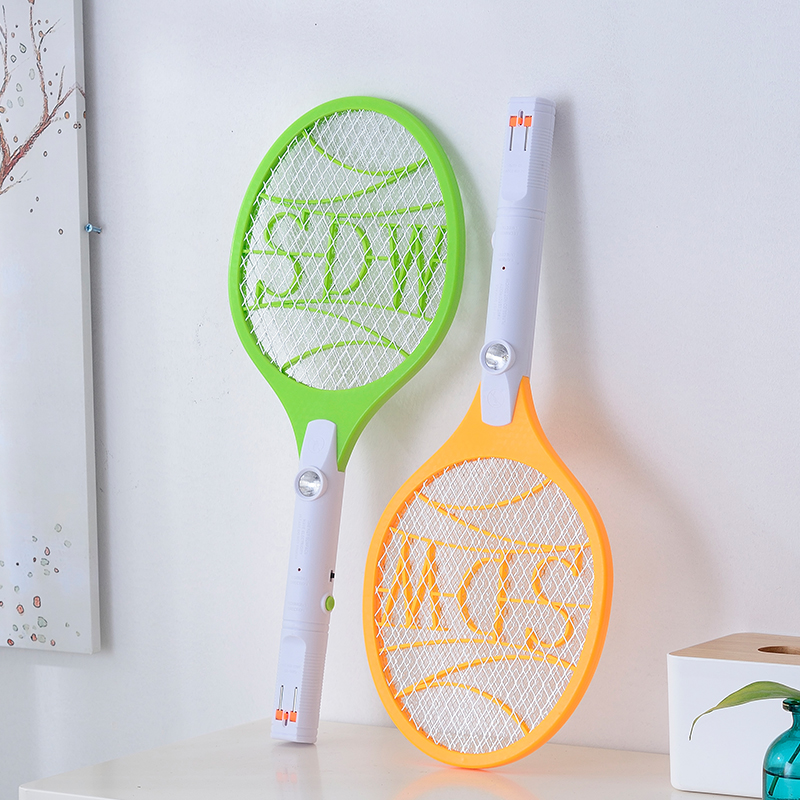
If you need to use mosquito repellent products, pay attention to "choosing according to needs". For daily use at home, you can use electric mosquito repellent liquid. Choose products containing DEET (concentration not exceeding 30%), picaridin (concentration not exceeding 20%) or lemon eucalyptus oil (suitable for people over 3 years old). Plug it in 1 hour before going to bed and turn it off when sleeping to avoid long-term use in a closed environment. When going out, you can spray mosquito repellent spray on clothes, which is safer than spraying on the skin. Be careful to avoid the eyes, mouth, nose and wounds. If mosquitoes are found at home, you can use an electric mosquito swatter to kill them, and try to use less insecticide aerosol, especially for families with pets and pregnant women. After use, ventilate for more than 30 minutes before entering.
Step 4: Treatment After Being Bitten, Don't Let Small Bumps Become "Big Troubles"
If you are accidentally bitten by a mosquito, don't scratch it with your hands, otherwise it is easy to scratch the skin and cause infection. You can rinse with soapy water or clean water to neutralize the acidic substances in the mosquito's saliva and relieve itching. You can also apply calamine lotion or mint ointment, or apply an ice pack for cold compress (10-15 minutes each time) to reduce redness and swelling. If the bitten area has obvious redness, swelling and pain, or even fever and dizziness, it may be an allergy or infection. You should seek medical attention in time and not use drugs without permission.
Final Reminder: Avoid These "Mosquito Prevention Misunderstandings"
Many people think that "soaking vitamin B1 in water and spraying can repel mosquitoes" or "eating garlic can repel mosquitoes". In fact, these methods have no scientific basis, and may even irritate the skin due to their smell. Some people also think that "mosquitoes only bite people with type O blood". In fact, mosquitoes prefer people with high body temperature, heavy sweating and fast breathing rate (such as those after exercise, pregnant women and children), which has little to do with blood type. In addition, autumn mosquitoes may carry viruses such as Japanese encephalitis and dengue fever. Don't think that "being bitten once is nothing". Doing a good job in mosquito prevention is not only to avoid itching, but also for health.
Autumn is the most comfortable season of the year, don't let mosquitoes ruin your good mood. Follow this guide to prevent mosquitoes well, and you can enjoy the autumn breeze, fallen leaves and warm sun peacefully!
How Long Does It Take to Charge an Electric Mosquito Swatter
How LED Insect Light Traps Boost Environmental Sustainability
Related Article

If you’re struggling with annoying mosquitoes, flies, and other flying pests indoors and outdoors, upgrading from traditional manual tools to anElectric Mosquito Swatter is the most efficient solution. Many homeowners and renters search where to buy fly swatter online to find durable, safe, and high-performance electric models that deliver instant pest control.
Where to Buy Fly Swatter

Most importers of electric mosquito swatters obsess over the first order: samples requested, factories vetted, a pre-shipment inspection booked. Then the reorder arrives eight months later and something is off. The grid feels softer. The charge port is a slightly different shade of black. The carton thickness dropped from 350 gsm to 300 gsm. Nothing is catastrophic — but the product no longer matches what your retail customers approved, and quietly, your return rate starts climbing.
How to Keep Mosquito Swatter Quality Consistent Across Repeat Orders

Warranty returns are the silent margin killer in the mosquito control category. A distributor who buys a swatter at $1.80 FOB and retails it at $9.90 can absorb a 1% return rate without noticing — but at 5%, the combined cost of replacement units, reverse logistics, and refund processing erases most of the line's profit.
Common mosquito swatter killer lamp failure modes wholesale spec guide

Digital bathroom scales rank as the second-highest-volume consumer weighing product category, only behind kitchen scales, with distinct market and product characteristics that set them apart from other scale types in importers’ product portfolios.
Digital bathroom body fat-bia-scale wholesale buyers guide