
Baby-Friendly Indoor Mosquito Killer Lamp Selection Guide
2026-06-09
Baby-Friendly Indoor Mosquito Killer Lamp Selection Guide: Safety First to Protect Your Little Ones All Summer
Summer brings rampant mosquitoes. For infants and young children with delicate skin and immature immune systems, mosquito bites not only cause redness, swelling and itching but also may transmit germs and trigger allergic reactions. Many parents opt for mosquito killer lamps as a household mosquito repellent solution. However, the market is flooded with products of uneven quality. Ordinary mosquito killer lamps pose multiple hidden risks including electric shock hazards, ultraviolet radiation, noise and peculiar smells, making them unsuitable for families with babies.
Unlike regular household mosquito killer lamps, the selection priority for infant-specific models is Safety > Quietness > Mosquito-killing Efficiency. This comprehensive guide sorts out professional selection criteria for baby-safe mosquito killer lamps, helping you avoid potential hazards and pick the ideal device for nurseries, living rooms and bedrooms.
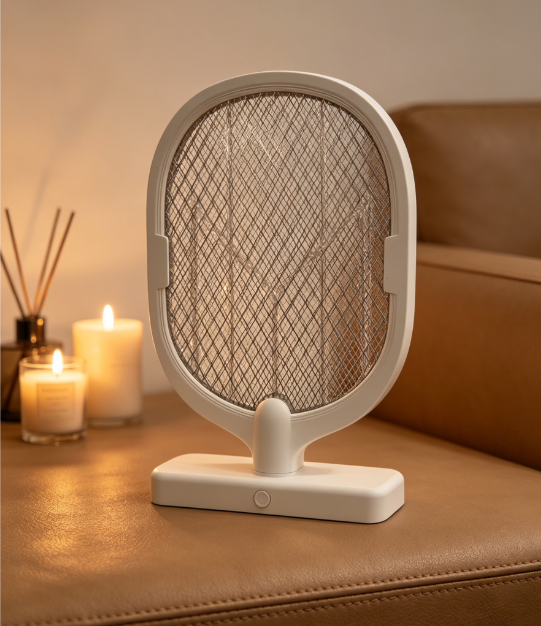
1. Avoid Hazardous Working Modes: Eliminate High-Risk Types Completely
The first step of selection is not focusing on appearance or performance, but ruling out unsafe working mechanisms to eliminate contact risks for babies from the source, which is the top priority for families with infants.
Stay away from high-voltage electric shock mosquito killers entirely. These models kill mosquitoes through high-voltage power grids, producing electric sparks, crackling noises and trace ozone during operation. Splashing mosquito remains can breed bacteria and create odors that irritate babies’ delicate respiratory tracts. More importantly, most conventional electric shock models have exposed power grids. Curious babies with tiny fingers may easily touch the grids and suffer electric shocks. No matter how well the manufacturers advertise protective designs, such products are never recommended for infant households.
Avoid models adopting photocatalysis or ozone-assisted mosquito killing. Some products claim super-strong mosquito-killing effects with the help of ozone. However, ozone is irritating. Long-term inhalation will damage infants’ respiratory mucosa and hinder respiratory development, making these products totally unfit for enclosed nursery rooms.
Pure negative pressure suction and sticky trap mosquito killers are the top choices for baby families. Adopting the principle of UV light attraction plus fan negative pressure air drying, they require no high voltage, produce no sparks, odors or splashing mosquito residues. As a purely physical and chemical-free mosquito removal solution, they are gentle and safe, serving as the optimal option for households with infants at present.
2. Light Source Safety: Control Wavelength Strictly to Prevent Eye Damage
The purple light source is the core of mosquito attraction yet the most easily overlooked safety hazard. Infants’ corneas and lenses have much higher light transmittance than adults, and their retinas are underdeveloped. Long-term exposure to inferior ultraviolet light will cause irreversible eye damage.
Always choose products with safe mosquito-attracting wavelengths: prioritize UV-A harmless ultraviolet light within the 365±10nm range. This wavelength is the most sensitive to mosquitoes, ensuring high trapping efficiency. Meanwhile, it features low radiation, meets human body safety standards and causes no harm to babies’ eyes. Never opt for inferior UV lamps with wavelengths below 360nm, which have excessive radiation and great hidden dangers.
Pay attention to the light source protection design as well. High-quality infant-specific mosquito killer lamps adopt deeply embedded lamp beads and shading structures to prevent direct purple light leakage. They deliver no dazzling light at night, do not interfere with melatonin secretion, and ensure undisturbed baby sleep. Products with EN 62471 photobiological safety exemption certification are highly recommended for officially verified harmless light output.
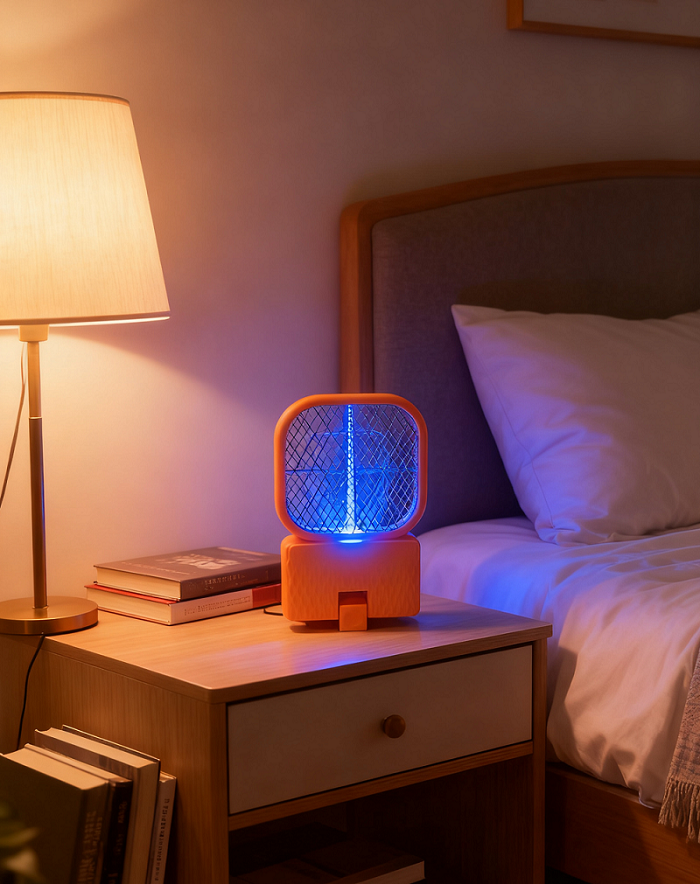
3. Structural Safety: Full Protection Against Accidental Touch and Mosquito Escape
It is natural for active and curious infants to grab and touch household electrical appliances. Therefore, the structural protection of mosquito killer lamps is critical to avoid safety accidents, with every detail mattering greatly.
First, check the protective grid spacing. Complying with maternal and infant safety standards, the grid gap must be ≤5mm, and ultra-fine 1.2mm grids are preferred. This completely prevents babies’ fingers and toes from stretching into the internal structure and avoids accidental touch risks physically. Qualified products feature fully enclosed bodies with no exposed live parts to eliminate electric leakage hazards.
Second, check the anti-escape and cleaning structure. Premium suction mosquito killers are equipped with exclusive anti-escape air ducts and mosquito storage boxes, trapping mosquitoes firmly without escape to guarantee stable killing efficiency. The detachable snap-seal storage box allows easy and hygienic cleaning without direct contact with mosquito remains, preventing dirt accumulation and bacterial growth in long-term use.
Third, check the body material. Prioritizeflame-retardant eco-friendly ABS material, which is high-temperature resistant, corrosion resistant and anti-aging. It never overheats or releases peculiar smells during long-hour operation, eliminating spontaneous combustion and electric leakage risks and supporting 24-hour continuous use. Some upgraded models come with a child lock function to lock operating modes and prevent unintended start-stop caused by babies’ random touching, greatly improving safety.
4. User Experience: Ultra-Quiet Operation Suited for Baby Sleep
Infants have light sleep and are easily woken up. Slight noise or light changes at night can disrupt their rest. Mosquito killer lamps for baby families must balance ultra-quiet performance and soft lighting to adapt to infants’ sleep patterns.
In terms of noise, choose models with an operating noise ≤30dB. High-quality suction mosquito killers adopt silent fans and noise-reducing air duct designs. Their soft operating sound is below the human auditory threshold, making them safe to place beside cribs without disturbing baby sleep. Keep away from inferior products with electric shock cracking sounds or fan abnormal noises.
In terms of lighting, prefer lamps with intelligent light control and night soft light mode. They automatically power off in the daytime and turn on at night for hands-free operation matching natural day and night cycles. The purple light dims automatically at night with no glare, avoiding sleep disturbance and light pollution. Avoid products with colorful flashing lights, which may overstimulate babies’ visual nerves.
5. Qualifications & Details: Choose Certified Products and Reject Unqualified Goods
Many parents only focus on appearance and functions while ignoring product qualifications. Uncertified electrical products contain huge safety risks. Electrical appliances used by infants must have official safety certifications as the basic guarantee.
First, national 3C mandatory certification is a must, serving as the basic safety threshold for household appliances. Products without 3C certification have unregulated circuits, materials and protection structures and are never safe for babies. Second, products with additional photobiological safety certification and maternal-infant safety certification provide double safety assurance.
In terms of details, prioritize models with safe low-voltage USB power interfaces to avoid high-voltage risks. Water-resistant and drop-resistant designs are more suitable for daily household use. Compact and portable designs with wall-mounted and floor-standing options allow placement at heights out of babies’ reach for enhanced safety.
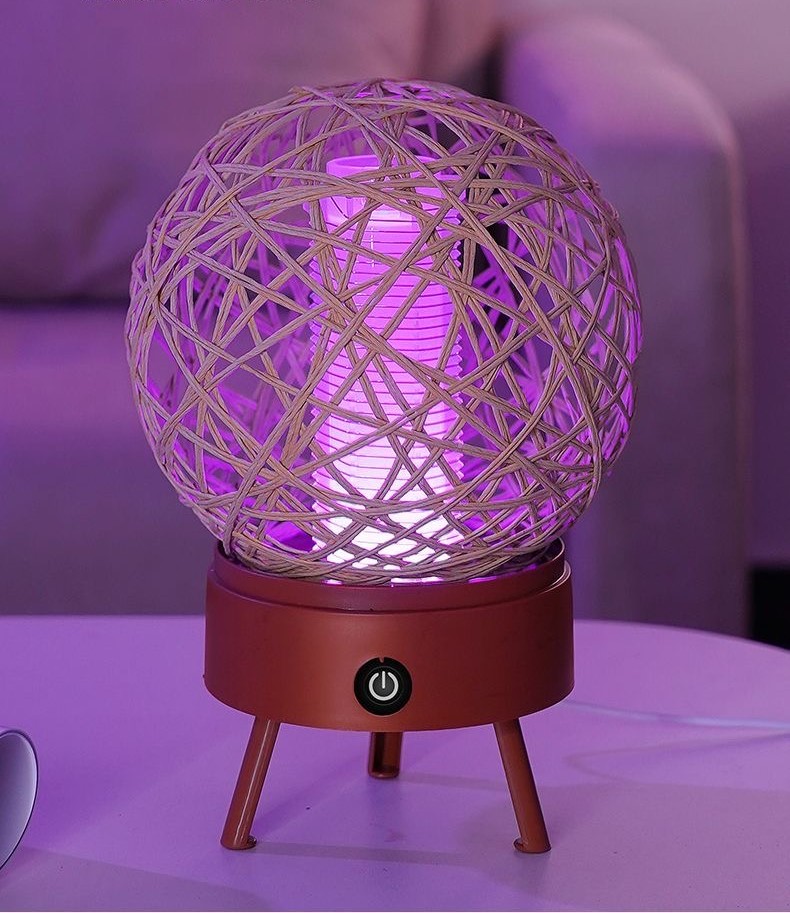
6. Practical Tips for Using Mosquito Killer Lamps in Baby Families
A good product needs correct usage to maximize safety and mosquito-killing effects.
1. Placement: Install 1-1.5 meters above the ground near cribs and baby active areas, but keep it out of babies’ reach. Avoid placing it directly above babies’ heads to reduce light and airflow impact.
2. Usage time: Turn on the lamp 1 to 2 hours in advance in a closed room before babies sleep. It can keep running quietly all night for continuous protection after infants fall asleep.
3. Daily maintenance: Detach and clean the mosquito storage box regularly and wipe the air ducts to remove residual mosquitoes and dirt, preventing bacterial growth and keeping the device clean and hygienic.
Conclusion
The core principle of selecting mosquito killer lamps for infant families is prioritizing safety over fancy gimmicks. Keep this professional selection formula in mind: High-voltage-free suction type + 365nm safe wavelength + anti-touch fine grid + ≤30dB low noise + 3C certification.
This summer, protect your babies from mosquito bites without the pungent smell of mosquito repellent liquid or worries about bite allergies. A qualified and safe mosquito killer lamp creates a clean and reassuring living and sleeping environment for your little ones, allowing your family to enjoy a mosquito-free summer.
Kitchen Scale Cleaning Guide
Are There More Mosquitoes Now Than in Ancient Times
Related Article

If you’re struggling with annoying mosquitoes, flies, and other flying pests indoors and outdoors, upgrading from traditional manual tools to anElectric Mosquito Swatter is the most efficient solution. Many homeowners and renters search where to buy fly swatter online to find durable, safe, and high-performance electric models that deliver instant pest control.
Where to Buy Fly Swatter
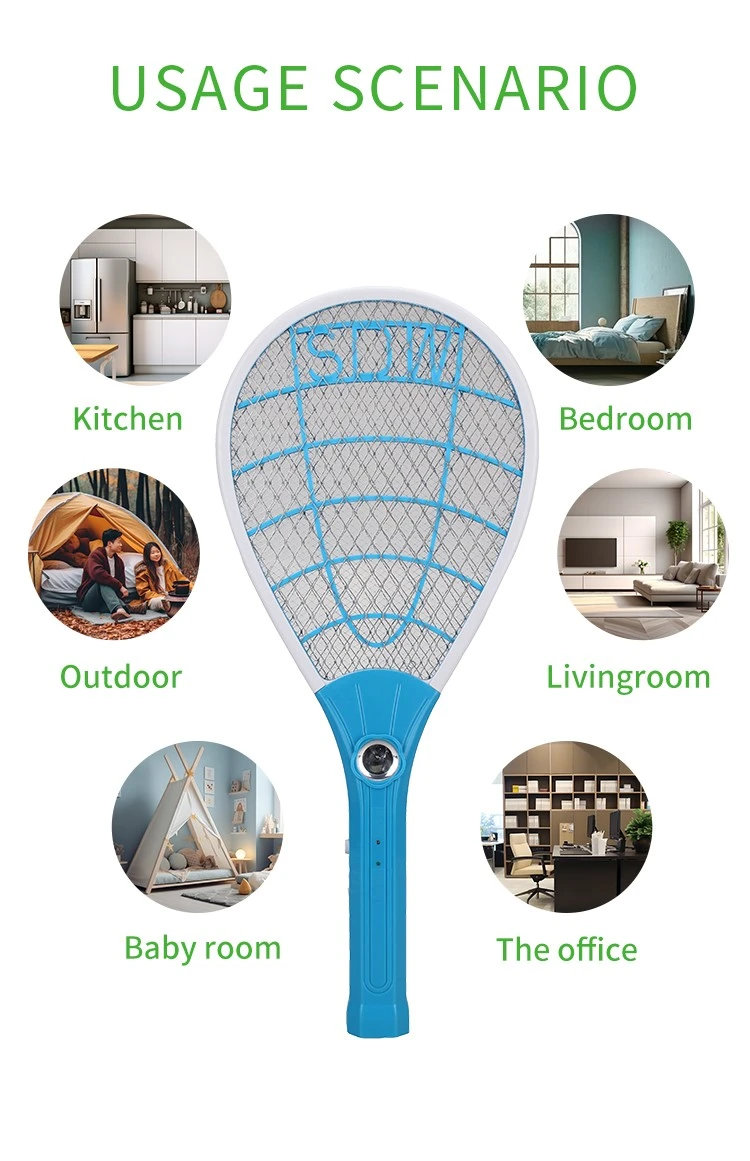
Most importers of electric mosquito swatters obsess over the first order: samples requested, factories vetted, a pre-shipment inspection booked. Then the reorder arrives eight months later and something is off. The grid feels softer. The charge port is a slightly different shade of black. The carton thickness dropped from 350 gsm to 300 gsm. Nothing is catastrophic — but the product no longer matches what your retail customers approved, and quietly, your return rate starts climbing.
How to Keep Mosquito Swatter Quality Consistent Across Repeat Orders
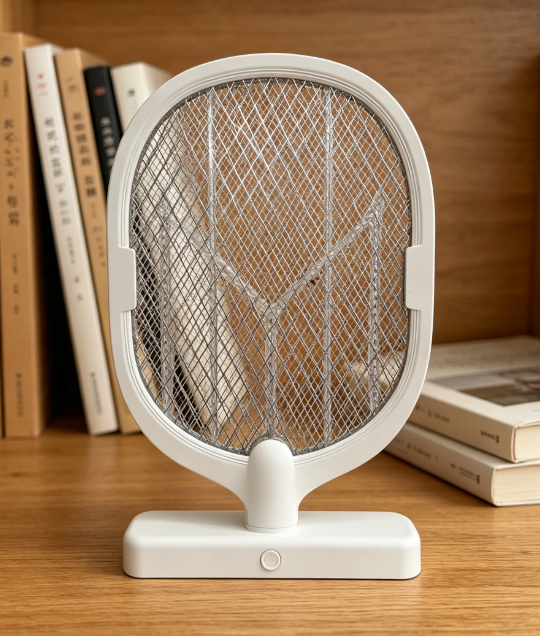
Warranty returns are the silent margin killer in the mosquito control category. A distributor who buys a swatter at $1.80 FOB and retails it at $9.90 can absorb a 1% return rate without noticing — but at 5%, the combined cost of replacement units, reverse logistics, and refund processing erases most of the line's profit.
Common mosquito swatter killer lamp failure modes wholesale spec guide

Digital bathroom scales rank as the second-highest-volume consumer weighing product category, only behind kitchen scales, with distinct market and product characteristics that set them apart from other scale types in importers’ product portfolios.
Digital bathroom body fat-bia-scale wholesale buyers guide