
Battery Life of Mosquito Swatters
2025-11-23
Battery Life of Mosquito Swatters: Don’t Let a Dead Battery Ruin Your Mosquito-Killing Experience
On a summer night, just as you’re about to lie down and enjoy the cool air, a mosquito buzzes around your ear. You grab your mosquito swatter, press the switch—but nothing happens. You look down, and there it is: the battery’s dead. This “failing you when you need it most” scenario is one many of us have experienced. Behind it lies an easily overlooked question: just how much does a mosquito swatter’s battery life affect the user experience?
The answer is clear: it has a huge impact, even determining whether the mosquito swatter is “useful” at all.
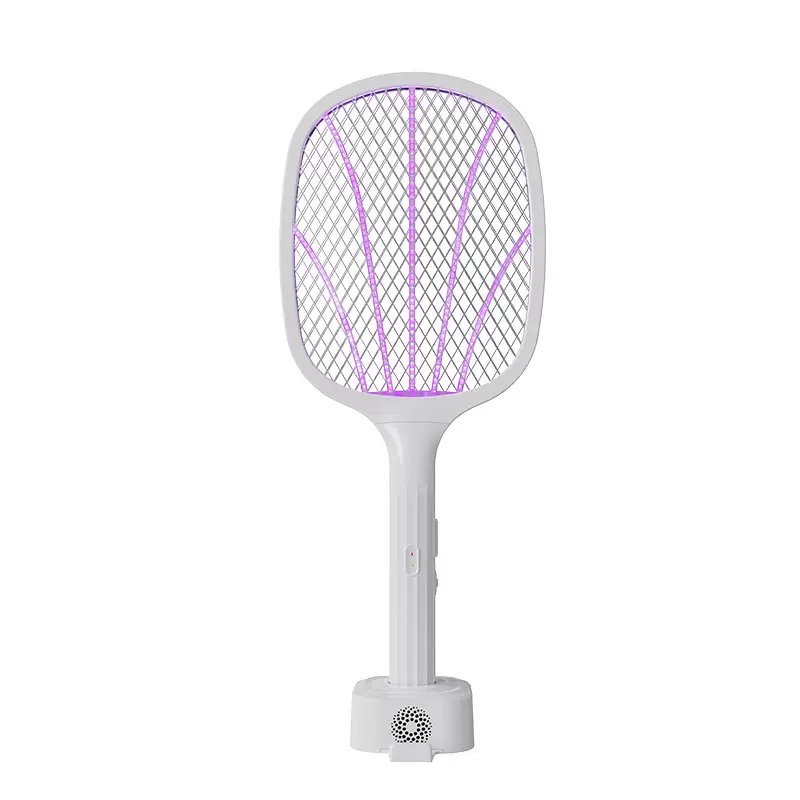
1. Poor Battery Life = “Failing When You Need It Most” — Mosquito-Killing Experience Goes to Zero
The core function of a mosquito swatter is “instant mosquito killing”—see a mosquito, pick up the swatter, zap it instantly. The whole process requires it to be “ready to use whenever you need it.” But with insufficient battery life, you might face situations like these:
- While watching TV at night, a mosquito flies right in front of you. You pick up the swatter, only to find it’s out of power—you can only watch helplessly as the mosquito flies away;
- When swatting mosquitoes near your kid’s bedside, the swatter suddenly dies after two zaps. Not only do you miss the mosquito, but you also have to fumble for the charger in the dark;
- On a weekend cleanup, you want to kill mosquitoes in one go, but the swatter dies after zapping just 5 or 6. You have to wait for it to charge before dealing with the rest.
This “unusable when needed” problem seriously undermines the swatter’s “practicality”—after all, no one wants to wait 2 hours for a charge just to kill one mosquito.
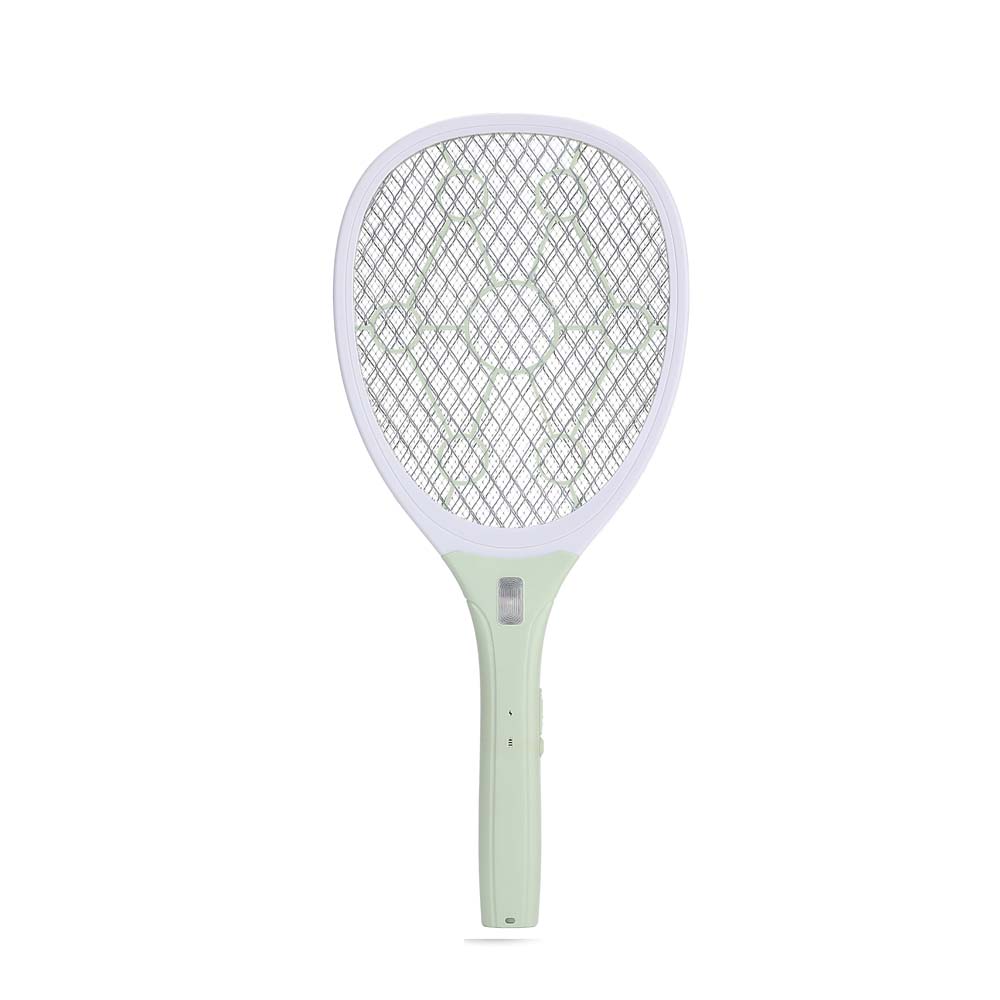
2. Frequent Charging = “Hidden Trouble” — Long-Term User Experience Drops Sharply
Another pain point of mosquito swatters with poor battery life is the need for frequent charging.
For example, some low-cost swatters claim to “last a week on one charge,” but in reality, if you use them for 10 minutes a day, they die in 3 days. This means you have to remember to “charge the swatter”—just like charging your phone every day. But unlike a phone, which you can’t live without, it’s easy to forget about the swatter.
The next time you need to use it, you realize “it’s dead again.” You have to charge it first and wait—turning a simple task like killing mosquitoes into an “unplanned hassle.”
In contrast, a mosquito swatter with good battery life (one that lasts 10–15 consecutive days on a single charge, or can zap more than 200 times total) lets you “charge it once and forget about it.” You don’t have to deliberately remember to charge it; you can just pick it up and use it when you need it. This “no-burden” usability is the key to a good experience.
3. Battery Life Ties to Battery Longevity — Indirectly Affecting “Long-Term Cost-Effectiveness”
Many people don’t notice this: a mosquito swatter’s battery life is also linked to the battery’s overall longevity.
Swatters with low-quality batteries not only have poor initial battery life but also see their battery life “cut in half” after six months of use. What used to last 3 days now dies in 1 day. The charging frequency gets higher and higher, and eventually, it becomes “charge once, use once”—turning into a useless “gadget.”
On the other hand, swatters using high-quality lithium batteries (such as 18650 lithium batteries) not only have more stable initial battery life but also longer battery cycle life (usually over 500 recharge cycles). After 2–3 years of use, their battery life can still retain over 70% of its original capacity. They’re more hassle-free in the long run—and more cost-effective too.
Buying Tips: Don’t Just Look at Price — Focus on Battery Life Specs
Since battery life is so important, what should you look for when choosing a mosquito swatter? Remember these three key points:
- Check the battery capacity: Prioritize models labeled “2000mAh or higher lithium battery” (lead-acid batteries have poor battery life and short longevity—avoid them if possible);
- Look for “actual battery life descriptions”: If a seller only says “lasts a week on one charge,” ask follow-up questions like “how many zaps can it do on a single charge” or “how many days will it last if used for 10 minutes a day.” More specific specs are more reliable;
- Check for low-battery indicators: Models with LED low-battery lights can remind you to charge in advance, avoiding the embarrassment of “sudden power loss.”

Final Thoughts
A mosquito swatter isn’t a “one-time tool”—it’s a small appliance you might use every day in summer. Whether it’s “good to use” doesn’t just depend on how strong its zapping power is; it matters more whether it “works whenever you need it.” And that, exactly, comes down to battery life.
Don’t choose a model with poor battery life just to save a few dozen yuan. After all, your good mood shouldn’t be ruined by a “dead mosquito swatter.”
Mosquito Killer Lamps at Home
How to choose an electric mosquito swatter suitable for home use
Related Article

If you’re struggling with annoying mosquitoes, flies, and other flying pests indoors and outdoors, upgrading from traditional manual tools to anElectric Mosquito Swatter is the most efficient solution. Many homeowners and renters search where to buy fly swatter online to find durable, safe, and high-performance electric models that deliver instant pest control.
Where to Buy Fly Swatter
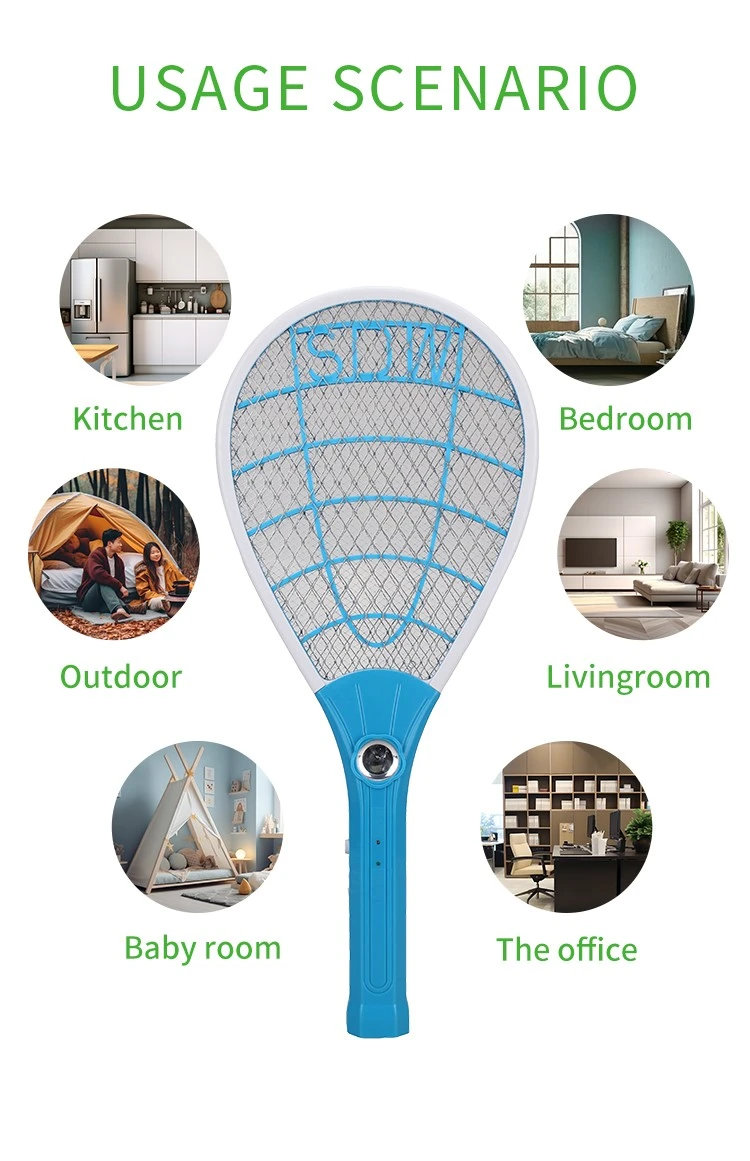
Most importers of electric mosquito swatters obsess over the first order: samples requested, factories vetted, a pre-shipment inspection booked. Then the reorder arrives eight months later and something is off. The grid feels softer. The charge port is a slightly different shade of black. The carton thickness dropped from 350 gsm to 300 gsm. Nothing is catastrophic — but the product no longer matches what your retail customers approved, and quietly, your return rate starts climbing.
How to Keep Mosquito Swatter Quality Consistent Across Repeat Orders
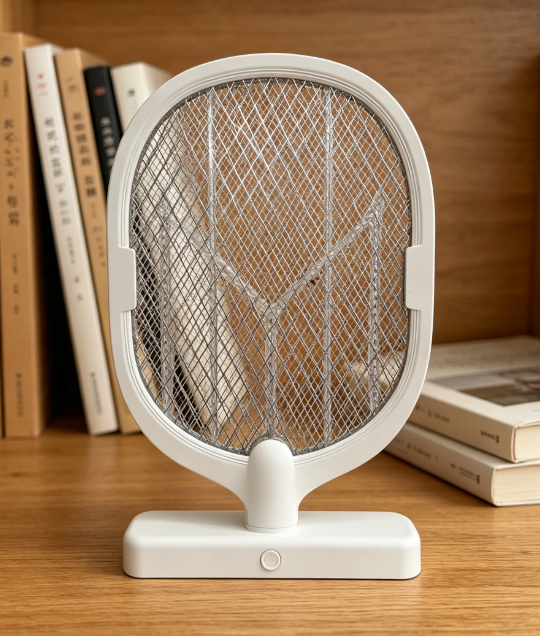
Warranty returns are the silent margin killer in the mosquito control category. A distributor who buys a swatter at $1.80 FOB and retails it at $9.90 can absorb a 1% return rate without noticing — but at 5%, the combined cost of replacement units, reverse logistics, and refund processing erases most of the line's profit.
Common mosquito swatter killer lamp failure modes wholesale spec guide

Digital bathroom scales rank as the second-highest-volume consumer weighing product category, only behind kitchen scales, with distinct market and product characteristics that set them apart from other scale types in importers’ product portfolios.
Digital bathroom body fat-bia-scale wholesale buyers guide