
Bug Zapper Safety
2025-07-04
Bug Zapper Safety: What You Need to Know
When it comes to keeping pesky bugs at bay, bug zappers and electric mosquito swatters are popular choices. However, these devices involve electricity and potentially harmful components, so it's essential to follow proper safety guidelines. Here are some crucial bug zapper safety tips to ensure you can enjoy a bug - free environment without compromising safety.
Pre - use Safety Precautions
Before using any bug - zapping device, taking these precautions is the first step to safety.
Check the Device Thoroughly
Inspect both your bug zapper and electric mosquito swatter before each use. Look for any signs of damage, such as frayed cords, cracks in the casing, or bent metal grids. For example, if you notice a frayed cord on your electric mosquito swatter, it could expose you to electric shock, so it should not be used until repaired or replaced. Even a small crack in the bug zapper's casing might allow insects or moisture to enter, causing electrical malfunctions.
Read and Understand the Manual
Every bug zapper and electric mosquito swatter comes with an instruction manual. It contains important information about the device's features, recommended usage, and specific safety warnings. Some bug zappers may have unique installation requirements or limitations on the power sources they can use. By carefully reading the manual, you'll know how to operate the device correctly and avoid potential risks.
Safety During Operation
Proper operation during use is key to preventing accidents.
Bug Zapper Placement
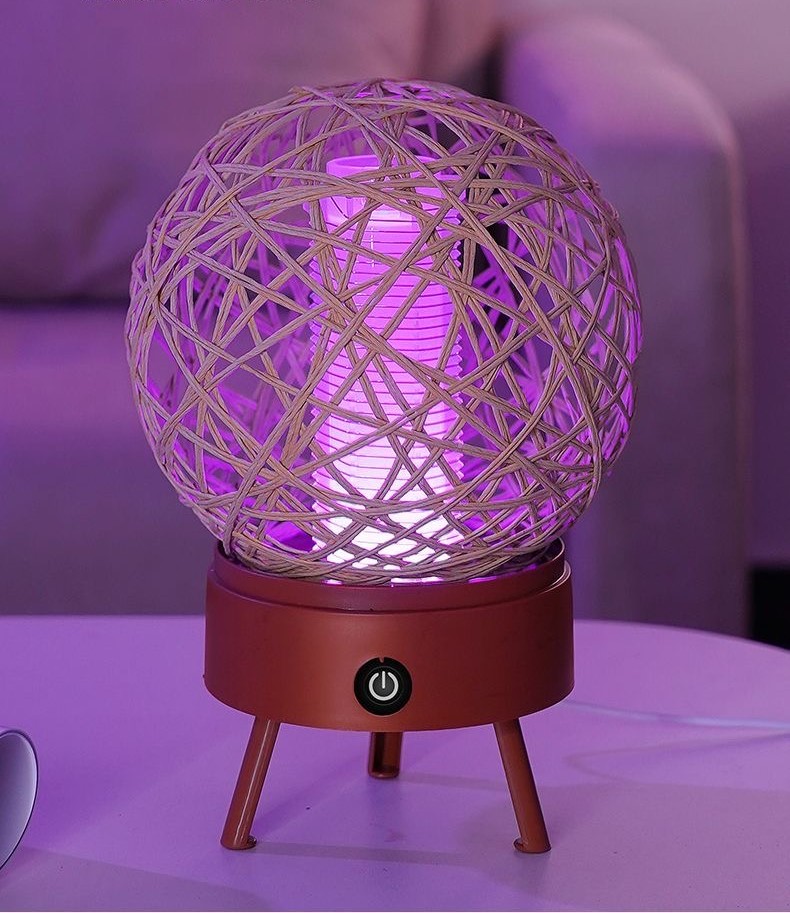
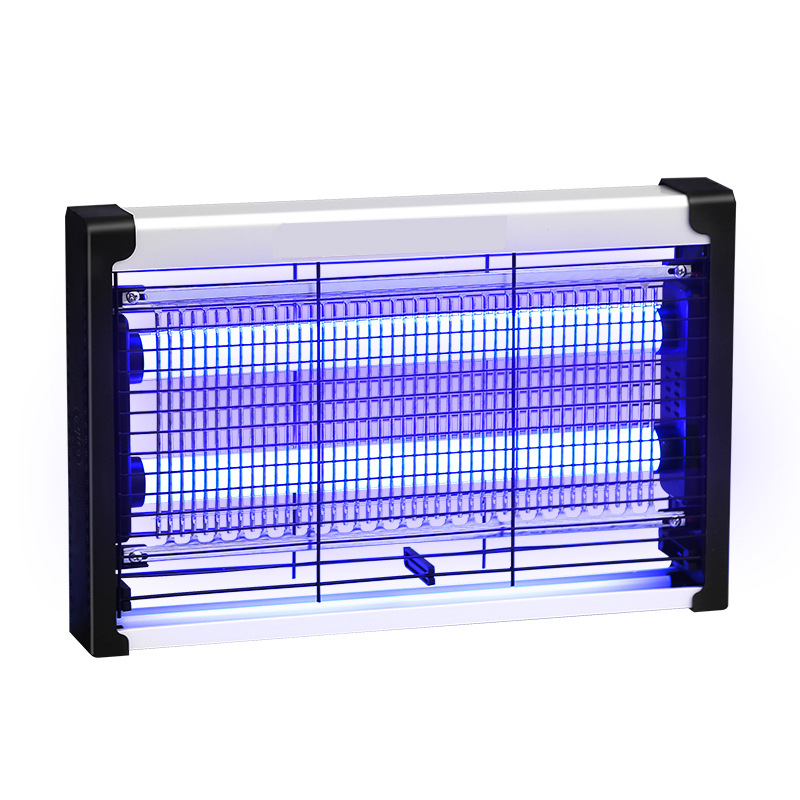
For outdoor bug zappers, position them at least 10 feet away from areas where people gather, like patios or picnic spots. This distance reduces the chance of accidental contact with the high - voltage grid. Indoors, keep bug zappers away from flammable materials such as curtains, paper, and furniture. Also, make sure they are out of reach of children and pets. Some modern bug zappers, like those from certain well - known brands, come with child - proof designs, but additional caution is still necessary.
Using Electric Mosquito Swatters Correctly
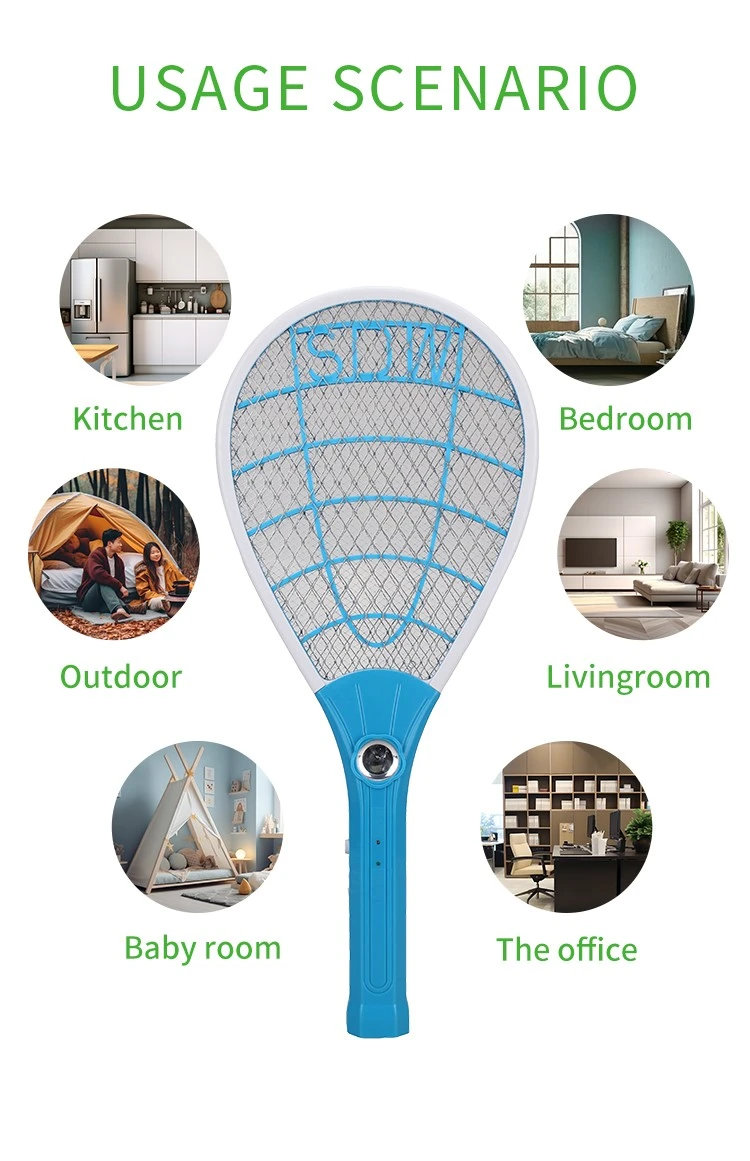
When using an electric mosquito swatter, always hold it by the insulated handle. Never touch the metal grid while the device is on. Swing the swatter gently and be aware of your surroundings to avoid hitting people, breakable items, or electrical appliances. Additionally, do not use the electric mosquito swatter in wet conditions or near water sources, as water can conduct electricity and increase the risk of shock.
Post - use and Maintenance Safety
Proper handling after use and regular maintenance also play vital roles in safety.
Turn Off and Unplug
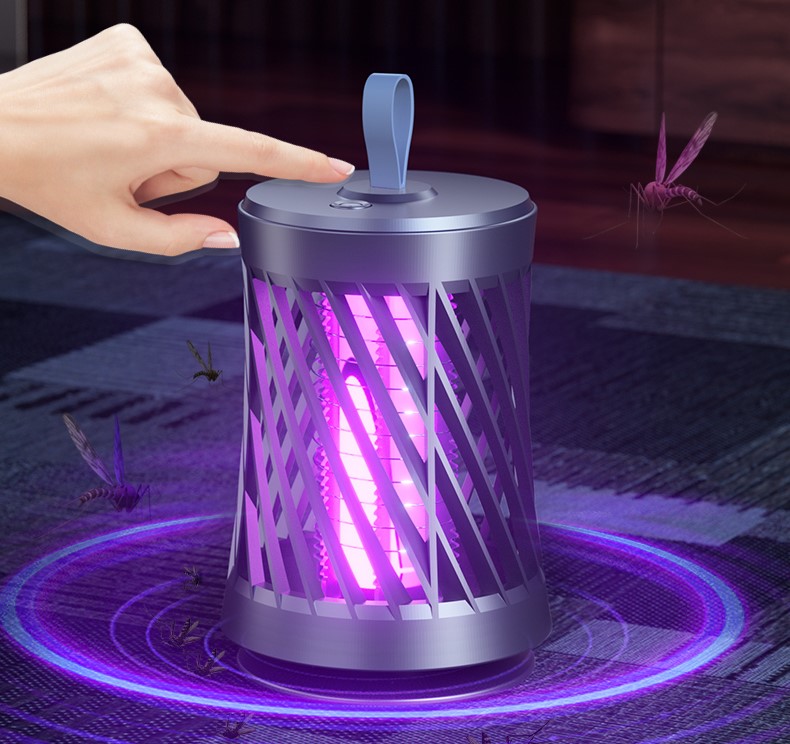
After using the bug zapper, turn it off and unplug it from the power source immediately. For electric mosquito swatters, turn off the power switch and, if possible, remove the batteries. This prevents any unexpected electrical incidents, especially if the device is accidentally touched or jostled.
Regular Maintenance
Regularly clean your bug zapper according to the manufacturer's instructions. Usually, this involves turning off the power and using a soft brush to remove dead insects from the grid. For electric mosquito swatters, wipe the surface with a dry cloth to keep it clean. Periodically check for any signs of wear and tear and have the device serviced if needed. Maintaining the devices well ensures their proper functioning and reduces the risk of electrical problems.
Safety in Special Situations
There are also some safety considerations for specific scenarios.
Handling Malfunctions
If your bug zapper or electric mosquito swatter malfunctions, do not attempt to repair it yourself unless you are a qualified electrician. Unplug the device immediately and contact the manufacturer or a professional repair service. Trying to fix electrical devices without proper knowledge can lead to serious injuries.
Emergency Preparedness
Keep a first - aid kit handy in case of any accidental injuries. If someone gets shocked by a bug zapper or electric mosquito swatter, immediately turn off the power source, and if necessary, perform first - aid measures such as checking for breathing and a pulse, and seek medical help promptly.
In conclusion, by following these bug zapper safety tips, you can make the most of your bug - zapping devices while keeping yourself, your family, and your property safe. Remember, safety always comes first when dealing with electrical devices.
Where should I place my electric fly zapper for the best results
Bug Zapper Safety Tips
Related Article

If you’re struggling with annoying mosquitoes, flies, and other flying pests indoors and outdoors, upgrading from traditional manual tools to anElectric Mosquito Swatter is the most efficient solution. Many homeowners and renters search where to buy fly swatter online to find durable, safe, and high-performance electric models that deliver instant pest control.
Where to Buy Fly Swatter
Most importers of electric mosquito swatters obsess over the first order: samples requested, factories vetted, a pre-shipment inspection booked. Then the reorder arrives eight months later and something is off. The grid feels softer. The charge port is a slightly different shade of black. The carton thickness dropped from 350 gsm to 300 gsm. Nothing is catastrophic — but the product no longer matches what your retail customers approved, and quietly, your return rate starts climbing.
How to Keep Mosquito Swatter Quality Consistent Across Repeat Orders
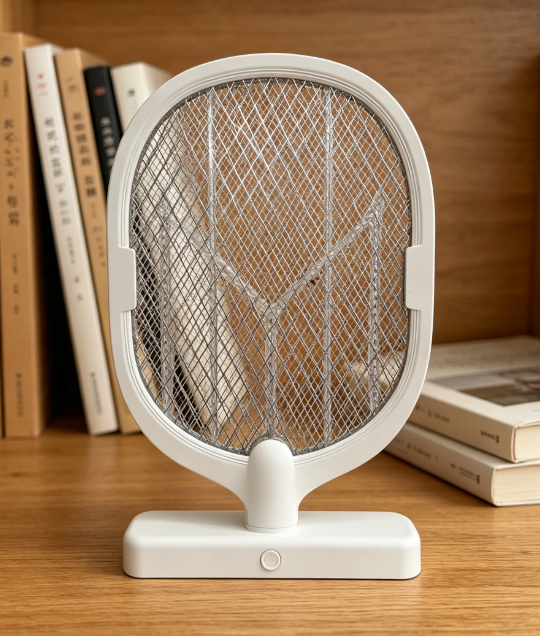
Warranty returns are the silent margin killer in the mosquito control category. A distributor who buys a swatter at $1.80 FOB and retails it at $9.90 can absorb a 1% return rate without noticing — but at 5%, the combined cost of replacement units, reverse logistics, and refund processing erases most of the line's profit.
Common mosquito swatter killer lamp failure modes wholesale spec guide

Digital bathroom scales rank as the second-highest-volume consumer weighing product category, only behind kitchen scales, with distinct market and product characteristics that set them apart from other scale types in importers’ product portfolios.
Digital bathroom body fat-bia-scale wholesale buyers guide