
Can a Bug Zapper Cause a Fire
2025-05-19
Can a Bug Zapper Cause a Fire
How Bug Zappers Operate
The Basic Working Mechanism
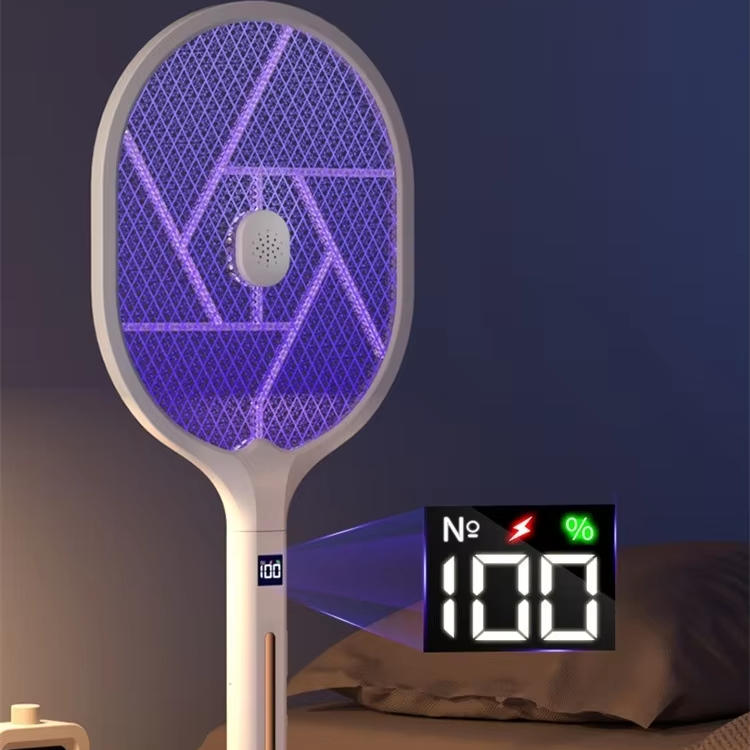
Bug zappers are designed to attract and eliminate flying insects. They typically use ultraviolet (UV) light to draw bugs in. Once insects are lured by the light, they collide with an electrified grid, which delivers a high-voltage shock that kills them. This straightforward operation makes bug zappers a convenient choice for controlling pests like mosquitoes, flies, and moths around homes and gardens.
Electrical Components Involved
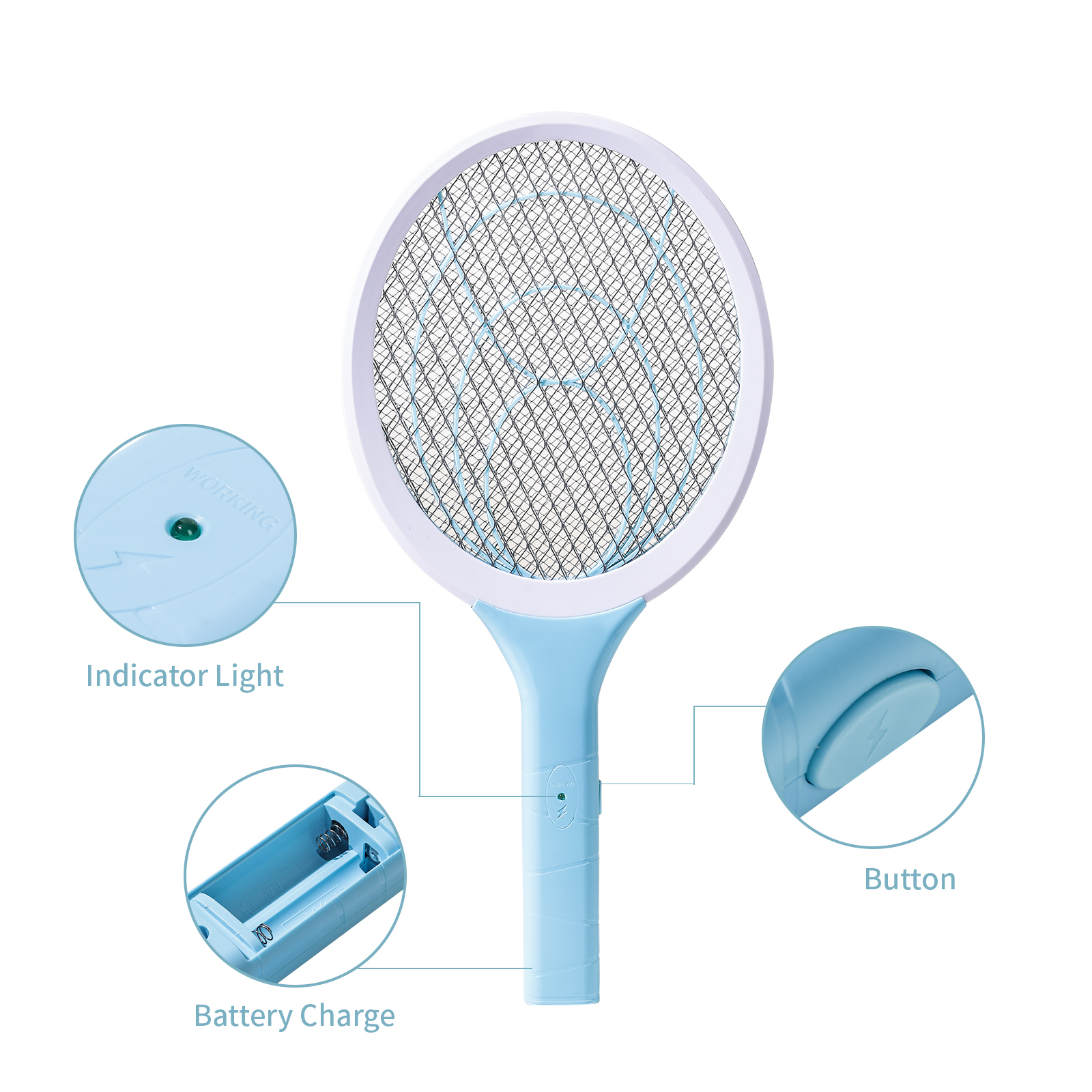
These devices consist of several key electrical components. The UV light source, often a fluorescent bulb, requires a power supply to function. Additionally, the electrified grid needs a high-voltage transformer to generate the shock necessary to zap insects. All these components work together within the bug zapper's housing, and any malfunction in them could potentially lead to problems.
Factors That Can Lead to Fires
Malfunctioning Electrical Parts
One of the main reasons a bug zapper could cause a fire is due to malfunctioning electrical components. Over time, the wiring inside the bug zapper may become frayed or damaged. If the insulation around the wires wears off, it can expose the live wires, increasing the risk of short circuits. A short circuit can generate excessive heat, which, if it comes into contact with flammable materials nearby, might ignite a fire. Similarly, a faulty transformer or a malfunctioning light bulb can also overheat and start a fire.
Accumulation of Insect Debris
Another significant factor is the accumulation of insect debris. As bugs are zapped by the grid, their remains accumulate inside the bug zapper. This debris can build up over time and create a layer that blocks proper ventilation. When the device operates, the electrical components generate heat. Without adequate ventilation, the heat has nowhere to dissipate, causing the internal temperature of the bug zapper to rise. If the temperature gets too high, it can cause the plastic housing of the bug zapper to melt or ignite the accumulated insect debris, leading to a fire.
Incorrect Installation or Usage
Improper installation and usage also contribute to the fire risk. If a bug zapper is placed too close to flammable objects such as dry leaves, curtains, or wooden structures, even normal heat generation from the device could be enough to start a fire. Moreover, using a bug zapper in an area with excessive moisture, like outdoors during heavy rain without proper protection, can damage the electrical components and increase the likelihood of electrical malfunctions that may result in a fire.
Preventive Measures
Regular Maintenance
Regular maintenance is crucial to prevent bug zapper - related fires. Periodically check the device for any signs of damage, such as frayed wires or a malfunctioning bulb. Clean out the accumulated insect debris carefully to ensure proper ventilation. Unplug the bug zapper before cleaning and follow the manufacturer's instructions to avoid damaging the internal components.
Correct Installation
When installing a bug zapper, make sure to follow the installation guidelines provided by the manufacturer. Place it at a safe distance from flammable materials and in a well-ventilated area. If using it outdoors, ensure it is properly sheltered from rain and other elements to prevent moisture from entering the device.
Safe Usage
Use the bug zapper only as intended. Don't attempt to modify the device in any way, and always use the recommended power source. If you notice any unusual smells, sounds, or excessive heat coming from the bug zapper, immediately unplug it and stop using it. Have it inspected by a professional before using it again.
Conclusion
In conclusion, while bug zappers are effective in controlling pests, they do pose a potential fire risk if not properly maintained, installed, and used. Understanding the factors that can lead to fires and taking preventive measures can significantly reduce this risk. By being vigilant and following safety guidelines, you can enjoy the benefits of a bug zapper without worrying about the threat of a fire.
Does a Bug Zapper Work During the Day
Does Bug Zapper Kill Bees
Related Article

If you’re struggling with annoying mosquitoes, flies, and other flying pests indoors and outdoors, upgrading from traditional manual tools to anElectric Mosquito Swatter is the most efficient solution. Many homeowners and renters search where to buy fly swatter online to find durable, safe, and high-performance electric models that deliver instant pest control.
Where to Buy Fly Swatter

Most importers of electric mosquito swatters obsess over the first order: samples requested, factories vetted, a pre-shipment inspection booked. Then the reorder arrives eight months later and something is off. The grid feels softer. The charge port is a slightly different shade of black. The carton thickness dropped from 350 gsm to 300 gsm. Nothing is catastrophic — but the product no longer matches what your retail customers approved, and quietly, your return rate starts climbing.
How to Keep Mosquito Swatter Quality Consistent Across Repeat Orders

Warranty returns are the silent margin killer in the mosquito control category. A distributor who buys a swatter at $1.80 FOB and retails it at $9.90 can absorb a 1% return rate without noticing — but at 5%, the combined cost of replacement units, reverse logistics, and refund processing erases most of the line's profit.
Common mosquito swatter killer lamp failure modes wholesale spec guide

Digital bathroom scales rank as the second-highest-volume consumer weighing product category, only behind kitchen scales, with distinct market and product characteristics that set them apart from other scale types in importers’ product portfolios.
Digital bathroom body fat-bia-scale wholesale buyers guide