
Can a Bug Zapper Racket Hurt a Human
2026-04-20
Can a Bug Zapper Racket Hurt a Human? Electric Mosquito Swatter Safety Guide
As summer approaches, the Electric Mosquito Swatter (also known as a bug zapper racket) becomes a must-have household gadget for keeping pesky mosquitoes, flies, and other flying insects at bay. Its convenient, chemical-free design makes it a popular choice for homes, patios, and even outdoor adventures. But one question lingers in many users’ minds: Can a bug zapper racket hurt a human? In this comprehensive guide, we’ll break down the safety of Electric Mosquito Swatters, explain their working principle, highlight potential risks, and share practical tips to use them safely—all while keeping Google’s search algorithms in mind.
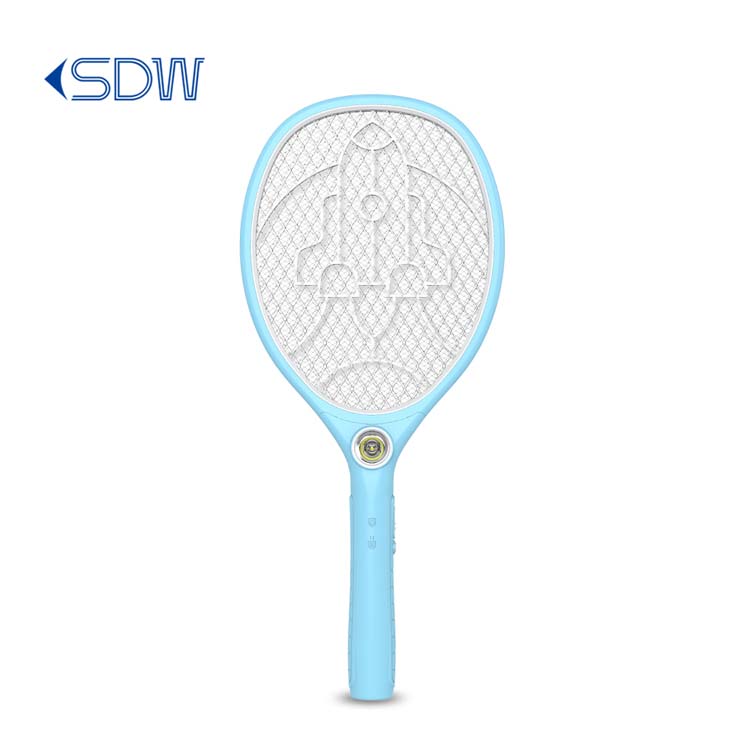
Can a Bug Zapper Racket (Electric Mosquito Swatter) Hurt a Human?
The short answer is: Mostly no, but there are exceptions. A standard Electric Mosquito Swatter is designed to kill small insects, not harm humans. However, improper use, faulty devices, or contact with flammable substances can lead to discomfort or even injury. Let’s dive into the details to understand why Electric Mosquito Swatters are generally safe, and when you need to be cautious.
How Does an Electric Mosquito Swatter Work?
To understand if a bug zapper racket can hurt you, it’s first important to know how these devices operate. An Electric Mosquito Swatter uses a simple yet effective mechanism to eliminate insects, and its design prioritizes human safety while delivering enough power to kill bugs.
Voltage vs. Current: The Key to Safety
Electric Mosquito Swatters generate high voltage—typically between 1,000 and 4,000 volts—but very low current (usually just a few milliamps). Voltage is the “force” that pushes electricity, while current is the actual flow of electricity through the body. For a human to suffer serious electric shock, both high voltage and high current are required. The low current of an Electric Mosquito Swatter means it cannot deliver a dangerous shock to a healthy adult.
Grid Design: Protecting Users from Direct Contact
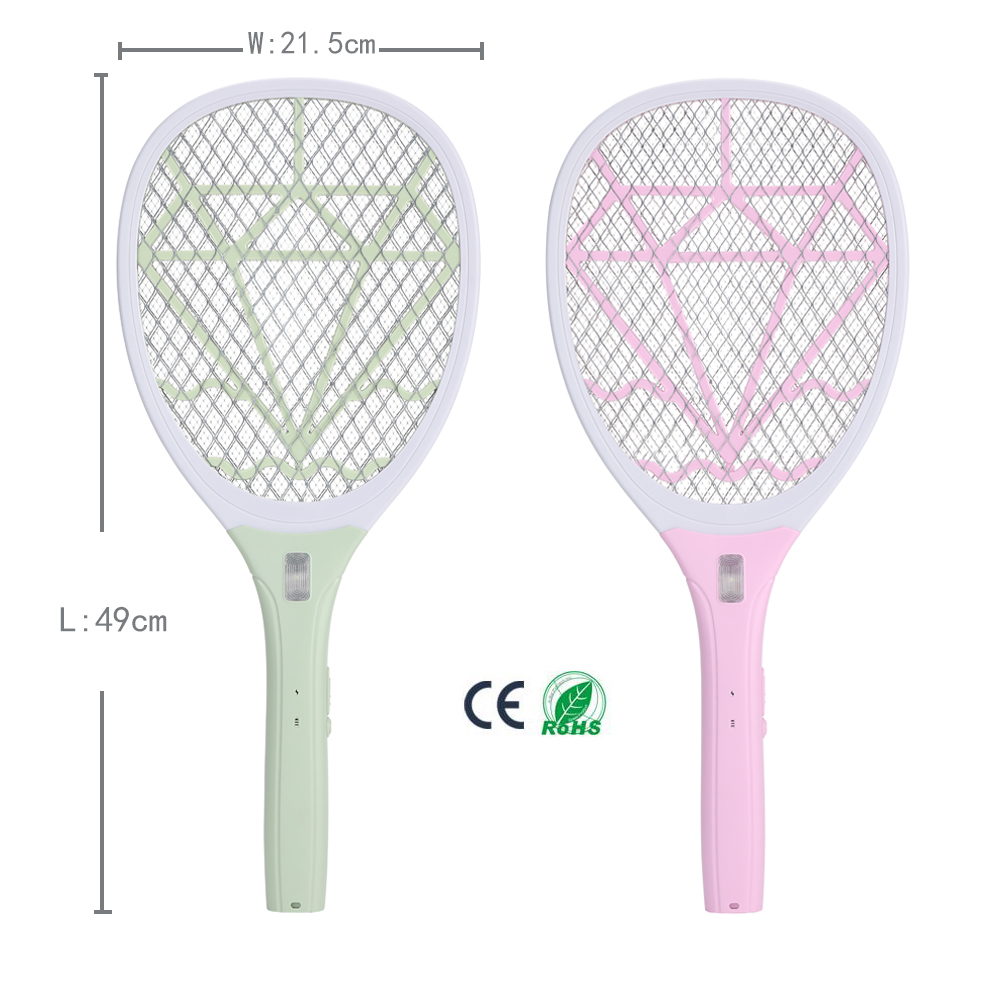
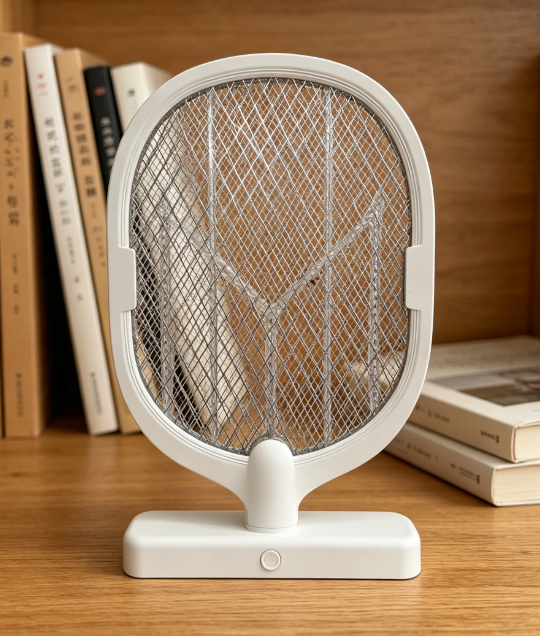
Most Electric Mosquito Swatters feature a three-layer mesh grid. The outer two layers are grounded, while the middle layer carries the high-voltage charge. This design ensures that insects (which are small enough to fit between the layers) complete the circuit and get zapped, but human fingers—too large to fit between the outer and middle layers—cannot touch the charged middle layer easily. This adds an extra layer of safety to prevent accidental shocks.
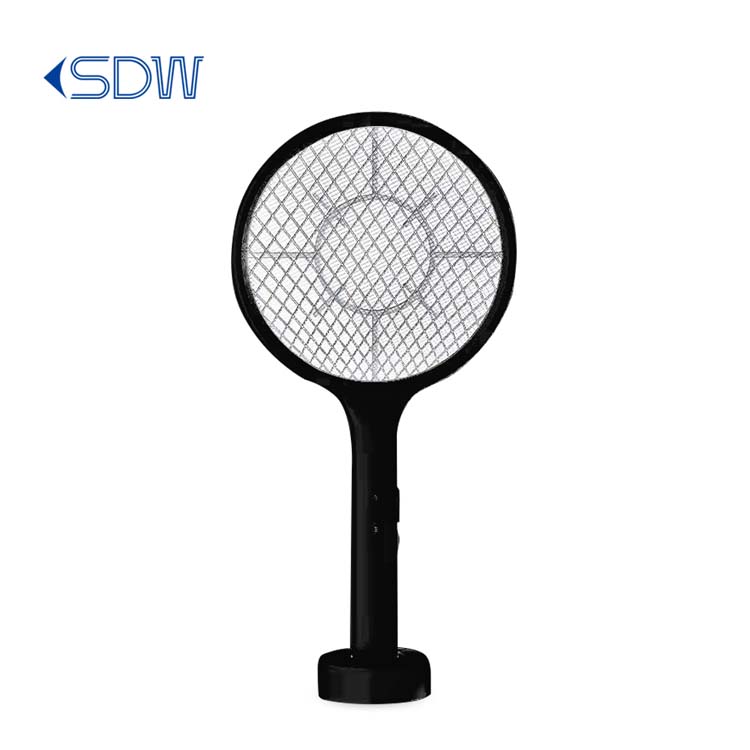
Potential Risks: When Can an Electric Mosquito Swatter Hurt You?
While Electric Mosquito Swatters are safe for most users when used correctly, there are a few scenarios where they can cause discomfort or injury. These risks are rare but important to avoid.
Mild Discomfort from Accidental Contact
If you accidentally touch the grid of an activated Electric Mosquito Swatter, you may feel a sharp, stinging sensation or a mild tingle. This is similar to a static electricity shock and usually fades within a few seconds. It is not dangerous for healthy adults or children, but it can be startling.
Serious Risks from Faulty or Misused Devices
More severe injuries are possible in specific cases, often due to improper use or defective products:
-
Flammable Substance Ignition: Electric Mosquito Swatters produce small sparks when zapping insects. If used near flammable materials (such as alcohol, insect repellent sprays, or adhesive glues), these sparks can ignite fires or cause burns. There have been reported cases of partial-thickness burns when users applied alcohol to their skin and used an Electric Mosquito Swatter nearby, or when the device was placed on flammable surfaces after use.
-
Faulty or “Three-No” Products: Low-quality, uncertified Electric Mosquito Swatters (often called “three-no” products with no brand, no safety certification, and no instructions) may have damaged insulation, faulty wiring, or inconsistent voltage. These can deliver stronger shocks or even short-circuit, leading to burns or electric shock.
-
Overcharging or Damage: Overcharging a rechargeable Electric Mosquito Swatter can damage the battery, leading to overheating or leakage. Physical damage (such as a bent grid or cracked handle) can also expose internal wiring, increasing the risk of shock.
High-Risk Groups
While Electric Mosquito Swatters are safe for most people, certain groups may experience more severe reactions to even mild shocks:
-
Children and Pets: Curious children or pets may touch the grid intentionally, and their smaller bodies may be more sensitive to the stinging sensation. In rare cases, a shock could startle a child or pet, leading to a fall or other secondary injury.
-
People with Heart Conditions: For individuals with heart problems, a sudden electric shock (even mild) could trigger a reaction. It’s best for these individuals to avoid direct contact with the grid.
-
People with Skin Sensitivities: Those with sensitive skin may experience minor redness or irritation after contact with the grid, though this is rare.
How to Use an Electric Mosquito Swatter Safely
To ensure your Electric Mosquito Swatter is safe to use and does not hurt you or your family, follow these simple safety tips. These tips also help you get the most out of your device while keeping it in good condition.
Choose a Certified, High-Quality Electric Mosquito Swatter
Always buy an Electric Mosquito Swatter from a reputable brand with proper safety certifications (such as CE, FCC, or UL for the US market). Look for clear labels, a three-layer grid, and a sturdy handle. Avoid cheap, unbranded products that may cut corners on safety.
Follow Proper Usage Guidelines
-
Never touch the grid while the device is activated. Only hold the handle when using the Electric Mosquito Swatter.
-
Do not use the device near flammable materials, including alcohol, gasoline, insect sprays, or adhesive glues. Keep it away from kitchen stoves, candles, and other open flames.
-
Do not use the Electric Mosquito Swatter in wet conditions (e.g., rain, near a pool, or with wet hands). Moisture can increase the risk of shock or short-circuiting.
-
Turn off the device when not in use, and store it in a cool, dry place out of reach of children and pets.
Maintain Your Electric Mosquito Swatter Properly
-
Clean the grid regularly with a dry cloth or small brush to remove dead insects. Do not use water or cleaning products, as this can damage the device.
-
For rechargeable models, follow the charging instructions—do not overcharge (most take 3-5 hours to fully charge) and avoid using damaged chargers.
-
Inspect the device regularly for damage (e.g., cracked handle, bent grid, or loose wiring). If you notice any damage, stop using it immediately and replace it.
Common Myths About Bug Zapper Rackets (Electric Mosquito Swatters)
Let’s debunk some common misconceptions about Electric Mosquito Swatters to help you use them with confidence:
Myth 1: Electric Mosquito Swatters Can Kill Humans
False. As mentioned earlier, the low current of Electric Mosquito Swatters is not enough to cause serious harm to humans. Even accidental contact only causes mild discomfort, not death or severe injury.
Myth 2: All Electric Mosquito Swatters Are the Same
False. There is a big difference between certified, high-quality Electric Mosquito Swatters and cheap, unbranded ones. Low-quality devices may have safety flaws that increase the risk of injury.
Myth 3: You Can Use an Electric Mosquito Swatter with Insect Repellent
False. Insect repellents (especially spray-on types) often contain flammable ingredients. Using an Electric Mosquito Swatter near these products can cause fires or burns. Wait until the repellent dries completely before using the device.
Final Thoughts: Are Bug Zapper Rackets (Electric Mosquito Swatters) Safe for Humans?
In conclusion, a properly used, high-quality Electric Mosquito Swatter is safe for humans and will not cause serious harm. The mild stinging sensation from accidental contact is temporary and harmless for most people. The real risks come from improper use (near flammable materials, wet conditions) or faulty products.
By choosing a certified Electric Mosquito Swatter, following safety guidelines, and maintaining the device properly, you can enjoy a bug-free environment without worrying about injury. If you have children or pets, simply keep the device out of their reach when not in use, and supervise them if they are around it.
If you’re looking for a chemical-free, effective way to get rid of mosquitoes and flies, the Electric Mosquito Swatter is an excellent choice—just use it wisely!
Do Mosquito Lamps Kill Flies
Electric Mosquito Swatter Buying Guide
Related Article

If you’re struggling with annoying mosquitoes, flies, and other flying pests indoors and outdoors, upgrading from traditional manual tools to anElectric Mosquito Swatter is the most efficient solution. Many homeowners and renters search where to buy fly swatter online to find durable, safe, and high-performance electric models that deliver instant pest control.
Where to Buy Fly Swatter
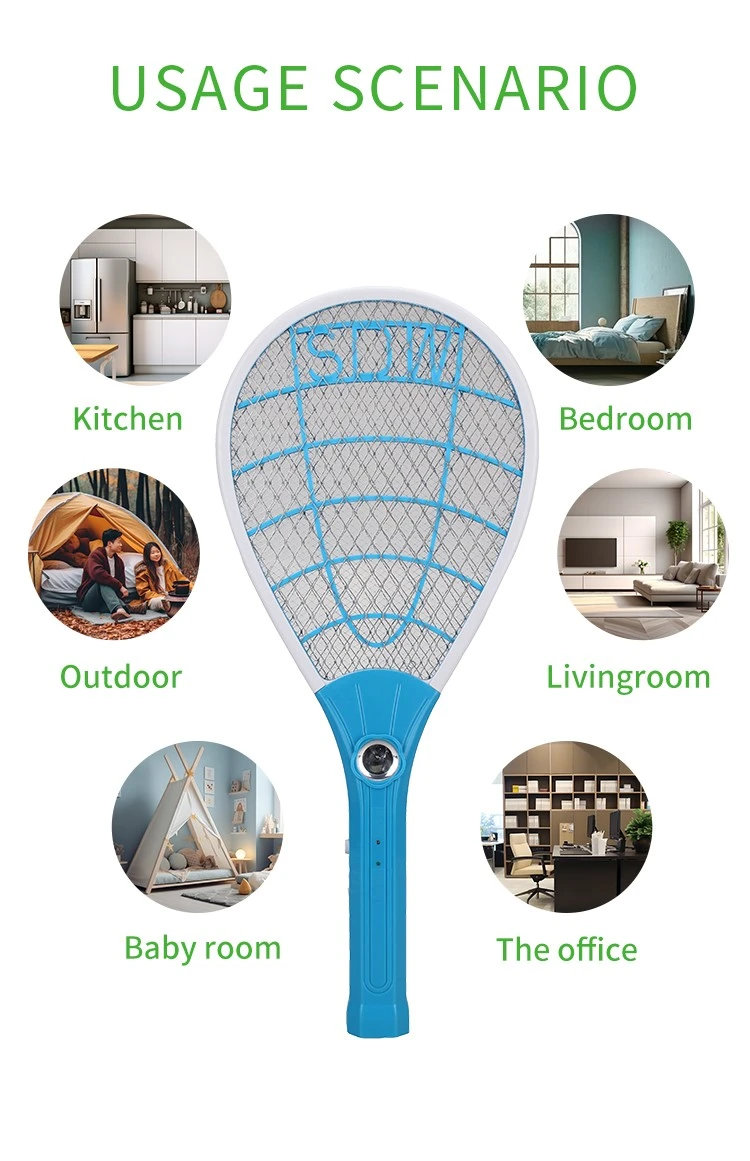
Most importers of electric mosquito swatters obsess over the first order: samples requested, factories vetted, a pre-shipment inspection booked. Then the reorder arrives eight months later and something is off. The grid feels softer. The charge port is a slightly different shade of black. The carton thickness dropped from 350 gsm to 300 gsm. Nothing is catastrophic — but the product no longer matches what your retail customers approved, and quietly, your return rate starts climbing.
How to Keep Mosquito Swatter Quality Consistent Across Repeat Orders
Warranty returns are the silent margin killer in the mosquito control category. A distributor who buys a swatter at $1.80 FOB and retails it at $9.90 can absorb a 1% return rate without noticing — but at 5%, the combined cost of replacement units, reverse logistics, and refund processing erases most of the line's profit.
Common mosquito swatter killer lamp failure modes wholesale spec guide

Digital bathroom scales rank as the second-highest-volume consumer weighing product category, only behind kitchen scales, with distinct market and product characteristics that set them apart from other scale types in importers’ product portfolios.
Digital bathroom body fat-bia-scale wholesale buyers guide