
Can a Mosquito Bite Kill You
2026-06-18
Can a Mosquito Bite Kill You? The Answer Is Different From What Most People Think
Mosquitoes are the most annoying creatures in summer. Whether in bedrooms, community lawns, riverside forests or night markets, you can always hear their buzzing flutter. You will get an itchy, swollen mosquito bite that worsens when scratched and lasts for days. Almost everyone has wondered: can tiny mosquitoes kill people? Will frequent mosquito bites harm human health?
There are two opposite opinions online. Some people think mosquitoes are merely annoying and completely harmless, while others fear mosquitoes after hearing fatal cases. Combining medical science and official CDC data, this article gives a clear conclusion: A single mosquito bite cannot kill a healthy adult directly, yet mosquitoes rank first among the world’s deadliest animals. Their invisible fatal risks are far more dangerous than visible mosquito bumps on the skin.
1. A Single Bite: Mosquitoes Are Non-toxic and Cannot Kill People
Here is a reassuring fact for most people: Mosquitoes have no venom glands, and their saliva contains no lethal biotoxin. A small number of bites will never cause direct death, so there is no need to panic about ordinary mosquito bites. Besides, only female mosquitoes bite humans for blood; male mosquitoes only feed on plant sap and never bite people.
How female mosquitoes bite: They pierce superficial capillaries with their mouthparts and inject special saliva containing anticoagulants and anesthetic proteins. The substances prevent blood coagulation for easy blood-sucking and numb skin nerves to make people unaware of being bitten instantly. For people with normal immunity, only local immune reactions will occur: swollen bumps, hot skin and persistent itching. Mild bites heal within 1 to 3 days, and sensitive skin recovers within a week without damaging internal organs.
Only one high-risk group exists: people with severe mosquito saliva protein allergy. Different from mild skin sensitivity, these people will suffer from systemic anaphylaxis instead of local bumps after being bitten. Symptoms include widespread hives, swollen eyelids and lips, airway edema, sudden blood pressure drop and breathing difficulty. Anaphylactic shock can break out within minutes, leading to death without timely first aid and medical treatment. Note: Deaths are caused by human allergies, not mosquito venom.
2. The Real Killer: Pathogens Carried by Mosquitoes
The latest 2025 official data released by the World Health Organization (WHO) shows a shocking fact: Mosquitoes top the list of animals killing humans worldwide. About 700,000 to 725,000 people die of mosquito-borne diseases every year globally, exceeding the total annual deaths caused by venomous snakes, sharks, wild dogs and beasts. Acting as mobile pathogen carriers, mosquitoes transmit viruses and parasites between humans and animals during blood-sucking. This article sorts out official mortality data and real regional cases to show the lethality of mosquitoes clearly. Three common mosquito species live around humans, carrying different pathogens with distinct fatal risks.
Global Annual Mortality of Mosquito-borne Diseases (WHO 2024-2025 Official Data): Around 725,000 people die from mosquito-borne diseases annually. Malaria alone causes 610,000 deaths out of the total number, accounting for over 85% of all mosquito-borne deaths. 282 million malaria cases were confirmed worldwide in 2024. Africa is the worst-hit region, covering 95% of global malaria deaths, mostly children under 5 years old.
1. Anopheles: Malaria Vector
Spread exclusively by anopheles, malaria is the deadliest mosquito-borne disease worldwide. [Official Data] 2025 WHO Malaria Report: 80 countries reported malaria outbreaks in 2024, causing 610,000 deaths. 95% of deaths occur in Africa, and 77% of victims are children under 5. It prevails in Africa, Southeast Asia, and humid border areas of Yunnan and Guangxi in China. Malaria parasites enter the bloodstream via mosquito bites, destroying red blood cells and spleen tissues. Typical symptoms include periodic chills, high fever and profuse sweating. Untreated recurrent malaria leads to splenomegaly, hematopoietic failure and multiple organ failure, with high fatality rates for infants, the elderly and chronic patients.
2. Aedes (Striped Mosquito): Dengue Fever Vector
Also known as tiger mosquitoes, aggressive daytime-biting striped mosquitoes are the most common urban mosquitoes in China. [Mortality Data] 20,000 to 30,000 people die of severe dengue fever every year globally, mainly in Southeast Asia, South America and southern Chinese provinces. Regional dengue outbreaks break out in Guangdong, Hainan and Fujian every summer and autumn. The fatality rate of severe dengue among the elderly and children reaches 10%-20%. The incubation period lasts 3 to 7 days. Mild cases bring high fever and severe joint pain, while severe cases cause plummeted platelet count, visceral hemorrhage and circulatory shock. Pregnant women and minors face doubled mortality risks.
3. Culex (House Mosquito): Japanese Encephalitis Vector
Ordinary pale house mosquitoes spread Japanese encephalitis (JE). [Domestic Official Data] Hundreds of sporadic JE cases are reported in China every year, mainly affecting rural children. The fatality rate of severe JE reaches 30%, and over half of survivors suffer permanent sequelae. JE viruses cross the blood-brain barrier and damage the central nervous system. Initial symptoms resemble common cold, which quickly worsen into convulsions, intracranial hypertension and coma. Survivors may suffer hemiplegia, intellectual impairment and lifelong epilepsy, while untreated severe cases result in brain failure and death.
4. Other Major Mosquito-borne Diseases
Mosquitoes also transmit other life-threatening diseases with verified mortality data: Yellow fever kills 30,000 to 50,000 people yearly, with a fatality rate over 50% for severe cases caused by liver and kidney failure. Zika virus rarely causes death, but leads to thousands of fetal malformations and miscarriages annually. Lymphatic filariasis is non-fatal but highly disabling, infecting over 40 million people worldwide and causing limb deformity. Most of these diseases have no specific drugs, so prevention relies on vaccinations and mosquito control.
Comparative Mortality Data (Intuitive Lethality Comparison): Sharks kill about 10 people per year globally, and venomous snakes kill 50,000 people yearly. The annual death toll of 725,000 caused by mosquitoes is vastly higher. According to Nature Journal, nearly half of human deaths in modern history are linked to malaria transmitted by mosquitoes.
3. Easily Overlooked Rare Fatal Risks
-
Massive Mosquito Swarm Bites: In high-mosquito areas such as deep forests, marshes and farms, dozens of mosquitoes bite one person at the same time. Healthy adults can tolerate it, but infants, the elderly, anemic and critically ill patients may suffer acute blood loss, systemic inflammatory response and arrhythmia, which can trigger fatal shock.
-
Secondary Severe Infection From Scratched Bites: Most mosquito-related deaths are not caused by mosquito pathogens, but by human scratching. Fingernails carry plenty of bacteria. Scratching broken mosquito wounds allows Staphylococcus aureus to invade skin tissues, causing abscess and cellulitis. Without treatment, bacteria enter the bloodstream and trigger fatal sepsis, a common severe dermatological emergency in summer.

4. Practical Mosquito Prevention Tips for Summer
-
Indoor mosquito control: Keep screens and doors closed all day. Clean standing water on flower pots, tray corners and fish tanks regularly, as stagnant water is the only breeding ground for mosquitoes. Use qualified electric mosquito repellent liquid and bug zappers at night, and keep devices away from infants’ beds.
-
Outdoor protection: Mosquitoes are most active at dawn and dusk. Avoid staying near grasslands and watersides. Apply EPA-registered repellent containing DEET or Picaridin on exposed skin; choose low-concentration repellent for kids. Wear light-colored long-sleeve clothes, which work better than dark clothes for mosquito prevention.
-
Correct after-bite treatment (Do not scratch): Apply cold compress immediately to relieve itching instead of scratching. Use calamine lotion or anti-itch ointment for swollen bites. Seek medical help at once if you get systemic hives, chest tightness or throat tightness, which are typical allergy symptoms.
Conclusion
✅ Ordinary single mosquito bite: Cannot kill healthy adults, no excessive panic needed
✅ Three core fatal risks: Mosquito-borne infectious diseases, severe mosquito saliva allergy, sepsis caused by scratched bite wounds
In short, tiny mosquitoes bring hidden health hazards. There is no need for excessive anxiety, but mosquito bites should never be underestimated. Stick to indoor and outdoor mosquito prevention, and avoid scratching bite wounds, which is the easiest and most effective self-protection method in summer.
Why is it not recommended to repair the broken mosquito swatter
How Often Should I Clean My Electric Mosquito Swatter
Related Article

If you’re struggling with annoying mosquitoes, flies, and other flying pests indoors and outdoors, upgrading from traditional manual tools to anElectric Mosquito Swatter is the most efficient solution. Many homeowners and renters search where to buy fly swatter online to find durable, safe, and high-performance electric models that deliver instant pest control.
Where to Buy Fly Swatter
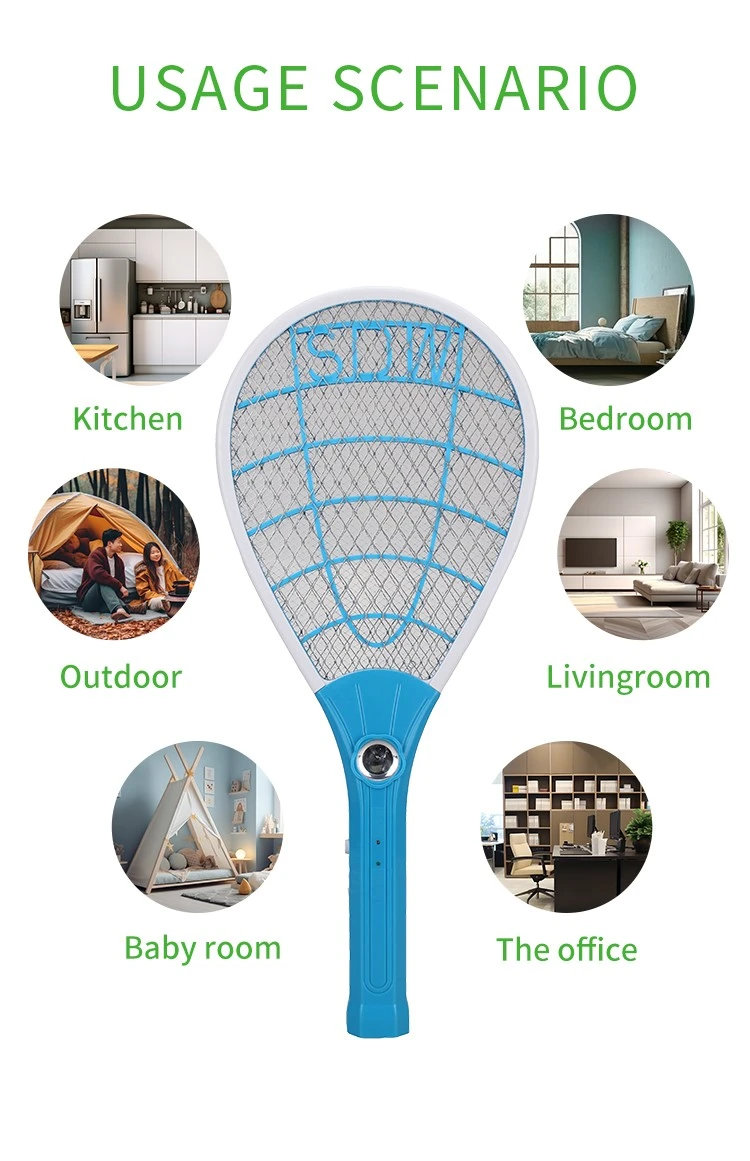
Most importers of electric mosquito swatters obsess over the first order: samples requested, factories vetted, a pre-shipment inspection booked. Then the reorder arrives eight months later and something is off. The grid feels softer. The charge port is a slightly different shade of black. The carton thickness dropped from 350 gsm to 300 gsm. Nothing is catastrophic — but the product no longer matches what your retail customers approved, and quietly, your return rate starts climbing.
How to Keep Mosquito Swatter Quality Consistent Across Repeat Orders
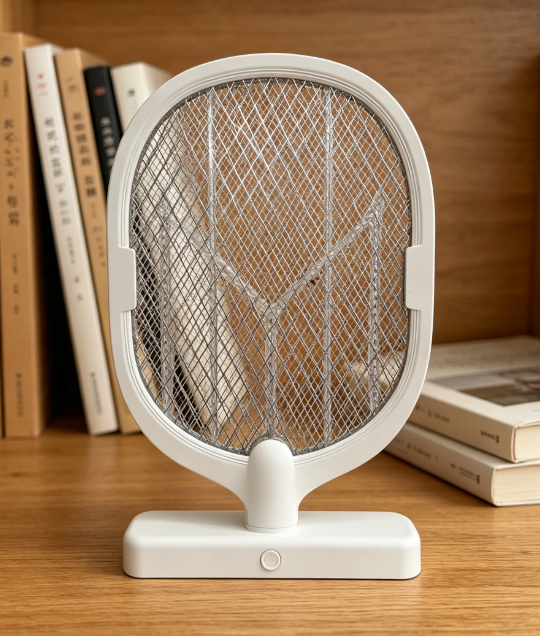
Warranty returns are the silent margin killer in the mosquito control category. A distributor who buys a swatter at $1.80 FOB and retails it at $9.90 can absorb a 1% return rate without noticing — but at 5%, the combined cost of replacement units, reverse logistics, and refund processing erases most of the line's profit.
Common mosquito swatter killer lamp failure modes wholesale spec guide

Digital bathroom scales rank as the second-highest-volume consumer weighing product category, only behind kitchen scales, with distinct market and product characteristics that set them apart from other scale types in importers’ product portfolios.
Digital bathroom body fat-bia-scale wholesale buyers guide