
Can an Electric Mosquito Swatter Still Work After Getting Wet
2025-09-17
Can an Electric Mosquito Swatter Still Work After Getting Wet? Complete Guide to Correct Handling Methods
If you accidentally drop your electric mosquito swatter into water or get it soaked while cleaning, you might wonder: can it still be used? Don’t rush to test it by turning it on immediately, and don’t throw it away casually either. Proper handling is the key. Today, we’ll take a detailed look at how to "rescue" an electric mosquito swatter after it gets wet, along with safety precautions.
1. Clear Taboo: Never Use the Electric Mosquito Swatter Immediately After It Gets Wet
It’s important to know that the core components of an electric mosquito swatter are the high-voltage grid and the internal circuit, which can reach a voltage of thousands of volts when in use. Once it gets wet, water acts as a conductor. Turning it on directly may cause a short circuit in the circuit, which not only burns out the internal components of the swatter but also may lead to electric leakage—posing a risk of electric shock if you touch it. So, the first thing you must remember: after it gets wet, immediately disconnect the power supply (turn off the switch if there is one), keep it away from water sources, and never attempt to use it right away.
2. Core Answer: Can It Work After Getting Wet? It Depends on Whether the Handling Is "Proper"
In fact, an electric mosquito swatter isn’t necessarily ruined after getting wet. As long as you handle it promptly and correctly, it can still work normally in most cases. The specific handling process has three steps, and none of them can be skipped:
Step 1: Thoroughly Drain Surface Moisture
First, take the electric mosquito swatter out of the water and gently shake off excess surface moisture. Be careful not to shake or hit the body forcefully, as this may cause the internal components to shift due to vibration. If it’s a model with a removable battery, open the battery compartment first and take out the battery (if the battery also gets wet, dry it separately and confirm it’s in good condition before reuse). For non-removable models, focus on wiping the gaps in the body and the edges of the grid—areas where water is likely to accumulate. Use a clean, dry cloth to gently blot away moisture until there are no obvious signs of dampness on the surface.
Step 2: Deep Drying – The Key Is to Be "Thorough"
After draining the surface moisture, the core task is to fully dry the internal circuit and high-voltage grid. There are two common mistakes to avoid here: first, do not use a hair dryer to blow directly on the body—the high temperature may damage the plastic casing and internal components; second, do not expose it to direct sunlight—extreme temperature differences may cause the circuit solder joints to fall off.
The correct drying method is: place the electric mosquito swatter in a cool, well-ventilated area (such as a balcony corner or next to a living room bookshelf) and let the natural wind dry the internal moisture slowly. This usually takes 24 to 48 hours. If you’re worried about incomplete drying, you can also put a few packs of desiccants (the ones from snack bags or shoe boxes can be saved for this purpose) in the battery compartment to speed up moisture absorption.
Step 3: Power-On Test – Safety First
After thorough drying, do not test it by touching the grid directly with your hands. Instead, first perform a "no-load test": install the battery, press the switch, and check if the swatter makes a normal "buzzing" current sound and if the indicator light turns on (for models with an indicator light). If the sound is clear and the indicator light works normally, gently bring a piece of tissue close to the grid and listen for a "crackling" electric shock sound. If you hear it, it means the swatter is functioning properly and can be used with confidence. If there’s no current sound, the indicator light doesn’t turn on, or there’s an unusual burning smell, the internal circuit is damaged. In this case, do not continue using it to avoid safety accidents—it’s recommended to replace it with a new one.
3. Prevention in Advance: Avoid Water Exposure During Daily Use to Extend Lifespan
In fact, the best "handling" is to prevent the problem in advance. When using the electric mosquito swatter daily, pay attention to the following points to reduce the risk of water exposure:
- When cleaning, wipe the grid and casing with a dry cloth. Do not rinse it with water or clean it with a damp cloth.
- Do not use it outdoors on rainy days to prevent rainwater from splashing on the swatter.
- When storing it, place it in a dry area, away from water sources such as sinks and faucets, and do not store it with damp towels, umbrellas, or other wet items.
4. Summary: Prioritize Safety and Handle It Scientifically
In short, an electric mosquito swatter doesn’t need to be "thrown away immediately" after getting wet, but you also shouldn’t "turn it on rashly." Following the steps of "drain – dry – test" ensures both safety and maximizes the swatter’s service life. If you’re unsure whether it’s completely dry during the handling process or notice abnormalities during the test, don’t take chances—safety always comes first!
Do the Plastic Parts of Electric Mosquito Swatters Emit Formaldehyde
A Comprehensive Guide to Electric Mosquito Swatter Shell Materials
Related Article

If you’re struggling with annoying mosquitoes, flies, and other flying pests indoors and outdoors, upgrading from traditional manual tools to anElectric Mosquito Swatter is the most efficient solution. Many homeowners and renters search where to buy fly swatter online to find durable, safe, and high-performance electric models that deliver instant pest control.
Where to Buy Fly Swatter
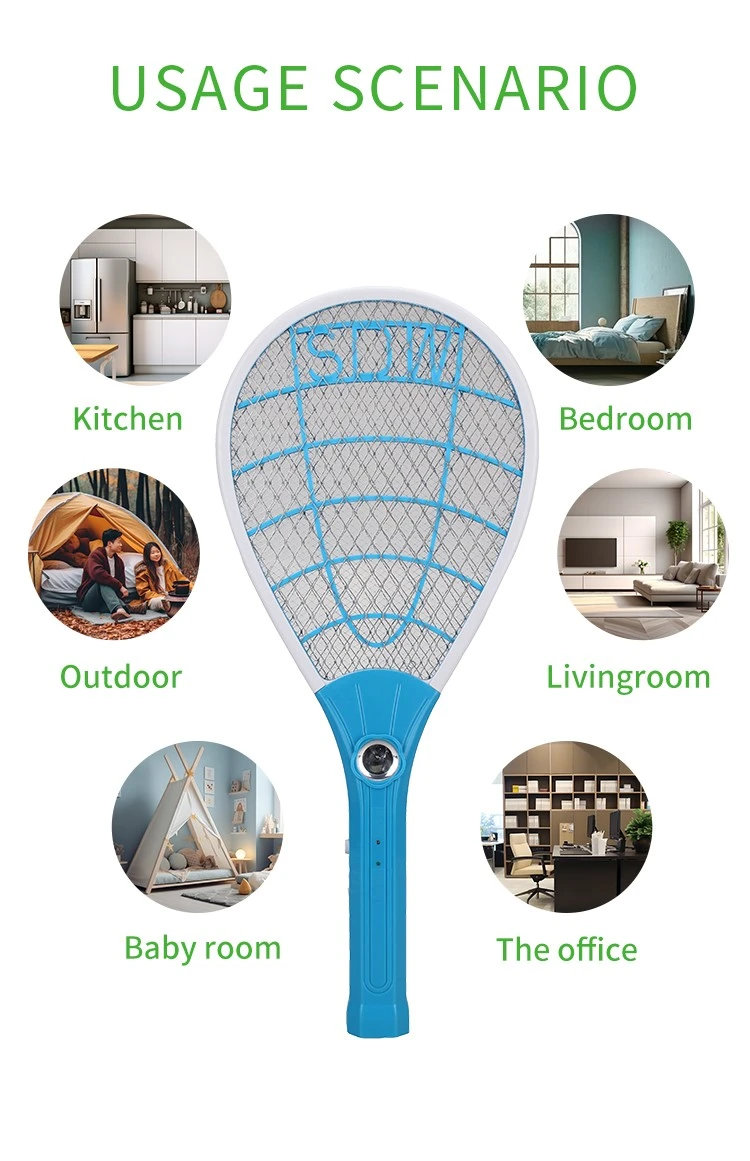
Most importers of electric mosquito swatters obsess over the first order: samples requested, factories vetted, a pre-shipment inspection booked. Then the reorder arrives eight months later and something is off. The grid feels softer. The charge port is a slightly different shade of black. The carton thickness dropped from 350 gsm to 300 gsm. Nothing is catastrophic — but the product no longer matches what your retail customers approved, and quietly, your return rate starts climbing.
How to Keep Mosquito Swatter Quality Consistent Across Repeat Orders
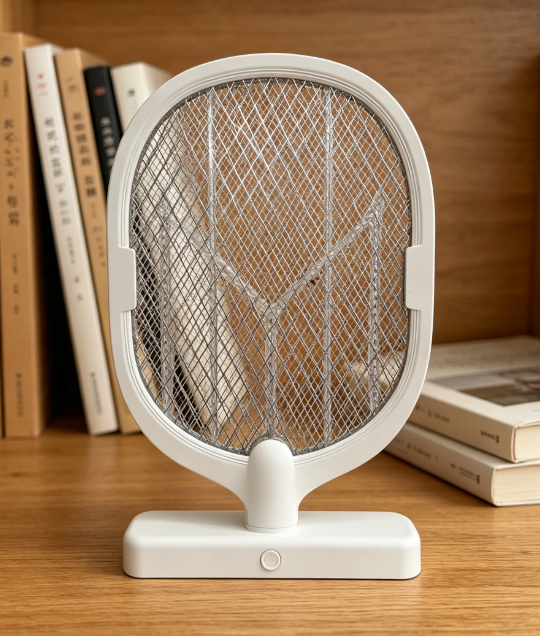
Warranty returns are the silent margin killer in the mosquito control category. A distributor who buys a swatter at $1.80 FOB and retails it at $9.90 can absorb a 1% return rate without noticing — but at 5%, the combined cost of replacement units, reverse logistics, and refund processing erases most of the line's profit.
Common mosquito swatter killer lamp failure modes wholesale spec guide

Digital bathroom scales rank as the second-highest-volume consumer weighing product category, only behind kitchen scales, with distinct market and product characteristics that set them apart from other scale types in importers’ product portfolios.
Digital bathroom body fat-bia-scale wholesale buyers guide