
Can Electric Fly Swatters Be Used With Insecticide
2026-07-19
Can Electric Fly Swatters Be Used With Insecticide? 90% of People Use Them Wrong, Hiding Fire Risks
In hot summer days, mosquitoes run rampant, making electric fly swatters and aerosol insecticides essential mosquito-killing tools for every household. To eliminate mosquitoes quickly, many people habitually use them in combination: spraying insecticide first to repel mosquitoes, then using an electric swatter to kill the remaining ones, or spraying and swatting at the same time for higher efficiency. However, there have been persistent online claims that the two cannot be used together. Is this a rumor or a real safety hazard? Today, we will give a full clarification on whether they can be combined, potential dangers, and correct usage methods to protect your home safety in summer.
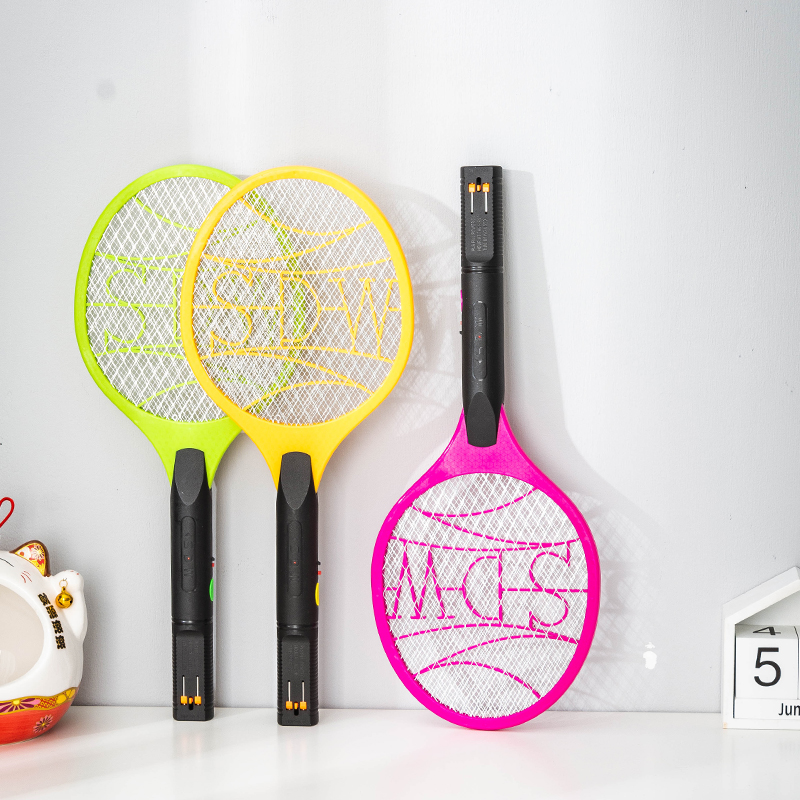
1. Core Conclusion: Strictly Prohibited for Simultaneous Use, Allowed for Interval Use
Here is a clear answer: Electric fly swatters and insecticides must never be used simultaneously or at close range, but they can be used separately with proper time intervals and ventilation.
Many people assume that the two are ordinary mosquito repellents that work better when used together, yet this is an extremely dangerous practice. Fire departments across the country have confirmed through experiments that when a powered-on electric fly swatter comes into contact with floating insecticide mist in the air, it will instantly produce open flames and flash fires, and may even cause deflagration in enclosed spaces, posing severe fire and safety risks. Nevertheless, there is no need for excessive panic. As long as you follow the correct usage intervals and methods, the two can be used separately to achieve both efficient mosquito elimination and home safety.
2. Hidden Dangers of Mixed Use: Why Do They Catch Fire When Used Together?
Many people wonder why these two daily safe products become hazardous when combined. The core reason lies in the conflicting working principles and ingredient properties, with three major risk factors working together.
2.1 Insecticides Contain Highly Flammable Ingredients
Most commercial household aerosol insecticides contain pyrethroid-based insecticidal ingredients, as well as flammable propellants such as propane and butane, plus various organic solvents. These ingredients are highly volatile. After spraying, they quickly disperse in the air to form flammable and explosive aerosol mist, which can catch fire even in low residual concentrations. Besides insecticides, alcohol-rich toilet water, sunscreen sprays, and air fresheners also belong to this category of flammable sprays.
2.2 Powered Electric Swatters Produce Electric Sparks and High Temperatures
When an electric fly swatter is working, its grid generates high voltage of thousands of volts. When mosquitoes touch the grid during use, instantaneous short circuits occur, producing tiny visible electric sparks and extreme transient high temperatures. These seemingly insignificant sparks are hot enough to ignite surrounding flammable gas, far from the "flame-free and risk-free" impression most people have.
2.3 Enclosed Spaces Amplify Deflagration Risks
Mosquito elimination is mostly carried out in confined and narrow spaces such as bedrooms, bathrooms, and small living rooms. After spraying insecticide, the flammable mist cannot diffuse quickly and accumulates indoors. Once the gas concentration reaches a certain level, contact with electric sparks from the fly swatter will trigger an instant flash fire. In severe cases, small-scale deflagration may occur, easily causing burns to the human body and igniting curtains, bed sheets, clothes and other combustibles, leading to household fires.
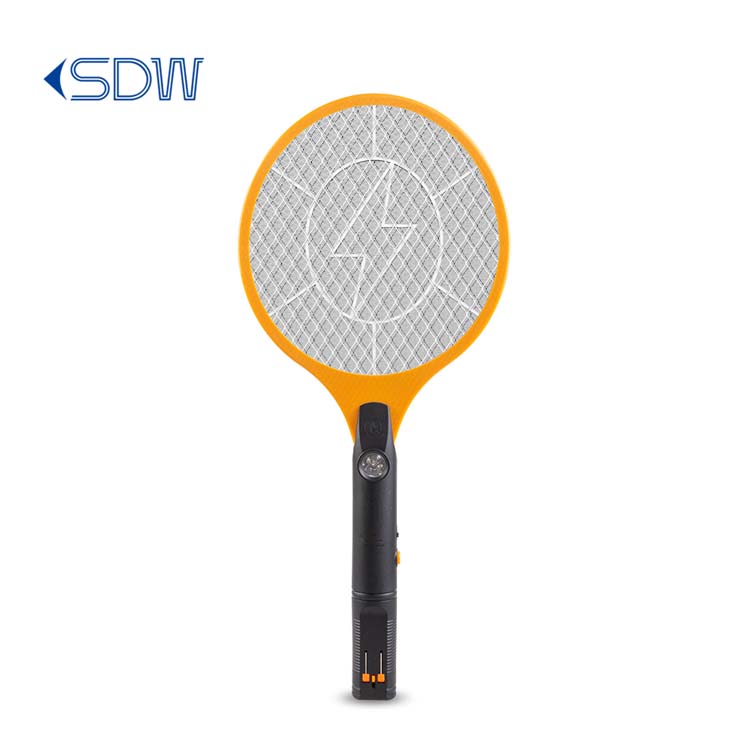
3. Common Daily Misuses That Most People Make
Apart from direct simultaneous use, many seemingly harmless daily operations also hide potential dangers. Check if you have made these mistakes.
First, using an electric fly swatter immediately after spraying insecticide. Many people start swatting mosquitoes right after spraying without ventilation. At this moment, the air is filled with flammable pesticide mist, and electric sparks can easily trigger combustion, making this the most common dangerous operation.
Second, spraying insecticide directly on the grid of an electric fly swatter. Some people spray insecticide on powered or recently powered-off swatters to clean the grid or kill residual mosquitoes. The liquid medicine adhering to the warm grid will catch fire directly and corrode the grid, damaging the electrical appliance.
Third, repeated alternating use in enclosed spaces. Frequently spraying insecticide and swatting mosquitoes in tightly closed bedrooms leads to continuous accumulation of flammable gas, multiplying safety risks.
4. Safe Combined Usage: Kill Mosquitoes Without Risks
You do not have to choose between efficiency and safety. Simply follow the three principles of staggered time use, sufficient ventilation, and power-off operation for safe and effective combined use.
4.1 Spray Insecticide First, Use Fly Swatter After Ventilation
For whole-room mosquito elimination, close the doors and windows first, then spray insecticide evenly, focusing on hidden mosquito habitats such as corners, window sills, and cabinet gaps. After spraying, leave the room immediately and keep the space closed for 30 to 60 minutes to allow the pesticide to work fully and eliminate hidden mosquitoes. Next, open doors, windows and fans for thorough ventilation. Do not enter the room and use the electric swatter to kill surviving mosquitoes until all pesticide mist and odors completely dissipate.
4.2 Use Fly Swatter First, Spray Insecticide for Prevention Later
If there are only a few mosquitoes indoors, first use the electric fly swatter to kill all visible mosquitoes. After finishing, power off the swatter completely and store it properly. Then you can spray a small amount of insecticide, close the doors and windows for a while, to achieve long-term mosquito repellent and egg-killing effects, reducing mosquito breeding at the source.
4.3 Key High-Risk Precautions
When using an electric fly swatter, keep it away from all flammable sprays, including insecticides, floral water, and alcohol sprays. Power off the swatter promptly after use and avoid long-term standby power supply. Never wash a powered-on swatter with water to prevent short circuits. For families with the elderly, children or pets, minimize insecticide use and prioritize physical mosquito elimination methods.
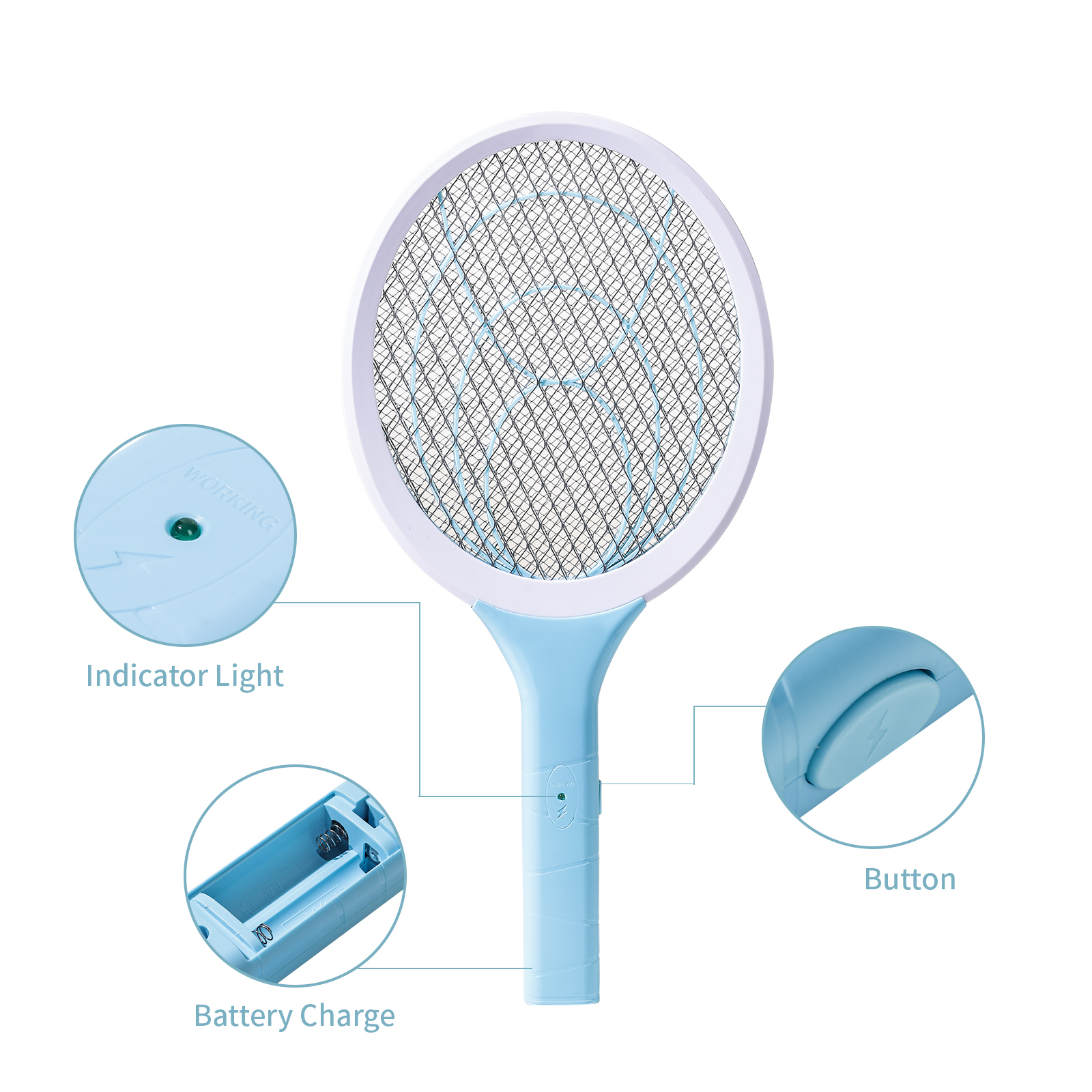
5. Summer Household Mosquito Control Safety Tips
1. Keep all flammable spray products away from open flames, high-temperature appliances and powered electrical equipment, and ventilate the room thoroughly after use.
2. Store electric fly swatters in cool and dry places, avoiding direct sunlight and moisture. Clean dust and mosquito residues on the grid only after the swatter is powered off and fully cooled down.
3. Minimize large-area insecticide spraying in narrow spaces, and prioritize physical mosquito control tools such as electric fly swatters, mosquito nets and mosquito killers for maximum safety.
Conclusion
Both electric fly swatters and insecticides are practical summer mosquito-killing tools, but never mix or use them at close range simultaneously. Small details in mosquito control matter greatly for household fire safety. Abandon bad usage habits and follow the principles of "spray first, swatter later, full ventilation, power off and store" to eliminate mosquitoes efficiently while avoiding fire hazards, enjoying a safe and mosquito-free summer.
What Are the Most Venomous Mosquitoes
Electric Mosquito Swatter Safety Guide
Related Article

If you’re struggling with annoying mosquitoes, flies, and other flying pests indoors and outdoors, upgrading from traditional manual tools to anElectric Mosquito Swatter is the most efficient solution. Many homeowners and renters search where to buy fly swatter online to find durable, safe, and high-performance electric models that deliver instant pest control.
Where to Buy Fly Swatter
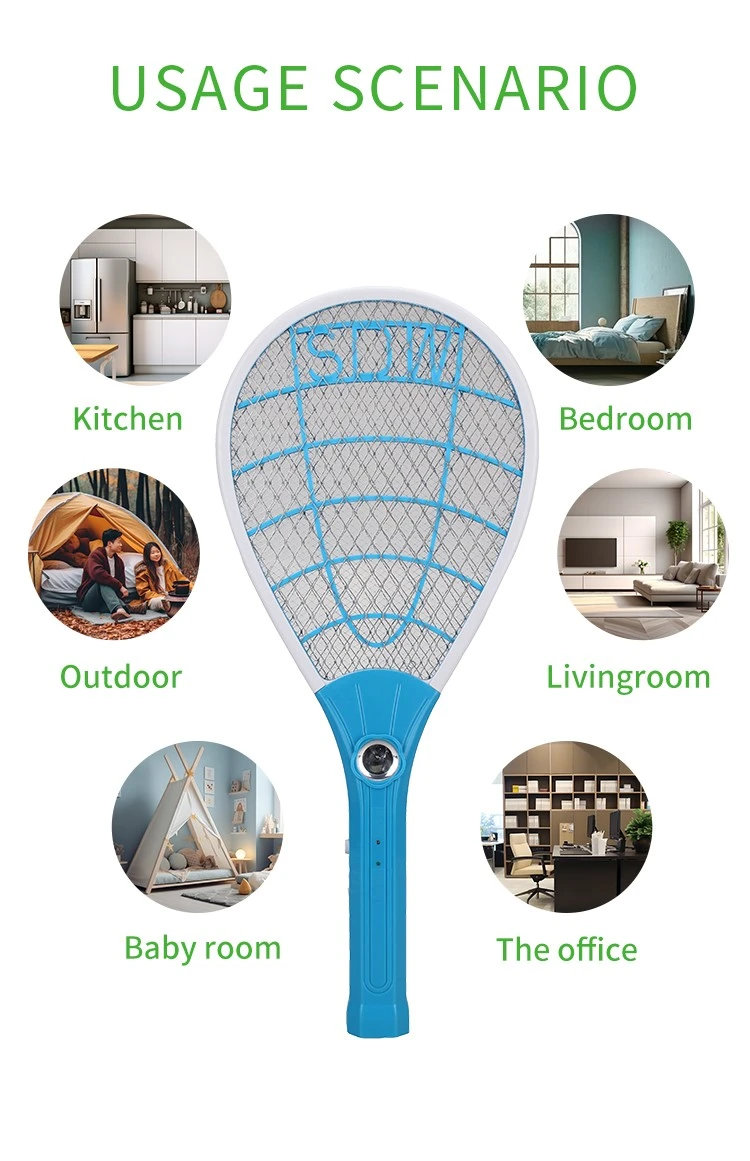
Most importers of electric mosquito swatters obsess over the first order: samples requested, factories vetted, a pre-shipment inspection booked. Then the reorder arrives eight months later and something is off. The grid feels softer. The charge port is a slightly different shade of black. The carton thickness dropped from 350 gsm to 300 gsm. Nothing is catastrophic — but the product no longer matches what your retail customers approved, and quietly, your return rate starts climbing.
How to Keep Mosquito Swatter Quality Consistent Across Repeat Orders
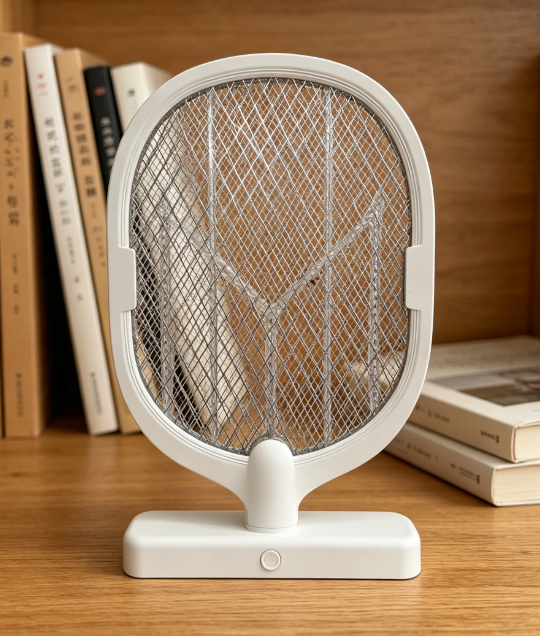
Warranty returns are the silent margin killer in the mosquito control category. A distributor who buys a swatter at $1.80 FOB and retails it at $9.90 can absorb a 1% return rate without noticing — but at 5%, the combined cost of replacement units, reverse logistics, and refund processing erases most of the line's profit.
Common mosquito swatter killer lamp failure modes wholesale spec guide

Digital bathroom scales rank as the second-highest-volume consumer weighing product category, only behind kitchen scales, with distinct market and product characteristics that set them apart from other scale types in importers’ product portfolios.
Digital bathroom body fat-bia-scale wholesale buyers guide