
Can Electric Fly Swatters Get Rid of Aphids on Plants
2025-11-30
Can Electric Fly Swatters Get Rid of Aphids on Plants? A Tried-and-True Gardening Tip
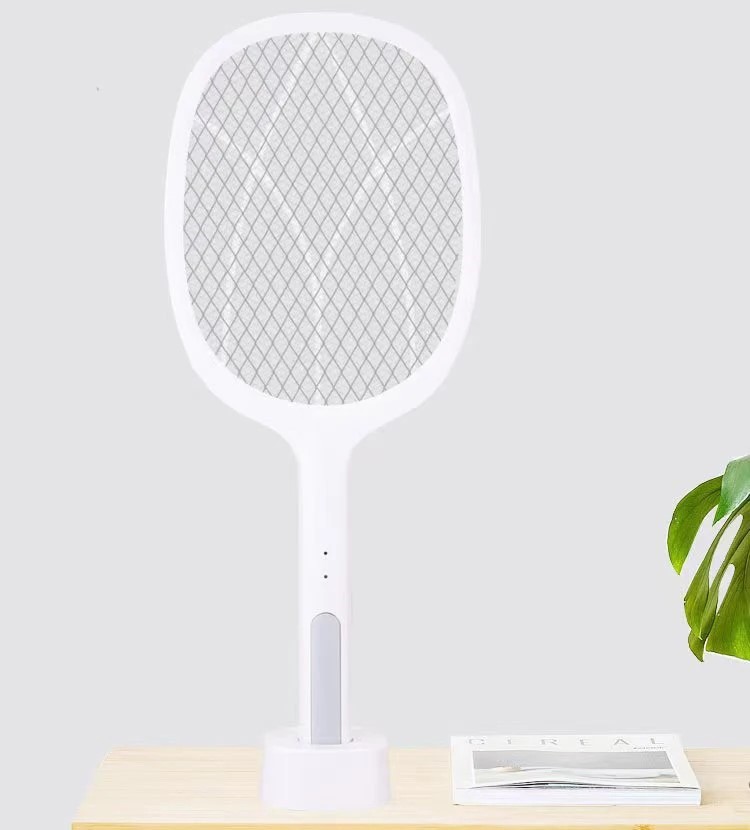
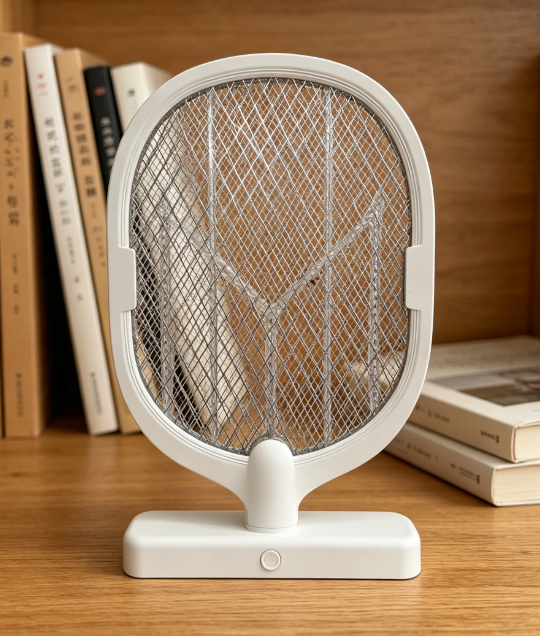
Potted plants at home can never escape aphid infestations—tender green leaves get gnawed full of holes, covered in a layer of gross honeydew, and in severe cases, the entire plant even wilts. I’ve tried pinching them with my fingers or spraying soapy water before, but either method was inefficient or made me worry about damaging the leaves. Then one day, I glanced at the electric fly swatter in the corner and suddenly had a thought: Could this thing be used to get rid of aphids? After trying it, I realized it’s actually a "hidden gem"!
First, Understand: Why Are Aphids So Hard to Deal With?
Though small, aphids are extremely destructive. They feed on plant sap, and a single female aphid can reproduce dozens of offspring in a week. Before long, they form dense colonies on the undersides of leaves and flower buds. Plants attacked by aphids develop curled, yellowed leaves, and may drop flowers or fruit. Worse still, the honeydew secreted by aphids attracts ants and can even trigger sooty mold, making the plant’s situation "go from bad to worse."
Conventional pest control methods all have drawbacks: Pinching aphids with your fingers is not only gross but also easy to miss some; spraying chemical pesticides risks polluting the environment and harming beneficial insects like bees and ladybugs; soapy water is eco-friendly, but it’s irritating to leaves and requires repeated applications to work. It’s at this point that the advantages of electric fly swatters start to stand out.
Using Electric Fly Swatters to Eliminate Aphids: Feasible Principles and Practical Tips
In fact, the reason electric fly swatters work on aphids boils down to two key points:
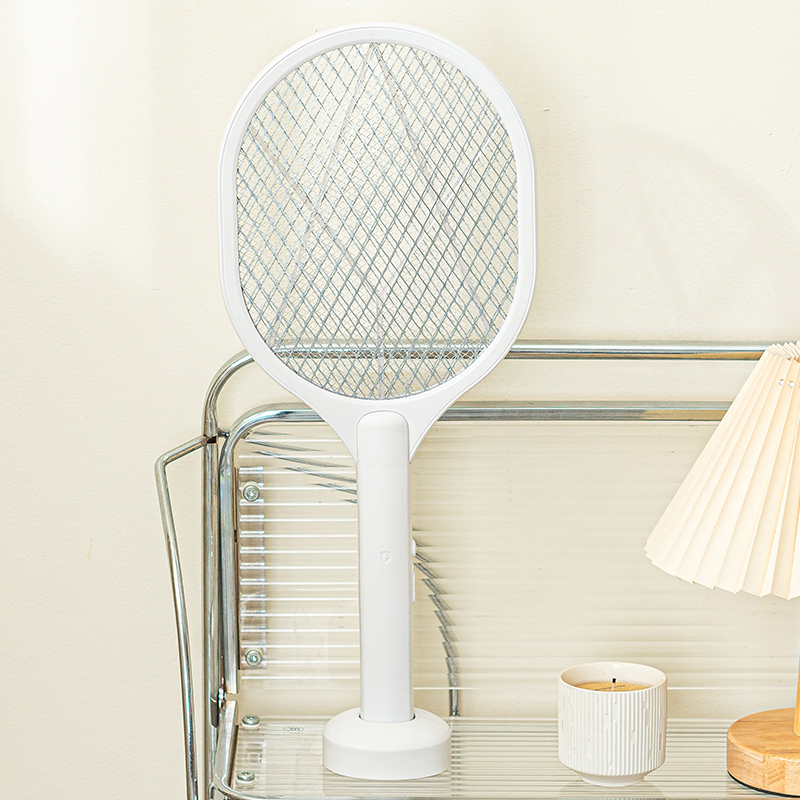
First, aphids are small (usually 2-3 mm long) and have a slight phototaxis (some electric fly swatters come with LED lights), making them easy to draw near the swatter’s grid.
Second, although the grid voltage of electric fly swatters is high (typically 1000-2000V), the current is extremely low. It only electrocutes small insects like aphids and won’t harm plant leaves or stems—after all, plants are insulators. As long as you don’t press the grid directly against the leaves, there’s no problem.
However, to get better results, you need to master a few tips:
- Choose the Right Time: Aphids are most active at dusk or dawn. During these times, they crawl on the surface of leaves instead of hiding in the gaps on the undersides, so the success rate of electrocution is higher.
- Combine "Shaking + Electrocution": Gently shake the plant’s branches first to startle the aphids hiding on the undersides of leaves into flying. Then immediately use the electric fly swatter to sweep around the leaves. Aphids flying in the air are easily attracted to and electrocuted by the grid. If you hear a faint "zizz" sound, it means you’ve succeeded.
- Focus on "Key Areas": Aphids love gathering on new leaves, flower buds, and tender stems. Spend extra time on these spots—especially the undersides of leaves. You can get the swatter’s grid close to (but not touching) the leaves and use the grid’s attractive force to "suck" the aphids onto it.
Precautions: Don’t Turn the "Magic Tool" into a "Harmful One"
While electric fly swatters are safe and effective for aphid control, there are a few details you must pay attention to to avoid harming plants or endangering your own safety:
- Keep Away from Wet Leaves and Water: If you’ve just watered the plant or there’s dew on the leaves, wait until the leaves dry completely before using the swatter. Water is a conductor—using the swatter in a damp environment may cause the grid to short-circuit, and could even lead to minor burns if it accidentally touches the leaves.
- Avoid Harming Beneficial Insects: If you spot beneficial insects like ladybugs or hoverflies (natural predators of aphids) on the leaves, be sure to avoid them. Electric fly swatters can’t tell "friends from foes," so don’t accidentally harm your helpers.
- Don’t Expect a "One-Time Solution": Electric fly swatters mainly target adult aphids. Aphid eggs hide in leaf crevices or on the soil surface. After electrocution, it’s best to check again. If you find eggs, wipe them off with cotton swabs dipped in alcohol or spray diluted soapy water once to completely eliminate the infestation.
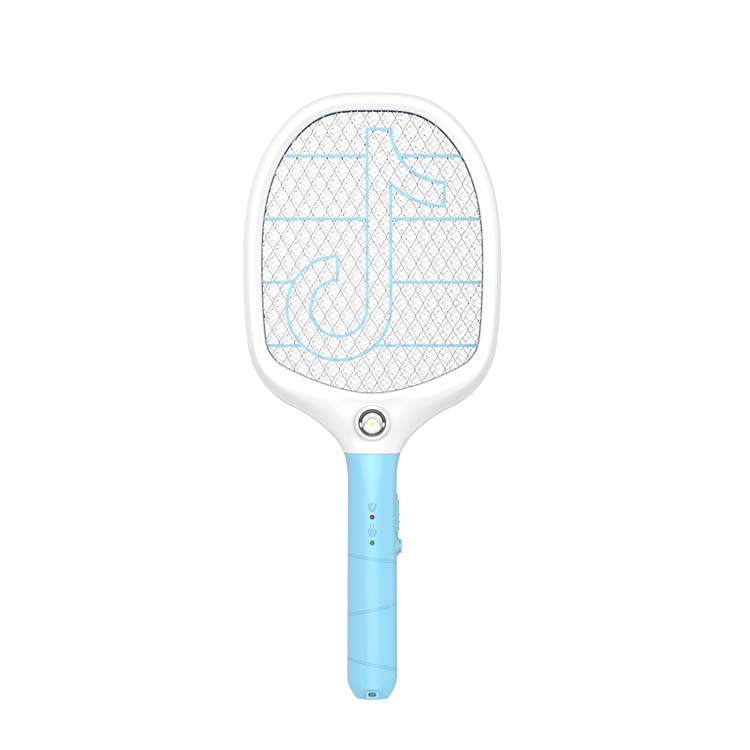
- Prioritize Safe Electricity Use: Ensure the electric fly swatter has sufficient battery power when using it. Don’t touch the grid with your hands, and don’t let children play with it. After all, it’s an electrical tool—safety comes first.
Conclusion: Electric Fly Swatters Are "Auxiliary Tools"; Comprehensive Control Is the Key
After multiple tests, I’ve found that electric fly swatters are perfect for small-scale aphid control—for example, if you have a few potted roses, succulents, or pothos at home. When aphids first appear, using the swatter for emergency pest control can quickly reduce their numbers without the risk of poisoning or leaf damage. It’s truly a godsend for lazy gardeners!
However, if the aphid infestation has become large-scale (e.g., the entire plant is covered), relying solely on an electric fly swatter will be inadequate. In this case, you can first use the swatter to eliminate most adult aphids, then pair it with biopesticides (such as neem oil or matrine) or introduce natural predators like ladybugs. By creating a comprehensive "physical + biological" control plan, you can help your plants completely rid themselves of aphids.
What Is a Dry Cell
Proper recycling channels for old electric mosquito swatters
Related Article

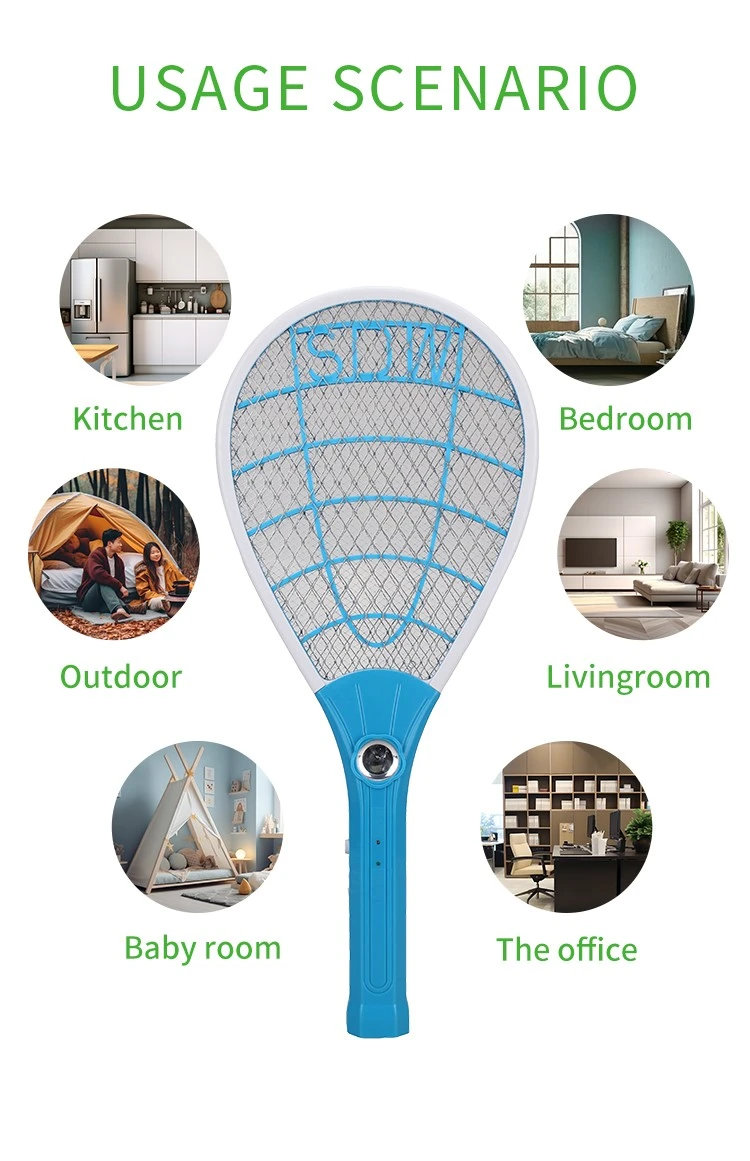
If you’re struggling with annoying mosquitoes, flies, and other flying pests indoors and outdoors, upgrading from traditional manual tools to anElectric Mosquito Swatter is the most efficient solution. Many homeowners and renters search where to buy fly swatter online to find durable, safe, and high-performance electric models that deliver instant pest control.
Where to Buy Fly Swatter
Most importers of electric mosquito swatters obsess over the first order: samples requested, factories vetted, a pre-shipment inspection booked. Then the reorder arrives eight months later and something is off. The grid feels softer. The charge port is a slightly different shade of black. The carton thickness dropped from 350 gsm to 300 gsm. Nothing is catastrophic — but the product no longer matches what your retail customers approved, and quietly, your return rate starts climbing.
How to Keep Mosquito Swatter Quality Consistent Across Repeat Orders
Warranty returns are the silent margin killer in the mosquito control category. A distributor who buys a swatter at $1.80 FOB and retails it at $9.90 can absorb a 1% return rate without noticing — but at 5%, the combined cost of replacement units, reverse logistics, and refund processing erases most of the line's profit.
Common mosquito swatter killer lamp failure modes wholesale spec guide

Digital bathroom scales rank as the second-highest-volume consumer weighing product category, only behind kitchen scales, with distinct market and product characteristics that set them apart from other scale types in importers’ product portfolios.
Digital bathroom body fat-bia-scale wholesale buyers guide