
Can Electric Fly Swatters Only Kill Mosquitoes
2025-08-31
Can Electric Fly Swatters Only Kill Mosquitoes? They Can Easily Get Rid of These Pests Too!
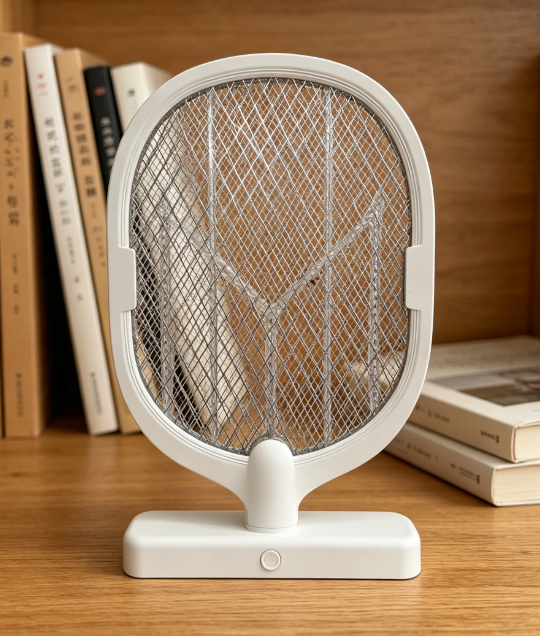
Yesterday, an "uninvited guest"—a large hornet—showed up in the office. My colleagues were so scared that they quickly grabbed an electric fly swatter to defend themselves. Surprisingly, this small electric fly swatter was so powerful that it took down the hornet with just one hit. Today, we will discuss this: Can electric fly swatters only be used to kill mosquitoes? Can they still work against other pests like flies, small flying insects, and cockroaches? Let’s help you unlock more "hidden functions" of electric fly swatters.
The core of an electric fly swatter is that it generates a high-voltage electric field through its internal circuit. When small-sized pests such as mosquitoes come into contact with the metal grid on the swatter’s surface, they are instantly struck by the high-voltage current, which damages their body tissues, paralyzes their nerves, and eventually leads to their death. Simply put, in theory, an electric fly swatter can kill any pest as long as its size allows it to pass through the grid on the swatter’s surface and it can be hit by the current.
From the perspective of practical use scenarios, electric fly swatters are quite effective in killing these common pests:
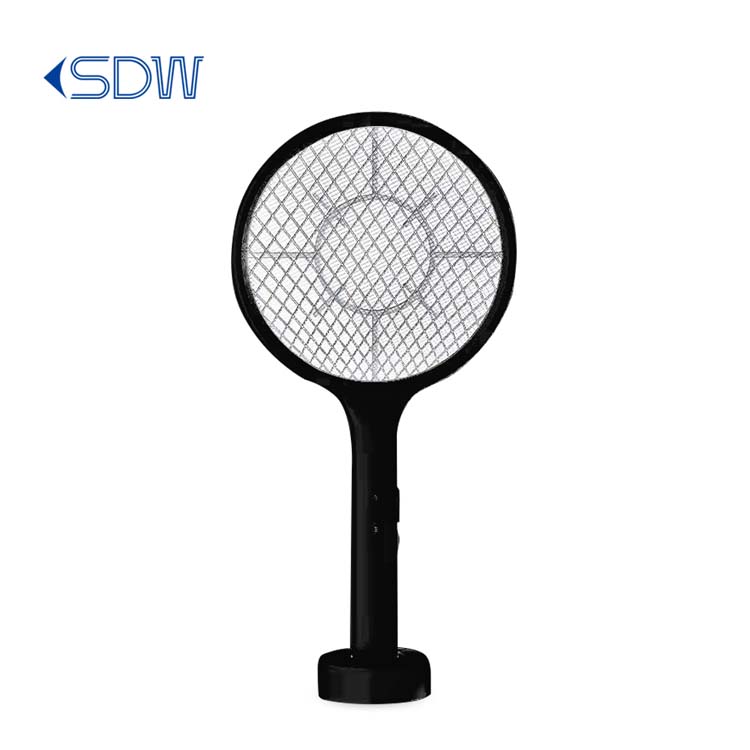
1. Flies: More Efficient Than Traditional Fly Swatters
Like mosquitoes, flies belong to the category of "small flying pests" and are similar in size to mosquitoes, so they can be fully covered by the grid of an electric fly swatter. Compared with traditional fly swatters, which require precise "aiming", the high-voltage electric field of an electric fly swatter has a certain adsorption force. As long as a fly flies near the swatter’s surface, it is easily "attracted" and killed by the current. Moreover, there is no need to worry about leaving disgusting pest residue when swatting, making it easier to clean. Especially in places where flies often appear, such as kitchens and dining rooms, using an electric fly swatter to kill flies is both efficient and hygienic.
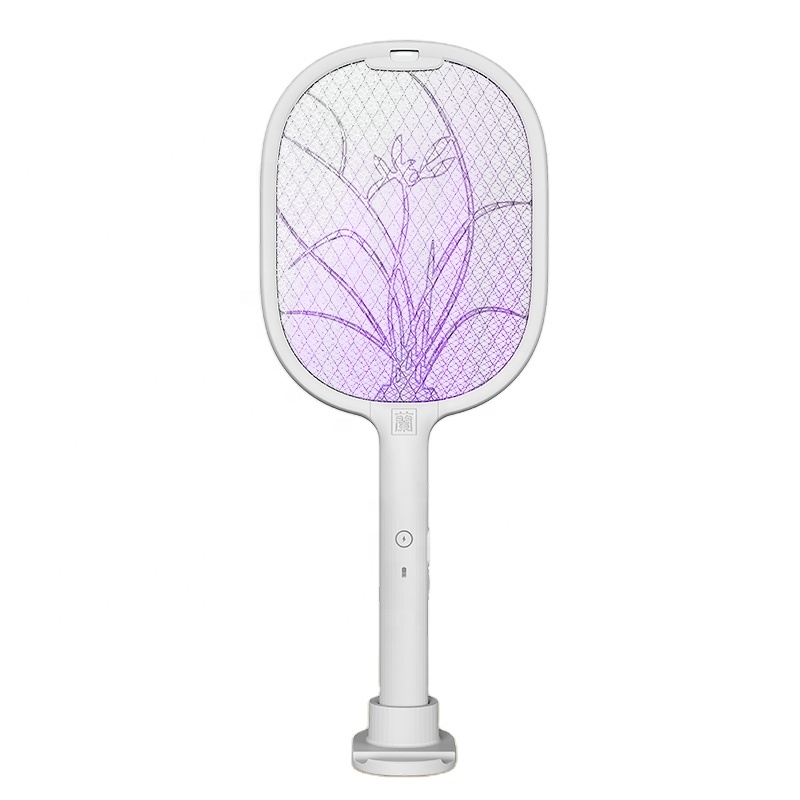
2. Small Flying Insects: Easily Solve the "Tiny Troubles"
Tiny black flying insects near potted plants at home, fruit flies breeding from rotten fruits, and drain flies in the bathroom... It’s impossible to catch these tiny flying insects with your hands, and using insecticides seems like "overkill". At this time, an electric fly swatter is the best choice. These small flying insects are light in weight and have weak flying ability—they are almost killed instantly when the electric fly swatter gets close. Furthermore, unlike insecticides, it does not pollute the environment, making it particularly suitable for families with the elderly, children, or pets.
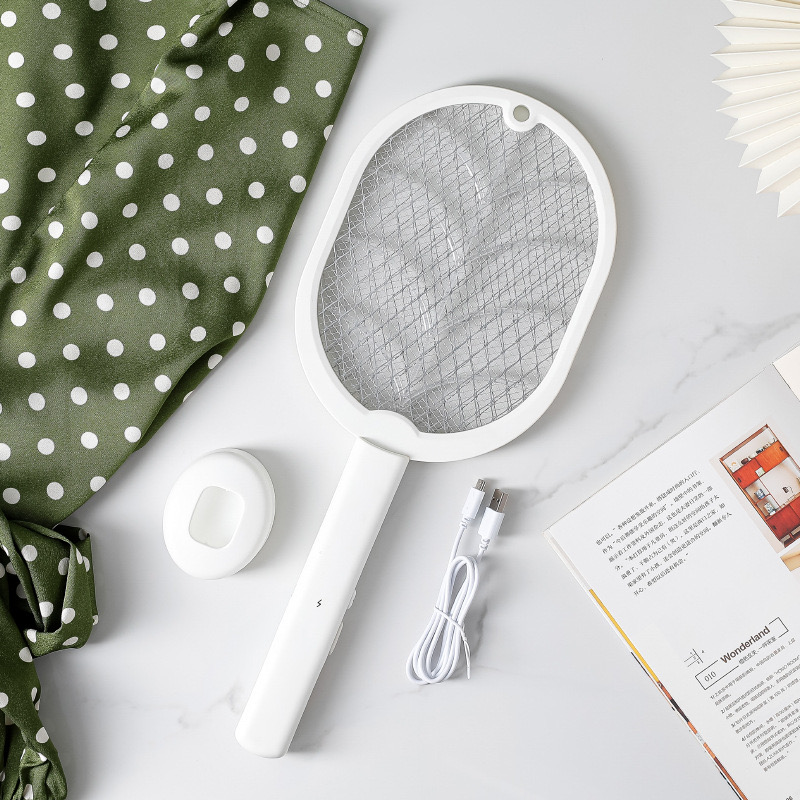
3. Small Crawling Pests: Can Be Used for "Emergency" in Specific Scenarios
In addition to flying insects, electric fly swatters also work on some small-sized crawling pests, such as newly hatched baby cockroaches, ants, and pill bugs. However, it should be noted that these crawling pests usually move on the ground or along wall corners, so the electric fly swatter needs to come into direct contact with them to work—it cannot "eliminate them from a distance" like it does with flying insects. Moreover, the effect of electric fly swatters is reduced when dealing with larger adult cockroaches. On one hand, adult cockroaches have harder exoskeletons, so they may need to be electrocuted multiple times to die. On the other hand, adult cockroaches have quick reactions and can easily escape. It is more recommended to use cockroach bait in combination with the swatter.
Of course, there are a few precautions to keep in mind when using electric fly swatters to kill other pests:
- Avoid contact with metal objects: Do not let the swatter’s surface touch wires, sockets, metal furniture, etc., during use, to prevent short circuits or electric shock hazards.
- Turn off the power promptly when not in use: After each use, turn off the switch. When storing, avoid squeezing the swatter’s surface to prevent damage to the high-voltage circuit.
- Distinguish the "effective range": It is not recommended to use electric fly swatters on overly large pests (such as locusts and large beetles) or soft-bodied pests (such as caterpillars). The former may break the grid, while the latter’s body fluids may stick to the swatter’s surface after being electrocuted, making it difficult to clean.
In general, electric fly swatters have more functions than just "killing mosquitoes". They can kill a variety of pests such as flies, small flying insects, and small crawling pests, making them a "versatile tool" for household pest control. However, everyone should choose flexibly according to the type and size of the pests. For example, when dealing with large crawling pests or persistent pests, it is still necessary to use specialized pest control tools in combination to achieve better results.
Enjoy a Comfortable Autumn Without Mosquito Bites
Can Students Bring Electric Mosquito Swatters to Dormitories
Related Article

If you’re struggling with annoying mosquitoes, flies, and other flying pests indoors and outdoors, upgrading from traditional manual tools to anElectric Mosquito Swatter is the most efficient solution. Many homeowners and renters search where to buy fly swatter online to find durable, safe, and high-performance electric models that deliver instant pest control.
Where to Buy Fly Swatter
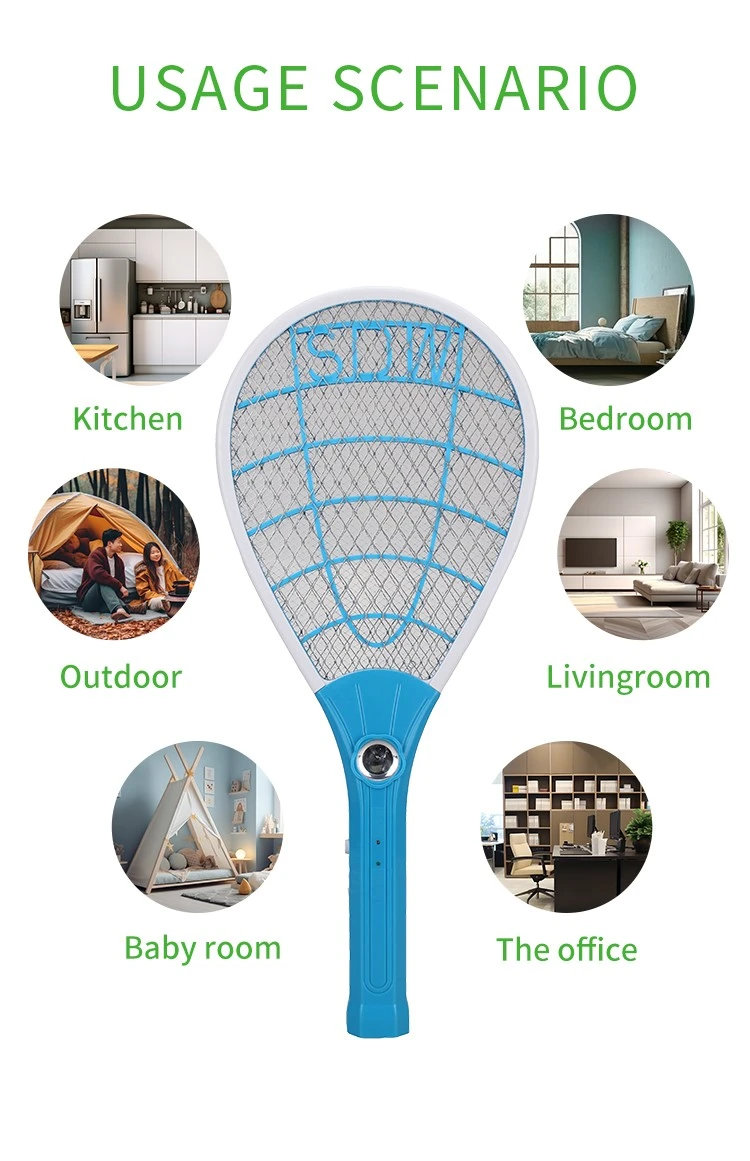
Most importers of electric mosquito swatters obsess over the first order: samples requested, factories vetted, a pre-shipment inspection booked. Then the reorder arrives eight months later and something is off. The grid feels softer. The charge port is a slightly different shade of black. The carton thickness dropped from 350 gsm to 300 gsm. Nothing is catastrophic — but the product no longer matches what your retail customers approved, and quietly, your return rate starts climbing.
How to Keep Mosquito Swatter Quality Consistent Across Repeat Orders
Warranty returns are the silent margin killer in the mosquito control category. A distributor who buys a swatter at $1.80 FOB and retails it at $9.90 can absorb a 1% return rate without noticing — but at 5%, the combined cost of replacement units, reverse logistics, and refund processing erases most of the line's profit.
Common mosquito swatter killer lamp failure modes wholesale spec guide

Digital bathroom scales rank as the second-highest-volume consumer weighing product category, only behind kitchen scales, with distinct market and product characteristics that set them apart from other scale types in importers’ product portfolios.
Digital bathroom body fat-bia-scale wholesale buyers guide