
Can Electric Mosquito Swatters Be Sold as Scrap
2026-01-24
Can Electric Mosquito Swatters Be Sold as Scrap? Here's the Complete Guide to Proper Disposal
In late summer and early autumn, various electric mosquito swatters used for mosquito control are often idle due to battery degradation, power grid damage, and other issues. Faced with piles of old electric mosquito swatters, many people wonder: Can these items be sold as scrap? How much can they be worth? In fact, the feasibility and method of recycling electric mosquito swatters depend on their component structure. Discarding them randomly not only wastes resources but may also cause environmental harm.
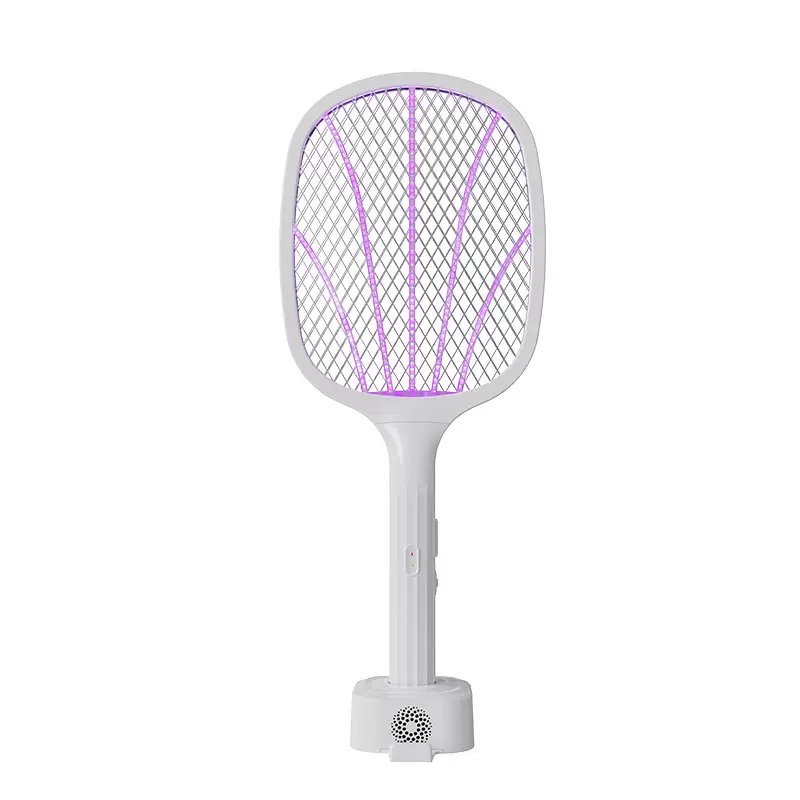
I. Analysis of the Recycling Attribute and Component Value of Electric Mosquito Swatters
1.1 Core Conclusion: Recyclable but Requires Classification and Disassembly
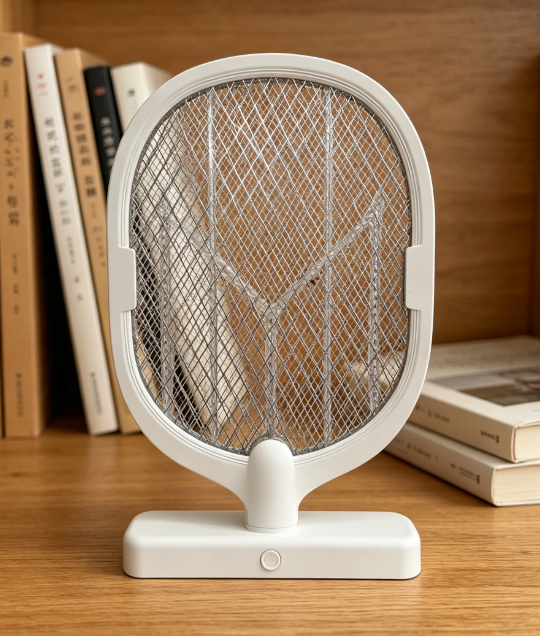
Clear conclusion: Electric mosquito swatters can be included in the scrap recycling system, but they cannot be directly sold to recyclers like ordinary plastic or metal scrap. They need to be disassembled into components for classified disposal. Electric mosquito swatters are mainly composed of plastic casings, metal power grids, built-in batteries (mostly lead-acid batteries or lithium batteries), circuit boards, and other components. Some of these components have recycling value, while others are hazardous waste that needs to be disposed of separately.
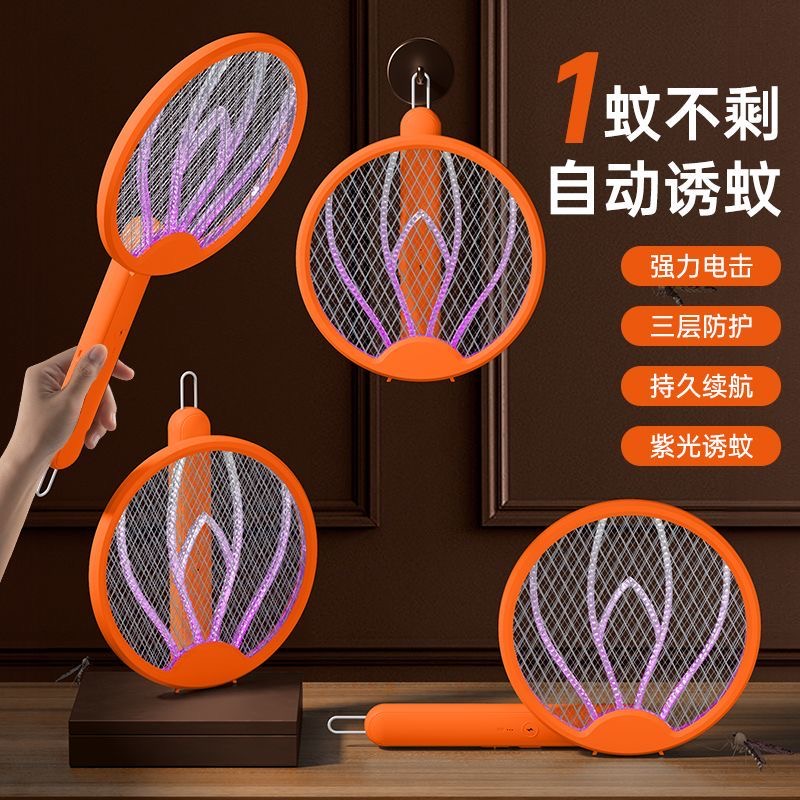
1.2 Recycling Value and Classification Points of Main Components
From the perspective of recycling value, the metal power grid is the core recyclable part of an electric mosquito swatter. Mostly made of iron wire or copper wire, it belongs to recyclable metals. Although the power grid of a single swatter is light in weight and low in value, it can still generate certain economic benefits when recycled in batches. If the plastic casing is intact and undamaged, it can be classified as recyclable plastic, which can be processed into raw materials for plastic products after crushing. It should be noted that if the plastic casing is contaminated with battery leakage, oil stains, etc., it needs to be cleaned before recycling; otherwise, its recycling value will be reduced, or it may be rejected by recycling institutions.
The built-in battery is a key link in the disposal of electric mosquito swatters and the core reason why they cannot be directly recycled as ordinary scrap. Lead-acid batteries are hazardous waste; random disposal will cause harmful substances such as lead and sulfuric acid to seep into soil and water sources, damaging the ecological environment. Improper disposal of lithium batteries may cause short circuits, fires, and other safety hazards. At the same time, metals such as lithium and cobalt contained in lithium batteries have certain recycling value and must be handled by professional battery recycling institutions. Although circuit boards contain a small amount of precious metals, the circuit board of a single electric mosquito swatter is small in size and low in precious metal content, so ordinary recyclers usually do not recycle them separately and generally dispose of them together with hazardous waste.
II. Standard Disposal Process and Precautions for Electric Mosquito Swatters
2.1 Standard Disposal Steps for Household Use
For households disposing of old electric mosquito swatters, it is not recommended to directly sell them to street recyclers. On the one hand, such recyclers generally lack professional classification and processing capabilities and often mix electric mosquito swatters with ordinary garbage as a whole, which not only wastes recyclable resources but may also cause pollution due to improper disposal of hazardous components. On the other hand, the recycling value of a single electric mosquito swatter is extremely low; the price offered by recyclers is usually only a few cents, and in some cases, they may even refuse to accept it.
The standard disposal process can be divided into three steps: Step 1, Component disassembly. Use tools to disassemble the electric mosquito swatter casing, separate the metal power grid, plastic casing, battery, and circuit board, and avoid mixing different types of components. Step 2, Classified disposal and recycling. Metal power grids and cleaned plastic casings can be put into recyclable waste collection containers in communities or handed over to formal recycling stations. Batteries need to be placed separately in hazardous waste collection facilities, or contacted with local battery recycling points and household appliance repair institutions for recycling. Some brands also provide old battery trade-in services. Step 3, Disposal of non-recyclable components. Components that cannot be disassembled or have no recycling value, such as severely damaged circuit boards and aging wires, need to be properly disposed of as other garbage and must not be discarded randomly.
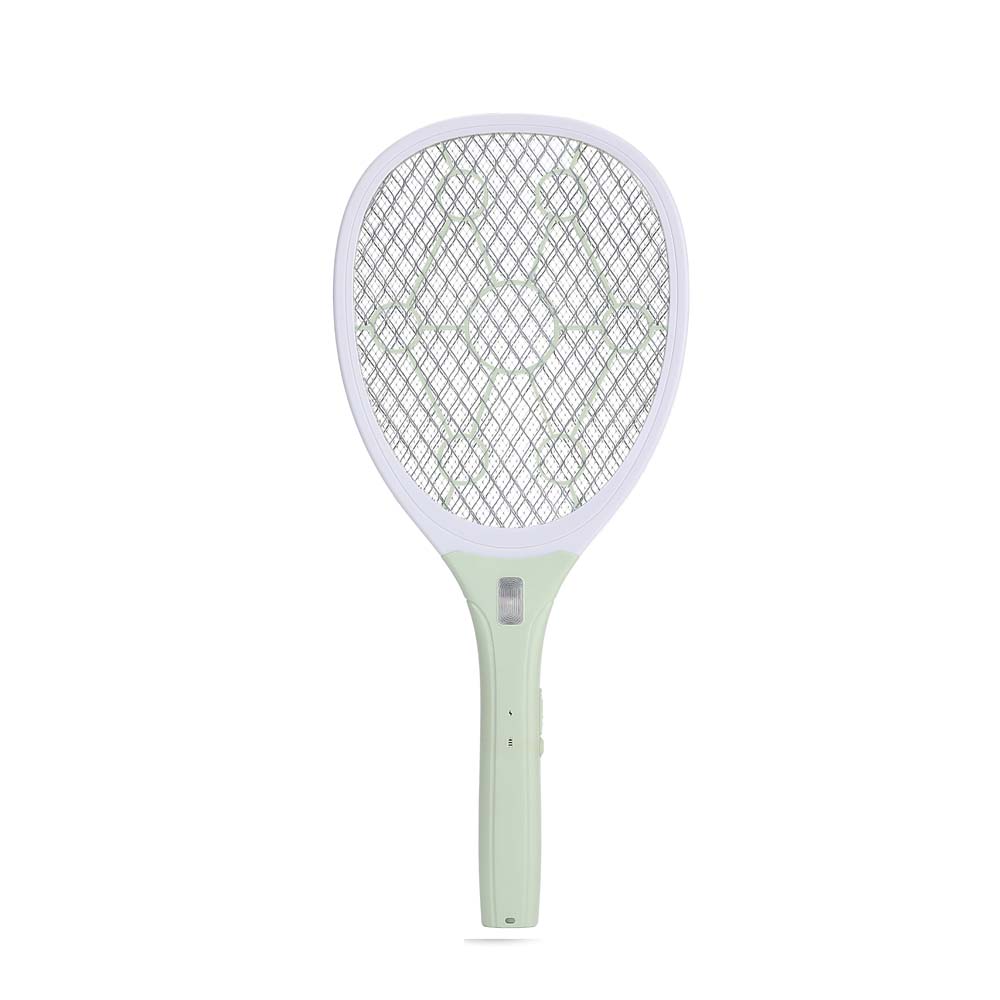
2.2 Key Precautions
In addition, the following precautions must be strictly followed: First, before disassembly, ensure that the electric mosquito swatter is completely powered off and placed for a period of time to discharge, to prevent electric shock risks caused by residual current in the power grid. Second, if the battery has abnormal conditions such as leakage or bulging, it must be wrapped in a sealed bag before being placed in a hazardous waste collection point to avoid leakage of harmful substances. Third, when disposing of electric mosquito swatters in batches (such as cleaning up merchant inventory or centralized community recycling), professional household appliance recycling enterprises should be contacted to carry out standardized disassembly and resource utilization work, which not only improves recycling efficiency but also ensures compliance with environmental protection standards.
III. Extended Thinking: Disposal Principles for Small-Sized Mixed-Material Scrap
In fact, not only electric mosquito swatters but most small household appliances belong to "mixed-material scrap". Although they are small in size and seemingly limited in value, they contain professional logic of resource recycling and environmental protection disposal. Instead of leaving old electric mosquito swatters idle and dusty, it is better to realize resource reuse through standardized disassembly and classification, which is not only the practice of environmental protection concepts but also the efficient activation of resources. The core value of scrap is never limited to its own recycling price, but more lies in the ecological and environmental value brought by standardized disposal.
Warmly Welcome Our Valued Korean Clients to Visit the Factory
Does an Electric Mosquito Swatter Have a Shelf Life
Related Article

If you’re struggling with annoying mosquitoes, flies, and other flying pests indoors and outdoors, upgrading from traditional manual tools to anElectric Mosquito Swatter is the most efficient solution. Many homeowners and renters search where to buy fly swatter online to find durable, safe, and high-performance electric models that deliver instant pest control.
Where to Buy Fly Swatter
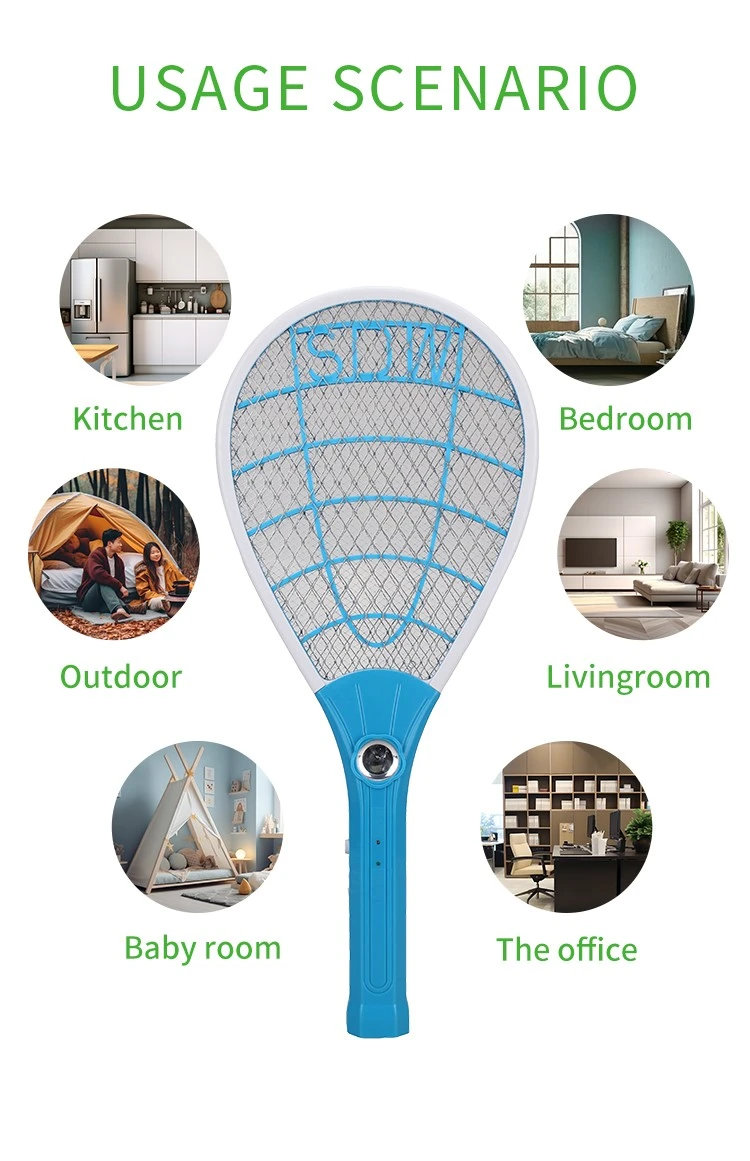
Most importers of electric mosquito swatters obsess over the first order: samples requested, factories vetted, a pre-shipment inspection booked. Then the reorder arrives eight months later and something is off. The grid feels softer. The charge port is a slightly different shade of black. The carton thickness dropped from 350 gsm to 300 gsm. Nothing is catastrophic — but the product no longer matches what your retail customers approved, and quietly, your return rate starts climbing.
How to Keep Mosquito Swatter Quality Consistent Across Repeat Orders
Warranty returns are the silent margin killer in the mosquito control category. A distributor who buys a swatter at $1.80 FOB and retails it at $9.90 can absorb a 1% return rate without noticing — but at 5%, the combined cost of replacement units, reverse logistics, and refund processing erases most of the line's profit.
Common mosquito swatter killer lamp failure modes wholesale spec guide

Digital bathroom scales rank as the second-highest-volume consumer weighing product category, only behind kitchen scales, with distinct market and product characteristics that set them apart from other scale types in importers’ product portfolios.
Digital bathroom body fat-bia-scale wholesale buyers guide